
Apparel sector financing gap for decarbonisation: Cascale insights
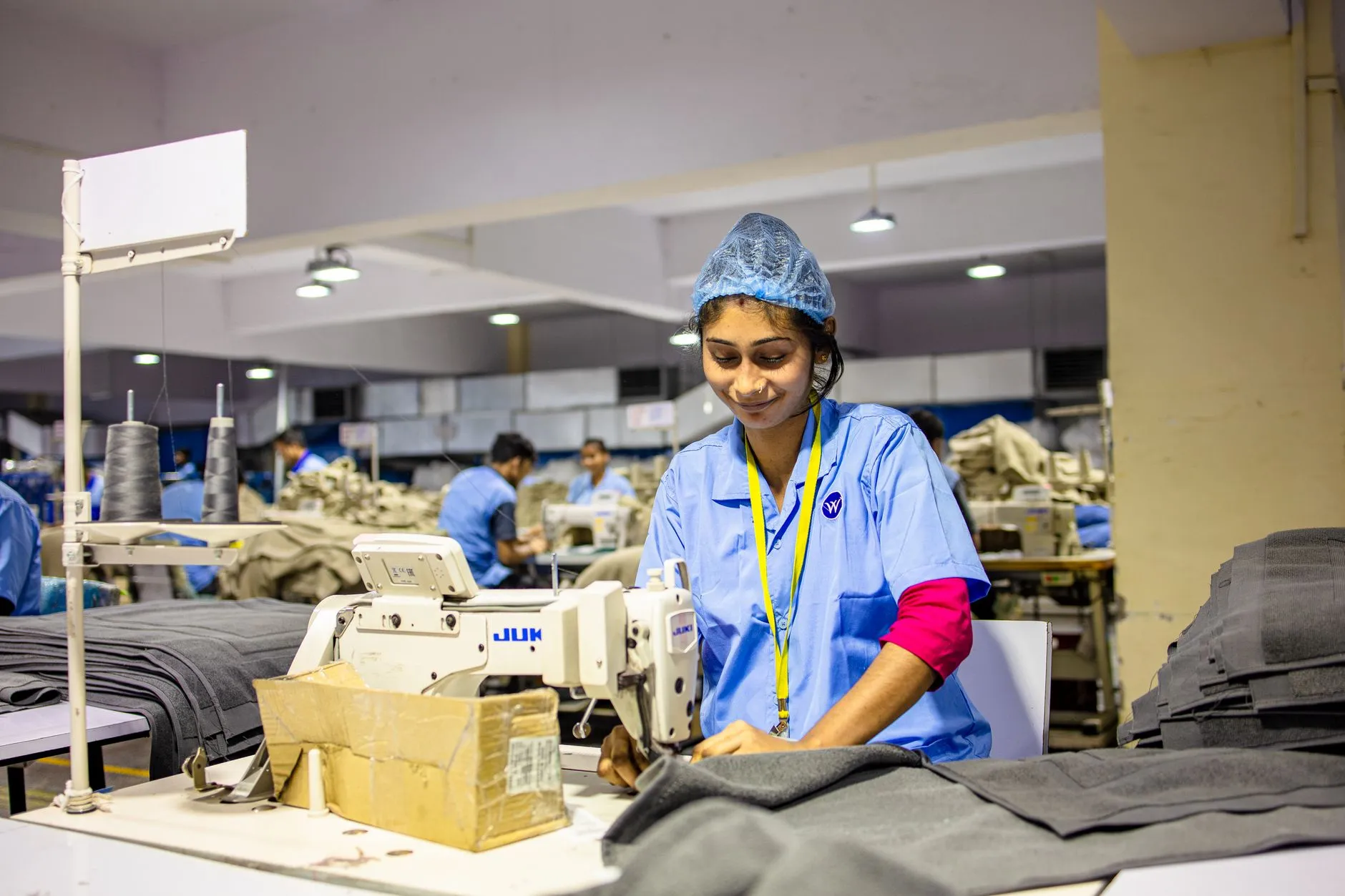
Bangladesh produces garments for global brands at a scale few countries can match. Consequently, the environmental footprint of its apparel sector matters to buyers, regulators, and investors worldwide. A recent industry estimate suggests that moving those factories toward lower-carbon operations could cost around $6.6 billion, a figure that highlights the commercial and financial pressures now facing manufacturers across the supply chain.
Cascale, the organisation behind the Higg Index measurement tools, argues that factories cannot fund this transition alone. The group's position is clear: brands, lenders, and policymakers must contribute capital if the apparel industry wants cleaner production at scale. This raises practical questions for UK businesses that source from Bangladesh or assess supplier performance through tools such as the Higg Facility Environmental Module.
For SMEs managing supply chain risk, tender compliance, or carbon reporting obligations, the debate matters. Many buyers now ask suppliers for environmental data as standard. Meanwhile, factories face growing pressure to cut emissions without always having access to the finance needed for equipment upgrades, fuel switching, or renewable energy contracts.
Why Bangladesh sits at the centre of apparel decarbonisation
Bangladesh ranks among the world's largest garment exporters. As a result, efficiency improvements or fuel changes in its factories can shift sector-wide emissions significantly. Nearly 1,300 facilities in the country used the Higg Facility Environmental Module during 2023, according to Cascale. Those sites reported stronger environmental performance than global averages in some areas, yet the organisation notes they still rely heavily on natural gas and lack sufficient renewable energy capacity.
This reliance on fossil fuels presents a practical obstacle. Even when factories measure emissions accurately and identify reduction opportunities, switching to cleaner energy depends on grid availability, contract terms, and upfront capital. In many cases, manufacturers operate on thin margins and cannot finance large-scale infrastructure changes without external support.
Cascale's Manufacturer Climate Action Program is designed to help facilities build greenhouse gas inventories, set science-aligned targets, and assess climate risks. The programme has validated 52 science-aligned targets to date, representing a collective reduction potential of over 1.6 million metric tonnes of CO2e emissions, according to a statement from the organisation. However, validation does not solve the financing challenge. Targets show intent, but implementation requires capital.
The $6.6 billion investment gap and who pays
The reported $6.6 billion figure reflects the estimated cost of moving Bangladesh's apparel factories toward lower-carbon operations. This includes cleaner energy equipment, building improvements, process changes, and the systems needed to measure and verify progress over time. Cascale's position is that factories cannot cover this bill independently.
Manufacturers typically work to tight buyer pricing and short lead times. Therefore, large capital investments in environmental infrastructure often compete with immediate operational needs. Many factories lack access to affordable green finance, and local banking systems may not offer products tailored to industrial decarbonisation. As a result, the funding gap persists even when factories understand their emissions and want to reduce them.
Brands and retailers exert significant influence over supplier decisions through purchasing power and contract terms. However, they do not always share the financial burden of compliance with new environmental standards. Cascale argues that buyers, lenders, and governments must contribute if the sector is to reach greener production at scale. This expectation reflects a broader shift in how supply chain responsibility is understood, moving beyond measurement toward shared investment.
For UK businesses, this has direct implications. Suppliers may struggle to meet carbon reduction expectations without financial support or longer-term contracts that justify investment. Consequently, buyers need to consider how procurement decisions affect a supplier's ability to decarbonise and whether current pricing models leave room for environmental upgrades.
How the Higg Index tools shape factory reporting
Cascale stewards the Higg Index, a suite of tools used across apparel, footwear, and textile supply chains. The Facility Environmental Module, known as Higg FEM, is designed to standardise how factories measure energy use, greenhouse gas emissions, water, wastewater, waste, air emissions, and chemicals management. It is not a carbon accounting tool alone. Instead, it helps manufacturers identify operational hotspots and track improvement year on year.
The module is part of a broader framework of five Higg Index tools used by brands, retailers, and manufacturers to measure sustainability performance. Recent updates to Higg FEM suggest the platform is moving toward sharper emissions metrics and stronger verification expectations. This means better visibility into factory performance, but also more pressure on suppliers to invest in upgrades that may be difficult to fund independently.
UK businesses increasingly ask suppliers for environmental data as part of tender processes, contract renewals, or regulatory compliance. Many use the Higg Index or similar platforms to compare supplier performance. As reporting expectations tighten, factories that cannot demonstrate progress risk losing contracts. However, the ability to improve depends on access to capital, technical expertise, and stable buyer relationships.
Cascale's focus on Bangladesh highlights how widely the Higg FEM is already used in one of the world's largest garment-producing regions. Nearly 1,300 factories there used the tool in 2023, providing a significant dataset on energy consumption, emissions, and resource efficiency. This scale of adoption shows that measurement infrastructure exists, but it also underscores the gap between data collection and the financial resources needed to act on findings.
What UK businesses need to understand about supplier decarbonisation
For UK SMEs sourcing from Bangladesh or other apparel-producing regions, the financing gap has several practical consequences. First, suppliers may struggle to meet carbon reduction targets without changes to contract terms, pricing, or payment schedules. Second, buyers that require environmental data through platforms such as Higg FEM should recognise that reporting alone does not enable decarbonisation. Third, supply chain resilience increasingly depends on whether suppliers can access the finance needed to adapt to environmental standards.
Procurement Policy Note 06/21 requires many UK public sector suppliers to publish carbon reduction plans and report emissions. Private sector buyers are also adopting similar requirements, driven by investor expectations, regulatory pressure, and customer demand. As a result, businesses often need their suppliers to demonstrate measurable environmental performance. However, if suppliers cannot afford the upgrades required to reduce emissions, the entire supply chain faces compliance risk.
Some buyers are responding by extending contracts to give suppliers more certainty, offering upfront payments to support capital investment, or working with financial institutions to develop green lending products. Others are collaborating with industry groups, development banks, or government programmes to co-fund factory improvements. These approaches recognise that supply chain decarbonisation is a shared challenge, not one that manufacturers can solve in isolation.
UK businesses should also consider how their own carbon reporting obligations intersect with supplier emissions. Scope 3 emissions, which cover a company's value chain, often represent the largest share of total carbon footprint. Therefore, accurate supplier data becomes essential for credible reporting. Tools such as Higg FEM can provide that data, but only if suppliers have the resources to participate fully and improve over time.
Core facts on Bangladesh factory decarbonisation and Higg Index adoption
- The estimated cost of decarbonising Bangladesh's apparel factories is reported at $6.6 billion, a sum that Cascale says manufacturers cannot cover alone.
- Nearly 1,300 factories in Bangladesh used the Higg Facility Environmental Module during 2023, making it one of the most widely adopted sustainability measurement tools in the country.
- Cascale's Manufacturer Climate Action Program has validated 52 science-aligned targets, representing a collective emissions reduction potential of over 1.6 million metric tonnes of CO2e.
- Factories in Bangladesh showed stronger environmental performance than global averages in some Higg FEM categories, yet still depend heavily on natural gas and lack sufficient renewable energy capacity.
- The Higg FEM 2025 version launched on the Worldly platform in November 2025, with posting and verification milestones scheduled through 2026.
Strategic considerations for businesses managing supply chain emissions
The Bangladesh case illustrates a wider pattern. Manufacturers face increasing demands to measure and reduce environmental impact, yet many lack the financial capacity to invest in the necessary infrastructure. This creates a risk for buyers who depend on those suppliers for production, particularly when contracts are short-term or pricing does not reflect the true cost of sustainable operations.
Businesses should assess whether their current procurement model supports supplier decarbonisation. This includes evaluating contract length, payment terms, pricing structures, and technical support. Additionally, companies may need to engage with banks, industry bodies, or government programmes to identify financing mechanisms that can help suppliers upgrade facilities without jeopardising their commercial viability.
Another consideration is transparency. Suppliers that use tools such as Higg FEM generate data on energy, emissions, water, and waste. Buyers can use this information to identify high-performing suppliers, track progress, and make informed sourcing decisions. However, data quality depends on supplier capability, training, and resources. Therefore, buyers that require detailed reporting should consider whether they are also providing the support suppliers need to deliver it.
Regulatory trends reinforce the importance of supplier engagement. The UK's transition to mandatory climate-related financial disclosures, the introduction of due diligence requirements for supply chains, and the growing scrutiny of Scope 3 emissions all place greater emphasis on supplier performance. Businesses that work proactively with suppliers to address environmental challenges are likely to face fewer compliance risks and stronger commercial relationships over time.
From an SBS perspective, we see businesses increasingly focused on carbon reporting compliance and supply chain due diligence. The Bangladesh financing debate shows that measurement tools are necessary but not sufficient. Suppliers need access to capital, technical expertise, and stable buyer relationships to make meaningful progress. Businesses that recognise this and adjust their procurement strategies accordingly will be better positioned to manage both regulatory risk and supply chain resilience.
Where to find authoritative guidance and data
Cascale publishes information on the Higg Index tools and the Manufacturer Climate Action Program through its official website. The Sustainable Apparel Coalition, which Cascale evolved from, provides additional resources on supply chain sustainability standards.
The UK government offers guidance on carbon reporting, supply chain due diligence, and Procurement Policy Note 06/21 through the GOV.UK website. Businesses can also access support through the government's guidance on measuring and reporting environmental impacts.
For those working with suppliers on science-based targets or emissions measurement, our ESG compliance and carbon reporting services provide practical support tailored to UK SMEs. We also offer training through the SBS Academy on Scope 3 emissions, supplier engagement, and sustainable procurement practices.