
Barry Callebaut launches first dairy eco project with Arla Foods
Barry Callebaut and Arla Foods target dairy emissions in three-year UK project
Barry Callebaut has launched its first dedicated dairy climate project, a three-year partnership with Arla Foods designed to reduce emissions in its milk supply chain. The Swiss chocolate manufacturer will receive annual farm-level carbon data linked to skimmed milk powder volumes sourced in the UK. This information is intended to support measurable reductions in Scope 3 emissions, which account for approximately 98% of the company's total carbon footprint.
The initiative represents a shift from broad sustainability commitments toward supplier-level intervention. For Barry Callebaut, dairy is a significant emissions source alongside cocoa and other agricultural ingredients. The company has set a target to cut Scope 3 FLAG emissions by 30.3% by 2030, with net-zero ambitions by 2050. Around 85% of its total emissions are tied to forest, land and agriculture-related sources, making agricultural supply chains the primary focus of its decarbonization strategy.
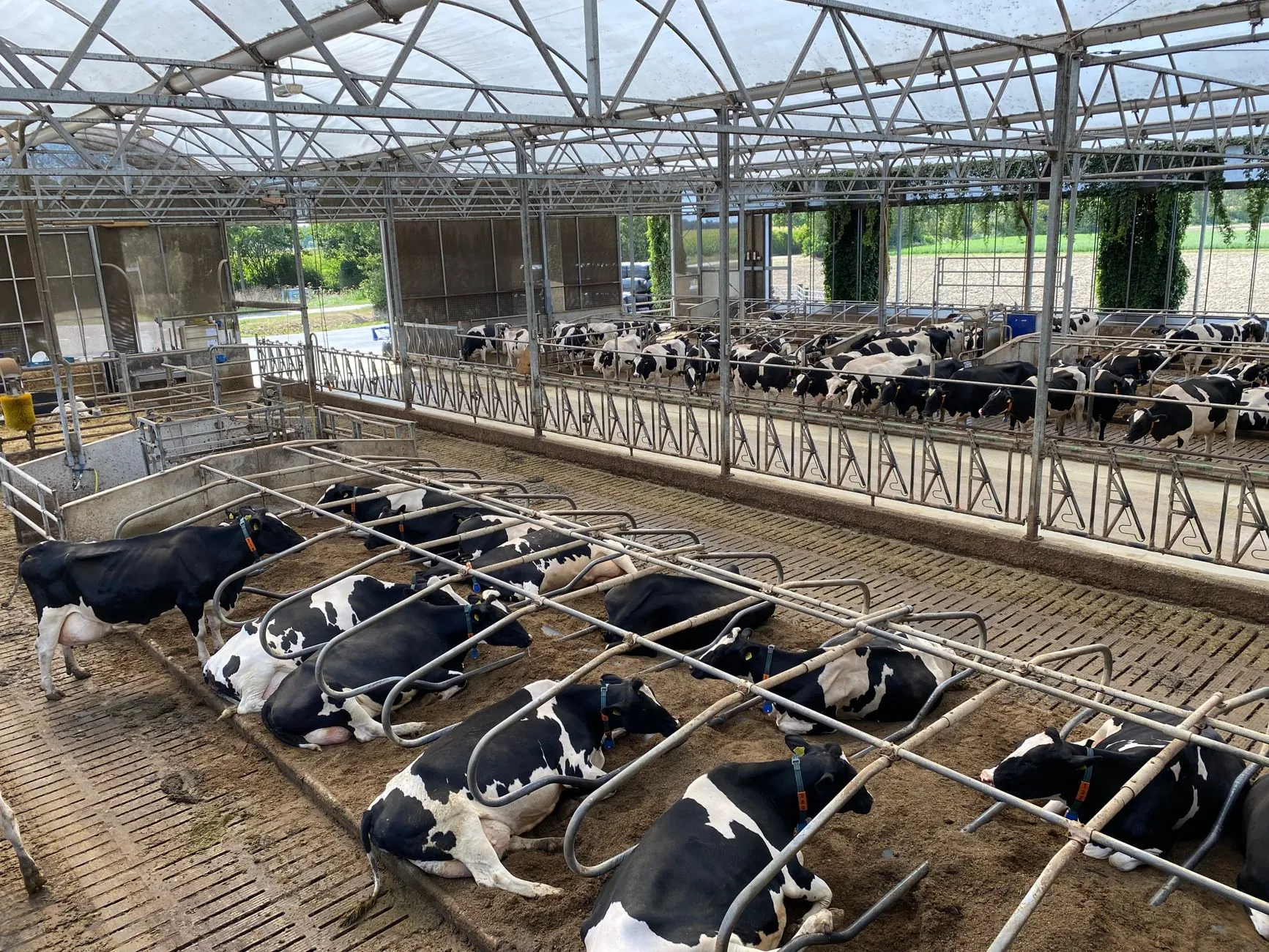
Dairy farming produces significant methane and other greenhouse gases from cow digestion and manure management. Consequently, emissions reductions in this category can materially affect a confectionery manufacturer's overall footprint. The partnership with Arla Foods provides Barry Callebaut with primary carbon data at farm level, enabling targeted interventions rather than relying on industry averages or estimates.
The project begins with skimmed milk powder sourced in the UK. However, it forms part of a broader effort to address low-carbon dairy farming across Barry Callebaut's supply chain. The company has previously stated it is working with suppliers and customers on approaches including feed additives and regenerative agriculture practices. This Arla collaboration is described as the first dedicated dairy project under that wider effort.
How the partnership will operate in practice
Arla Foods will provide annual primary carbon footprint data for the dairy volumes supplied to Barry Callebaut. This data will be linked to specific farm-level activities, offering visibility into the emissions profile of the milk powder entering Barry Callebaut's supply chain. The information is intended to help identify where emissions reductions can be achieved through changes in farming practices or feed management.
The three-year timeframe suggests a phased approach. Initially, the partnership will focus on establishing baseline measurements and data collection protocols. Subsequently, both companies will likely implement targeted interventions on participating dairy farms. These could include adjustments to feed composition, improved manure management systems, or other regenerative agriculture techniques.
Barry Callebaut has emphasized that the project will accelerate the rollout of decarbonization initiatives on dairy farms within the shared supply chain. This language indicates that the partnership may expand beyond measurement to include active support for on-farm emissions reduction projects. The extent of financial or technical support provided to participating farmers has not been publicly detailed.
For Arla Foods, the partnership aligns with its existing climate commitments and provides an opportunity to demonstrate emissions reductions within its UK dairy network. For Barry Callebaut, it offers a mechanism to address one of the most emissions-intensive ingredients in chocolate manufacturing. Milk powder is used extensively in milk chocolate products, making dairy sourcing a material consideration in the company's overall climate strategy.
Why agricultural supply chains dominate chocolate manufacturers' carbon footprints
Barry Callebaut reports that approximately 98% of its emissions sit in Scope 3, occurring upstream in its value chain. Agricultural ingredients account for the largest share of this footprint. This distribution is typical across food manufacturing, where raw material production and farming activities generate far more emissions than processing, packaging, or distribution.
Scope 3 FLAG emissions refer to emissions from forest, land, and agriculture activities. These include methane from livestock digestion, nitrous oxide from fertilizer application, and carbon dioxide from land use change. For companies like Barry Callebaut, FLAG emissions represent around 85% of total emissions, making them the critical focus area for any credible net-zero strategy.
Dairy farming is particularly emissions-intensive due to enteric fermentation in cattle. Cows produce methane as a byproduct of digesting feed, and this methane has a global warming potential significantly higher than carbon dioxide over shorter timeframes. Manure management also contributes methane and nitrous oxide emissions, particularly when manure is stored in lagoons or spread on fields without proper treatment.
UK businesses across the food sector are facing increased pressure to address agricultural emissions. Public procurement frameworks such as PPN 06/21 require suppliers to demonstrate carbon reduction plans, and these requirements increasingly extend to supply chain emissions rather than only direct operations. Companies that cannot provide credible data on agricultural sourcing may find themselves excluded from tenders or subject to additional scrutiny from customers and investors.
Moreover, the UK government has committed to reducing emissions from agriculture as part of its national net-zero target for 2050. This regulatory direction suggests that food manufacturers will face growing expectations to measure and reduce emissions from farming activities within their supply chains. Early action on dairy sourcing therefore offers both compliance benefits and competitive positioning.
What UK businesses should understand about this development
- Barry Callebaut and Arla Foods have launched a three-year partnership focused on reducing dairy emissions in the chocolate manufacturer's UK supply chain.
- The project will provide annual farm-level carbon footprint data for skimmed milk powder volumes supplied to Barry Callebaut.
- Approximately 98% of Barry Callebaut's emissions are Scope 3, with around 85% of total emissions linked to forest, land, and agriculture sources.
- The company has set a target to reduce Scope 3 FLAG emissions by 30.3% by 2030, with net-zero ambitions by 2050.
- Dairy farming produces significant methane and other greenhouse gases from cow digestion and manure management, making it a priority category for emissions reduction.
- The initiative represents a shift from broad sustainability commitments toward measurable supplier-level action supported by primary data.
What this signals about food sector climate accountability
The Barry Callebaut and Arla Foods partnership reflects a broader trend in corporate climate strategy. Companies are moving beyond factory-level emissions reductions to address the agricultural inputs that dominate their carbon footprints. This shift is driven by investor expectations, regulatory developments, and customer requirements, particularly in business-to-business relationships where procurement teams now routinely request supply chain emissions data.
For UK businesses supplying into food manufacturing or retail, this development suggests that agricultural emissions data will become a standard expectation. Companies that rely on agricultural ingredients should anticipate requests for primary carbon data linked to specific volumes or batches. Those unable to provide this information may face commercial disadvantages compared to competitors with better measurement systems.
The emphasis on farm-level data is particularly significant. Industry average emissions factors are increasingly seen as insufficient for credible climate reporting. Primary data linked to specific farms or production sites allows for more accurate measurement and enables targeted interventions. It also supports verification of emissions reductions over time, which is essential for meeting science-based targets or demonstrating compliance with customer requirements.
Regenerative agriculture practices are likely to feature prominently in future dairy sourcing strategies. These practices include improved grazing management, cover cropping, and soil health improvements. While regenerative agriculture can deliver emissions reductions and co-benefits such as improved water quality and biodiversity, it requires upfront investment and technical support. Businesses should consider whether their current supplier relationships and farming systems are positioned to adopt these practices.
Additionally, the three-year timeframe of the Barry Callebaut and Arla Foods project indicates that meaningful emissions reductions in agricultural supply chains require sustained effort. Quick wins are limited in dairy farming, where changes to herd management, feed composition, or manure handling take time to implement and measure. UK businesses should therefore plan for multi-year commitments when addressing agricultural emissions rather than expecting rapid results.
Finally, the project highlights the importance of collaboration between buyers and suppliers. Barry Callebaut is working directly with Arla Foods rather than simply switching to lower-carbon suppliers. This approach recognizes that emissions reductions often require joint investment and shared technical expertise. UK businesses may need to reconsider traditional procurement relationships and develop more collaborative models to achieve supply chain decarbonization.
Where to find further information on agricultural emissions and supply chain reporting
The UK government provides guidance on measuring and reporting greenhouse gas emissions through the government conversion factors for company reporting, which include emissions factors for agricultural activities and food products. These factors are updated annually and provide a starting point for businesses calculating their Scope 3 emissions.
For businesses working toward net-zero targets or responding to procurement requirements such as PPN 06/21, our net-zero program for carbon reporting compliance provides support with measurement, target setting, and supplier engagement. Many UK SMEs find that agricultural supply chain emissions are their largest carbon challenge, particularly in food manufacturing and hospitality sectors.
The UK net zero strategy sets out the government's approach to reducing emissions across the economy, including specific measures for agriculture and land use. Understanding this policy direction helps businesses anticipate future regulatory requirements and align their supply chain strategies with national climate commitments.
Additionally, the Climate Change Act 2008 establishes the legal framework for UK emissions reductions and has been amended to include the 2050 net-zero target. This legislation underpins many of the reporting and procurement requirements that UK businesses now face.