
Barry Callebaut partners with Arla Foods to reduce climate emissions
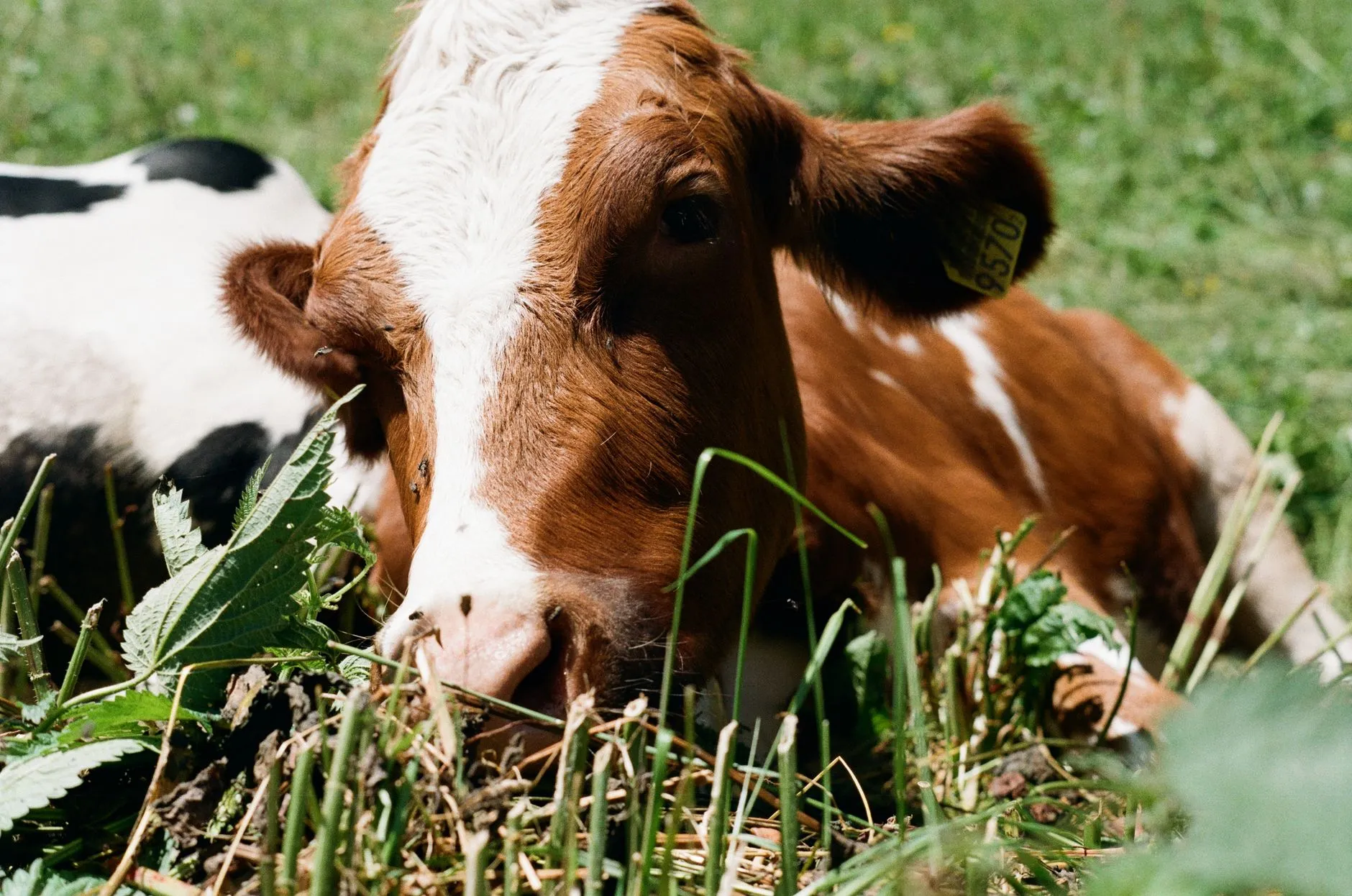
Barry Callebaut and Arla Foods build farm-level dairy emissions partnership
Barry Callebaut has started its first climate partnership focused on dairy with Arla Foods. The three-year collaboration targets emissions in the milk supply chain. It also aims to improve visibility into carbon data at farm level, linked directly to dairy volumes supplied to the chocolate maker.
The initiative begins with skimmed milk powder sourced in the UK. It forms part of Barry Callebaut's wider Scope 3 emissions-reduction strategy. For UK businesses tracking supply chain emissions, the partnership offers a working example of how food manufacturers are building granular data into supplier relationships.
This matters because dairy represents a significant ingredient in milk chocolate. Upstream dairy emissions form a meaningful part of food companies' Scope 3 footprint. By requesting farm-level footprint data rather than aggregated supplier figures, Barry Callebaut signals a more detailed approach to supply chain decarbonisation.
The partnership model and what Arla will provide
The collaboration appears to sit within Barry Callebaut's broader FarmAhead customer-partnership approach. The company uses this framework to accelerate decarbonisation across its supply chains. In practical terms, Arla will provide annual primary carbon footprint data at farm level for the dairy volumes it supplies to Barry Callebaut.
This enables the chocolate maker to measure and act on upstream emissions from dairy ingredients more accurately. The data will be tied to actual volumes delivered, not industry averages or proxy estimates. Consequently, Barry Callebaut gains a clearer picture of where emissions arise within its dairy supply chain.
The partnership was reported on 3 and 4 September 2026 across trade and financial outlets. It is described as Barry Callebaut's first dairy partnership focused specifically on climate emissions reduction. The project is planned to run for three years, with initial implementation starting with skimmed milk powder sourced in the UK.
Barry Callebaut has previously stated its climate strategy includes a long-term net zero ambition by 2050. The company has set interim decarbonisation targets across Scopes 1, 2 and 3. Its sustainability disclosures emphasise that it tracks its corporate carbon footprint annually and pursues a net zero pathway validated by the Science Based Targets initiative.
How this fits the wider shift in food supply chain accountability
The deal reflects a broader industry pattern. Large food manufacturers are increasingly using supplier partnerships, data transparency and insetting-style initiatives to lower emissions in commodity supply chains. This approach differs from relying solely on offsets purchased outside the value chain.
For Barry Callebaut, this is consistent with its stated focus on decarbonising its footprint in line with the Paris Agreement. The company's 2050 net zero goal requires action across all major ingredient categories, not just cocoa. Dairy is a logical next step given its emissions intensity and the volumes used in milk chocolate production.
The partnership also demonstrates how measurement and transparency are becoming prerequisites for supplier relationships. Businesses that supply ingredients to large food manufacturers may increasingly be asked to provide farm-level or site-level carbon data. This trend is particularly relevant for UK SMEs supplying the food and drink sector.
Moreover, the focus on primary data rather than modelled estimates reflects growing pressure for accuracy in Scope 3 reporting. Regulators, investors and customers expect companies to move beyond generic emissions factors. They want evidence of actual performance improvements within supply chains.
What UK businesses supplying the food sector should note
First, the partnership extends Barry Callebaut's climate strategy beyond cocoa into dairy. This shows that emissions reduction is being applied across ingredient categories rather than to a single raw material. Suppliers across multiple commodity streams should expect similar scrutiny over time.
Second, the initiative introduces a more data-driven model for supplier collaboration. Farm-level carbon footprint data helps identify emissions hot spots and supports on-farm interventions. For suppliers, this means measurement and reporting capabilities are becoming commercial requirements, not optional extras.
Third, the partnership is structured over three years. This suggests Barry Callebaut expects sustained engagement and iterative improvement, not one-off data submissions. Suppliers should prepare for ongoing monitoring and may need to demonstrate year-on-year progress.
Fourth, the use of primary data raises questions about measurement standards and comparability. Suppliers need to understand which methodologies and emissions factors are acceptable to customers. In addition, they may need external verification or assurance to meet buyer requirements.
The likely impact is strongest in transparency and measurement at this stage. The partnership may not immediately transform Barry Callebaut's total footprint. However, it creates a structure for repeated measurement, targeted action and eventual emissions reductions in a hard-to-abate part of the food supply chain.
Practical considerations for UK food suppliers and ingredient producers
UK businesses supplying dairy, meat, cereals or other agricultural ingredients should consider several practical steps. Many food manufacturers are likely to follow similar paths to Barry Callebaut in the coming years. Therefore, suppliers who build measurement and reporting capability early will be better positioned in tender processes and contract renewals.
Measurement systems are the starting point. Suppliers need to understand their own emissions at product or batch level. For agricultural producers, this typically means calculating emissions from energy use, fertiliser application, livestock digestion and manure management. Carbon accounting tools and standards exist, but applying them consistently requires training and often external support.
Data collection processes must be robust and auditable. Buyers increasingly want evidence, not estimates. Consequently, suppliers should establish systems to record inputs, activities and outputs that drive emissions. This includes energy bills, fertiliser receipts, feed records and transport logs.
Reporting capability is equally important. Suppliers should be able to present carbon footprint data in formats that align with customer requirements. In many cases, this means annual submissions tied to specific volumes delivered. It may also require third-party verification or alignment with recognised standards such as PAS 2050 or the GHG Protocol.
Some suppliers may need to invest in on-site improvements to reduce emissions. Examples include energy efficiency measures, renewable energy installations, precision agriculture techniques or changes to livestock feed. These interventions can lower both emissions and operating costs over time.
Finally, suppliers should consider how their carbon performance affects competitiveness. As more buyers adopt data-driven supplier partnerships, low-carbon suppliers may gain preference in procurement decisions. This is particularly relevant for businesses seeking to supply public sector contracts, where carbon reduction is increasingly weighted in tender evaluations.
For SMEs, the challenge is balancing investment in measurement and reduction against immediate cost pressures. However, businesses that delay may find themselves excluded from supply chains as carbon accountability becomes a standard commercial requirement. Our compliance support services help suppliers build the reporting systems and evidence frameworks that buyers now expect.
Key details about the Barry Callebaut and Arla Foods partnership
- The partnership was announced in early September 2026 and is described as Barry Callebaut's first dairy-focused climate collaboration.
- Arla Foods will provide annual primary carbon footprint data at farm level for dairy volumes supplied to Barry Callebaut over a three-year period.
- The initiative begins with skimmed milk powder sourced in the UK and forms part of Barry Callebaut's Scope 3 emissions reduction strategy.
- Barry Callebaut has committed to net zero by 2050 with interim decarbonisation targets validated by the Science Based Targets initiative.
- The partnership reflects a broader industry shift towards supplier accountability and granular emissions data rather than reliance on offsets or industry averages.
- Suppliers to food manufacturers should expect similar requirements for farm-level or site-level carbon data as transparency standards tighten across the sector.
How this affects supply chain emissions strategies in practice
The Barry Callebaut and Arla Foods partnership is significant as a signal of direction rather than an immediate operational transformation. It shows how major food companies are tightening supplier accountability in response to climate pressure. For UK businesses, the implications extend beyond chocolate and dairy to any sector with complex, emissions-intensive supply chains.
Scope 3 emissions represent the largest portion of most food companies' carbon footprints. These are the indirect emissions from purchased goods, transport, waste and other value chain activities. Measuring and reducing Scope 3 emissions is difficult because companies do not directly control supplier operations. Nevertheless, investors, regulators and customers increasingly expect progress.
Primary data from suppliers helps address this challenge. Instead of using generic emissions factors, companies can track actual performance at farm or factory level. This enables targeted interventions where emissions are highest. It also provides evidence for reporting frameworks such as the Carbon Disclosure Project or the Task Force on Climate-related Financial Disclosures.
For suppliers, this creates both risk and opportunity. Businesses that cannot provide credible emissions data may lose contracts. Conversely, suppliers that demonstrate low emissions or year-on-year improvements may gain competitive advantage. In some sectors, carbon performance is already factored into procurement scoring alongside price and quality.
The partnership also highlights the role of multi-year collaboration. Three-year timelines suggest buyers understand that emissions reduction takes sustained effort. Suppliers should expect ongoing engagement, regular reporting and iterative improvement rather than one-off compliance exercises. This requires internal capacity for data collection, analysis and communication.
Furthermore, the focus on farm-level data points to a wider trend in agricultural supply chains. Precision agriculture, regenerative farming and low-emission livestock systems are becoming commercially relevant, not just environmental aspirations. Suppliers who adopt these practices may benefit from premium pricing, contract security or access to new markets.
UK businesses supplying the food sector should review their own supply chain emissions strategies in light of these trends. This includes understanding which customers are likely to request carbon data, what measurement standards they expect, and what internal systems are needed to respond. It also means considering whether emissions reduction investments can improve both environmental performance and commercial competitiveness.
Our net zero programme supports businesses with carbon reporting, supplier engagement and Scope 3 measurement. We work with SMEs to build the reporting frameworks that meet customer requirements and prepare for tightening expectations across public and private sector supply chains.
Where to find further information and official guidance
Businesses seeking detailed guidance on supply chain emissions measurement should consult the government's energy and climate change guidance for businesses. This includes information on energy efficiency, carbon reporting and support schemes available to UK companies.
The UK hydrogen strategy and related decarbonisation policies set out the government's wider approach to net zero. These documents provide context for sectoral emissions targets and the policy environment affecting supply chains.
For agricultural suppliers, the Sustainable Farming Incentive guidance outlines support available for low-carbon farming practices. This includes payments for actions that reduce emissions, improve soil health and enhance biodiversity.
Businesses required to report under the Streamlined Energy and Carbon Reporting framework should refer to official SECR guidance. This explains reporting thresholds, calculation methodologies and disclosure requirements for quoted companies, large unquoted companies and large LLPs.
The Science Based Targets initiative provides resources and validation services for companies setting emissions reduction targets aligned with climate science. Many large buyers now expect their suppliers to understand and work towards science-based targets, even if formal validation is not required.