
Why Biogenic CO₂ Could Become a New Revenue Stream for Pulp Mills
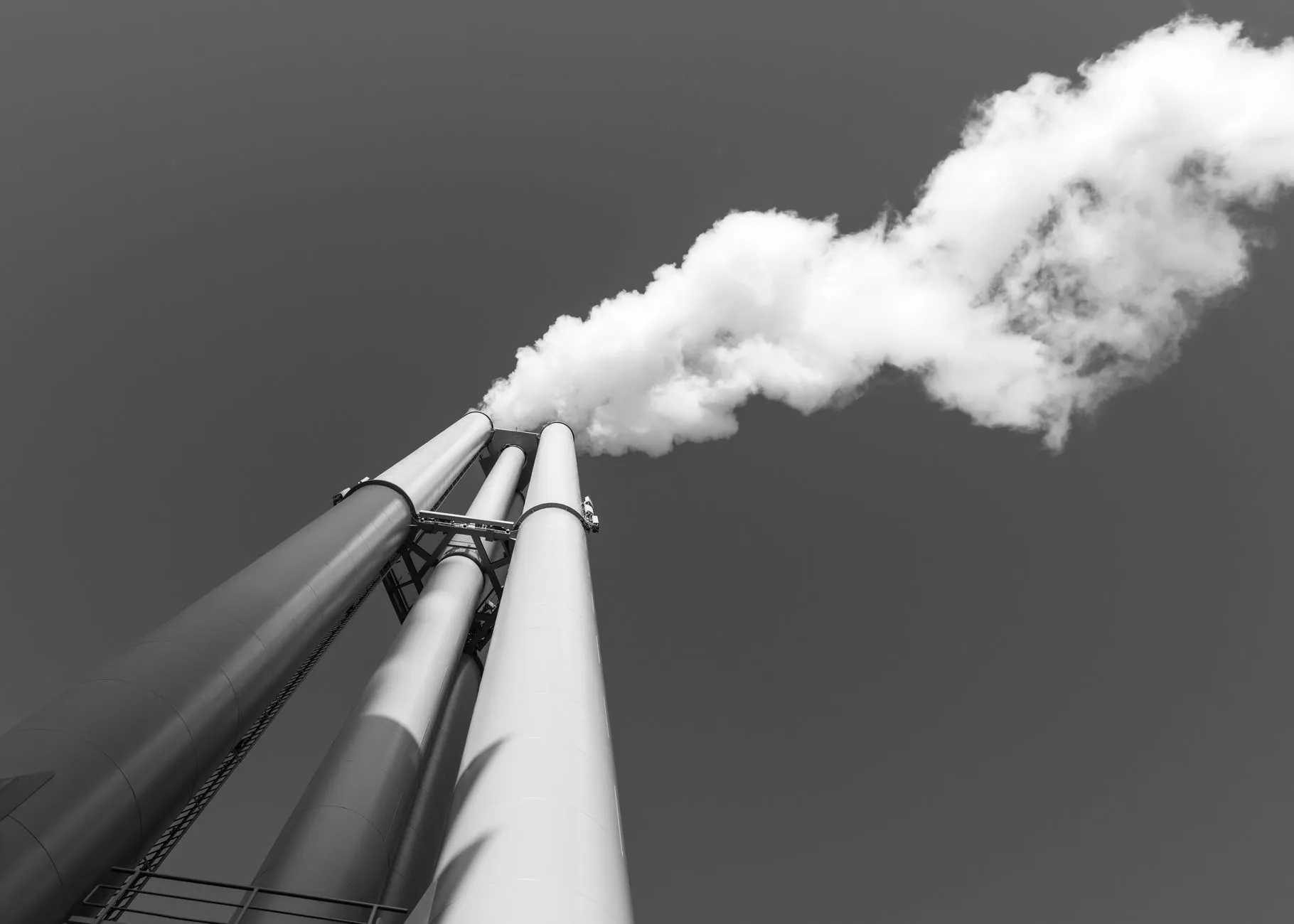
Pulp mills emerge as carbon removal suppliers
Biogenic CO₂ from pulp and paper mills is now being treated as a tradable commodity in low-carbon markets. Recent project announcements suggest this could create a new revenue stream for mills with access to capture and storage infrastructure. The shift reflects growing demand for permanent carbon removal and synthetic fuel feedstocks.
Pulp mills are attractive candidates for carbon capture because most of their stack emissions come from biomass combustion. This makes the CO₂ biogenic rather than fossil-derived. In North America, industry estimates suggest the pulp and paper sector could provide up to 130 million tonnes of carbon removal capacity each year. Average mill emissions are reportedly 80 to 90 per cent biogenic.
The commercial logic has moved beyond traditional emissions reduction. Captured biogenic CO₂ can now serve two distinct markets. It can be sold as a feedstock for synthetic fuels. Alternatively, it can be permanently sequestered underground and sold as carbon removal credits. This dual market structure gives mills more options for monetising what was previously a waste stream.
Microsoft announces major carbon removal contract
A significant milestone arrived in April 2025. CO280 announced a long-term offtake agreement with Microsoft to purchase 3.685 million tonnes of carbon dioxide removals over 12 years. The supply will come from a U.S. pulp and paper mill project. CO280 described the agreement as one of the largest engineered carbon removal purchases to date.
The project will capture and permanently store biogenic carbon emissions from the mill. This type of arrangement demonstrates that corporate buyers are willing to commit to multi-year contracts for verified carbon removal. Microsoft's involvement signals that demand for durable removal is moving from niche to scale.
In June 2025, CO280's CEO told S&P Global that up to 90 per cent of biogenic CO₂ emissions from pulp mills could be captured. He said these emissions could generate significant revenue in carbon markets. The same report identified about 277 pulp mills across Europe and North America with combined biogenic emissions of roughly 177 million metric tonnes of CO₂ per year.
S&P Global calculated potential sector revenue based on capture rates and carbon credit prices. If 90 per cent of emissions were captured and sold at between $150 and $350 per metric tonne, the sector could generate nearly $3 billion in CO₂ removal credits annually. These figures assume favourable policy conditions and functioning carbon markets.
Two commercial pathways for biogenic carbon
Industry analysis now frames biogenic CO₂ as a premium decarbonisation commodity. Mills can pursue two distinct pathways depending on local infrastructure and market access. The first pathway involves supplying CO₂ for synthetic fuel production. This requires proximity to e-fuel producers and transport infrastructure.
The second pathway focuses on permanent geological sequestration. Mills capture the CO₂, compress it, and transport it to storage sites. Once verified as permanently stored, the removal generates carbon credits that can be sold to corporate buyers or traded in compliance markets. This pathway requires access to suitable geology and regulatory approval for storage projects.
Both pathways depend on concentrated CO₂ streams and competitive capture costs. Pulp mills already produce high-purity biogenic emissions from biomass boilers and recovery furnaces. This makes them more economical capture candidates than many industrial facilities. However, the business case still requires policy support or sufficiently high carbon prices to cover capital and operating costs.
Some mills are better positioned than others. Those with existing energy infrastructure, access to geological storage, or proximity to CO₂ transport networks face lower marginal costs. Mills in regions with strong carbon pricing or removal incentives can achieve faster payback. Geography and regulation therefore determine which mills can monetise this opportunity first.
Economic implications for the pulp sector
The emergence of biogenic CO₂ markets could reshape mill economics in several ways. First, it creates a new revenue stream independent of paper or pulp prices. This diversification could support capital investment without relying solely on traditional product margins. Mills operating in mature or declining paper markets may find this particularly valuable.
Second, carbon capture could reduce compliance costs under emissions trading schemes such as the EU ETS. Mills that capture and store biogenic CO₂ can lower their net emissions and potentially sell surplus allowances. In jurisdictions with carbon pricing, this dual benefit improves the financial case for capture investment.
Third, long-term offtake agreements provide revenue certainty that can underpin project finance. Microsoft's 12-year contract with CO280 demonstrates that corporate buyers will commit to multi-year purchasing. This type of commitment reduces revenue risk and makes it easier to secure debt financing for capture infrastructure.
However, the opportunity is not evenly distributed. Mills in regions without carbon pricing, geological storage, or policy support face weaker economics. Transport costs for CO₂ can be high if storage sites are distant. Verification standards for carbon removal credits vary by jurisdiction, which affects credit value and buyer confidence. Mills must therefore assess their specific circumstances before committing capital.
The market for carbon removal is still developing. Prices vary widely depending on buyer type, contract structure, and credit certification. Corporate voluntary buyers often pay premium prices for high-quality removal credits. Compliance markets may offer lower prices but greater volume. Mills need to understand both markets to optimise revenue.
Policy and infrastructure requirements
Scaling biogenic CO₂ capture from pulp mills depends on several enabling conditions. First, geological storage capacity must be available and accessible. This requires regulatory frameworks that permit CO₂ injection and long-term monitoring. Not all regions have suitable geology or established permitting processes.
Second, transport infrastructure is essential for mills located far from storage sites or e-fuel facilities. Pipeline networks, shipping terminals, or rail transport all require coordination and investment. In some regions, shared infrastructure could reduce costs for multiple mills. In others, individual projects may need to build dedicated transport.
Third, carbon pricing or removal incentives must be strong enough to justify investment. Voluntary carbon markets provide one source of revenue, but prices can be volatile. Compliance markets offer more stability if removal credits are recognised. Government subsidies or tax credits can close financing gaps in early projects.
Fourth, verification standards must be robust and widely accepted. Buyers need confidence that biogenic CO₂ is truly permanent and that removal is accurately measured. Certification bodies such as Puro.earth and standards such as ISO 14064 provide frameworks, but harmonisation across jurisdictions remains incomplete. Mills entering this market should expect significant due diligence from buyers.
Finally, mills need technical capacity to operate capture equipment and manage CO₂ streams. This may require new skills, partnerships with technology providers, or external operating support. Training and knowledge transfer will be important as the sector scales.
What UK mills should consider
UK pulp and paper mills operate in a jurisdiction with carbon pricing through the UK Emissions Trading Scheme. This creates a compliance incentive for emissions reduction. However, the availability of geological storage and transport infrastructure varies by location. Mills near industrial clusters with CO₂ infrastructure may have better access to sequestration pathways.
Mills should first assess the biogenic content of their emissions. Facilities burning high proportions of biomass or using recovery boilers will have the strongest removal potential. Those burning mixed fuels or relying on grid electricity will see less benefit. An emissions audit can quantify the capturable biogenic CO₂ and identify the most concentrated sources.
Next, mills should evaluate proximity to storage sites or e-fuel producers. The East Coast and North Sea regions have developing CO₂ storage infrastructure. Mills located near these networks may face lower transport costs. Those in other regions should explore pipeline extensions, shipping options, or onsite utilisation.
Commercial viability depends on carbon credit prices and offtake demand. Mills should model scenarios with different price assumptions and contract structures. Long-term agreements with corporate buyers provide revenue certainty but may lock in prices. Spot market sales offer flexibility but expose mills to price volatility. A blended approach may balance risk and return.
Mills should also consider how carbon capture aligns with broader sustainability commitments. Many customers and investors now expect measurable emissions reductions. Capture projects can support net-zero targets and improve environmental credentials. This can strengthen tender competitiveness, especially in public procurement where carbon performance is increasingly weighted.
Regulatory compliance is critical. Mills must understand how carbon removal credits are treated under UK ETS rules and whether capture qualifies for revenue support. Planning permission for capture equipment and storage connections may require environmental impact assessments. Early engagement with regulators can identify obstacles and streamline approvals.
Finally, mills should explore partnership opportunities. Technology providers, storage operators, and project developers can share risk and provide technical expertise. Joint ventures or service contracts can reduce upfront capital requirements. Industry consortia may also help mills access shared infrastructure or negotiate better offtake terms.
Key details at a glance
- Microsoft signed a 12-year contract with CO280 to purchase 3.685 million tonnes of carbon dioxide removals from a U.S. pulp mill project, announced in April 2025.
- Industry estimates suggest North American pulp and paper mills could provide up to 130 million tonnes of carbon removal capacity annually, with 80 to 90 per cent of emissions being biogenic.
- Approximately 277 pulp mills across Europe and North America emit around 177 million metric tonnes of biogenic CO₂ each year, according to S&P Global reporting.
- If 90 per cent of this CO₂ were captured and sold at $150 to $350 per metric tonne, the sector could generate nearly $3 billion in annual carbon removal revenue.
- Biogenic CO₂ from pulp mills can be sold into two markets: as feedstock for synthetic fuels or as permanent carbon removal through geological sequestration.
- Economic viability depends on policy support, carbon credit prices, access to storage infrastructure, and verification standards for removal credits.
Practical steps for mills exploring this opportunity
Mills interested in monetising biogenic CO₂ should start with a technical and commercial feasibility study. This should quantify capturable emissions, assess capture technology options, and model financial returns under different scenarios. Early-stage analysis helps identify deal-breakers before committing significant resources.
Engaging with potential offtake buyers is essential. Corporate voluntary buyers often seek high-quality removal credits with strong verification. Compliance markets may offer lower prices but greater volume certainty. Understanding buyer requirements helps mills design projects that meet market demand and secure favourable contract terms.
Mills should also investigate available funding and support. Government grants, carbon finance instruments, and strategic partnerships can reduce capital requirements. Some regions offer specific support for industrial decarbonisation or carbon capture projects. Identifying these early can improve project economics and reduce financial risk.
Collaboration with other mills or industrial facilities may unlock shared infrastructure benefits. Joint CO₂ transport networks or storage facilities can spread costs and improve commercial viability. Industry associations or regional clusters can facilitate these discussions and coordinate collective approaches.
Finally, mills should build internal capability to manage carbon projects. This includes understanding verification standards, managing offtake contracts, and operating capture equipment. Training staff or hiring specialists ensures that projects deliver expected emissions reductions and revenue. Strong project governance also builds buyer confidence and supports long-term contract renewals.
The opportunity to monetise biogenic CO₂ is real but requires careful assessment of local conditions, market access, and project economics. Mills that act early and build the right partnerships may secure premium offtake agreements before the market becomes more competitive. Those that wait may face higher costs or less favourable contract terms as infrastructure capacity fills.
Further information and guidance
For detailed guidance on carbon reporting and net-zero compliance, including Scope 1 emissions from biomass combustion, see our net-zero program for carbon reporting compliance. Mills considering carbon capture projects should ensure they have robust emissions measurement and verification processes in place before entering offtake negotiations.
The UK government provides policy updates and consultations on carbon capture and storage through the Department for Energy Security and Net Zero. This includes information on infrastructure investment, regulatory frameworks, and support schemes for industrial decarbonisation.
The UK Emissions Trading Scheme sets out how emissions are regulated and traded in the UK. Mills should review how carbon removal credits interact with ETS obligations and whether capture projects qualify for compliance credit generation.
For technical standards on carbon removal verification, the British Standards Institution provides guidance on greenhouse gas quantification and reporting under ISO 14064. This standard is widely referenced in offtake contracts and can help mills meet buyer due diligence requirements.
Industry collaboration and knowledge sharing are facilitated by organisations such as the Institute of Environmental Management and Assessment, which offers resources on industrial emissions management and carbon markets. Mills can access case studies, technical guidance, and networking opportunities to support project development.