
How Breedr Is Forming Sustainable Agricultural Supply Chains
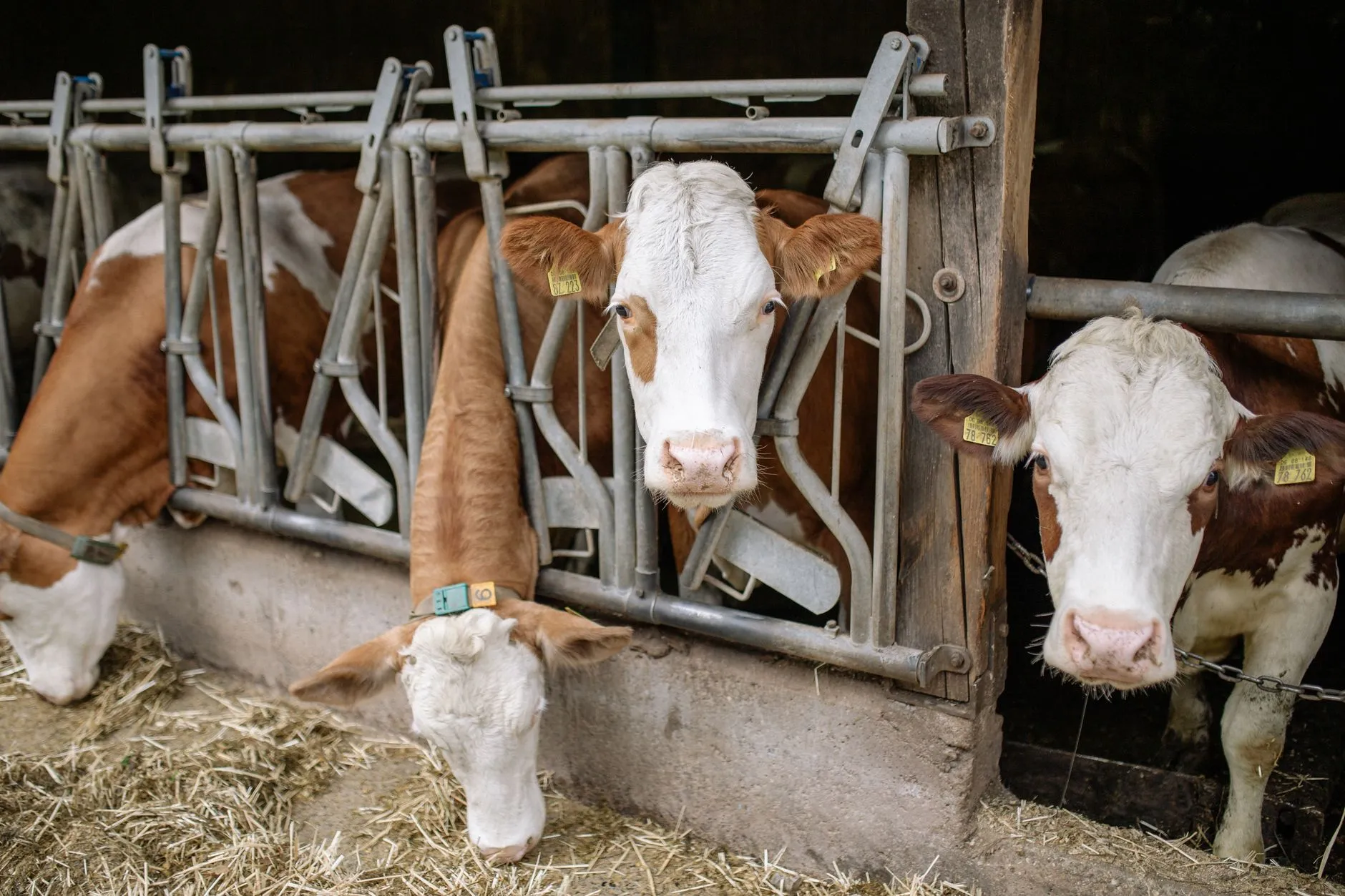
Breedr's digital cattle platform targets traceability and emissions across beef supply chains
A London-founded livestock data business is now tracking 2 million cattle and positioning itself as a supply-chain infrastructure layer for the global beef sector. Breedr assigns a digital record to each animal, uses AI to predict growth, and links farm-level data to trading and finance tools. The company raised $27 million in August 2024 and says the platform helps farmers finish cattle faster, use less feed, and cut emissions.
For UK businesses involved in food production, hospitality, or procurement, the development matters because traceability and carbon reporting are increasingly expected by buyers and regulators. Breedr's model offers an example of how digital systems can connect farm performance to supply-chain transparency. However, its sustainability claims remain company-reported rather than independently verified.
Company background and funding trajectory
Breedr started in 2018 as a livestock management platform. It has since expanded from London into Austin, Texas, and now operates across multiple markets. The company's early pitch focused on helping farmers use data to improve herd decisions. Over time, it added marketplace and finance features to create a combined system.
In 2019, Breedr raised £2.2 million in seed funding led by LocalGlobe. The round was intended to help farmers digitise animal records and make better use of performance data. By 2022, the company had raised £12 million in equity and debt led by Investbridge Capital, bringing total disclosed funding at that point to £17.5 million.
The most recent round was a $27 million Series B announced in August 2024. Partech's impact fund led the financing, with participation from Latitude, LocalGlobe, and Outsiders Fund. Total disclosed funding now stands at approximately $46.6 million. The company says it will use the capital to hire, onboard more farmers, and expand data capture from genetics through to on-farm measurements.
How Breedr's platform operates
Each animal on the platform receives a digital record. That record follows the animal through its life and across different holdings. Data captured includes weight, health interventions, breeding history, and movement between farms. The system replaces paper-based record keeping with a persistent digital file that can be updated in real time.
Farmers use the platform to track growth rates, compare animals, and make decisions on feeding, breeding, and sale timing. The company says AI models analyse individual animal data to predict future performance and flag potential health issues. This information is intended to help producers intervene earlier and finish cattle more efficiently.
Breedr's business model now combines three components. First, the livestock management software provides farm-level data capture and analysis. Second, an AI-verified marketplace allows farmers to list cattle for sale with supporting data. Third, embedded finance tools offer working capital linked to the value of livestock records. The integration is designed to reduce reliance on traditional auction systems, where animals are assessed visually and records are incomplete.
Reported performance claims and scale
Breedr says the platform now tracks 2 million cattle and connects thousands of farmers. The company has stated a long-term ambition to cover the global beef supply chain's estimated 1.3 billion cattle. Current geographic focus includes the UK and US markets, with expansion planned as the platform scales.
On productivity, Breedr claims farmers using its tools finish cattle five months earlier on average. The company also reports average feed savings of 1.8 tonnes per head. These figures are presented as outcomes from improved data visibility, allowing producers to identify slower-growing animals and adjust feeding strategies.
Regarding emissions, Breedr states the platform helps users achieve an average 17% reduction in carbon intensity per animal. Top-performing farmers reportedly reach 28% reductions. The company attributes these gains to shorter finishing times, better feed conversion, and fewer days on farm. Importantly, these figures are company-reported. There is no indication in available material that the claims have been independently verified by third parties or subjected to peer review.
Nevertheless, the direction of travel aligns with sector-wide pressure to improve emissions performance. Shorter finishing times and better feed efficiency do reduce resource use per kilogram of meat. The question for businesses evaluating the platform is whether reported gains translate consistently across different production systems and farm types.
Why traceability and emissions data matter for UK businesses
UK food businesses face increasing pressure to prove the provenance of their supply chains. Retailers, hospitality groups, and public sector buyers now routinely ask suppliers for carbon data, antibiotic use records, and evidence of animal welfare standards. Without that information, producers risk losing access to higher-value contracts.
Traceability is also becoming a compliance issue. The government has signalled its intention to tighten sustainability reporting requirements for larger businesses, and ESG compliance frameworks now treat supply-chain emissions as a material risk. For food companies, that means understanding the carbon intensity of purchased ingredients, including beef.
Breedr's model addresses both issues by creating a data trail for each animal. If a buyer asks for emissions data or antibiotic records, the information exists in a structured format. That capability matters for producers supplying UK retailers or bidding for public sector catering contracts, where sustainability criteria are increasingly weighted in procurement decisions.
Finance is another pressure point. Many livestock farmers operate with limited working capital, relying on sales to fund the next cycle of purchases. Traditional lenders struggle to assess livestock value without standardised data. Breedr's embedded finance tools link credit to animal records, potentially improving access to working capital. For SMEs in the supply chain, that could mean more predictable cash flow and better relationships with primary producers.
Commercial implications for food supply chains
The platform's significance lies in how it connects farm-level data to commercial transactions. Historically, cattle markets have operated on visual assessment and trust. Buyers evaluate animals at auction or on farm, with limited information on genetics, health history, or performance. Prices reflect perceived quality, not documented evidence.
Breedr's marketplace changes that dynamic by attaching data to each listing. Buyers can see growth rates, feed conversion, and lineage before making an offer. The company argues this reduces information asymmetry and allows better-performing animals to command a premium. For producers, the benefit is the ability to demonstrate quality through data rather than reputation alone.
For businesses sourcing beef, the implications are twofold. First, improved traceability makes it easier to meet retailer and regulatory requirements. Second, data-backed sourcing could reduce quality variation and improve consistency across batches. Both factors matter for businesses managing reputational risk or trying to differentiate on sustainability credentials.
However, adoption depends on critical mass. The platform's value increases as more farmers and buyers join the network. At 2 million cattle, Breedr represents a small fraction of the global herd. Whether the model scales depends on farmer willingness to share data, integration with existing supply chains, and the ability to demonstrate financial returns that justify the effort of data entry.
Broader context for livestock digitisation
Breedr is part of a wider trend towards precision agriculture. Other sectors, including dairy, poultry, and arable farming, have seen similar moves to replace manual record keeping with connected systems. The underlying logic is the same: better data leads to better decisions, which in turn improve resource efficiency and reduce waste.
In livestock, digitisation has historically lagged behind crop production. Animals move between holdings, making it harder to maintain consistent records. Farmers may be reluctant to share performance data with buyers or competitors. Technology adoption in agriculture also tends to be slower than in other sectors, particularly among smaller producers with limited capital for software investment.
Breedr's approach tries to address these barriers by making the platform free for farmers and monetising through marketplace transactions and finance services. That business model aligns farmer incentives with platform adoption, though it also means the company must achieve scale before revenue justifies the infrastructure investment.
For UK businesses watching these developments, the takeaway is that supply-chain data is becoming infrastructure, not a nice-to-have. Whether Breedr becomes the dominant platform or not, the direction of travel is clear: traceability and emissions data will increasingly be expected as standard, and businesses without access to that information will face competitive disadvantage.
What UK businesses should consider
Food companies sourcing beef should evaluate whether their current suppliers can provide the level of traceability now expected by buyers and regulators. If not, platforms like Breedr offer a potential route to better data visibility. The questions to ask are whether the supplier base is willing to adopt digital record keeping, how the data integrates with existing procurement systems, and whether the cost of improved traceability is justified by risk reduction or commercial advantage.
For producers, the decision is whether to invest time in data entry and platform adoption in exchange for potential access to better financing and higher-value markets. That calculation depends on farm size, current record-keeping practices, and whether buyers are actively demanding traceability data. Smaller producers may find the effort harder to justify unless there is a clear premium for traceable, lower-carbon beef.
Businesses developing carbon reporting programs should pay attention to how livestock data platforms affect Scope 3 emissions calculations. Beef is often a material source of supply-chain emissions for food companies. Access to farm-level data could improve the accuracy of those calculations and help identify reduction opportunities. That matters for businesses preparing for mandatory climate reporting or seeking to demonstrate progress against net-zero commitments.
Finally, hospitality and retail businesses should consider how traceability and sustainability data affect their market positioning. Consumers and corporate buyers are increasingly interested in provenance, welfare standards, and environmental performance. Platforms that provide verifiable data on those factors offer a way to substantiate claims that might otherwise be dismissed as greenwashing. However, businesses should be cautious about relying on company-reported emissions figures without independent verification.
Key facts about Breedr's platform and funding
- Breedr was founded in London in 2018 and now operates from Austin, Texas, serving farmers in multiple markets.
- The company raised $27 million in Series B funding in August 2024, bringing total disclosed funding to approximately $46.6 million.
- The platform currently tracks 2 million cattle and connects thousands of farmers across its network.
- Breedr combines livestock management software, an AI-verified marketplace, and embedded finance tools in a single system.
- The company reports that users finish cattle five months earlier on average, save 1.8 tonnes of feed per head, and achieve 17% average emissions reductions, though these claims are not independently verified.
- Breedr's stated long-term goal is to extend coverage to the global beef supply chain's estimated 1.3 billion cattle.
Next steps for businesses evaluating livestock traceability
Businesses sourcing beef or other livestock products should start by mapping current traceability capabilities in their supply chains. Identify which suppliers can provide farm-level data on emissions, antibiotic use, and animal welfare, and which cannot. That audit will highlight gaps that need addressing before mandatory reporting requirements arrive or buyers demand more detailed sustainability evidence.
Consider whether your procurement specifications need updating to require traceability data as standard. Many businesses still rely on supplier declarations rather than verifiable records. Moving to data-backed sourcing takes time, so early engagement with suppliers on expectations and capabilities is worthwhile. Platforms like Breedr offer one route to better data, but adoption depends on supplier willingness and integration with your own systems.
For businesses with net-zero commitments, improving the accuracy of Scope 3 emissions data should be a priority. Livestock emissions are often estimated using industry averages, which may not reflect actual performance. Access to farm-level data allows more precise calculations and better identification of reduction opportunities. That matters for businesses seeking to demonstrate credible progress on climate targets.
Finally, keep an eye on regulatory developments. The UK government continues to develop policy on supply-chain transparency, carbon reporting, and sustainable sourcing. Businesses that invest in traceability infrastructure now will find it easier to comply with future requirements. Those that wait risk scrambling to catch up when new rules take effect.
Where to find more information on livestock traceability and sustainability
The Department for Environment, Food and Rural Affairs publishes guidance on cattle traceability requirements for UK producers, including details on tagging, record keeping, and movement reporting. This is the primary regulatory reference for businesses working with UK livestock.
The Agriculture and Horticulture Development Board provides sector-specific resources on beef production, including data on emissions intensity, feed efficiency, and market trends. Their material is useful for understanding the baseline performance of UK beef systems.
For broader context on emissions from livestock, the Climate Change Committee's land use and agriculture analysis outlines the sector's contribution to UK emissions and policy options for reduction. This provides the regulatory and policy backdrop against which platforms like Breedr are operating.
Businesses developing carbon reporting programs may also find value in the Greenhouse Gas Protocol's Scope 3 calculation guidance, which covers supply-chain emissions accounting for food and agriculture sectors. This is the widely accepted standard for corporate climate reporting.