
Building decarbonization blueprint emphasises emissions beyond operations
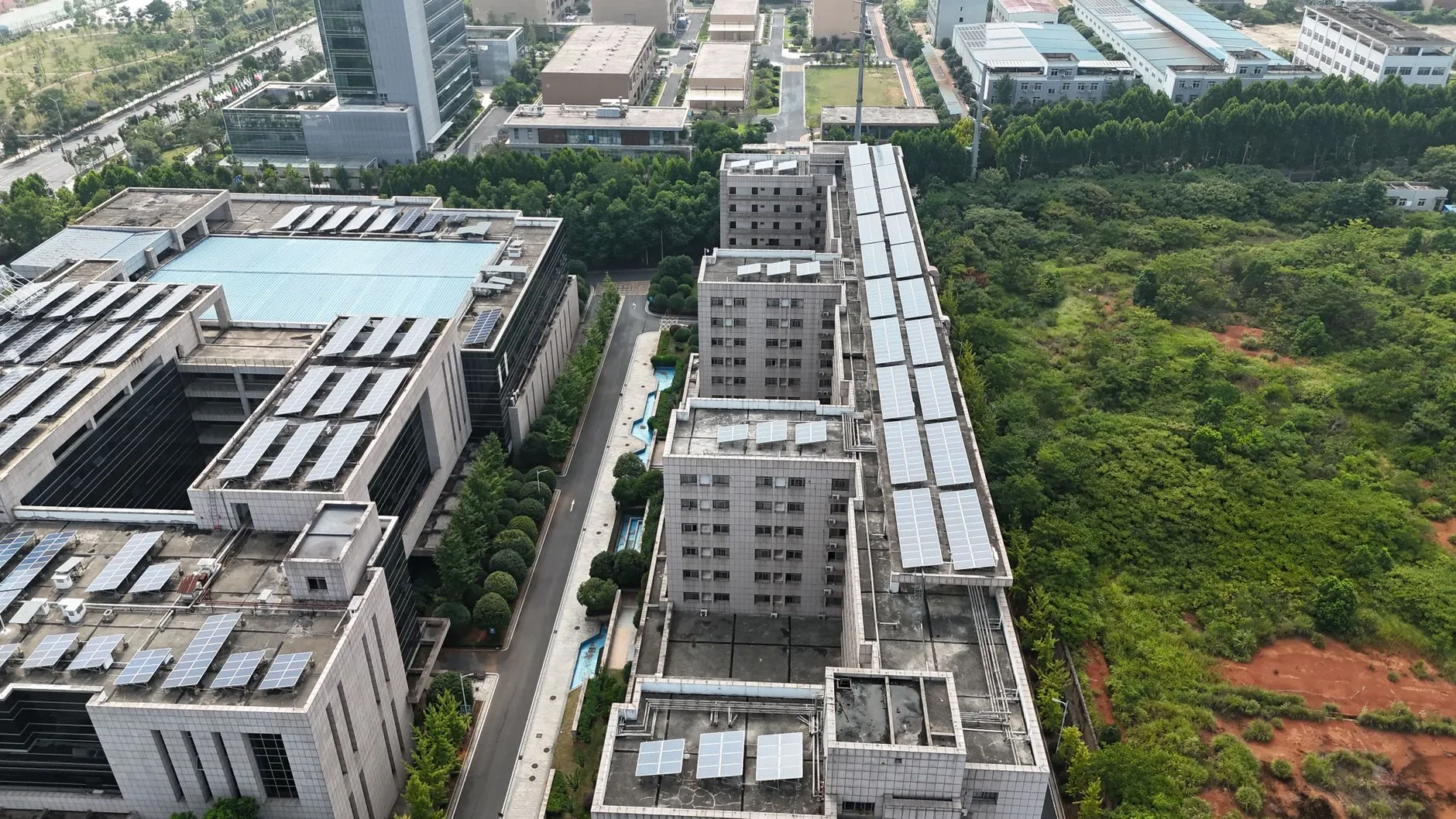
Buildings account for a substantial share of global carbon emissions, yet most organisations still treat decarbonisation as little more than an energy efficiency exercise. That approach is changing. The US Green Building Council recently published a decarbonisation blueprint and companion toolkit that reframe the challenge as a whole-building strategy, pulling in refrigerant management, transport emissions, electrification, embodied carbon and grid integration alongside operational energy.
For UK businesses managing property portfolios or facing net-zero commitments, this shift matters. Organisations with LEED-certified buildings, public sector suppliers navigating PPN 06/21, and companies reporting under the Streamlined Energy and Carbon Reporting framework increasingly need to demonstrate carbon reductions across their entire estate. However, the tools and frameworks available often focus narrowly on utility consumption, leaving significant emissions sources unaddressed.
The USGBC blueprint draws on data from nearly 11,000 LEED-certified projects spanning 90 countries and representing 3.8 billion square feet of building space. It sets out a framework that treats decarbonisation as a measurable performance category rather than an aspiration. Consequently, the approach offers a model for how building owners and facilities managers can identify, quantify and address emissions that fall outside traditional energy management programmes.
USGBC blueprint expands scope beyond operational energy
The blueprint was published in September 2026 and reflects more than a decade of LEED project performance data. According to USGBC, LEED Operations and Maintenance projects save an average of 2.4 kilograms of CO2 per square foot annually, representing a 26% reduction in greenhouse gas emissions based on analysis of 2,965 certified projects. Those figures are drawn from buildings already operating under green building standards, suggesting the potential for similar reductions in conventional stock.
Importantly, the blueprint examines emissions beyond core building operations. Refrigerant management features prominently as a high-impact but often overlooked lever. Refrigerant leakage and the use of high global warming potential refrigerants can produce emissions equivalent to years of operational energy savings. USGBC identifies refrigerant selection and leak prevention as critical priorities within its broader decarbonisation framework.
The framework also includes electrification of heating and cooling systems, procurement of clean power, peak load reduction, embodied carbon reduction in materials and construction, and building-related transportation emissions. Each category addresses a distinct emissions pathway, yet all interact with design, procurement and operational decisions. Therefore, the blueprint positions decarbonisation as an integrated planning challenge rather than a series of isolated technical upgrades.
USGBC climate advisor Laurie Kerr has previously outlined two foundational steps for building decarbonisation. First, electrify the building to eliminate on-site fossil fuel combustion. Second, reduce peak heating and cooling loads to minimise grid stress and enable renewable energy integration. The blueprint builds on that logic by adding materials, refrigerants and transport as parallel workstreams.
LEED v5 positions carbon performance as core metric
The blueprint aligns with USGBC's strategic direction over recent years. The organisation has stated that LEED has aimed to reduce building greenhouse gas emissions for over a decade. More recently, USGBC's 2024 to 2026 strategic plan explicitly prioritises climate action and accelerating the role of buildings in decarbonising economies. That strategic shift is reflected in the development of LEED v5, which is designed to address operational emissions, embodied carbon, waste, transportation and refrigerants as integrated performance categories.
This evolution repositions LEED as a climate framework rather than solely a green building standard. USGBC describes LEED as a holistic system supporting climate goals alongside human health, water quality and other environmental outcomes. Nevertheless, the emphasis on measurable carbon reductions represents a material change in how certification schemes assess building performance. Carbon intensity, lifecycle emissions and refrigerant management are becoming primary metrics, not secondary considerations.
For organisations managing commercial or public sector estates in the UK, this shift has practical implications. Buildings certified under LEED or similar schemes may soon be expected to report on refrigerant inventories, embodied carbon in refurbishment materials, and transport emissions associated with site access. Furthermore, landlords and facilities managers will need systems to track these data points as part of routine operations.
Refrigerants emerge as overlooked emissions category
Refrigerants represent one of the most significant yet least visible sources of building-related emissions. Many common refrigerants have global warming potentials thousands of times higher than carbon dioxide. A single leak from an ageing air conditioning system can release emissions equivalent to months of heating or lighting. Despite this, refrigerant management rarely features in corporate carbon reduction plans.
USGBC's blueprint addresses this gap by treating refrigerants as a distinct decarbonisation priority. The guidance recommends transitioning to low global warming potential refrigerants, implementing leak detection and prevention systems, and ensuring proper end-of-life refrigerant recovery. These measures reduce both direct emissions from leaks and indirect emissions associated with energy use when systems are undercharged or inefficient.
UK businesses face regulatory drivers in this area as well. The F-Gas Regulation, retained under UK law post-Brexit, restricts the use of high GWP refrigerants and imposes reporting requirements on systems containing certain quantities. Compliance with F-Gas rules overlaps with decarbonisation objectives, yet many organisations treat refrigerant compliance as a separate environmental health and safety issue rather than part of their carbon strategy.
Integrating refrigerant management into building decarbonisation plans can deliver measurable carbon savings with relatively modest capital investment. Upgrading to lower GWP refrigerants during planned maintenance cycles, improving system monitoring, and training facilities teams on leak prevention can all reduce emissions without major retrofits. Consequently, refrigerants offer a near-term opportunity for organisations seeking to demonstrate progress on carbon reduction targets.
Embodied carbon and transport extend emissions boundary
Embodied carbon refers to emissions associated with materials extraction, manufacturing, transport and construction. For new buildings, embodied carbon can represent 20% to 50% of whole-life emissions depending on design and material choices. For existing buildings undergoing refurbishment, embodied carbon arises from replacement materials, fit-out works and demolition waste. As operational emissions fall through improved energy performance, embodied carbon becomes a larger share of total lifecycle impact.
The USGBC blueprint encourages organisations to quantify and reduce embodied carbon in retrofit projects by selecting lower-carbon materials, reusing existing structural elements, and minimising waste. This approach requires closer collaboration between procurement, project management and design teams. Material passports, environmental product declarations and whole-life carbon assessments are becoming standard tools for evaluating options.
Transport emissions connected to buildings include staff commuting, deliveries, waste collection and visitor travel. These emissions are categorised as Scope 3 under greenhouse gas accounting protocols, meaning they occur outside the organisation's direct operational control but result from business activities. Building location, access to public transport, cycling infrastructure and electric vehicle charging all influence transport-related emissions.
USGBC identifies building-related transport as a decarbonisation priority because site design and tenant engagement can influence travel behaviour. Providing secure cycle storage, installing EV charging points and improving pedestrian access can reduce reliance on petrol and diesel vehicles. For organisations with multiple sites, transport emissions can represent a significant proportion of total carbon footprint, particularly where buildings are located in areas poorly served by public transport.
What this means for UK organisations
The USGBC blueprint reflects a broader international shift in how building decarbonisation is understood and implemented. UK businesses face similar pressures from government targets, procurement requirements, investor expectations and corporate commitments. The Sixth Carbon Budget requires a 78% reduction in UK emissions by 2035 compared to 1990 levels, with buildings expected to contribute substantially to that reduction. Public sector suppliers must demonstrate robust carbon reduction plans to meet PPN 06/21 requirements, while large companies report annual emissions under SECR rules.
Many organisations already track Scope 1 and Scope 2 emissions from building energy use. However, the expanded scope outlined in the USGBC blueprint aligns with emerging expectations around Scope 3 reporting and whole-life carbon accounting. Investors, regulators and procurement bodies increasingly expect organisations to address refrigerants, embodied carbon and transport emissions as part of decarbonisation strategies.
For facilities managers and sustainability leads, this means rethinking how carbon reduction programmes are structured. Energy efficiency remains important, but it now sits alongside refrigerant management, material selection, electrification planning and transport policy as parallel workstreams. Each requires different expertise, data systems and supplier relationships. Therefore, effective decarbonisation requires cross-functional collaboration rather than isolated technical interventions.
Organisations without existing frameworks for tracking these emissions categories may need to invest in data infrastructure, staff training and supplier engagement. Carbon accounting software, building management systems with refrigerant monitoring, and procurement policies requiring environmental product declarations all support expanded reporting. Additionally, businesses may need to revise capital planning cycles to align refurbishment schedules with decarbonisation milestones.
Commercial and compliance considerations for UK businesses
The shift towards comprehensive building decarbonisation creates both risks and opportunities. Organisations that lag in addressing non-energy emissions may face procurement exclusions, regulatory penalties or reputational damage as standards tighten. Conversely, businesses that adopt expanded decarbonisation frameworks early can differentiate themselves in tenders, attract sustainability-focused investors and reduce exposure to future carbon pricing mechanisms.
For public sector suppliers, demonstrating progress on building decarbonisation supports compliance with PPN 06/21, which requires suppliers to report emissions and publish carbon reduction plans. The procurement note applies to central government contracts above £5 million per annum and evaluates suppliers on their approach to reducing carbon across operations, supply chains and products. Addressing refrigerants, transport and embodied carbon strengthens submissions by showing a mature understanding of emissions sources.
Private sector organisations face similar pressures through investor disclosure requirements, such as the Task Force on Climate-related Financial Disclosures framework adopted by UK-listed companies and large private firms. TCFD reporting requires organisations to identify climate-related risks, including physical risks to buildings from extreme weather and transition risks from changing regulations or market expectations. A comprehensive decarbonisation strategy that addresses all emissions categories reduces both types of risk.
From a cost perspective, many of the measures outlined in the USGBC blueprint deliver operational savings alongside carbon reductions. Electrification reduces reliance on volatile fossil fuel prices, peak load management lowers grid charges, and refrigerant leak prevention cuts maintenance costs and refrigerant replacement expenses. Embodied carbon reduction through material reuse can also lower capital expenditure on refurbishment projects. Consequently, building decarbonisation increasingly aligns with cost control objectives rather than creating additional financial burden.
Summary of key points
- The US Green Building Council published a decarbonisation blueprint and toolkit in September 2026 based on data from nearly 11,000 LEED-certified projects representing 3.8 billion square feet of building space across 90 countries.
- LEED Operations and Maintenance projects save an average of 2.4 kilograms of CO2 per square foot annually, equivalent to a 26% reduction in greenhouse gas emissions based on analysis of 2,965 certified projects.
- The blueprint expands the scope of building decarbonisation beyond operational energy to include refrigerants, embodied carbon, electrification, transport emissions and grid integration as integrated priorities.
- Refrigerant leakage and the use of high global warming potential refrigerants can produce emissions equivalent to years of operational energy savings, yet refrigerant management rarely features in corporate carbon reduction plans.
- LEED v5 is designed to address operational emissions, embodied carbon, waste, transportation and refrigerants as core performance metrics, repositioning LEED as a climate framework rather than solely a green building standard.
- UK businesses face similar drivers through the Sixth Carbon Budget, PPN 06/21 procurement requirements, SECR reporting and investor disclosure frameworks such as TCFD, all of which expect organisations to address emissions beyond operational energy.
- Effective building decarbonisation now requires cross-functional collaboration across facilities management, procurement, project delivery and transport policy rather than isolated technical interventions.
Practical steps for organisations managing building portfolios
Organisations seeking to align with this broader approach to building decarbonisation should start by mapping emissions sources across their estate. A comprehensive baseline assessment includes operational energy, refrigerant inventories, embodied carbon in planned refurbishment projects, and transport emissions associated with site access. This audit identifies which emissions categories represent the largest opportunities and where data gaps exist.
For buildings with air conditioning or refrigeration systems, conducting a refrigerant audit is a priority action. The audit should document refrigerant types, system ages, leak rates and maintenance records. Replacing high GWP refrigerants during planned maintenance cycles, installing leak detection systems and training facilities staff on proper handling procedures can deliver immediate emissions reductions. Our compliance support services include refrigerant management planning and F-Gas regulatory compliance.
Electrification planning requires coordination between capital budgets, grid capacity assessments and operational requirements. Replacing gas boilers with heat pumps, transitioning to electric vehicle fleets and installing EV charging infrastructure all require upfront investment but reduce operational emissions and fossil fuel price exposure. Phasing electrification projects to align with equipment replacement cycles spreads costs and minimises disruption.
Embodied carbon reduction starts with procurement policies. Requiring environmental product declarations for major materials purchases, specifying recycled content targets and prioritising local suppliers all reduce lifecycle emissions. For refurbishment projects, conducting whole-life carbon assessments at design stage enables comparison of material options and identification of lower-carbon alternatives. Reusing existing structural elements and fit-out components further reduces embodied carbon while lowering capital costs.
Transport emissions require engagement with staff, tenants and visitors. Installing secure cycle storage, improving pedestrian access, providing EV charging points and offering season ticket loans for public transport all influence travel behaviour. For organisations with multiple sites, site selection criteria that prioritise public transport access reduce transport emissions over the long term. Additionally, flexible working policies that reduce commuting frequency deliver both carbon savings and operational cost reductions.
Data infrastructure supports ongoing monitoring and reporting. Building management systems that track refrigerant levels, energy use by end-use category and renewable energy generation provide granular data for carbon accounting. Procurement systems that capture embodied carbon data from suppliers enable Scope 3 reporting. Staff travel management systems that record business mileage, public transport use and fleet emissions support comprehensive transport emissions reporting. Our net-zero programme includes support for carbon accounting systems and Scope 3 emissions tracking.
Developing skills and governance structures
Implementing a comprehensive building decarbonisation strategy requires skills that may not exist within current facilities or sustainability teams. Refrigerant management expertise, whole-life carbon assessment capability, electrification planning knowledge and transport demand management experience all sit outside traditional building services skillsets. Organisations should assess capability gaps and invest in training, recruitment or external advisory support accordingly.
Cross-functional governance structures help coordinate decarbonisation efforts across departments. A steering group with representation from facilities, procurement, finance, HR and operations can align capital planning, procurement policies, staff engagement programmes and reporting processes. Clear accountability for each emissions category prevents initiatives from stalling due to unclear ownership or conflicting priorities.
External certification schemes such as LEED, BREEAM or the NABERS UK rating system provide structured frameworks and independent verification for building performance. Certification can support procurement submissions, demonstrate progress to investors and identify improvement opportunities through benchmarking against peer buildings. However, certification should complement rather than replace tailored decarbonisation strategies aligned with organisational objectives and regulatory requirements.
Supplier engagement is particularly important for Scope 3 emissions categories such as embodied carbon and transport. Requesting carbon data from construction contractors, materials suppliers and logistics providers builds visibility of supply chain emissions and enables identification of lower-carbon alternatives. Over time, procurement requirements that include carbon performance criteria drive suppliers to improve their own emissions profiles. The sustainable procurement guidance we provide helps organisations embed carbon considerations in tendering processes.
Where to find further guidance
The US Green Building Council has published the full decarbonisation blueprint and companion toolkit on its website, available to members and non-members. The resources include case studies, measurement guidance and implementation checklists drawn from LEED project data. UK organisations can adapt the framework to align with domestic regulatory requirements and reporting standards.
The UK Green Building Council offers guidance specific to UK building stock, planning systems and regulatory frameworks. Its resources cover embodied carbon reduction, net-zero carbon buildings frameworks and policy advocacy. The organisation also convenes working groups on specific topics such as whole-life carbon assessment and retrofit strategies.
For refrigerant management, the Environment Agency publishes detailed guidance on F-Gas compliance, leak reporting requirements and end-of-life refrigerant handling. The Environment Agency website includes regulatory updates, compliance checklists and enforcement case studies. Businesses should also monitor updates to F-Gas regulations as the UK develops post-Brexit environmental policy.
The Department for Energy Security and Net Zero provides guidance on building decarbonisation, heat pump deployment and energy efficiency standards. Its publications include the Heat and Buildings Strategy, which sets out government policy on decarbonising heating in homes and non-domestic buildings. The department also administers grant schemes and support programmes for building decarbonisation projects.
The Institution of Environmental Management and Assessment offers professional development resources, technical guidance and networking opportunities for sustainability practitioners. IEMA's guidance documents cover carbon accounting, environmental management systems and climate-related risk assessment. The organisation also provides training courses on topics such as Scope 3 emissions reporting and whole-life carbon assessment.