
Andy Burnham's Cost-of-Living Measures and the Climate Test
Burnham's cost-of-living package raises questions about climate finance
Andy Burnham's early priorities as Prime Minister centre on easing household costs through lower energy bills and cheaper public transport. However, the way these measures are funded has prompted questions about their effect on the UK's climate commitments and long-term economic resilience. The policies themselves can support decarbonisation in principle. The tension lies in the government's decision to finance part of the package by repurposing international climate finance and shifting from grants to loans.
Burnham announced two headline measures in recent months. From 1 October 2026, VAT on domestic electricity bills will fall from 5 percent to zero. The government estimates this will save the average household around £45 each year. In addition, a £2 cap on single bus fares in England will return from 1 January 2027. These moves are designed to reduce pressure on household budgets at a time when energy costs remain a concern for many families and small businesses.
The bus-fare cap is expected to cost approximately £454 million. According to press reporting, £54 million will come from an underspend in the Department for Energy Security and Net Zero. The remaining £400 million will be drawn from repurposed international climate finance. Meanwhile, the electricity VAT cut is projected to cost around £850 million in the 2026-27 financial year. The government says this will be funded by cancelling the planned Digital ID programme.
Neither policy is inherently at odds with climate goals. Cheaper electricity can make heat pumps more economically attractive for households considering alternatives to gas boilers. Lower bus fares can encourage a shift away from private car journeys, particularly for short trips in urban areas. Both outcomes could contribute to emissions reductions over time. Consequently, some climate analysts have argued that these measures are compatible with a cleaner economy if they are accompanied by investment in low-carbon infrastructure.
International climate finance shifted from grants to loans
The more significant concern relates to how the bus-fare subsidy is financed. Climate Change News reported that part of the £400 million will come from switching some international climate finance from grants to loans. This approach has prompted criticism from development and climate groups. They argue it effectively reduces the UK's contribution to overseas climate support, particularly for vulnerable countries that need grants rather than additional debt.
International climate finance forms part of the UK's broader credibility on climate leadership. Developed countries committed to mobilising $100 billion per year to support developing nations in adapting to climate change and reducing emissions. Shifting funds from grants to loans may meet the letter of that commitment but weakens its substance. For countries already facing debt distress, loans are far less valuable than grants. Therefore, this funding decision risks damaging trust even if domestic policies are moving in a greener direction.
The UK has historically positioned itself as a leader on climate finance. It co-chaired COP26 in Glasgow in 2021 and has repeatedly emphasised the importance of supporting developing nations. Consequently, any reduction in grant-based support is politically sensitive. It also raises questions about whether cost-of-living measures should be funded in ways that undermine other climate commitments. Some observers have suggested that alternative revenue sources, such as windfall taxes on energy companies, could have been used instead.
For UK businesses, the implications are less direct but still material. Companies that rely on international supply chains or export to emerging markets may face increased climate-related risks if developing countries receive less support to adapt. In addition, businesses that compete for public sector contracts often need to demonstrate alignment with the UK's climate goals. Any perception that the government is retreating from those goals could complicate procurement processes and tender requirements.
Jackdaw and Rosebank approvals will test climate policy direction
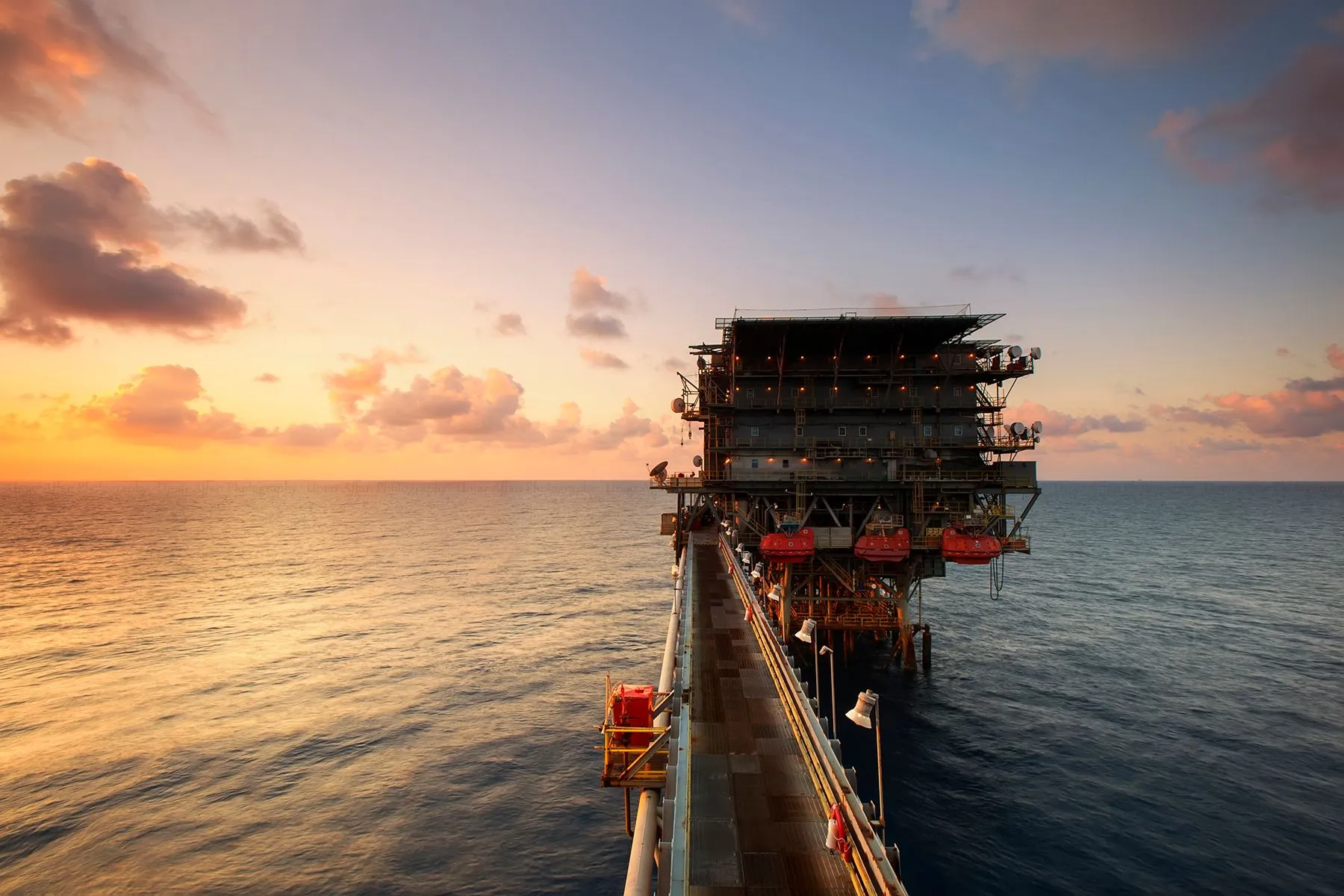
The Jackdaw and Rosebank oil and gas fields represent the clearest test of whether the Burnham government is willing to align its actions with its climate rhetoric. In January 2025, the courts ruled that the earlier approvals for both projects were unlawful. The reason was that they failed to account for emissions from burning the extracted oil and gas, known as downstream or Scope 3 emissions. Developers can continue preparatory work, but they need fresh consent under updated environmental guidance before production can begin.
Public consultations on both fields opened in 2026. The Jackdaw consultation ran until 10 August 2026, while the Rosebank consultation closed on 17 August 2026. These consultations are significant because they will determine whether the government approves the projects under a framework that includes downstream emissions. Environmental groups have argued that approving either field would be incompatible with the UK's legally binding net-zero target for 2050. They also point to the Climate Change Committee's advice that new oil and gas production should only proceed if it does not increase global emissions.
Offshore Energies UK, the industry body representing oil and gas operators, has made the case for both projects on energy security grounds. It estimates that Jackdaw and Rosebank could contribute around 10 percent of UK domestic gas production and 10 percent of oil output at peak production. The body argues that domestic production is preferable to importing liquefied natural gas from overseas, which can have a higher carbon footprint. It also highlights the economic contribution of the projects, including jobs and tax revenue.
However, critics dispute the energy security argument. They point out that oil and gas extracted in UK waters are sold on global markets, not reserved for domestic use. Therefore, production from Jackdaw and Rosebank would not insulate the UK from international price shocks. In addition, the emissions from burning the oil and gas would far exceed any operational emissions from production. For example, estimates suggest that Rosebank alone could generate over 200 million tonnes of CO2 equivalent over its lifetime, primarily from downstream use.
For businesses, the approval decision matters because it signals the government's willingness to impose tighter climate constraints on high-carbon sectors. Companies in manufacturing, construction, and logistics are already being asked to decarbonise their operations and supply chains. If the government approves new oil and gas projects without robust emissions safeguards, it creates a perceived double standard. Conversely, if it rejects the projects or imposes stringent conditions, it sends a clear message that climate policy will be applied consistently across sectors.
Short-term relief must align with long-term climate resilience
The broader economic implication is that short-term affordability measures can strengthen long-term resilience only if they are paired with credible decarbonisation. Lower electricity costs are helpful for households and businesses, but they need to be accompanied by investment in renewable generation and grid infrastructure. Otherwise, the UK remains exposed to fossil fuel price volatility. Similarly, cheaper bus fares can reduce car dependence, but only if public transport networks are expanded and electrified.
The government has committed to doubling onshore wind capacity, accelerating offshore wind deployment, and investing in carbon capture and storage. These are necessary steps to ensure that lower electricity costs are underpinned by cleaner generation. However, the pace of delivery will determine whether the policy mix is coherent. If renewable capacity does not grow quickly enough, lower VAT on electricity simply subsidises a fossil fuel-dependent grid.
For SMEs, the key question is whether the policy environment provides stable investment signals. Businesses that are planning to electrify fleets, install heat pumps, or invest in energy efficiency need confidence that the government will support these transitions over the long term. Frequent policy reversals or funding cuts create uncertainty and delay investment decisions. Therefore, the government's approach to climate finance and project approvals will be watched closely by business investors.
Another consideration is the carbon border adjustment mechanism being developed by the EU. From 2026, importers into the EU will need to account for the carbon intensity of their products. If UK businesses are exporting to the EU, they will face additional costs unless the UK maintains equivalent carbon pricing. Consequently, any perception that the UK is weakening its climate policies could put exporters at a competitive disadvantage. This is particularly relevant for sectors such as steel, cement, and chemicals, where carbon intensity is high and EU trade is significant.
What UK businesses need to know about policy direction
Several key facts should inform how businesses interpret the current policy landscape. First, the electricity VAT cut takes effect on 1 October 2026 and will reduce costs for all households and most businesses. Second, the £2 bus-fare cap returns on 1 January 2027 in England, which may affect commuting patterns and transport planning. Third, £400 million of the bus-fare subsidy comes from repurposed international climate finance, raising questions about the UK's climate commitments. Fourth, the Jackdaw and Rosebank consultations closed in August 2026, with decisions expected in the coming months. Fifth, both projects were ruled unlawful in January 2025 due to the exclusion of downstream emissions from the approval process. Sixth, the government has committed to doubling onshore wind and expanding offshore wind, but delivery timelines remain uncertain. Finally, businesses exporting to the EU need to prepare for carbon border adjustment requirements from 2026.
Balancing affordability and credible climate action matters for SMEs
From an advisory perspective, the current policy mix creates both opportunities and risks for UK businesses. Lower electricity costs can make electrification more attractive, particularly for businesses considering heat pumps, electric vehicles, or energy-intensive processes. However, businesses should not assume that lower costs will persist indefinitely. Investing in energy efficiency and renewable generation now can provide long-term protection against future price rises.
Companies that rely on public sector contracts should pay close attention to the government's climate stance. Procurement guidance increasingly requires suppliers to demonstrate carbon reduction plans and alignment with net-zero targets. If the government approves high-carbon projects without robust safeguards, it may complicate tender requirements and create uncertainty about what counts as credible climate action. Therefore, businesses should ensure their carbon reporting is accurate and that they can evidence progress toward emissions reductions.
For businesses with international supply chains, the shift in climate finance from grants to loans could have indirect effects. Developing countries that receive less grant support may face greater climate-related risks, including extreme weather, water scarcity, and infrastructure damage. These risks can disrupt supply chains and increase costs. Consequently, businesses should assess their exposure to climate-vulnerable regions and consider diversification or adaptation measures.
We work with SMEs to navigate carbon reporting requirements, prepare for Procurement Policy Note 06/21, and develop credible net-zero plans. Our net-zero program helps businesses measure emissions, identify reduction opportunities, and align with evolving policy expectations. Businesses that take early action tend to find it easier to adapt as requirements tighten. Waiting for clarity on every policy detail often leads to delayed decisions and higher costs.
Another area to watch is the government's approach to carbon pricing. The UK Emissions Trading Scheme currently covers power generation, heavy industry, and aviation. If the government expands the scheme or increases carbon prices, it will affect operating costs for many businesses. Understanding how carbon pricing applies to your sector and planning for potential increases is part of managing long-term financial risk. Our compliance support can help businesses understand their obligations and prepare for regulatory changes.
Where to find authoritative information on policy changes
Businesses looking for detailed information on the electricity VAT cut and bus-fare cap should consult the HM Treasury website for official guidance on implementation. The Department for Energy Security and Net Zero provides updates on energy policy and decarbonisation targets. For information on international climate finance, the Foreign, Commonwealth and Development Office publishes annual reports on funding commitments and delivery.
The North Sea Transition Authority oversees oil and gas licensing and environmental consents, including the Jackdaw and Rosebank consultations. Businesses interested in carbon border adjustment mechanisms should monitor guidance from the HM Revenue and Customs and the EU's Carbon Border Adjustment Mechanism portal. Finally, the Climate Change Committee provides independent analysis of the UK's progress toward net-zero and publishes annual reports on emissions and policy effectiveness.