
Five ways businesses are charging ahead with electrification
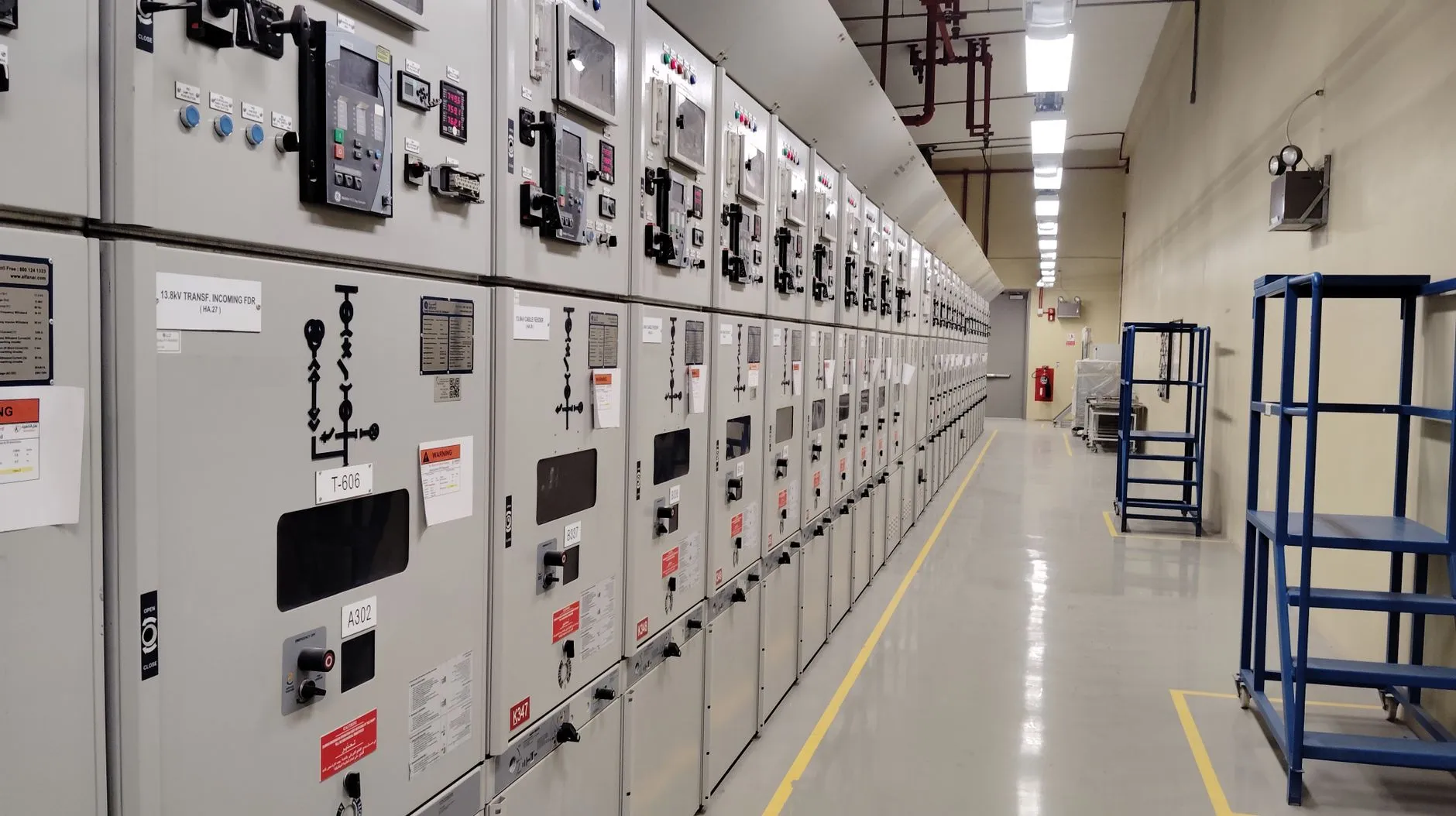
Five electrification routes businesses use to cut costs and carbon
UK businesses are choosing electric alternatives to gas boilers, heating oil and fleet vehicles for reasons that go beyond emissions. For many, electrification has become a cost control measure. Fuel price volatility has made fossil reliance expensive. Meanwhile, electric technologies now offer efficiency gains that can translate into lower running costs, provided the project is timed correctly and matched to the right tariff.
The commercial logic has shifted. What was once framed primarily as climate action is now discussed in finance meetings as a hedge against energy market instability. Firms are targeting specific assets where the economics work today, rather than waiting for perfect conditions across every part of their operation.
This article examines five practical routes businesses are using to electrify operations. Each involves replacing fossil fuel equipment with electric systems. However, success depends on understanding upfront costs, efficiency multipliers, electricity pricing relative to gas, and the condition of existing infrastructure.
Heating and cooling through air source heat pumps
Heat pumps extract warmth from outside air and transfer it indoors. They replace gas boilers, heating oil tanks and other combustion systems. A modern air source heat pump can deliver three to four units of heat for every unit of electricity consumed. Gas boilers typically manage less than one unit of heat per unit of gas.
The efficiency advantage matters most where electricity prices are not dramatically higher than gas. In the UK, electricity per kilowatt hour typically costs more than gas. Nevertheless, the multiplier effect means heat pumps can still reduce total energy costs in well-insulated buildings with lower temperature heating systems.
Installation costs vary. For commercial buildings, expect capital expenditure between £10,000 and £50,000 depending on site size and existing infrastructure. If a site needs new radiators, pipework or electrical capacity, costs rise significantly. Therefore, timing installation to coincide with boiler replacement or building refurbishment makes financial sense.
Businesses also gain predictability. Heat pumps eliminate exposure to gas price spikes. Electricity costs can be managed through time of use tariffs, onsite solar or power purchase agreements. Consequently, operational budgets become easier to forecast over the medium term.
Commercial kitchen electrification with induction and combi ovens
Commercial kitchens have historically relied on gas hobs, ranges and fryers. Electric induction hobs and advanced combi ovens now offer comparable cooking performance with better energy efficiency. Induction systems are typically one and a half to three times more efficient than gas equivalents.
Electricity costs more per unit than gas in most UK regions. However, efficiency gains close the gap. A study of Californian commercial kitchens found that even where electricity cost two and a half to four times more than gas, efficient electric appliances delivered operating cost parity or modest savings.
Installation requires adequate electrical supply. Many older kitchens run on three phase connections that may need upgrading. Expect costs between £5,000 and £30,000 for a typical medium sized operation, depending on equipment choices and electrical work. Grants and equipment rebates can reduce net expenditure.
There are additional benefits. Electric kitchens produce less ambient heat, reducing air conditioning loads in summer. Indoor air quality improves without combustion byproducts. Staff working conditions become more comfortable. These factors contribute to lower overall operating costs beyond direct energy savings.
Fleet transition to electric vans and cars
Electric vehicles now represent a proven alternative to diesel and petrol fleets. For businesses operating vans, cars or small commercial vehicles within predictable daily ranges, the case is particularly strong. Electric vans typically cost more to purchase but less to run and maintain.
Fuel savings are significant. Electricity per mile costs roughly a third of diesel at current UK rates. Servicing costs drop because electric drivetrains have fewer moving parts. There are no oil changes, exhaust systems or diesel particulate filters to replace. Brake wear is reduced through regenerative braking.
The capital cost premium is narrowing. A new electric van may cost £8,000 to £15,000 more than an equivalent diesel model. However, total cost of ownership over four years often favours electric, especially for high mileage urban routes. Salary sacrifice schemes and available grants further improve affordability.
Charging infrastructure requires planning. Businesses need workplace charging points, which cost between £800 and £1,500 per unit installed. Fleet operators also benefit from overnight off peak electricity rates. Some are pairing chargers with solar arrays to reduce grid reliance and lock in lower energy costs.
Onsite solar generation paired with battery storage
Solar panels generate electricity during daylight hours. Battery storage systems capture excess generation for use during evening peaks or overnight. Together, they reduce grid imports and exposure to wholesale price volatility. For businesses with daytime energy demand, the match is often good.
Installation costs have fallen. A commercial solar array might cost £40,000 to £100,000 depending on roof size and structural condition. Battery systems add another £20,000 to £60,000. Payback periods typically range from six to twelve years, though this varies with electricity prices and usage patterns.
The value increases when solar is combined with electrified heating, cooling or vehicle charging. Businesses can align high consumption activities with peak solar generation. Alternatively, batteries shift solar power to evening demand, reducing reliance on expensive peak tariffs.
There is also resilience value. Solar and storage systems provide backup power during grid outages. For operations where downtime is costly, this adds a non financial benefit that strengthens the investment case. Additionally, surplus generation can be exported to the grid under feed in or smart export tariffs.
Power purchase agreements and demand flexibility contracts
Long term power purchase agreements allow businesses to fix electricity prices with renewable generators. Instead of buying power from the grid at variable rates, firms contract directly for supply over ten to fifteen years. This approach provides cost certainty and reduces exposure to market volatility.
Corporate PPAs have become more accessible to mid sized businesses. Aggregated purchasing models allow smaller firms to participate in contracts previously available only to large energy users. Fixed pricing makes financial planning easier and protects budgets from sudden price movements.
Demand flexibility involves adjusting electricity use in response to price signals or grid conditions. Businesses with controllable loads such as refrigeration, heating or production equipment can shift consumption to cheaper periods. In return, they receive lower tariffs or payments from grid operators.
Technology is making this easier. Smart meters, building management systems and automated controls enable real time load adjustments without manual intervention. The result is lower energy bills and a more stable cost base. Furthermore, participation in flexibility markets can generate revenue streams that offset other operating expenses.
Understanding the cost variables in electrification projects
Electrification economics depend on several interlocking factors. The first is the electricity to gas price ratio. When electricity costs more than three times the price of gas per unit of delivered energy, heat pump economics become marginal unless efficiency gains are substantial. Current UK pricing sits close to this threshold, making project selection important.
Equipment replacement cycles matter significantly. Replacing a working gas boiler purely for electrification means writing off remaining asset value and paying full installation costs. Conversely, switching to electric when existing equipment reaches end of life avoids duplicate capital expenditure. The cost difference between these scenarios can exceed £20,000 for a typical commercial heating system.
Building fabric influences results. Heat pumps perform best in well insulated buildings with underfloor heating or oversized radiators. Older buildings with poor insulation and high temperature radiators may require extensive upgrades before heat pumps become viable. A study by Berkeley Center for the Built Environment found building electrification costs ranged from £8 per square foot to over £300 per square foot, with median costs around £75 per square foot.
Grid connection capacity is often overlooked. Electrifying heating, adding vehicle chargers and installing solar can exceed existing electrical supply limits. Upgrading the incoming supply and distribution boards adds cost and requires liaison with distribution network operators. For some sites, connection costs can rival equipment costs.
Tariff structure and procurement strategy also shape outcomes. Businesses on flat rate tariffs miss opportunities to exploit off peak pricing. Time of use tariffs, combined with storage or flexible demand, can cut electricity costs by twenty to thirty percent. Similarly, businesses that pair electrification with solar or PPAs reduce exposure to grid pricing altogether.
Why businesses are prioritising electrification now
Fossil fuel price volatility has concentrated attention. Gas prices spiked dramatically in 2022 and remain unpredictable. Businesses experienced budget overruns and unplanned cost increases. Consequently, finance teams now view energy cost stability as a risk management priority, not just a sustainability objective.
Electric alternatives offer price predictability. Electricity markets are not immune to volatility. However, businesses can fix prices through PPAs, generate their own power with solar, or use storage and flexibility to avoid peak rates. These tools are harder to apply to gas or diesel, where price risk is largely unhedgeable for smaller users.
Regulatory pressure is increasing. Public sector suppliers face carbon reduction requirements through Procurement Policy Note 06/21. Large companies must report Scope 1 and Scope 2 emissions under SECR and, increasingly, anticipate Scope 3 disclosure obligations. Electrification directly reduces Scope 1 emissions by eliminating onsite combustion. When paired with renewable electricity, Scope 2 emissions also fall.
Technology maturity has improved. Heat pumps, electric vehicles and battery storage are no longer experimental. Performance data exists. Supply chains are established. Installers are available. This reduces project risk and makes business cases easier to justify. Additionally, product costs have fallen as manufacturing scales and competition intensifies.
Grant funding and incentives remain available, though less generous than in previous years. The Boiler Upgrade Scheme offers £7,500 towards heat pump installation for some commercial properties. Vehicle grants and enhanced capital allowances apply to electric fleets and charging infrastructure. These mechanisms reduce upfront costs and improve payback periods.
Critical factors for successful implementation
Phased implementation reduces risk and capital requirements. Rather than attempting whole building or whole fleet electrification at once, businesses are targeting specific assets or processes. For example, electrifying a single building, one vehicle type, or a particular production line allows testing assumptions before committing larger budgets.
Technical feasibility assessments are essential. Not every building suits heat pumps. Not every route suits electric vans. An upfront technical review identifies constraints such as electrical capacity, space for equipment, usage patterns and building fabric. This avoids costly mid project discoveries and ensures electrification is matched to appropriate applications.
Whole life cost modelling should replace simple payback calculations. Electrification projects often have higher capital costs but lower operating costs. A payback analysis may suggest a ten year return. However, a net present value calculation over fifteen years accounting for maintenance savings, fuel cost escalation and carbon pricing may show strong positive returns.
Integration with broader energy strategy improves outcomes. Electrification works best alongside energy efficiency improvements, solar generation, storage and flexible tariffs. A building that reduces heat demand through better insulation needs a smaller, cheaper heat pump. A business that installs solar alongside vehicle chargers reduces charging costs and grid dependence.
Supplier and installer selection matters. Quality varies significantly in the heat pump and EV charging markets. Poor installation leads to underperformance, higher running costs and maintenance issues. Businesses should verify installer accreditation, request references and understand warranty terms before proceeding.
Essential facts on business electrification economics
- Building electrification costs range from £8 to over £300 per square foot, with typical projects around £75 per square foot depending on existing infrastructure and building type.
- Heat pumps deliver three to four units of heat per unit of electricity, compared to less than one unit per unit of gas from boilers, creating efficiency advantages that can offset higher electricity prices.
- Electric commercial kitchen equipment is one and a half to three times more efficient than gas equivalents, often achieving cost parity despite electricity costing two and a half to four times more per unit.
- Electric vehicle running costs are roughly one third of diesel equivalents per mile, with additional savings from reduced servicing and maintenance over the vehicle lifecycle.
- Industrial electrification becomes economically viable when retail electricity prices remain below approximately three times gas prices, though this varies by process and efficiency gains.
- Corporate power purchase agreements provide price certainty over ten to fifteen years, protecting businesses from wholesale market volatility and improving budget predictability.
- Solar and battery systems typically achieve payback in six to twelve years, with faster returns when paired with electrified heating, cooling or vehicle charging loads.
- Demand flexibility programmes can reduce electricity costs by twenty to thirty percent through load shifting and participation in grid balancing markets.
How electrification fits carbon reporting and compliance
Businesses subject to Streamlined Energy and Carbon Reporting must disclose Scope 1 and Scope 2 emissions annually. Scope 1 covers direct emissions from owned sources such as gas boilers and vehicle fleets. Scope 2 covers indirect emissions from purchased electricity. Electrification eliminates Scope 1 emissions by removing onsite combustion.
The impact on Scope 2 depends on electricity sourcing. Grid electricity in the UK has a carbon intensity that continues to fall as renewable generation increases. Businesses that procure renewable electricity through PPAs or Renewable Energy Guarantees of Origin certificates can report zero Scope 2 emissions under market based accounting methods.
Public sector suppliers face specific requirements. Procurement Policy Note 06/21 requires bidders to publish carbon reduction plans and demonstrate net zero alignment. Electrification provides tangible evidence of decarbonisation action. It also reduces future carbon reduction costs by addressing emissions sources early.
Scope 3 emissions are becoming more prominent. Large businesses and those in supply chains of reporting companies increasingly face requests for product and service carbon footprints. Fleet electrification and low carbon electricity reduce the embedded emissions of delivered services, improving competitiveness in tenders where carbon is evaluated.
Our net-zero program for carbon reporting compliance helps businesses understand how operational changes such as electrification translate into reportable emissions reductions and competitive advantage in procurement processes.
Practical steps for evaluating electrification opportunities
Start with an energy audit to identify current consumption patterns by fuel type, time of day and process. This reveals where fossil fuels are used, how much they cost and which assets are approaching replacement age. The audit provides the baseline for comparing electrification scenarios.
Model whole life costs for specific assets. Compare the capital cost, installation cost, operating cost, maintenance cost and residual value of fossil and electric alternatives over a realistic time horizon. Include electricity tariff optimisation, available grants and potential revenue from flexibility or export.
Assess electrical infrastructure capacity. Check incoming supply ratings, distribution board capacity and cable sizing. Identify whether upgrades are needed and obtain indicative costs from electrical contractors. This prevents budget surprises and allows accurate project costing.
Consider timing and phasing. Align electrification with planned refurbishments, lease renewals or equipment replacement schedules. Phased approaches spread capital costs and allow learning from early projects before scaling. They also reduce operational disruption.
Engage with suppliers early. Obtain quotes from multiple installers. Verify accreditation and references. Understand lead times, especially for heat pumps and EV chargers where demand is high. Clarify what is included in quoted prices and what additional work may be required.
Review tariff and procurement options. Speak to energy brokers or suppliers about time of use tariffs, PPAs and flexibility contracts. Model how different tariff structures affect operating costs under electrified scenarios. Consider whether onsite solar or storage would improve economics.
Our ESG compliance and carbon reporting services include support for businesses evaluating how electrification and energy procurement strategies affect emissions disclosures and regulatory obligations.
Where to find technical guidance and support
The Department for Energy Security and Net Zero publishes guidance on heat pump installation standards and the Boiler Upgrade Scheme, including eligibility criteria and application processes for businesses considering heating electrification.
The Energy Saving Trust offers independent advice on electric vehicles, heat pumps and renewable energy systems for businesses and households, including whole life cost calculators and technology comparisons.
The Institution of Mechanical Engineers provides technical standards and professional guidance on heat pump system design, ensuring installations are correctly specified and installed for optimal performance and longevity.
The Electrical Contractors Association maintains registers of accredited installers for EV charging infrastructure and commercial electrical systems, helping businesses identify qualified contractors for electrification projects.
Businesses looking to align electrification planning with broader sustainability and procurement strategies can explore sustainable procurement support for public sector suppliers through our advisory services.