
Pathways Carbon Capture Project Scaled Back Despite Reduced Targets
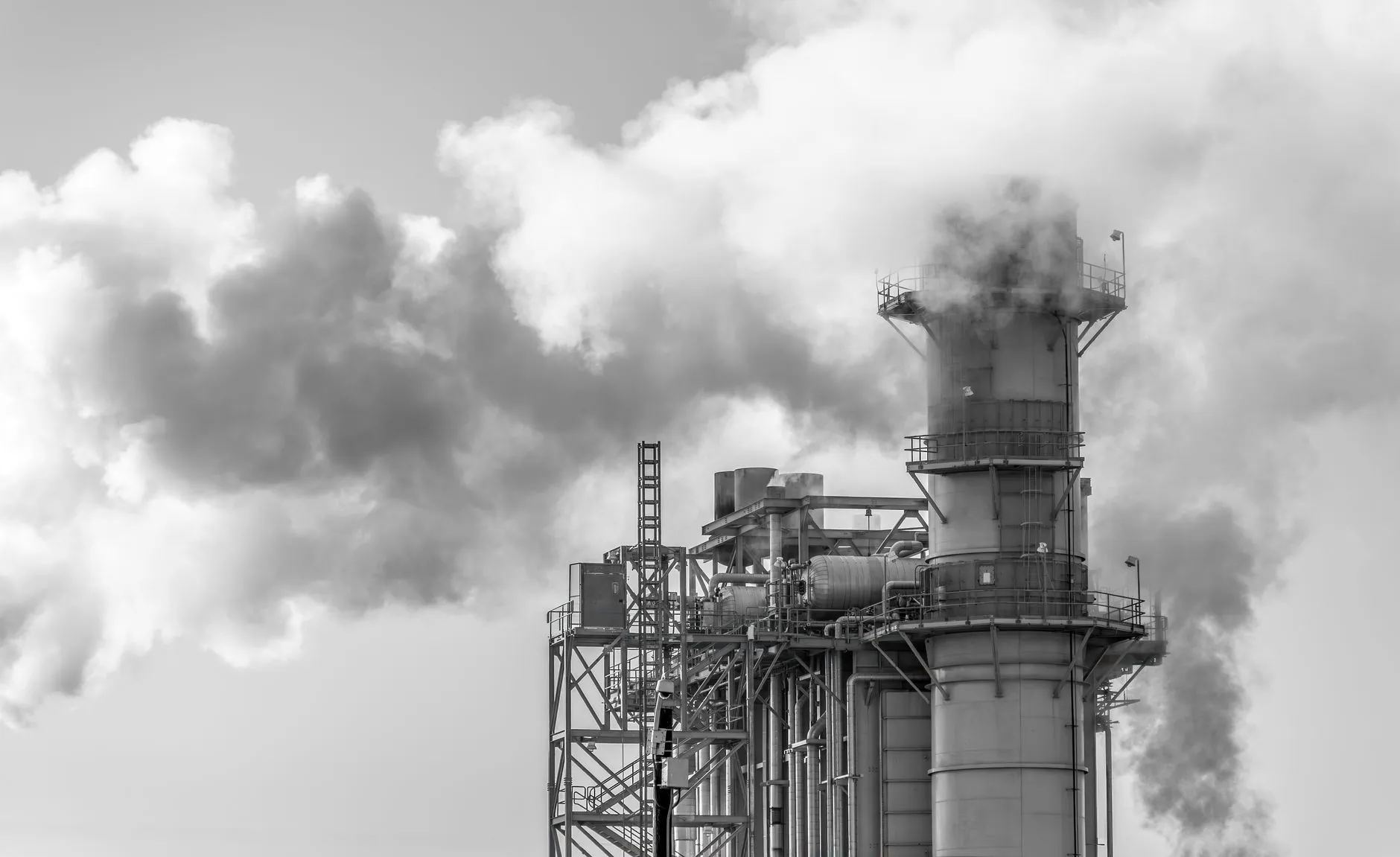
Canada's flagship carbon capture project in the oil sands has shrunk dramatically from its original promise. What began as a headline-grabbing plan to cut 22 million tonnes of emissions a year by 2030 is now a 6-million-tonne scheme that won't start until 2035. For UK businesses watching how carbon capture technology plays out in practice, this matters. The project was meant to prove that heavy industry could keep producing fossil fuels while meeting climate targets. Instead, it's becoming a cautionary tale about relying on future technology to offset present-day emissions.
The implications reach beyond Canada. Many UK manufacturers and energy-intensive businesses face similar choices about whether to invest in carbon capture or pursue direct emissions cuts. Meanwhile, public sector buyers and corporate supply chain managers are increasingly asking whether carbon capture commitments from suppliers represent genuine decarbonisation or just sophisticated delay tactics. This case offers hard evidence that even well-funded, government-backed carbon capture schemes can fail to deliver on their stated ambitions.
From 22 million tonnes to 6 million over five extra years
The Pathways project launched in 2021 with a bold claim. Canada's largest oil sands producers, working through what was then called Pathways Alliance, announced they would capture 22 million tonnes of carbon dioxide annually by 2030. The initiative was framed as a net-zero pathway for oil sands production by 2050. Government ministers and industry executives presented it as proof that fossil fuel extraction and climate action could proceed in parallel.
That narrative has now collapsed. According to Canada's Major Projects Office, the scheme will capture just 6 million tonnes per year when it finally starts operating in 2035. Even the broader policy framework, which includes potential future expansions and unspecified additional technologies, targets only 16 million tonnes annually by 2045. Consequently, the project will deliver roughly a quarter of its original promise, 15 years behind schedule.
Kendall Dilling, president of the renamed Oil Sands Alliance, characterised the change as "slightly smaller than what had been initially spoke, and over a slightly extended timeline." He told reporters it was "more just a question of timeline as opposed to the actual capacity of the project." However, independent observers dispute that framing. Janetta McKenzie of the Pembina Institute pointed out that the first phase was originally meant to capture 12 million tonnes per year by 2030. It will now capture 6 million tonnes by 2032. She described the project as "meaningfully smaller."
The numbers tell a stark story. Early company projections cited by DeSmog suggested 10 to 12 million tonnes by 2030 and 40 million tonnes by 2050. Current plans deliver half the initial first-phase target, five years late. The gap between the original 22-million-tonne headline and the actual 6-million-tonne delivery represents an 73% reduction in ambition. Moreover, the additional 10 million tonnes flagged in the latest federal-provincial agreement remain entirely conditional on future technology rollout and project expansions that have yet to be committed.
What changed and who is paying for it
Several factors appear to have driven the downsizing. First, capital costs for large-scale carbon capture projects have consistently come in higher than early estimates. Second, the Oil Sands Alliance members have been reluctant to commit final investment decisions without substantial public funding. Third, technical challenges around pipeline routing, storage site approval, and compression infrastructure have proved harder to resolve than initial feasibility studies suggested.
National Observer reported in July 2026 that the revised federal-provincial deal could expose Canadian taxpayers to significant support costs. The government has committed tax credits, regulatory concessions, and direct funding to make the project financially viable. Yet the emissions reductions that taxpayers are funding have been cut by three-quarters compared to the original plan. Furthermore, the timeline has stretched so far that the project will deliver almost no climate benefit during the critical 2030 window that scientists identify as decisive for limiting global temperature rise.
The project relies on post-combustion capture technology, which strips carbon dioxide from flue gases after fossil fuels are burned. Captured CO2 is then compressed and transported via pipeline to underground storage sites. This approach is energy-intensive and expensive. It also only addresses a fraction of the emissions generated across the oil sands value chain, leaving upstream methane leaks and downstream combustion emissions untouched. As a result, even if the project hits its revised targets, the overall emissions footprint of oil sands production will remain very high.
UK businesses should note the financial model underpinning Pathways. The project depends on government subsidies covering a large share of capital and operating costs. Without that support, the economics do not work. This pattern mirrors early UK industrial carbon capture projects, several of which were cancelled after feasibility studies revealed costs far above initial projections. The Pathways experience suggests that carbon capture at scale remains commercially unviable without sustained public funding, even in jurisdictions with strong political backing for fossil fuel industries.
Why UK manufacturers and supply chain managers should care
The Pathways case matters to UK businesses for three main reasons. First, it demonstrates the risk of accepting future carbon capture commitments as substitutes for immediate emissions reductions. Suppliers who promise to deploy capture technology in five or ten years may never actually do so. Second, it shows how public relations can run ahead of engineering reality. The 22-million-tonne claim generated positive media coverage and political support for years before anyone admitted the target was unachievable. Third, it highlights the accountability gap around carbon capture. There are few mechanisms to penalise companies that fail to deliver on capture pledges, unlike regulatory penalties for exceeding permitted emissions levels.
For manufacturers, this has direct procurement implications. Many UK businesses now include carbon reduction targets in supplier contracts. If those contracts allow suppliers to meet targets through promised future carbon capture, rather than requiring verifiable emissions cuts today, you may be locking in exposure to the same pattern that has played out in Canada. Specifically, suppliers can claim alignment with your sustainability requirements based on capture projects that later shrink, delay, or disappear entirely. By the time the failure becomes apparent, contracts may have run for years and alternative suppliers may be harder to find.
Public sector suppliers face additional risks. PPN 06/21 and the evolving Net Zero Carbon Standard require contractors to publish carbon reduction plans with credible, time-bound commitments. Carbon capture features in many of those plans, particularly for energy-intensive sectors like steel, cement, and chemicals. However, the Pathways example shows that even large, well-funded consortia with government backing struggle to deliver capture projects on schedule or at scale. Consequently, businesses relying on carbon capture to meet public procurement carbon requirements may find themselves unable to comply when capture projects fail to materialise.
Supply chain due diligence becomes harder when carbon capture enters the picture. Verifying actual emissions reductions from operational changes is relatively straightforward. You can audit energy use, check fuel switching, and inspect process modifications. Verifying carbon capture commitments is much more difficult. You are essentially assessing whether a supplier will successfully build and operate complex infrastructure that does not yet exist. The Pathways project was announced by some of Canada's largest and most capitalised energy companies, yet still failed to deliver. Smaller suppliers with fewer resources face even steeper odds.
The reputational dimension also matters. UK businesses that accept supplier carbon claims based on capture projects risk being accused of greenwashing if those projects later collapse. Media scrutiny of corporate climate commitments is intensifying. Investors, regulators, and advocacy groups are increasingly forensic about the difference between headline net-zero pledges and actual emissions trajectories. A supply chain emissions reduction strategy that depends on carbon capture technology that never gets built leaves your business exposed when the gap between promise and performance becomes public.
Core details on the project's downsizing
- The original 2021 target promised 22 million tonnes of annual emissions reductions by 2030, framed as part of a net-zero pathway for oil sands production by 2050.
- Current plans now deliver 6 million tonnes per year by 2035, representing a 73% reduction in the initial commitment and a five-year delay.
- The broader federal-provincial framework targets 16 million tonnes annually by 2045, contingent on future expansions and technologies not yet committed.
- Independent analysts describe the first phase as half the size of earlier plans, contradicting industry claims that the change is mainly about timing rather than scale.
- The revised project depends heavily on public subsidies, tax credits, and regulatory support, raising questions about taxpayer exposure relative to reduced climate benefits.
How businesses should evaluate carbon capture promises
The Pathways experience offers a template for assessing carbon capture commitments from suppliers and partners. Start by distinguishing between operational projects and future promises. Capture facilities that are already running, with verified injection volumes and independent monitoring, carry different risk than projects still at the planning or feasibility stage. If a supplier's carbon reduction plan depends on capture technology that has not yet reached final investment decision, treat that commitment as speculative until construction begins.
Next, examine the financial model. Carbon capture projects that require government subsidies to achieve acceptable returns are inherently vulnerable to policy changes, budget pressures, and political shifts. The UK has seen this directly with the cancellation of the £1 billion carbon capture competition in 2015 and subsequent stop-start funding cycles. Suppliers whose decarbonisation strategies depend on subsidised capture technology face execution risk that could leave them unable to meet contracted emissions targets. Therefore, asking suppliers how their capture projects are funded, and what happens if expected subsidies do not materialise, is a reasonable due diligence step.
Timeline credibility also deserves scrutiny. The Pathways project was announced with a 2030 target that has now slipped to 2035. Large infrastructure projects routinely overrun, especially when they involve novel technology, complex permitting, and coordination across multiple stakeholders. Adding contingency to supplier timelines is prudent. If a supplier promises carbon capture by 2028, assume 2030 or later is more realistic. Then assess whether your own compliance deadlines, tender commitments, or corporate targets can tolerate that delay.
Finally, consider the scale of claimed reductions relative to total emissions. The Pathways project, even at its original 22 million tonnes, would have addressed only a portion of oil sands emissions. The sector's total annual emissions exceed 80 million tonnes. Suppliers sometimes present carbon capture as a comprehensive solution when it actually covers a small fraction of their footprint. Asking for a clear breakdown of total emissions, the share addressed by capture, and the plan for residual emissions helps identify where ambitious-sounding capture projects are being used to avoid discussing larger emissions sources.
UK businesses preparing for mandatory climate-related disclosure requirements should also recognise that reliance on unbuilt carbon capture infrastructure may trigger scrutiny from auditors and regulators. The Financial Conduct Authority's Sustainability Disclosure Requirements and the upcoming Green Claims Code both emphasise substantiation and evidence. Claims that depend on future technology carry higher evidential burdens. Consequently, building carbon reduction strategies around operational efficiency, fuel switching, and renewable energy procurement offers more defensible paths to compliance than relying on speculative capture projects.
Checking the credibility of Canadian and UK policy frameworks
The Canadian government continues to position carbon capture as central to its oil and gas decarbonisation strategy, despite the Pathways setback. This raises broader questions about whether policy frameworks that accommodate continued fossil fuel expansion while relying on future capture technology are credible. The UK faces parallel debates. The government supports carbon capture clusters in industrial regions, arguing they are essential for decarbonising sectors like cement, steel, and hydrogen production. However, some projects have already experienced delays and cost overruns similar to the Pathways pattern.
For businesses, the policy environment around carbon capture remains fluid. The UK's Industrial Decarbonisation Strategy and the Net Zero Strategy both reference capture technology extensively. Yet actual deployment has been slow, and several high-profile projects have been cancelled or mothballed. This creates uncertainty for businesses planning long-term capital investments. If your emissions reduction strategy assumes that large-scale capture infrastructure will be available in your region by a specific date, you are taking on policy and technology risk that may not be fully reflected in your financial planning.
The Pathways case also illustrates how carbon capture can be used to justify continued emissions growth elsewhere. Canadian oil sands production has continued to expand even as the Pathways project has shrunk. The political narrative that capture technology will eventually address emissions has provided cover for increasing output today. UK businesses should be alert to the same dynamic in their own sectors. Suppliers or partners who cite future capture plans while simultaneously expanding high-emission activities may be using carbon capture as a delay tactic rather than a genuine decarbonisation strategy.
Understanding these dynamics is particularly important for businesses participating in structured carbon reporting and reduction programmes. Credible programmes distinguish between emissions reductions already achieved and future commitments. They also require evidence of progress toward stated targets, with clear milestones and verification. Carbon capture projects that exist only as press releases or feasibility studies should not be counted as delivered reductions. Businesses that treat them as such in their carbon accounting risk overstating their progress and undermining their credibility with investors, customers, and regulators.
Where to find authoritative information on carbon capture policy
UK businesses seeking reliable information on carbon capture technology, policy, and project status should consult official government sources. The Department for Energy Security and Net Zero publishes updates on the UK's carbon capture, usage, and storage programme, including details on funded clusters, technology selection, and timelines. The Environment Agency provides guidance on environmental permits for carbon capture projects, which helps businesses understand regulatory requirements.
For Canadian developments, the federal government's net-zero emissions plan outlines the policy framework supporting carbon capture in the oil and gas sector. However, as the Pathways case demonstrates, official policy documents may reflect ambitions rather than contracted deliverables. Cross-referencing government announcements with independent analysis from bodies like the Pembina Institute or reporting from outlets such as National Observer and DeSmog provides a more complete picture.
Businesses evaluating carbon capture as part of their own decarbonisation plans may also benefit from technical resources published by professional bodies. The Institution of Mechanical Engineers and the Energy Institute both publish reports and standards on carbon capture technology. These sources offer engineering perspectives that complement policy documents and can help businesses assess the maturity and viability of different capture approaches. Additionally, training and skills development through resources like the SBS Academy can help sustainability teams build the knowledge needed to evaluate supplier carbon capture claims critically.