
Carlsberg Malaysia's Biomass Boiler Switch to Cut Carbon Emissions
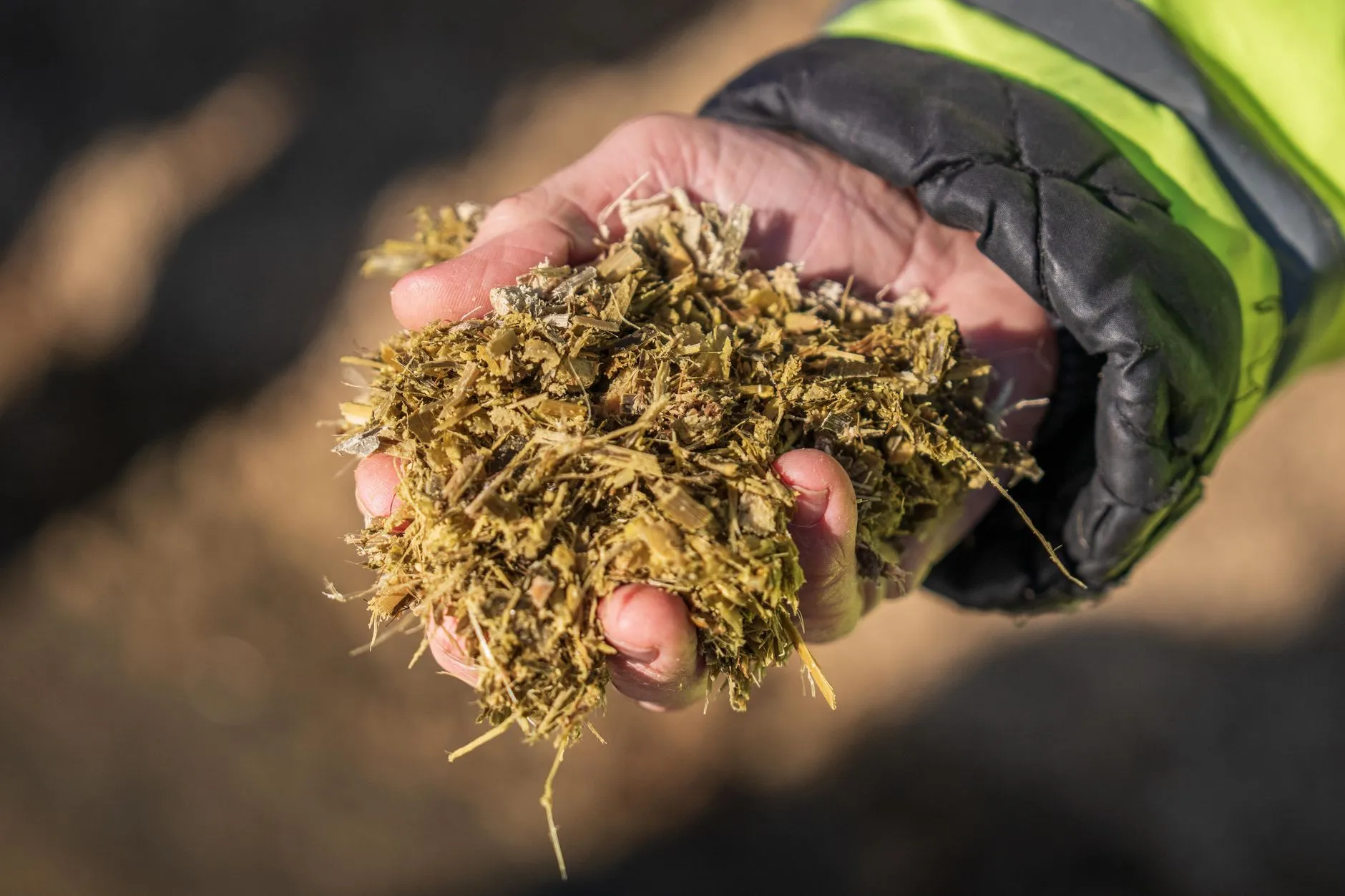
A brewery in Malaysia is testing whether agricultural waste can replace fossil gas in heavy industry. Carlsberg Malaysia is evaluating a switch from natural gas boilers to a biomass system that runs on dried oil palm waste at its production plant. If the project goes ahead, the company estimates it could cut roughly 3,600 tonnes of carbon emissions each year. That represents a 98% reduction compared with the existing gas boilers.
For UK manufacturers watching global decarbonisation trends, the scale of that drop matters. Boiler fuel is one of the biggest sources of direct emissions in processing and production facilities. Consequently, switching the heat source can deliver immediate carbon savings without redesigning the entire manufacturing process. The Carlsberg project shows how biomass can work in practice for industrial heat, provided the fuel supply is managed responsibly.
Malaysia produces vast quantities of palm oil, and the residue from that industry has traditionally been a disposal problem. Recently, however, industrial operators have started treating palm waste as a lower-carbon energy input. This project sits within that broader shift. It also raises questions that UK businesses face when evaluating biomass: where does the material come from, how is it transported, and what does the full lifecycle carbon accounting look like?
Why industrial boilers matter for carbon reporting
Most manufacturers rely on boilers to generate steam or hot water for production. In food and beverage plants, breweries, textile facilities, and chemical processors, that heat demand is constant. Traditionally, natural gas has been the default fuel because it is relatively clean, widely available, and easy to control.
Natural gas combustion produces carbon dioxide, however. Those emissions sit in Scope 1 of the greenhouse gas accounting framework, meaning they come directly from sources the company owns or controls. For businesses reporting under PPN 06/21 or working toward net zero, Scope 1 reductions are often the most straightforward to verify and the easiest to explain in tender submissions.
Switching to biomass can reduce or eliminate those direct fossil emissions, depending on how the biomass is sourced. If the feedstock comes from agricultural residue or forestry waste that would otherwise decompose and release carbon anyway, the net climate impact can be significantly lower than burning gas. The emissions still occur at the point of combustion, but the carbon is part of a shorter biological cycle rather than being pulled from geological storage.
That distinction matters for carbon accounting. Many frameworks treat sustainably sourced biomass as lower-carbon or even carbon-neutral, though the details depend on the standard being used. Meanwhile, the practical benefit is clear: replacing a gas boiler with a biomass system can remove thousands of tonnes from a company's annual carbon footprint without changing what the plant actually makes.
Carlsberg's proposal and the reported emissions impact
The Carlsberg Malaysia project involves replacing natural gas boilers with a single biomass boiler fueled by dried oil palm organic waste. The company has not yet confirmed whether the switch will proceed, but the evaluation includes detailed emissions modelling. According to reporting by The Edge Malaysia in early October 2026, Carlsberg estimates the move could cut around 3,587 tonnes of carbon emissions each year.
That figure represents a near 98% reduction compared with the emissions generated by the existing natural gas boilers. The scale of the saving suggests the biomass fuel has a very low carbon intensity, at least within the accounting methodology Carlsberg is using. It also indicates that the boiler system is a major emissions source at the plant, making it a high-impact target for decarbonisation.
Oil palm waste is abundant in Malaysia. The country is one of the world's largest palm oil producers, and the industry generates significant volumes of organic residue including empty fruit bunches, palm kernel shells, and fibres. Much of this material has historically been burned in open piles, left to decompose, or used as low-value mulch. Using it as boiler fuel turns a waste stream into an energy asset.
Drying the waste is essential before it can be burned efficiently in an industrial boiler. Fresh palm residue contains too much moisture to sustain clean combustion. Once dried, however, it becomes a relatively consistent fuel with a predictable energy content. Several Malaysian industrial operators have adopted similar systems in recent years, particularly in the palm oil processing sector itself.
Carlsberg has not disclosed the capital cost of the switch, nor has it confirmed a timeline for implementation. The company also has not detailed how it will source the palm waste or manage the supply chain. Those details will be critical if the project moves forward, because the carbon benefit depends on sustainable sourcing, efficient logistics, and proper emissions accounting across the lifecycle.
Emissions accounting and the biomass question
Biomass is not automatically low-carbon. The climate value depends on where the material comes from, how it is processed, and what would have happened to it otherwise. If biomass replaces a waste stream that would have decomposed naturally, the net carbon impact is often positive. If it requires dedicated land, displaces food crops, or involves long-distance transport, the benefit shrinks or disappears.
For Carlsberg, the use of oil palm waste appears to fall into the first category. The material is a byproduct of an existing industry and would otherwise be managed as waste. Using it for energy therefore avoids both the disposal problem and the need to burn fossil gas. That creates a double benefit, provided the supply chain is efficient.
Transport emissions can erode the carbon saving if the waste has to be moved long distances. Palm residue is bulky and relatively low in energy density compared with gas, so haulage costs and emissions can add up quickly. Ideally, the fuel supply would come from nearby estates or processing facilities. The closer the source, the stronger the carbon case.
Lifecycle emissions accounting also matters. Under standards such as ISO 14064 or the GHG Protocol, companies must account for emissions across the full value chain of the fuel. That includes harvesting, drying, transport, and combustion. If Carlsberg is claiming a 98% reduction, it implies that the lifecycle emissions of the palm waste are very low compared with natural gas. That claim would need to be verified through transparent methodology and, ideally, third-party assurance.
UK businesses evaluating biomass face similar questions. The fuel must be genuinely additional, meaning it would not have been used productively otherwise. It must be sourced sustainably, with minimal environmental or social harm. And it must be accounted for honestly, with full lifecycle emissions included in the carbon footprint. If those conditions are met, biomass can be a credible decarbonisation tool, especially for industrial heat applications where electrification is difficult or expensive.
What this means for manufacturers considering fuel switching
The Carlsberg project highlights a practical route to cutting industrial emissions without rebuilding the production line. For UK manufacturers, particularly those in food and drink, chemicals, or textiles, boiler fuel is often the largest single source of Scope 1 emissions. Switching that fuel can therefore deliver rapid carbon reductions and improve compliance performance.
Biomass is one option. Alternatives include renewable electricity for electric boilers or heat pumps, hydrogen where infrastructure exists, or hybrid systems that combine multiple fuels. Each option has different cost implications, technical requirements, and carbon profiles. Biomass tends to suit sites with access to local waste streams and existing steam infrastructure. It also offers a degree of energy security, because the fuel supply is not tied to volatile gas markets.
Supply chain sustainability is critical, however. UK businesses sourcing biomass must ensure the material meets recognised sustainability standards, such as those set by the Sustainable Biomass Program or equivalent schemes. They must also account for transport emissions and confirm that the fuel is genuinely lower-carbon than the fossil alternative. Without that rigour, the carbon claim risks being challenged in audits, tenders, or public reporting.
Cost is another major consideration. Biomass boilers typically require higher upfront investment than gas systems, though operating costs can be lower if fuel is sourced locally and cheaply. Businesses also need to plan for fuel storage, handling, and quality control. Biomass is less uniform than gas, so operators must manage variations in moisture content, ash, and energy density.
Regulatory support can help. The UK government has historically offered grants and incentives for renewable heat projects, though the policy landscape has shifted in recent years. Carbon reporting requirements under schemes such as the Streamlined Energy and Carbon Reporting framework or PPN 06/21 also create a commercial incentive to reduce Scope 1 emissions, because lower carbon intensity can strengthen tender bids and improve supply chain credentials.
For businesses with carbon reduction targets, fuel switching is often quicker and cheaper than other decarbonisation measures. Installing rooftop solar or upgrading building insulation can take years and deliver incremental savings. Replacing a boiler, by contrast, can cut emissions by tens of percentage points in a single project, provided the replacement fuel is genuinely lower-carbon.
Palm waste, food production, and the circular economy
Malaysia's palm oil industry has faced international scrutiny over deforestation, biodiversity loss, and labour practices. Nevertheless, the use of palm waste for energy is generally seen as a positive development within that broader context. It addresses a waste management challenge, reduces reliance on fossil fuels, and creates economic value from material that would otherwise be discarded.
Similar opportunities exist in the UK, though the feedstock is different. Agricultural residues such as straw, forestry waste, and food processing byproducts can all be used for energy, provided they are collected and processed efficiently. Some UK manufacturers already run biomass boilers on wood chip or pellets sourced from sustainable forestry. Others use anaerobic digestion to turn organic waste into biogas, which can then fuel boilers or generators.
The circular economy principle is central to this approach. Rather than extracting new resources, businesses use what already exists in the waste stream. That reduces pressure on virgin materials, cuts disposal costs, and lowers carbon emissions. It also aligns with broader policy goals around resource efficiency and waste reduction.
Food and drink manufacturers are particularly well placed to explore these options. Breweries generate spent grain and yeast. Dairies produce whey. Fruit and vegetable processors create peelings, pulp, and off-cuts. All of these materials have potential as energy feedstock, either through direct combustion or through digestion and biogas production. The key is matching the waste stream to the right technology and ensuring the economics make sense.
Key details from the Carlsberg Malaysia project
- Carlsberg Malaysia is evaluating a switch from natural gas boilers to a biomass boiler fueled by dried oil palm organic waste at its brewery plant.
- The company estimates the project could reduce carbon emissions by approximately 3,587 tonnes per year, a near 98% reduction compared with natural gas boilers.
- The biomass fuel would come from dried oil palm organic waste, a byproduct of Malaysia's palm oil industry.
- The project has not yet been confirmed, and details on cost, timeline, and supply chain sourcing have not been disclosed publicly.
- The initiative forms part of Carlsberg's broader sustainability efforts and reflects a wider trend in Malaysian industry toward using agricultural residue for energy.
Practical steps for UK businesses evaluating biomass
Switching to biomass is not a simple retrofit. It requires careful planning, supply chain due diligence, and transparent carbon accounting. Businesses should start by identifying their largest sources of direct emissions. For most manufacturers, that will be boilers, furnaces, or dryers. Next, evaluate whether biomass is technically feasible for those applications. Some processes require very high temperatures or precise control, which biomass may not support.
Once feasibility is established, the focus shifts to fuel supply. Where will the biomass come from? Is there a local supplier? What sustainability standards do they meet? Can the supply be guaranteed year-round? These questions matter because biomass systems depend on consistent fuel quality and availability. A broken supply chain can shut down production or force a return to fossil fuels.
Carbon accounting must be rigorous. Businesses should calculate the full lifecycle emissions of the biomass fuel, including cultivation, harvesting, processing, drying, transport, and combustion. That figure should then be compared with the lifecycle emissions of the current fossil fuel. If the biomass is genuinely lower-carbon, the case is strong. If the difference is marginal, the investment may not be justified on carbon grounds alone.
Financial support may be available. Businesses should check whether they qualify for grants, tax relief, or green financing linked to renewable heat or carbon reduction. Net zero programs often include funding for fuel switching projects, especially where the carbon saving is significant and verifiable. Procurement frameworks also increasingly reward suppliers with lower emissions, so the investment can improve competitiveness in public and private tenders.
Finally, consider the broader sustainability story. A well-executed biomass project can demonstrate environmental leadership, strengthen brand reputation, and differentiate the business from competitors. It also builds internal capability around carbon management and prepares the organisation for future regulatory tightening. Those benefits extend beyond the direct carbon saving and can justify the project even where the payback period is longer than a simple fuel cost comparison would suggest.
Further information and guidance
Businesses considering biomass or other fuel switching projects can find detailed guidance from several authoritative sources. The Department for Energy Security and Net Zero publishes information on renewable heat technologies and emissions accounting standards through its official site. The Environment Agency offers regulatory guidance on biomass combustion, emissions permits, and sustainability criteria for fuel sourcing.
The GHG Protocol provides comprehensive technical guidance on greenhouse gas accounting, including lifecycle emissions for bioenergy and the treatment of biogenic carbon in corporate inventories. For businesses navigating carbon reporting requirements, SBS compliance support can help ensure accurate accounting and credible verification across Scope 1, 2, and 3 emissions.
Trade bodies such as the Institute of Environmental Management and Assessment and the Chartered Institution of Building Services Engineers also publish technical standards and case studies on industrial decarbonisation and renewable heat. These resources can help businesses benchmark their projects against industry norms and identify practical lessons from similar initiatives.