
Study: global clean steel transition achievable without higher consumer costs
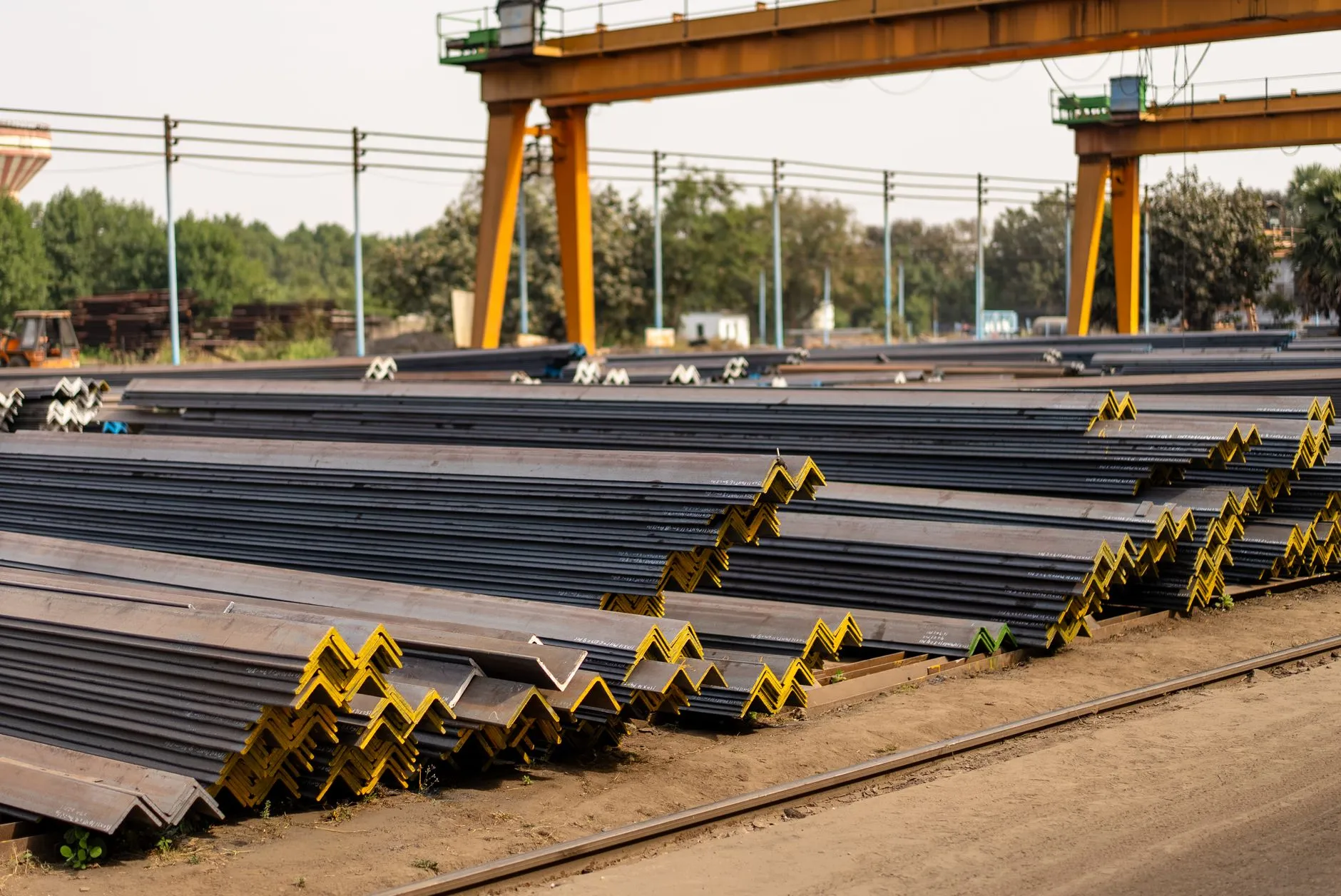
Steel production accounts for one of the largest industrial sources of carbon emissions in the UK and worldwide. The sector has long been considered difficult to decarbonise because most conventional steelmaking still depends on coal-fired blast furnaces. However, new analysis suggests the transition to low-emission steel may be more affordable than many businesses expect, particularly when policy design spreads costs across the market rather than concentrating them on manufacturers or taxpayers.
A recently published study argues that targeted subsidies for near-zero-emission steel, combined with a levy on all domestic and imported steel, could bridge the price gap between clean and conventional production. The approach aims to be revenue-neutral for government while adding only minimal costs to consumer goods. For SMEs in construction, manufacturing, and engineering, this matters because steel sits at the heart of supply chains, procurement decisions, and increasingly, tender requirements tied to carbon reduction.
The shift to cleaner steel is no longer a distant prospect. It is becoming a live commercial issue as buyers, particularly in the public sector, begin asking suppliers about embodied carbon in materials. Understanding how the cost premium might be managed, and what policy support could look like, is therefore relevant to any business that buys, specifies, or works with steel.
Coal dependency keeps steel emissions high across the industry
Conventional steel production relies heavily on blast furnaces that use coal and coke to reduce iron ore. This process is energy-intensive and generates substantial carbon dioxide emissions. Consequently, steel has been identified as one of the hardest industrial sectors to decarbonise, alongside cement, chemicals, and heavy transport.
Previous research has consistently found that greener production routes typically cost more than traditional methods, at least in the early stages. Cost premiums have often been cited in the range of 20% to 30%, and sometimes higher depending on the technology chosen and prevailing market conditions. These figures have made many businesses cautious about the speed and affordability of any transition.
Nevertheless, the debate is shifting. Rather than asking whether clean steel is technically possible, the question now centres on how policy can support deployment without undermining competitiveness or forcing governments to absorb unsustainable subsidy costs. Furthermore, there is growing recognition that the impact on finished goods may be smaller than the production cost premium suggests, because steel represents only one component among many in most products.
Revenue-neutral subsidy model proposed to close the cost gap
The policy-focused analysis argues that a subsidy-and-recharge model could make clean steel support affordable for government and consumers alike. Under this approach, subsidies would be funded by a charge or levy applied to all steel sold in the domestic market, whether produced locally or imported. This structure is designed to be revenue-neutral, meaning the government does not carry a net fiscal burden.
The levy would spread the cost of supporting cleaner production across the entire steel market. As a result, the price signal encourages lower-emission steelmaking without creating a competitive disadvantage for early movers. Imported steel would face the same charge as domestic steel, reducing the risk that production simply shifts to jurisdictions with weaker climate rules.
According to the analysis, the added cost to consumer products such as cars, dishwashers, or refrigerators would be trivially low during the early deployment phases. Steel is one input among many in these goods, so even a significant percentage increase in steel costs translates into a much smaller increase at the point of sale. One estimate suggests that if the full cost of greener steel were passed through into a passenger car, the retail price might rise by roughly 0.5% to 1%.
This matters for SMEs because it suggests that the transition need not lead to sharp price increases for the goods they buy or sell. Moreover, it reduces the risk that sustainable procurement requirements will become prohibitively expensive, particularly for businesses bidding on public sector contracts with carbon reduction criteria.
Technical pathways vary in cost and emission performance
Research by the IEA Greenhouse Gas R&D Programme examined the environmental and economic outlook for clean steel production. The report found that clean steel will likely remain more expensive than conventional steel in the near term, but certain pathways can become competitive under specific conditions. By 2050, the lowest breakeven routes identified include blast furnace and basic oxygen furnace systems with bioenergy and carbon capture, as well as natural gas direct reduced iron with electric arc furnaces and carbon capture.
Hydrogen-based blast furnace routes were found to be more expensive than the conventional baseline in the scenarios examined. However, costs are expected to fall as hydrogen production scales and renewable electricity becomes cheaper. The report also noted that consumers with a shadow carbon price of €100 per tonne of CO₂ would be willing to pay a maximum premium of about 30% for clean steel compared with conventional steel.
The likely premium, depending on assumptions and technology choices, was estimated to fall in the range of 17% to 30%. These figures align with earlier academic work, which found that green steel can cost 20% to 50% more to produce but has a much smaller impact on final consumer products because steel is only one material input.
For businesses, the implication is that the cost of clean steel is not uniform. It depends on the production route, the availability of low-carbon energy, the maturity of carbon capture technology, and the policy environment. Consequently, companies specifying steel for projects should expect variation in pricing and carbon intensity depending on supplier choices and geography.
Steel costs and carbon content now feature in procurement decisions
Steel is a foundational material for construction, transport, machinery, and infrastructure. Decarbonising it therefore has economy-wide implications. For SMEs, the shift to cleaner steel is already beginning to show up in tender documents, supply chain questionnaires, and client expectations around embodied carbon.
Public sector buyers in particular are increasingly required to assess whole-life carbon when awarding contracts. This includes emissions embedded in materials such as steel, concrete, and aluminium. Suppliers unable to provide clarity on the carbon intensity of their materials may find themselves at a disadvantage, especially as Procurement Policy Note 06/21 and similar frameworks embed carbon reduction into evaluation criteria.
The cost premium for clean steel, while real, may therefore be offset by competitive advantage in tenders that reward lower emissions. Additionally, businesses that understand the policy landscape and can demonstrate credible plans to reduce embodied carbon may be better positioned to secure work from clients with net-zero commitments.
There is also a risk dimension. If policy shifts rapidly to penalise high-carbon materials through taxation, border adjustments, or stricter standards, businesses locked into conventional supply chains could face sudden cost increases or compliance challenges. Early engagement with cleaner steel suppliers, even on a trial basis, can reduce this exposure.
What UK businesses should understand about clean steel costs
- Clean steel production currently costs 20% to 30% more than conventional steel in most cases, though this varies by technology and region.
- The cost premium at the production stage typically translates into a much smaller increase in finished goods, often less than 1% for products like cars or appliances.
- A proposed subsidy-and-recharge model could make government support revenue-neutral by funding clean steel subsidies through a levy on all steel sold domestically.
- By 2050, certain low-emission steelmaking routes may reach cost parity with conventional methods, particularly if carbon pricing or policy support continues.
- Hydrogen-based production remains more expensive than other pathways but costs are expected to fall as renewable energy and hydrogen infrastructure develop.
- Steel buyers should expect growing scrutiny of embodied carbon in procurement, especially from public sector clients and large corporates with net-zero targets.
How SMEs can prepare for the transition to lower-emission steel
Businesses that specify, purchase, or work with steel should begin by understanding where emissions sit in their supply chain. For many SMEs, embodied carbon in materials is a blind spot. It rarely appears on invoices and is not yet a standard part of supplier conversations. However, that is changing, and waiting until clients demand carbon data can leave businesses scrambling.
Start by asking suppliers about the carbon intensity of the steel they provide. Not all will have answers immediately, but the question signals that you are paying attention and encourages them to engage with the issue. Some suppliers are already working with mills that use electric arc furnaces powered by renewable electricity, or that are piloting hydrogen reduction. These routes typically have lower emissions than coal-based blast furnaces.
Consider how steel choices might affect your competitiveness in tenders. If you work with the public sector or large corporates, review recent procurement frameworks to see how embodied carbon is being assessed. Our compliance support can help you interpret these requirements and identify where carbon data is expected.
Think about cost planning. If a levy on steel is introduced to fund clean steel subsidies, prices may rise modestly across the board. However, the increase is likely to be manageable and may be offset by policy support for low-emission options. Businesses that lock in long-term contracts with suppliers offering lower-carbon steel may gain price certainty and future-proof their supply chains.
Training can also help. Understanding the basics of carbon accounting, Scope 3 emissions, and material intensity will become increasingly important as reporting expectations broaden. The SBS Academy offers practical sessions on these topics, designed for people who need to get up to speed quickly without wading through jargon.
Finally, do not assume that clean steel is only relevant to large manufacturers. Even small fabricators, contractors, and design consultancies are being asked to account for the carbon in their projects. If you can demonstrate knowledge of lower-emission materials and credible sourcing, you differentiate yourself from competitors who treat carbon as someone else's problem.
Where to find further guidance and technical detail
The IEA Greenhouse Gas R&D Programme has published detailed technical and economic analysis of clean steel pathways. The report, titled "Clean steel: An environmental and techno-economic outlook," is available on the IEA Greenhouse Gas website and provides scenario modelling and cost breakdowns for various production routes.
For broader context on industrial decarbonisation in the UK, the Department for Energy Security and Net Zero publishes policy updates and consultations on emissions reduction across heavy industry. Visit gov.uk for the latest government strategy documents.
Businesses looking for practical support on carbon reporting, procurement compliance, or supply chain emissions can explore our net-zero program, which includes guidance tailored to SMEs navigating PPN 06/21 and related frameworks. The program covers embodied carbon, Scope 3 emissions, and how to build credible reduction plans that meet client and regulatory expectations.