
New guide helps councils tap into community solar opportunities
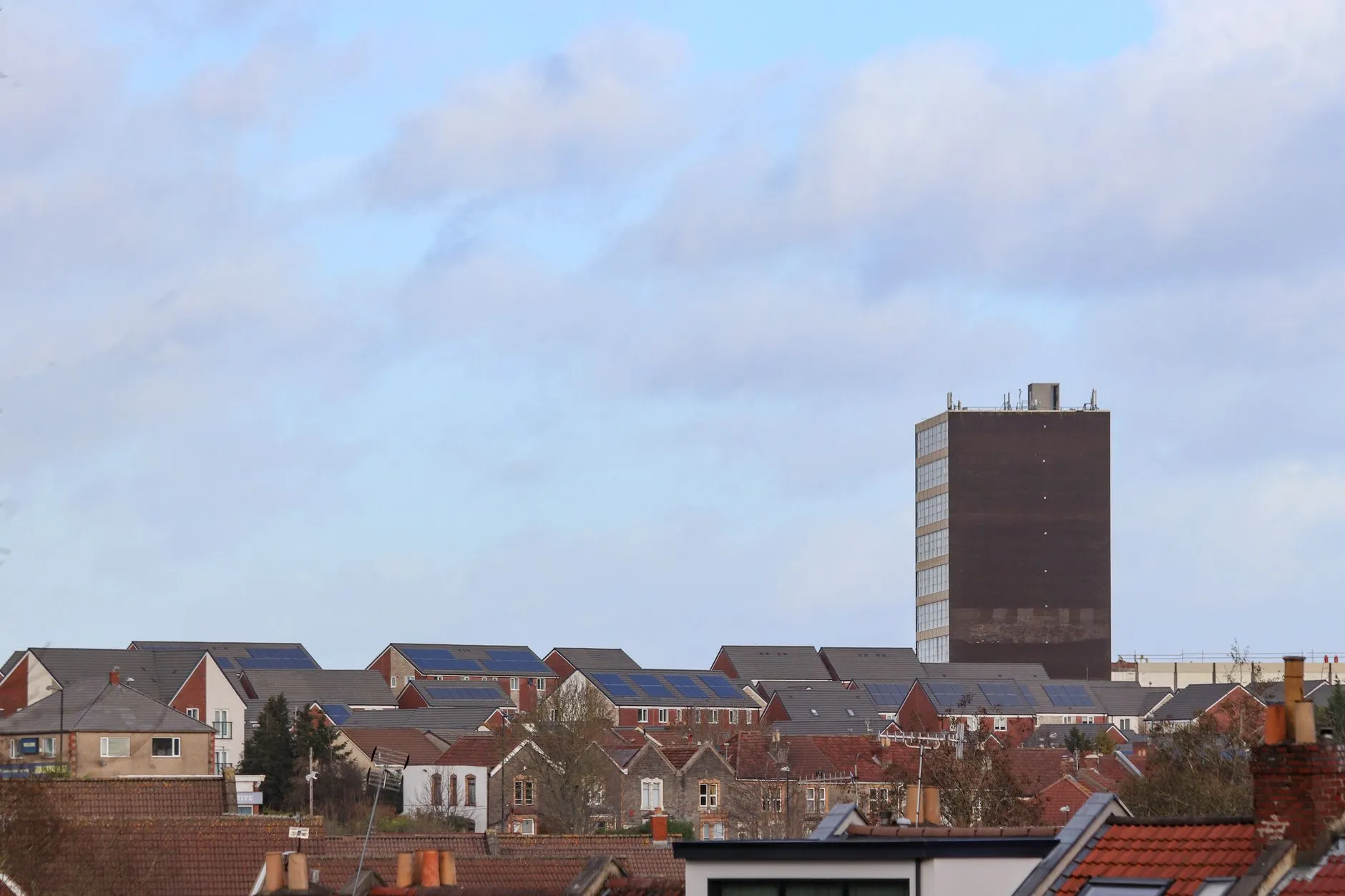
Great British Energy partnership fund targets council and community solar schemes
Great British Energy is preparing to open a partnership fund for councils and community groups developing shared solar projects. Meanwhile, a new guide has been published to help local authorities and community organisations work together on renewable schemes. The move forms part of a wider government push to expand locally owned clean power, reduce energy costs, and increase public participation in renewable energy.
The policy sits within Great British Energy's Local Power Plan. That plan commits to supporting more than 1,000 local and community energy projects and expanding shared ownership of clean generation. Funding will be available across project stages, including early-stage grants, loans, and project finance. Specific support is earmarked for community energy groups and local government partnerships.
The government first set out Great British Energy's role in March 2025. At that point, it announced support for rooftop solar and renewable schemes for schools, NHS sites, local authorities, and community groups. The package included nearly £12 million for local authorities and community energy groups. A separate £10 million programme was allocated to mayoral strategic authorities to back local clean power projects.
Partnership fund designed to support joint solar development
The new guide is intended to help councils and community groups collaborate on solar schemes. This comes as Great British Energy prepares to launch the Partnership Fund for joint projects. According to the Local Power Plan, the fund will support local government projects developed alongside community energy groups. The aim is to strengthen local resilience and boost capacity.
Local government guidance circulating in England describes the Partnership Fund as being aimed at joint local authority and community energy projects. Notably, the fund is designed to help with early-stage viability rather than directly pay for equipment. A sector briefing indicates the fund is expected to mirror the main community fund's early-stage structure. Consequently, grants will focus on feasibility and development work rather than capital costs.
This approach reflects a practical financing gap in community energy. Community groups often have local trust and ambition. However, they typically lack land, rooftops, and administrative capacity. Councils possess those assets but may not have the community networks or project development experience. Therefore, a partnership fund is designed to combine those strengths and make more projects viable at the earliest stage.
How the funding programmes fit together
Great British Energy's Local Power Plan says it is backed by funding of up to £1 billion for local and community energy projects. The plan commits to supporting more than 1,000 local and community energy projects and increasing shared ownership. Funding opportunities will be available for all stages of the project life cycle.
The March 2025 government announcement included nearly £12 million for local authorities and community energy groups. In addition, Great British Energy committed £5 million to the Great British Energy Community Energy Fund. The Partnership Fund is being developed specifically for joint local government and community energy projects. A later government solar update said the wider Great British Energy Solar Partnership could total up to £255 million.
The Local Power Plan also signals a more structured approach to financing. This includes grants for feasibility studies, development support, and possible project finance later on. For local government, the plan states: "Apply for partnership grants for joint projects with local community energy groups, strengthening local resilience, sharing expertise and boosting staffing capacity."
Recent developments in government solar policy
The government has begun turning Great British Energy's local-energy mandate into live funding programmes. In July 2026, the Department for Education announced another wave of solar rollout for schools and colleges. This reinforces the government's wider strategy of using public buildings to accelerate deployment and reduce bills.
The structured financing approach matters because many community solar schemes fail before construction. The cost of surveys, planning work, legal agreements, and grid connection studies often stops projects before they reach the build phase. Early-stage grants for feasibility and development work are designed to address this barrier. As a result, more projects may reach financial close and construction.
The government has also emphasised continuity from previous community energy support. One policy document notes: "This will help ensure continuity from the £10m Community Energy Fund previously delivered by the Hubs." This suggests the new funding programmes are intended to build on existing community energy infrastructure rather than replace it.
Essential facts for businesses and local authorities
- Great British Energy's Local Power Plan is backed by funding of up to £1 billion for local and community energy projects.
- The plan commits to supporting more than 1,000 local and community energy projects and expanding shared ownership of clean generation.
- The March 2025 government announcement included nearly £12 million for local authorities and community energy groups.
- The wider Great British Energy Solar Partnership could total up to £255 million according to a government solar update.
- The Partnership Fund is being developed specifically for joint local government and community energy projects.
- Funding will cover early-stage viability work including feasibility studies and development support rather than direct equipment costs.
What this means for councils and community groups
The significance of the guide is less about a single publication and more about what it represents. Specifically, this marks a shift from isolated community projects to a more formal pipeline for local clean-energy delivery. If councils can partner effectively with community groups, projects may become easier to develop. Furthermore, they may be more politically durable and more likely to retain benefits locally.
Those local benefits could include lower energy bills for participants or reinvestment in community priorities. Shared ownership models can also create ongoing revenue streams for communities. For councils, partnership projects offer a route to renewable energy development without carrying all the project risk and development cost internally.
The structured funding approach also addresses a common problem in community energy. Many schemes have strong local support but struggle to fund the early-stage work needed to prove viability. Feasibility studies, grid connection assessments, and planning consultations all cost money. Without grants to cover those costs, projects often stall before reaching the stage where mainstream finance becomes available.
For businesses, the developments signal that local and community energy is becoming a more established part of the UK energy mix. Consequently, supply chains for community-scale solar may expand. Installation firms, legal advisers, and technical consultants may see increased demand for services. Businesses with suitable rooftops or land may also be approached by councils or community groups about hosting shared solar schemes.
Commercial considerations for businesses considering involvement
Businesses with suitable rooftops or land may find themselves approached about hosting community solar schemes. There are several factors to consider. First, roof or land leases for solar typically run for 20 to 25 years. Therefore, businesses need to be confident the site will remain suitable for that period. Second, businesses should establish who owns the electricity generated and what the pricing arrangements are.
In some models, the business hosts the panels and buys the electricity at a discount to grid prices. In others, the business simply leases the roof or land and plays no role in the power arrangements. Each model has different commercial and administrative implications. Legal advice is typically needed to ensure lease terms, insurance, and maintenance responsibilities are clearly defined.
Businesses may also encounter community solar schemes through supply chain requirements. Public sector buyers are increasingly asking suppliers about environmental performance. A business that can demonstrate renewable energy use or participation in local clean-energy schemes may gain an advantage in tenders. However, greenwashing claims are scrutinised more closely now. Consequently, any claims must be specific and evidenced.
For businesses considering setting up their own solar, the emergence of partnership funding may offer an alternative route. Rather than funding a private installation, a business could explore a partnership with a community energy group or local authority. This could reduce upfront costs and create community benefits that support corporate social responsibility objectives. However, it also means shared decision-making and potentially slower project timelines.
Relevant policy and guidance sources
The Department for Energy Security and Net Zero oversees Great British Energy and sets the wider policy framework for community energy. The department publishes policy updates and consultations on renewable energy support schemes.
Great British Energy's Local Power Plan sets out the strategic approach to community and local energy. The plan includes details of funding programmes, eligibility criteria, and policy objectives. Local authorities and community groups should refer to this document for the most current information on partnership funding.
The Department for Education announced the July 2026 solar rollout for schools and colleges. This programme forms part of the wider government strategy to use public buildings for renewable energy deployment.
Community energy groups can find technical and legal guidance through Community Energy England, the national membership body for the community energy sector. The organisation provides resources on project development, funding, and legal structures for community energy schemes.
Why the partnership approach matters now
The guide and partnership fund represent a practical response to a policy moment. Great British Energy is preparing to channel more support into community-scale solar. Councils are being positioned as key delivery partners. If the Partnership Fund launches as expected, it could become an important route for accelerating locally owned solar while keeping more of the financial and social benefits in communities.
The approach also reflects lessons from previous community energy programmes. Projects developed in isolation often struggled with funding gaps, technical capacity, and administrative burden. By creating formal partnership structures and dedicated funding, the government is attempting to address those barriers systematically. Whether this approach succeeds will depend on how the funding is designed, how quickly it becomes available, and whether the administrative requirements are proportionate to project size.
For UK businesses, the broader trend is clear. Local and community energy is moving from a niche activity to a core part of the energy transition. Businesses that understand how these schemes work and where they might intersect with their own operations will be better placed to respond to opportunities and requirements as they emerge.