
COP17: New Investment Matchmaking Hub to Address $278 Billion Land Restoration Gap
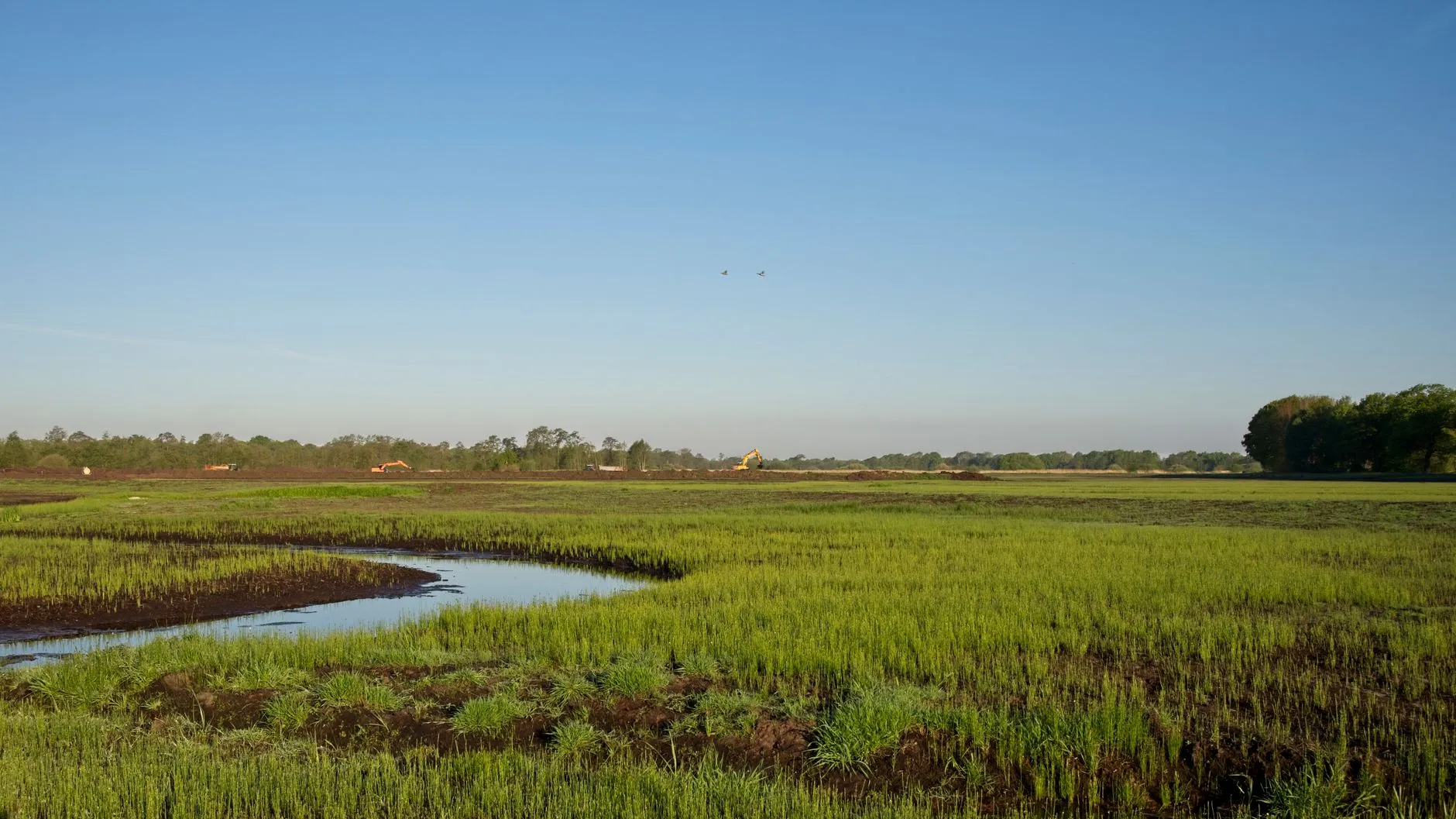
Mongolia conference launches rangeland finance platform to address $278bn funding gap
A new investment platform launched at the UN Convention to Combat Desertification talks in Mongolia aims to connect rangeland restoration projects with investors. The initiative responds to a persistent shortfall in land restoration finance that UN officials estimate at roughly $278 billion each year.
The platform emerged from COP17 meetings in Ulaanbaatar, where officials framed land degradation as both an environmental threat and an economic risk. Current global investment in land restoration sits at approximately $77 billion annually. However, meeting land restoration and drought resilience targets requires around $355 billion per year from 2025 to 2030.
For UK businesses with supply chains touching agriculture, food production, or natural resources, the financing gap represents both a risk and an opportunity. Degraded land threatens commodity prices, water availability, and the stability of rural economies. Consequently, how this gap gets filled will shape everything from raw material costs to supply chain resilience.
The matchmaking hub is designed to translate local restoration initiatives into financeable projects. It forms part of COP17's broader effort to shift land restoration finance from public pledges to deployable capital. Specifically, the platform addresses a common problem in environmental finance: many restoration projects are too fragmented or underdeveloped to attract investment at scale.
How the UN arrived at a $2.6 trillion restoration bill
UNCCD's financial needs assessment, launched at COP16 in Riyadh, calculated that restoring degraded land and building drought resilience will require at least $2.6 trillion in total investments by 2030. That works out to roughly $1 billion per day.
The assessment found that annual investment of about $77 billion leaves a persistent shortfall of approximately $278 billion each year. Moreover, the private sector currently provides only around 6% of global land restoration and drought resilience funding. Public resources alone appear unlikely to close the gap.
UN officials argue that private capital must play a substantially larger role. The COP17 ministerial dialogue noted that "approximately $355 billion is required annually between 2025 and 2030" while "annual investment is estimated at around $77 billion, leaving a financing gap of about $278 billion per year."
The cost of inaction carries its own price tag. UNCCD estimates that failing to restore degraded land will cost about $878 billion annually. By comparison, the required investment could generate approximately $1.8 trillion in annual benefits. Officials describe this as an eight-to-one return.
These figures represent a significant shift in how land degradation is discussed. Previously, the conversation focused on ecological loss and biodiversity decline. Now, the debate centers on quantified financial risk and measurable economic returns. This reframing matters because it changes who sits at the table and what arguments carry weight.
Mongolia's rangeland platform addresses investor barriers
The matchmaking platform operates on a straightforward premise. Many restoration projects exist but lack the structure, documentation, or scale that investors require. Therefore, the platform aims to reduce transaction costs, improve project visibility, and convert restoration needs into investable pipelines.
Rangeland restoration projects often face specific challenges. Returns are long-term rather than immediate. Projects may be geographically dispersed across remote areas. Local communities hold important knowledge but may lack experience in financial structuring. These factors have historically deterred private investment.
The platform attempts to bridge these gaps by connecting project developers with investors who understand land-based finance. It also links to the Business4Land initiative, which showcases private sector engagement at COP17. A related "Business for Land" forum explicitly focuses on accelerating investment and demonstrating commercial pathways.
This approach reflects a broader push to use market mechanisms, blended finance, and business engagement to scale up restoration financing. However, success depends on whether the platform can convert dialogue into bankable deals. Particularly in regions where public sector de-risking remains limited, the gap between pledges and deployed capital can persist for years.
For businesses, the platform represents a potential route into nature-based investments that could eventually generate carbon credits, biodiversity offsets, or supply chain resilience benefits. Nevertheless, the commercial case will need to be proven through completed projects rather than conference commitments.
Core facts about the global land restoration finance gap
- Annual investment required to meet land restoration and drought targets stands at approximately $355 billion from 2025 to 2030, according to UNCCD assessments.
- Current annual investment totals about $77 billion, leaving a financing gap of roughly $278 billion each year.
- Total investment needed by 2030 reaches at least $2.6 trillion, or about $1 billion per day.
- Private sector funding currently accounts for only around 6% of global land restoration and drought resilience finance.
- The estimated cost of inaction sits at approximately $878 billion per year in economic losses from continued land degradation.
- Required investment could generate annual benefits of about $1.8 trillion, representing an estimated eight-to-one return according to UN figures.
Why rangeland finance matters for UK supply chains
Healthy rangelands underpin food security, water regulation, biodiversity, and rural livelihoods. This matters particularly in arid and semi-arid regions that supply commodities to UK businesses. UNCCD describes land as "vital infrastructure," and the financing debate reflects growing recognition that degradation creates material economic risk.
For manufacturers, food processors, and retailers, degraded rangelands translate into volatile commodity prices, unreliable supply, and increased operational risk. Water scarcity affects everything from crop yields to processing capacity. Soil degradation reduces productivity and can force suppliers to abandon established growing regions.
The financial gap also signals where future regulatory pressure may land. If governments cannot mobilize sufficient public funds, they are likely to turn to mandatory disclosure requirements, supply chain due diligence rules, or nature-related financial reporting. UK businesses with international supply chains should anticipate that land degradation will feature more prominently in compliance frameworks.
Additionally, the scale of the funding requirement suggests that blended finance structures will become more common. These arrangements typically combine public grants or guarantees with private investment to reduce risk. Businesses comfortable with such structures may find opportunities to secure long-term supply or meet emerging biodiversity and nature-positive commitments.
The eight-to-one return figure cited by UNCCD also bears scrutiny. While the methodology behind such estimates varies, it suggests that restoration finance is being positioned as economically rational rather than purely philanthropic. This framing may make it easier for businesses to justify investment internally, particularly if returns can be demonstrated through improved yields, water availability, or climate resilience.
However, realizing those returns requires projects to be properly structured, monitored, and managed over multi-year timeframes. The Mongolia platform is one attempt to create that structure. Whether it succeeds will depend on transaction volumes, deal completion rates, and the ability to replicate the model elsewhere.
Commercial implications for businesses with land-exposed supply chains
The COP17 platform and the wider restoration finance debate carry several practical implications for UK businesses. First, companies with supply chains in agriculture, textiles, food, or natural resources should assess their exposure to land degradation risk. This means identifying which suppliers operate in degraded or at-risk regions and understanding how degradation could affect costs, quality, or continuity of supply.
Second, businesses tendering for public sector contracts should be aware that land use and nature-related criteria are likely to feature more prominently. PPN 06/21 already requires carbon reduction plans for central government contracts above £5 million. Future procurement policy may extend similar requirements to nature and land use, particularly as the UK develops its environmental land management schemes and biodiversity net gain rules.
Third, firms considering nature-based investments or carbon offsetting should monitor how platforms like the Mongolia initiative perform. If the platform successfully channels capital into verified restoration projects, it could provide a model for similar initiatives in regions where UK businesses source materials. This could open routes to credible offsets or supply chain resilience investments that also generate measurable environmental returns.
Fourth, the emphasis on blended finance and private capital suggests that businesses may face increasing expectations to co-invest in restoration projects alongside public funds. This could take the form of supply chain financing, advance purchase agreements, or direct investment in land restoration projects that secure future supply.
Fifth, the focus on rangelands highlights a broader issue: many businesses underestimate their dependence on healthy land. Rangelands support livestock production, water filtration, pollination, and climate regulation. Degradation of these systems affects commodity prices, insurance costs, and operational risk. Therefore, businesses should consider how land health features in their risk assessments and long-term planning.
Finally, the speed with which restoration finance is being quantified and structured suggests that disclosure requirements will follow. The Taskforce on Nature-related Financial Disclosures is already developing frameworks for nature risk reporting. Businesses that understand their land-related dependencies now will be better positioned to respond when disclosure becomes mandatory.
Where UK businesses can find authoritative guidance
The UK government provides guidance on environmental land management and biodiversity net gain through the Department for Environment, Food and Rural Affairs. Businesses can find information on carbon reduction plans and procurement policy through government procurement policy notes.
For broader context on global land restoration finance and the UNCCD process, the UN Convention to Combat Desertification website publishes assessments, reports, and COP outcomes. The UK government's nature-positive roadmap outlines how nature and land use will feature in domestic policy.
Businesses seeking support with carbon reporting, supply chain sustainability, or nature-based investment planning can explore compliance support for carbon reporting and ESG requirements. For companies tendering for public contracts that require carbon reduction plans, our net-zero program for carbon reporting compliance provides structured support aligned with PPN 06/21.
The Environment Agency offers guidance on environmental risk assessment for businesses operating in or sourcing from land-sensitive sectors. Trade bodies such as the Institute of Environmental Management and Assessment provide technical resources on land use, biodiversity, and nature-related risk for UK businesses.