
COP31 Action Tracker: Key Climate Policy Developments
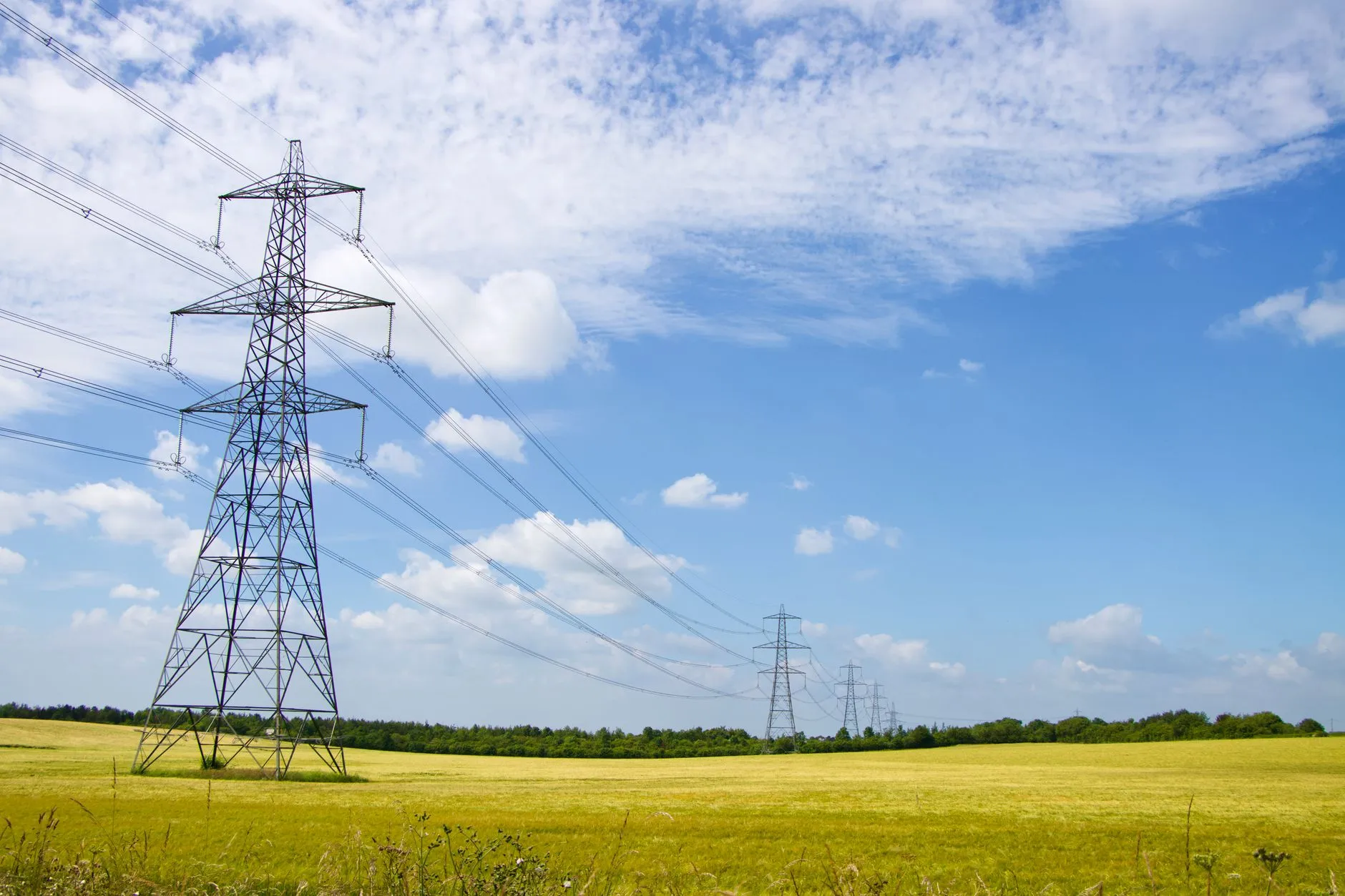
Germany has published a formal plan to end its use of coal, oil, and gas by 2045. The roadmap, released by the Federal Environment Ministry on 23 September 2026, sets out how Europe's largest economy will shift to climate neutrality through renewable electricity, electrification of transport and heating, and hydrogen deployment. The announcement came during United Nations General Assembly week in New York, where climate discussions centred on turning pledges into policy ahead of COP31 in Türkiye later this year.
Meanwhile, Türkiye's COP31 presidency launched a global electrification pledge. The proposal aims to increase electricity's share of global final energy consumption to 35 per cent by 2035. It reflects a broader diplomatic shift towards sector-specific commitments rather than abstract emissions targets.
For UK businesses, these developments signal where regulatory pressure and market expectations are heading. Electrification is no longer a future scenario. It is becoming the delivery mechanism for net zero across industrial economies. That has direct consequences for energy costs, supply chain standards, procurement criteria, and compliance timelines.
Germany commits to full fossil fuel exit by 2045
The German roadmap builds on the country's Climate Action Program 2026. It confirms several binding milestones. Climate neutrality must be reached by 2045. Coal generation will end no later than 2038, though the government is exploring whether that date can be brought forward to 2035. Any new gas-fired power stations funded by the state must be hydrogen-ready and convert to green hydrogen by the 2045 deadline.
Electrification sits at the core of the plan. According to the ministry, Germany's climate strategy will focus on renewable energy to generate electricity and on the electrification of transport, heating, and industrial processes. This marks a departure from earlier approaches that treated fossil fuel reduction as a distant aspiration. Instead, the roadmap treats it as an engineering and investment challenge with a fixed end date.
Reuters reported that the roadmap was presented at the United Nations in New York on 23 September. The timing was deliberate. By unveiling the plan during UNGA week, Germany aligned itself with UN calls for faster implementation and gave negotiators a concrete example of how a major industrial economy intends to phase out fossil fuels.
The ministry described the document as a framework for transitioning away from the use of fossil fuels no later than 2045. It stops short of prescribing every policy instrument but establishes the direction of travel and the non-negotiable deadlines. For businesses operating in or trading with Germany, this creates a firmer planning horizon than most previous policy statements.
Türkiye's COP31 electrification pledge targets 35 per cent by 2035
Türkiye's environment minister and COP31 president-designate, Murat Kurum, introduced an electrification pledge during New York Climate Week. Climate Home News reported that the COP31 presidency shared a final text with governments, seeking support for a target of 35 per cent of global energy use coming from electricity by 2035. The pledge is designed to accelerate electrification across sectors while helping developing countries identify grid investment needs and access finance.
The proposal matters because it shifts the conversation from emissions accounting to infrastructure delivery. Electrification requires grid capacity, storage, demand management, and coordinated industrial policy. Consequently, the pledge links ambition directly to investment and access, particularly for economies that lack the capital or technical capacity to build out grids at the required pace.
COP31 is scheduled to take place in Antalya, Türkiye, from 9 to 20 November 2026. The electrification pledge is expected to be a central theme. If adopted, it would create a global benchmark against which national energy strategies can be measured. That would, in turn, affect how supply chains are assessed, how procurement is structured, and what standards become embedded in trade agreements.
UN Secretary-General António Guterres used the UN climate summit in New York to call for renewable energy capacity to triple, energy efficiency to double, faster electrification, sharp cuts in methane emissions, and an end to deforestation. The electrification pledge fits within that broader push. It translates the Secretary-General's call into a measurable target with sectoral implications.
What electrification means for UK manufacturers and service providers
Electrification changes the cost structure and risk profile of doing business. For manufacturers, it means replacing gas boilers with heat pumps, switching fleet vehicles to electric, and redesigning processes that currently rely on fossil fuel combustion. Each of those changes carries upfront capital cost. However, they also reduce exposure to volatile gas and oil prices and align operations with emerging regulatory expectations.
Public sector suppliers already face carbon reporting requirements under Procurement Policy Note 06/21. As electrification becomes a stated policy goal in major economies, those requirements are likely to tighten. Buyers will ask not just for emissions data but for evidence of transition plans. Suppliers without credible electrification strategies may find themselves at a disadvantage in tenders, particularly for long-term contracts.
Private sector supply chains are moving in the same direction. Large corporates are setting Scope 3 targets that push emissions responsibility down the chain. In practice, that means asking suppliers to decarbonise their operations. Electrification is the most visible and measurable way to demonstrate progress. Businesses that delay electrification may find themselves locked out of contracts or subject to price penalties as buyers seek lower-carbon alternatives.
Energy costs are another factor. Electrification reduces reliance on gas, which has been subject to significant price volatility since 2021. However, it increases electricity demand. Businesses need to consider whether their sites have sufficient grid capacity and whether they can access renewable electricity tariffs that offer price stability. Power purchase agreements and onsite generation become more commercially important as electrification scales up.
There are also compliance risks. The UK government has committed to net zero by 2050. The Climate Change Act requires emissions reductions across the economy. As other major economies publish roadmaps with binding deadlines, UK policy is likely to follow suit. Businesses that wait for mandates will face compressed timelines and limited supplier capacity. Those that plan now can spread costs and secure better terms.
Training and skills are often overlooked. Electrification requires different technical expertise. Maintenance teams need to understand heat pumps, battery storage, and vehicle charging infrastructure. Procurement teams need to evaluate electricity contracts and renewable energy certificates. Finance teams need to model the return on investment for capital-intensive upgrades. Building that capability takes time, and the labour market is already tight.
Five facts about Germany's roadmap and the COP31 electrification push
- Germany's Federal Environment Ministry published its fossil fuel exit roadmap on 23 September 2026, setting 2045 as the deadline for climate neutrality.
- Coal generation in Germany will end no later than 2038, with the government examining whether the phase-out can be accelerated to 2035.
- New state-funded gas power stations in Germany must be hydrogen-ready and convert to green hydrogen by 2045.
- Türkiye's COP31 presidency has proposed a global electrification pledge to raise electricity's share of global final energy consumption to 35 per cent by 2035.
- COP31 is scheduled to take place in Antalya, Türkiye, from 9 to 20 November 2026, with electrification expected to be a central negotiating theme.
How businesses should approach electrification planning
At SBS, we work with businesses that are trying to make sense of these shifts before they become compliance emergencies. The pattern we see is consistent. Companies that treat electrification as a strategic investment fare better than those that treat it as a regulatory burden. The difference lies in timing, planning, and understanding where your biggest risks and opportunities sit.
Start with an energy audit. You need to know where fossil fuels are used in your operations and what it would take to electrify those processes. That includes heating, transport, and any industrial equipment that runs on gas or oil. The audit should also assess your electricity supply. Can your site handle increased electrical load? Do you need grid reinforcement? Are there opportunities for onsite generation or battery storage?
Next, model the financial case. Electrification typically involves higher capital expenditure but lower operating costs. The payback period depends on energy prices, equipment lifespan, and available grants or tax incentives. In some cases, the business case is already positive. In others, it becomes viable only when you factor in avoided compliance costs or the risk of losing contracts. Either way, you need numbers that reflect your specific circumstances.
Consider your supply chain position. If you supply large organisations or public sector bodies, electrification may become a condition of doing business. Our sustainable procurement support helps suppliers understand what buyers are asking for and how to demonstrate compliance. If you are a buyer, you need to think about how electrification expectations will affect supplier risk and whether your procurement criteria are aligned with your own net zero commitments.
Training is critical. Electrification changes how your business operates. Staff need to understand new equipment, new safety procedures, and new maintenance requirements. The SBS Academy offers training on carbon reporting, Scope 3 emissions, and sustainable operations. Investing in skills now reduces the risk of costly mistakes later.
Finally, track policy developments. Germany's roadmap will not be the last. Other major economies are likely to publish similar plans as COP31 approaches. The UK government will be under pressure to clarify its own timelines and sector-specific targets. Staying ahead of that curve means you can plan rather than react. We help clients monitor regulatory changes and translate them into operational requirements through our compliance support services.
Electrification is not a single project. It is a shift in how energy is sourced, stored, and used. Businesses that treat it as a transition rather than a task are better positioned to manage costs, reduce risk, and meet evolving expectations from buyers, regulators, and investors.
Where to find official guidance and policy updates
For detail on Germany's fossil fuel roadmap, the Federal Environment Ministry published the full plan in September 2026. The document is available through official German government channels. UK businesses can also monitor updates from the Department for Energy Security and Net Zero, which publishes UK policy on decarbonisation and energy transition.
The COP31 presidency website provides updates on the electrification pledge and other negotiating priorities ahead of the Antalya summit. For broader context on UN climate efforts, the United Nations climate change portal tracks international policy developments and multilateral commitments.
Businesses looking for practical guidance on electrification and carbon reporting can access resources through IEMA, the professional body for environment and sustainability practitioners. IEMA publishes sector-specific guidance on net zero planning and environmental management systems.
Staying informed matters. Policy is moving faster than it has in previous cycles, and the gap between announcement and implementation is narrowing. Businesses that monitor these sources and translate them into planning assumptions will be better prepared than those that wait for mandates to land.