
Decarbonising Global Shipping is Possible but Costly
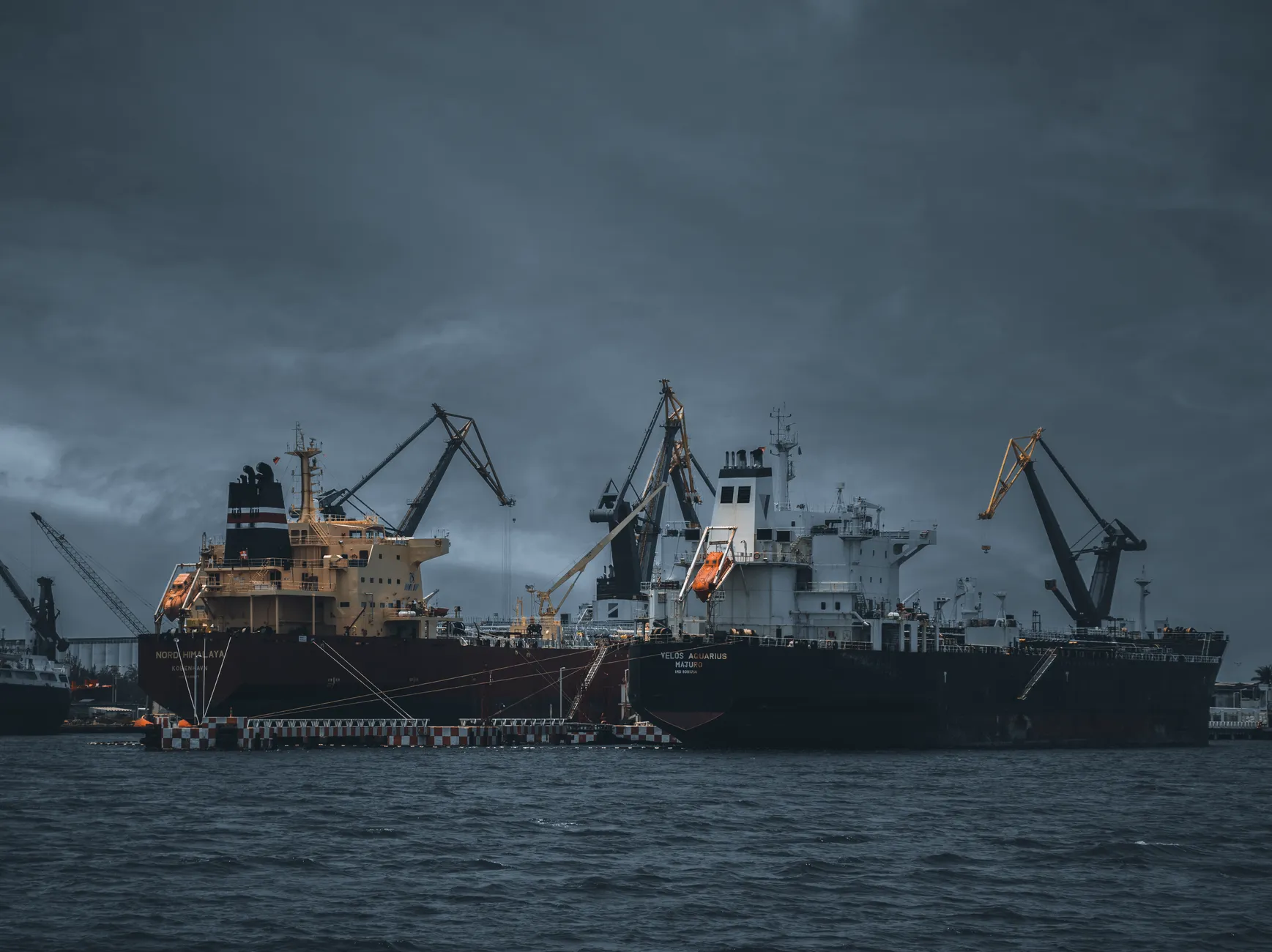
Shipping produces around 3% of global greenhouse gas emissions. That figure makes it a significant contributor to climate change and a priority for decarbonisation policy. Researchers at University College Cork have now published findings that confirm what many in the sector already suspected. Cutting emissions from maritime transport is technically achievable, but it will not be cheap.
The study, published in Cell Reports Sustainability, assessed ten different renewable fuel pathways. All were sourced from electricity. The research took two years and involved teams from Cornell University, Southeast University Nanjing, and the University of Galway. What emerged was a clear conclusion. No single fuel option is both affordable and perfect.
Among the fuels reviewed, e-methanol stands out as the most viable near-term option. However, it comes at a cost. The total cost of ownership for e-methanol is 4.3 times higher than heavy fuel oil. Hydrogen fares even worse, running at roughly ten times the cost of conventional marine fuel. These figures matter because they set the financial boundary for what decarbonisation will actually demand.
For UK businesses involved in shipping, logistics, or supply chain management, this research carries practical weight. Fuel costs directly affect freight rates. Meanwhile, regulatory pressure is mounting. Understanding which fuels are likely to become commercially available, and at what price, is essential for planning capital investment and contract negotiations.
E-methanol leads on practicality but depends on infrastructure
Professor Jerry Murphy led the research at UCC's Sustainability Institute. His team developed a sustainability framework designed to be transferable across different fuel types. The framework allowed direct comparison of ten renewable pathways on cost, emissions, and scalability. E-methanol came out ahead, not because it is cheap, but because it is comparatively easier to handle and deploy.
Unlike hydrogen, e-methanol does not require entirely new engine designs or specialised cryogenic storage. Consequently, retrofitting existing vessels becomes more feasible. Ports do not need to rebuild bunkering infrastructure from scratch. These practical advantages reduce some of the barriers to adoption, though they do not eliminate the cost gap.
Nevertheless, e-methanol still depends on two critical inputs. First, access to low-cost renewable electricity. Second, industrial-scale electrolysis capacity to produce the fuel. Both are currently limited in the UK and globally. Without significant expansion of wind and solar generation, e-methanol production will remain expensive and restricted in volume.
The research highlights this dependency clearly. Renewable fuels only become commercially viable when the electricity used to produce them is abundant and cheap. Furthermore, electrolyser capital costs need to fall substantially. Until both conditions are met, shipping companies face a difficult choice between rising fuel costs and regulatory penalties for emissions.
Costs remain the central barrier to adoption
The UCC study found that while technical solutions exist, affordability remains the main obstacle. E-methanol is 4.3 times more expensive than heavy fuel oil on a total cost of ownership basis. Hydrogen is approximately ten times the cost. These multiples are not marginal differences. They represent a fundamental economic challenge for shipowners operating on thin margins.
Shipping is a highly competitive sector. Freight rates are sensitive to fuel price changes. A fourfold increase in fuel costs would significantly alter the economics of many routes. As a result, shipowners are unlikely to switch fuels voluntarily without either regulatory pressure or financial support mechanisms.
Moreover, the infrastructure required to produce and distribute renewable marine fuels does not yet exist at scale. Ports need bunkering facilities. Fuel producers need electrolyser plants. Both require substantial capital investment. Without coordinated planning and public investment, these infrastructure gaps will slow the transition considerably.
The study also points to the importance of electricity costs. Renewable fuels are only as cheap as the electricity used to make them. Therefore, regions with low-cost wind or solar power will have a competitive advantage in fuel production. The UK has strong offshore wind capacity, which could support domestic e-methanol production if coupled with sufficient electrolyser deployment.
However, current electricity prices in the UK remain volatile. Industrial users face grid connection delays and high standing charges. These factors make it harder to build the business case for large-scale renewable fuel production. Policy intervention will be necessary to de-risk investment and accelerate infrastructure development.
What this means for UK supply chains and procurement
UK businesses that rely on global shipping need to prepare for rising freight costs. As regulations tighten, shipping lines will pass fuel cost increases to customers. Consequently, businesses should review their supply chain exposure and consider how fuel price changes will affect landed costs.
Companies tendering for public sector contracts already face carbon reporting requirements under PPN 06/21. In addition, many large corporate buyers now expect suppliers to demonstrate credible decarbonisation plans. Shipping emissions often fall within Scope 3, meaning they must be measured and reported. Understanding the fuel transition helps businesses explain future emissions reductions and cost pressures to clients.
For manufacturers and importers, the choice of shipping partner may become a commercial differentiator. Early adopters of cleaner fuels may gain an advantage in tenders where carbon performance is weighted. Conversely, businesses locked into long-term contracts with conventional fuel users may face higher compliance costs or reputational risks.
Furthermore, businesses with direct shipping operations or long-term charter agreements should assess the retrofit potential of their fleets. E-methanol can be used in modified engines, which may offer a lower-cost transition route than switching to hydrogen or battery-electric propulsion. However, retrofit costs and fuel availability must be weighed against the residual lifespan of existing vessels.
There is also a regulatory dimension. The International Maritime Organization has set emissions reduction targets for 2030 and 2050. The EU is bringing shipping into its Emissions Trading System. UK businesses operating internationally need to track these developments and understand how they will affect operating costs and market access.
Main points from the University College Cork research
- Shipping accounts for approximately 3% of global greenhouse gas emissions and is a major focus for climate policy.
- The study assessed ten renewable fuel pathways using a transferable sustainability framework developed over two years.
- E-methanol emerged as the most promising near-term option due to easier handling and lower retrofit barriers compared to hydrogen.
- E-methanol's total cost of ownership is 4.3 times higher than heavy fuel oil, while hydrogen is roughly ten times the cost of conventional marine fuel.
- Viability depends on access to low-cost renewable electricity and substantial reductions in electrolyser capital costs.
- No fuel pathway is both cheap and perfect, meaning the transition will require significant capital investment and infrastructure development.
- The research was led by Professor Jerry Murphy at UCC's Sustainability Institute and published in Cell Reports Sustainability.
Renewable electricity and electrolyser capacity are critical
The research reinforces a point that applies across the energy transition. Decarbonising shipping is not just a maritime challenge. It depends on the broader energy system. Without abundant low-cost renewable electricity, producing e-methanol or hydrogen at scale will remain prohibitively expensive.
Electrolysers split water into hydrogen and oxygen using electricity. Green hydrogen is then combined with captured carbon dioxide to produce e-methanol. This process is energy-intensive. Consequently, the cost of the fuel is largely determined by the cost of the electricity used to make it.
Currently, electrolyser capital costs are high. Installation times are long. Grid connection queues in the UK can stretch to several years. These bottlenecks limit how quickly renewable fuel production can scale up. Therefore, policy support is needed to accelerate electrolyser deployment and streamline grid connections for industrial users.
In addition, carbon capture will be required to produce e-methanol at scale. CO2 can be sourced from industrial emissions or direct air capture, but both options add cost and complexity. The availability of affordable carbon dioxide will influence where e-methanol production facilities are sited and how quickly they can ramp up.
For businesses, this means the fuel transition will not happen overnight. It will take years to build the necessary infrastructure. Meanwhile, fuel prices will remain high relative to fossil alternatives. Companies should plan for a long transition period and consider interim measures such as speed reduction, fleet optimisation, and route planning to manage emissions and costs.
Our net-zero program helps businesses measure Scope 3 emissions and develop credible decarbonisation strategies that account for supply chain risks. Businesses that start planning now will be better positioned to manage cost increases and meet client expectations as the shipping sector transitions.
Policy intervention will determine transition speed
The UCC study makes clear that market forces alone will not drive the shipping transition quickly enough. Regulatory pressure and financial support mechanisms are necessary. Without them, the cost gap between renewable fuels and heavy fuel oil will delay adoption.
Several policy tools are already in play. The International Maritime Organization has introduced carbon intensity regulations. The EU Emissions Trading System is expanding to include maritime transport. In addition, port states are beginning to impose emissions-based fees. These measures raise the cost of conventional fuels and create incentives for cleaner alternatives.
However, penalties alone are not sufficient. Shipowners also need access to affordable renewable fuels and the infrastructure to bunker them. Governments will need to invest in port-side fuel production, storage, and distribution. Public funding may also be required to support early-stage electrolyser projects and de-risk private investment.
The UK has announced support for hydrogen production, but progress has been slower than anticipated. Businesses waiting for a mature e-methanol supply chain should not expect widespread availability in the next two to three years. Planning should assume a gradual rollout with limited fuel availability in the near term.
For businesses involved in shipping or logistics, this creates both risk and opportunity. Early movers may secure access to cleaner fuels and gain a competitive edge. Late adopters may face higher costs and regulatory penalties. Therefore, monitoring policy developments and engaging with fuel suppliers early is advisable.
SBS supports businesses with ESG compliance and carbon reporting, helping them navigate regulatory changes and position themselves for the transition. Understanding the policy landscape is essential for making informed capital investment decisions.
How UK businesses should respond
The research from University College Cork offers a clear message. Decarbonising shipping is technically possible but economically challenging. E-methanol is the most viable near-term option, but it costs more than four times as much as heavy fuel oil. Hydrogen is even more expensive. No fuel pathway is both cheap and perfect.
For UK businesses, this means preparing for rising transport costs and increased scrutiny of supply chain emissions. Companies should review their exposure to shipping, assess the carbon intensity of their logistics, and engage with clients about how decarbonisation will affect pricing and delivery.
Businesses with direct shipping operations should evaluate retrofit options and track fuel availability in key bunkering ports. Those relying on third-party carriers should ask suppliers about their decarbonisation plans and consider how fuel costs will be passed through in future contracts.
Regulatory requirements are tightening. Public sector tenders increasingly require carbon reduction plans. Large corporate buyers expect Scope 3 reporting. Businesses that plan ahead will manage these requirements more effectively and avoid last-minute compliance costs.
Training and internal capability building are also important. Understanding the fuel transition, carbon accounting, and regulatory frameworks will help procurement and logistics teams make better decisions. Our SBS Academy offers practical training on carbon measurement and net-zero planning for UK businesses.
Further reading and official sources
The full research paper is available through Cell Reports Sustainability. It provides detailed analysis of the ten fuel pathways assessed and the methodology used to compare them.
For policy context, the International Maritime Organization sets global emissions targets and carbon intensity standards for shipping. Their website includes technical guidance and regulatory updates relevant to shipowners and operators.
The Department for Energy Security and Net Zero publishes the UK's approach to maritime decarbonisation, including support for hydrogen and clean fuel infrastructure. Businesses planning investments should review government policy documents for available funding and regulatory timelines.
The European Commission provides updates on the EU Emissions Trading System and its application to maritime transport. UK businesses trading with the EU need to understand how these regulations affect their shipping partners and contract terms.
For broader industry context, the International Renewable Energy Agency has published analysis on renewable fuels for shipping, including cost projections and infrastructure requirements. These reports help businesses understand the long-term outlook for fuel availability and pricing.