
Defra launches latest £13m farming innovation funding competition
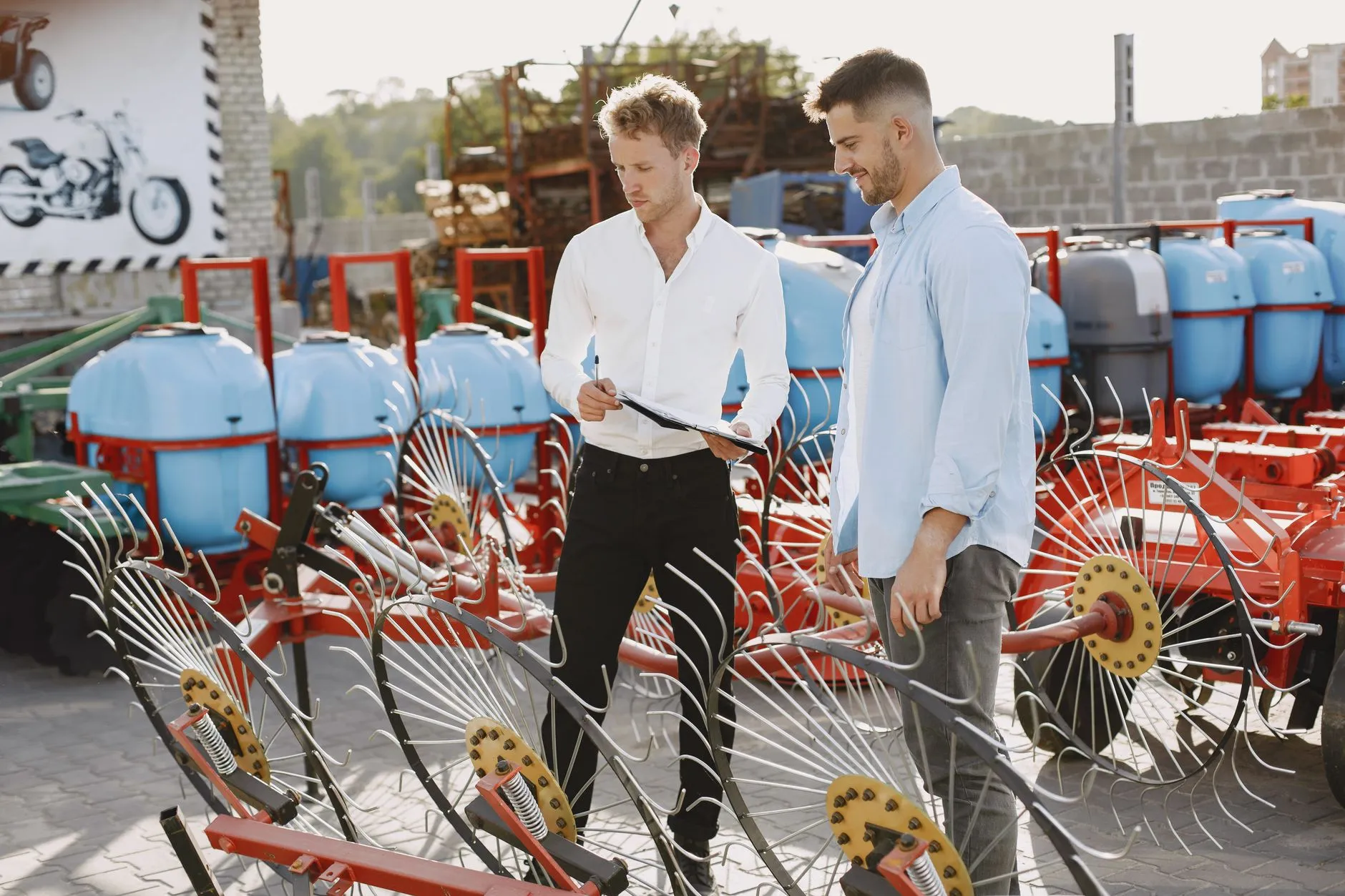
Defra opens £13 million round for commercial farm innovation projects
Defra has launched a new £13 million funding competition for collaborative projects that turn agricultural research into products and services farmers can actually use. The Small R&D Partnerships round offers grants between £1 million and £3 million for work lasting up to 30 months. Applications opened on 1 September 2026 and close at 11:00am on 14 October 2026.
This is the latest stage in Defra's Farming Innovation Programme, delivered in partnership with Innovate UK. The competition targets UK-registered businesses leading projects that benefit farmers, growers or foresters in England. Defra wants to fund work that improves productivity, cuts emissions, reduces environmental impact, or strengthens resilience in commercially relevant settings.
The competition sits within a substantially larger funding commitment. In June 2026, Defra announced an additional £53 million for the Farming Innovation Programme, bringing total investment in the 2026/27 financial year to £123 million. That wider package includes separate competitions for feasibility studies, on-farm trials, robotics, automation, and future work on soils and water quality.
The programme is designed to bridge the gap between early-stage concepts and market-ready solutions. Previous rounds have funded technologies including robotic tomato harvesters, natural pest control using hoverflies, and vaccines to protect pigs from streptococcus suis. These examples illustrate the kind of applied innovation Defra wants to support: practical responses to labour shortages, disease pressure, pest challenges, and sustainability requirements.
Eligibility criteria and application requirements
Lead applicants must be UK-registered businesses. Projects must demonstrate direct benefit to farmers, growers or foresters operating in England. Defra emphasizes that end users should be involved throughout the project, reflecting a clear focus on real-world adoption rather than laboratory-only development.
Grant amounts range from £1 million to £3 million per project. Projects can run for up to 30 months. The competition does not prescribe specific themes or technology areas. Instead, Defra says it wants practical solutions that respond to industry priorities as identified by farmers and growers themselves.
Applicants need to show how their work will move beyond research output toward commercial application. The programme is explicitly positioned to support innovations that are close to market, not early-stage concept work. This means projects should already have progressed beyond initial feasibility and be ready for development, testing, and refinement in working farm environments.
How the funding fits into wider agricultural support
The £13 million competition is one component of a much larger innovation strategy. Defra's total commitment to the Farming Innovation Programme in 2026/27 is £123 million, representing a significant increase from previous years. This reflects a policy direction that sees agricultural research and development as central to both competitiveness and environmental performance.
The programme offers a pipeline from early feasibility through to commercial adoption. Smaller feasibility grants help businesses test initial concepts. Larger R&D partnerships, like this round, support collaborative development and testing. Separate on-farm adoption grants help farmers implement proven technologies. The structure is designed to move ideas systematically from trials into practical use across English agriculture.
Other elements of the 2026/27 package include specific competitions for robotics and automation, and future work addressing soils and water quality. These thematic areas align with broader policy priorities around productivity, labour efficiency, and environmental management. The robotics and automation focus responds directly to persistent labour shortages across sectors including horticulture and livestock farming.
Commercial implications for businesses and farm suppliers
For agri-tech businesses, this competition offers a substantial route to develop and prove products with direct farm application. Grant amounts between £1 million and £3 million provide meaningful funding for collaborative development, field testing, and early commercialization work. The 30-month timeframe allows for iterative development and refinement based on farmer feedback.
The requirement for farm involvement throughout the project creates a built-in route to market understanding. Businesses that secure funding will work directly with the end users who determine whether a product or service is commercially viable. This reduces the risk of developing solutions that work technically but fail to meet practical farm requirements around cost, ease of use, or integration with existing systems.
However, the funding also creates specific obligations. Projects must demonstrate benefit to English farming, which means applicants need to articulate clearly how their work addresses real challenges facing farmers and growers. Generic claims about innovation or sustainability will not meet Defra's criteria. Applicants need to show they understand specific pain points, whether those relate to labour costs, disease management, pest control, input efficiency, or regulatory compliance.
The collaborative nature of the competition means businesses will need to bring together partners from research, farming, and potentially other parts of the supply chain. Strong consortia will combine technical capability with deep understanding of farm operations and commercial pathways to market. Businesses operating in areas like precision agriculture, biological controls, farm robotics, data analytics, or animal health are likely candidates, provided they can demonstrate readiness for near-market development.
What this means for farms considering new technology
Farmers, growers and foresters are not direct applicants to this competition, but they are essential participants. Defra requires that end users are involved throughout funded projects. This means farms will have opportunities to influence the development of new products and services, test them in working environments, and provide feedback that shapes commercial versions.
For farms, this involvement offers early access to emerging technologies and practices. Participating in R&D partnerships can provide insight into tools that may become available commercially within the next few years. It also creates opportunities to shape those tools so they fit actual farm requirements rather than theoretical or laboratory conditions.
The broader context matters too. The £123 million investment in agricultural innovation for 2026/27 signals that new products, services and practices are coming through the pipeline. Farms facing pressure from labour constraints, disease challenges, pest resistance, input costs, or environmental regulations may find solutions emerging from this and related competitions. The timeframe means some of these innovations could reach commercial availability within the next two to three years.
Farmers should also be aware that the programme emphasizes technologies that improve productivity, reduce emissions, and strengthen resilience. These are not separate goals. Technologies that cut input use, improve resource efficiency, or reduce waste typically address both economic and environmental objectives. For example, precision application of fertilizers or pesticides reduces cost and environmental impact simultaneously.
Policy context and environmental considerations
This funding sits within a broader shift in UK agricultural policy. The government is moving support away from area-based payments toward funding for environmental outcomes, productivity improvements, and innovation. The scale of investment in the Farming Innovation Programme reflects a view that technology and research can help farms meet environmental obligations while remaining competitive.
Climate-related risks are increasing pressure on farm businesses. More variable weather patterns affect crop yields, planting schedules, and harvest timing. Heat stress impacts livestock productivity and welfare. Pest and disease patterns are shifting as temperatures change. The innovations Defra wants to fund through this competition are expected to help farms adapt to these pressures while reducing their own environmental impact.
The emphasis on emissions reduction is particularly notable. Agriculture is a significant source of greenhouse gas emissions, particularly methane from livestock and nitrous oxide from fertilizers. Technologies that improve feed efficiency, reduce fertilizer use, or manage manure more effectively can cut emissions substantially. Businesses developing solutions in these areas may find strong alignment with Defra's priorities.
Water quality is another key concern. Nutrient runoff from agricultural land contributes to pollution in rivers and coastal waters. Precision application technologies, alternative fertilizers, or improved soil management practices that reduce leaching could address both regulatory requirements and farm economics. Defra's mention of future work on soils and water quality suggests these areas will receive continued attention in subsequent funding rounds.
Competition timeline and application process
Applications opened on Tuesday 1 September 2026. The closing date is Wednesday 14 October 2026 at 11:00am. This gives applicants just over six weeks to prepare and submit proposals. Businesses considering applications need to move quickly to assemble consortia, develop project plans, and prepare the required documentation.
Defra has not yet announced when successful applicants will be notified, but previous rounds typically involve a multi-stage assessment process. Applications are likely to be evaluated on technical merit, commercial viability, benefit to English farming, and the strength of the collaborative partnership. Projects that demonstrate clear routes to adoption and realistic plans for commercialization are more likely to succeed.
Applicants should review the full competition guidance carefully. Innovate UK, as delivery partner, will provide detailed requirements for project plans, budgets, partner agreements, and impact assessment. The application process will require evidence of farm engagement, clear articulation of the problem being solved, and realistic projections of market potential.
Essential information for potential applicants
The following details are critical for businesses considering applications:
- Total funding available in this round is £13 million, with individual grants ranging from £1 million to £3 million per project.
- Projects can run for up to 30 months, providing time for development, testing, and refinement in farm settings.
- The lead applicant must be a UK-registered business, though projects should involve collaborative partnerships with research organizations and farm businesses.
- Applications must demonstrate direct benefit to farmers, growers or foresters in England, with end users involved throughout the project.
- The competition opened on 1 September 2026 and closes at 11:00am on 14 October 2026.
- Defra and Innovate UK are delivering the competition as part of the Farming Innovation Programme, which received £123 million in total funding for 2026/27.
- Projects should focus on innovations close to market that improve productivity, reduce emissions and environmental impact, or strengthen farm resilience.
How farms and suppliers should approach this opportunity
Businesses developing agricultural technology should assess whether their current work aligns with this competition's requirements. The key test is whether your innovation is beyond early concept stage and close to commercial application. If you are still testing basic feasibility, this is not the right funding route. If you have a working prototype or proven concept that needs development, testing, and refinement for farm use, this competition may fit.
Strong applications will demonstrate clear understanding of specific farm challenges. Generic claims about sustainability or productivity will not succeed. You need to articulate precisely which problems your innovation solves, for which types of farms, and why current solutions are inadequate. This requires detailed knowledge of farm operations, economics, and the practical constraints farmers face.
Farm businesses should consider whether they want to participate in R&D partnerships. Involvement in funded projects can provide early access to new technologies and influence over how they are developed. However, participation also requires time, willingness to share operational data, and tolerance for testing unproven systems. Farms with strong technical capability and interest in innovation are best positioned to benefit from these partnerships.
For businesses already working on carbon reduction and sustainability improvements, this funding could support development of technologies that address both productivity and environmental goals. The emphasis on emissions reduction and environmental impact creates opportunities for innovations in areas like precision agriculture, biological alternatives to chemical inputs, and resource efficiency.
Supply chain businesses should watch this competition closely. Technologies funded through this round may create new market opportunities within the next two to three years. Understanding which innovations are receiving support can inform strategic planning around product offerings, partnerships, and market positioning.
Where to find detailed guidance and support
Full competition details, eligibility criteria, and application guidance are available through Defra and Innovate UK. These resources provide comprehensive information on application requirements, assessment criteria, and project expectations.
The Farming Innovation Programme page on GOV.UK offers an overview of the wider funding landscape, including other competitions and support available for agricultural innovation. Businesses exploring this round should familiarize themselves with the full programme structure to understand how different funding streams connect.
For businesses needing support with sustainability compliance and carbon reporting, particularly as these relate to innovation projects with environmental benefits, specialist advisory support can help ensure applications address both technical and regulatory requirements effectively.
Applicants should also consult sector-specific guidance from organizations such as the Agriculture and Horticulture Development Board (AHDB) and the National Farmers' Union (NFU), which provide insight into current industry priorities and challenges that innovations should address.