
Electricity Bills Rise Slower Than Gas Thanks to Clean Energy
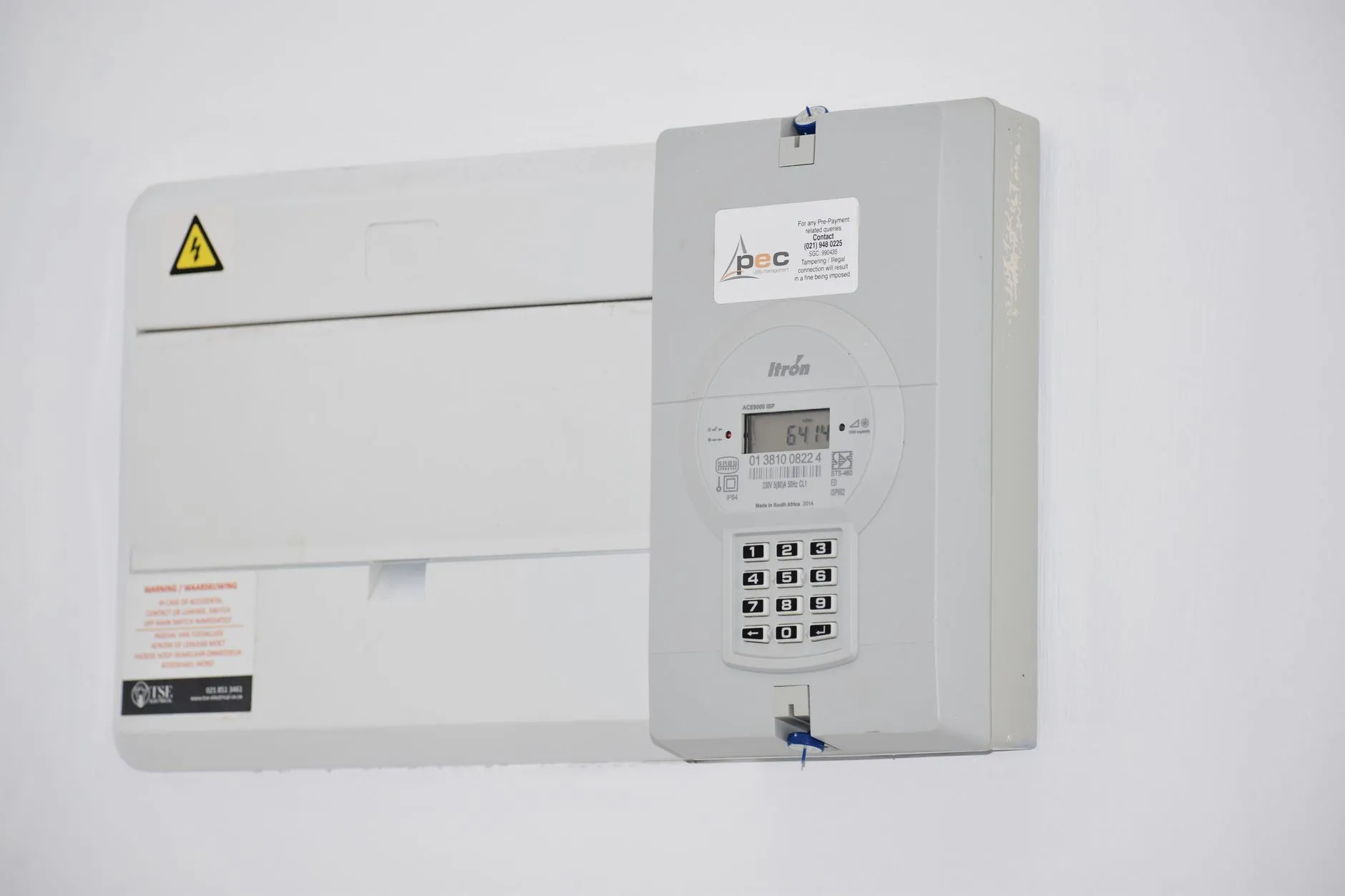
UK household electricity bills are starting to rise more slowly than gas bills. This marks a potential shift in the relationship between the two fuels and suggests the country's clean power expansion may finally be weakening the traditional link between gas prices and electricity costs.
The change matters because it could eventually improve the economics of electric heating and transport for businesses and households alike. For years, high electricity-to-gas price ratios have made heat pumps and electric vehicles harder to justify on running costs alone. If the gap continues to narrow, the commercial case for electrification strengthens.
Analysis from Nesta, the innovation foundation, shows that electricity bills have increased by much less than gas bills during the current energy crisis compared with the spike in 2022. The electricity-to-gas price ratio has fallen to 3.56 in recent months. Previously, Nesta had calculated the ratio at 4.2 and expected it to rise to 4.7 under the January 2026 Ofgem price cap.
This development is significant because UK electricity prices have historically tracked gas prices closely. Gas-fired power stations have often set the wholesale electricity price, and electricity bills carry heavier policy and network costs than gas bills. As a result, a typical household currently pays roughly similar annual amounts for gas and electricity even though it uses more than four times as much gas on an energy-equivalent basis.
Wholesale electricity costs begin to move away from gas
The UK government expects wholesale electricity to become cheaper over time as the energy system shifts toward renewables with zero marginal cost. Ofgem, the energy regulator, confirms that wholesale gas prices still set electricity prices most of the time in Great Britain. However, the rate of increase in electricity prices is now lower than the rise in gas prices because of increased renewable generation across the system.
This represents an early sign that the government's Clean Power 2030 plan may be starting to take effect. The plan aims to break the link between gas and electricity prices by expanding renewable capacity and reducing reliance on gas-fired generation. Consequently, the country does not yet have enough renewables built to avoid some gas generation, but the direction of travel appears to be changing.
Carbon Brief noted that the rise of renewables is starting to break the link between gas and power prices. The organisation described Nesta's finding as an early indicator that the clean power plan may be working. Nevertheless, the trend remains fragile because gas continues to play a central role in the energy system.
Policy costs still weigh heavily on electricity bills
Electricity bills carry substantially more policy costs than gas bills. Nesta estimates that policy costs add approximately £141 to a typical annual electricity bill, compared with £46 to a typical gas bill. These costs include levies for renewable subsidies, nuclear support, grid expansion, and other decarbonisation measures.
In November 2025, Nesta warned that electricity prices were expected to rise faster than gas in the January 2026 price cap because of policy costs. Specifically, the Nuclear Regulated Asset Base charge and supplier operating costs were set to push electricity bills higher. That makes the newer finding particularly notable. Even though electricity bills remain elevated, the underlying wholesale dynamics may be shifting in favour of electricity.
A typical dual-fuel household currently pays about £833 annually for gas and £884 for electricity, according to Nesta's earlier work. This near-parity in total bills masks the fact that households use far more gas than electricity on a per-kilowatt-hour basis. The high ratio between electricity and gas unit prices has long made electric heating economically unattractive for many households and businesses.
Fixed and policy costs can keep electricity bills elevated even when wholesale prices improve. Therefore, the current shift in the electricity-to-gas ratio does not mean bills are falling. Rather, it suggests that electricity bills are rising less aggressively than gas bills for the first time in years.
Commercial implications for businesses considering electrification
The narrowing gap between electricity and gas prices has direct consequences for businesses evaluating heat pumps, electric vehicles, or other electrification investments. Heat pumps typically deliver three to four units of heat for every unit of electricity consumed. However, they only become cost-competitive when the electricity-to-gas price ratio falls below a certain threshold.
Nesta has repeatedly argued that the current pricing structure penalises electric heating and undermines the economics of heat pumps. The electricity-to-gas ratio has remained well above the level at which heat pumps become cost-competitive for most users. As a result, businesses have faced longer payback periods on heat pump installations than the technology's efficiency would suggest.
If electricity continues to decouple from gas, businesses that switch to electric heating or transport could eventually face a fairer cost structure. This would improve the return on investment for low-carbon technologies and make it easier to justify electrification on financial grounds alone. In addition, businesses tendering for public sector contracts increasingly need to demonstrate carbon reduction plans. Lower electricity costs relative to gas would make those plans more affordable to deliver.
The policy significance extends beyond individual business decisions. A weaker gas-electricity link would reduce the impact of global gas shocks on UK power prices and support the government's decarbonisation goals. Businesses would benefit from more stable and predictable electricity costs, which would make long-term investment planning easier.
Supply chain considerations also come into play. Many businesses are now required to report Scope 3 emissions, which include indirect emissions from purchased electricity. If electricity becomes cleaner and cheaper relative to gas, businesses can reduce both their carbon footprint and their energy costs simultaneously. This dual benefit strengthens the commercial case for electrification across operations.
However, the trend is not yet robust enough to base investment decisions on wholesale price movements alone. Gas remains central to the system, and electricity bills continue to carry substantial fixed and policy costs. Businesses should consider the longer-term trajectory of energy prices rather than short-term fluctuations when planning major capital investments in heating or transport infrastructure.
What businesses need to know about the changing energy market
- Electricity bills have risen more slowly than gas bills during the current energy crisis, reversing the pattern seen in 2022.
- The electricity-to-gas price ratio has fallen to 3.56, down from 4.2 in earlier analysis and below the 4.7 level expected under the January 2026 price cap.
- Policy costs add approximately £141 to a typical annual electricity bill compared with £46 to a gas bill, keeping electricity relatively expensive despite wholesale price improvements.
- Ofgem confirms that wholesale gas still sets electricity prices most of the time, but the rate of electricity price increases is now lower than gas because of increased renewable generation.
- A typical dual-fuel household pays about £833 annually for gas and £884 for electricity, even though it uses more than four times as much gas on an energy-equivalent basis.
- The government's Clean Power 2030 plan aims to break the link between gas and electricity prices by expanding renewable capacity across the energy system.
Timing and planning considerations for energy investment
Businesses evaluating electrification projects should consider both current price signals and longer-term trends. The recent narrowing of the electricity-to-gas ratio suggests that the underlying economics of electric heating and transport may improve over the next few years. However, policy costs remain a significant factor that can offset wholesale price gains.
We work with businesses on carbon reporting and net-zero programme support to help them understand how energy price trends affect their decarbonisation plans. The interaction between wholesale prices, policy costs, and technology efficiency determines the real-world payback period for heat pumps and other electric systems.
Businesses should also consider how energy prices affect their competitive position. If electricity becomes cheaper relative to gas, early adopters of electric heating may gain a cost advantage over competitors still relying on gas. Similarly, businesses with electric vehicle fleets may see operating costs fall relative to diesel or petrol alternatives if the electricity-to-gas ratio continues to narrow.
Regulatory changes will continue to shape the energy market. The Nuclear Regulated Asset Base charge and other new levies are being added to electricity bills to fund low-carbon infrastructure. These costs may initially slow the narrowing of the electricity-to-gas ratio, but they should also accelerate the deployment of renewable generation that ultimately makes electricity cheaper and cleaner.
Businesses planning major energy investments should model different price scenarios. A simple assumption that current price ratios will persist may lead to poor decisions if the underlying relationship between gas and electricity costs is changing. Sensitivity analysis that includes a range of electricity-to-gas ratios will produce more robust investment cases.
For businesses already committed to net-zero targets, the changing price dynamics offer both opportunities and risks. Lower electricity costs make decarbonisation more affordable, but dependence on gas becomes riskier if gas prices continue to rise faster than electricity. Diversifying energy sources and improving energy efficiency remain sensible hedges against price volatility in both fuels.
Training and skills development also matter. Businesses transitioning to electric heating or transport need staff who understand how to operate and maintain new systems efficiently. SBS Academy training programmes cover the practical aspects of low-carbon technology deployment, including how to optimise energy use and manage costs.
The broader policy environment continues to favour electrification. Public sector procurement rules increasingly require suppliers to demonstrate carbon reduction plans, and ESG compliance requirements are tightening across many sectors. Businesses that move early on electrification may find it easier to meet these requirements and secure contracts that competitors cannot access.
Authoritative sources and further information
Ofgem publishes detailed explanations of how wholesale electricity prices are set in Great Britain and how renewable generation is affecting the relationship between gas and electricity costs. The regulator's guidance on the default tariff cap provides regular updates on the policy costs included in household and business energy bills.
The Department for Energy Security and Net Zero sets out the government's strategy for decoupling electricity prices from gas prices in its Clean Power 2030 plan. This document explains how increased renewable capacity and grid infrastructure investment are expected to reduce the marginal cost of electricity over time.
Nesta's research on energy pricing and the economics of electrification can be found on the innovation foundation's website. The organisation publishes regular analysis of electricity-to-gas price ratios and their implications for heat pump adoption and electric vehicle use.
Businesses looking for practical guidance on energy efficiency and carbon reduction can consult the Institute of Environmental Management and Assessment, which provides professional standards and training for sustainability practitioners working in the UK energy sector.