
Emerging Water Solutions For Carbon Reduction And Ecosystem Recovery
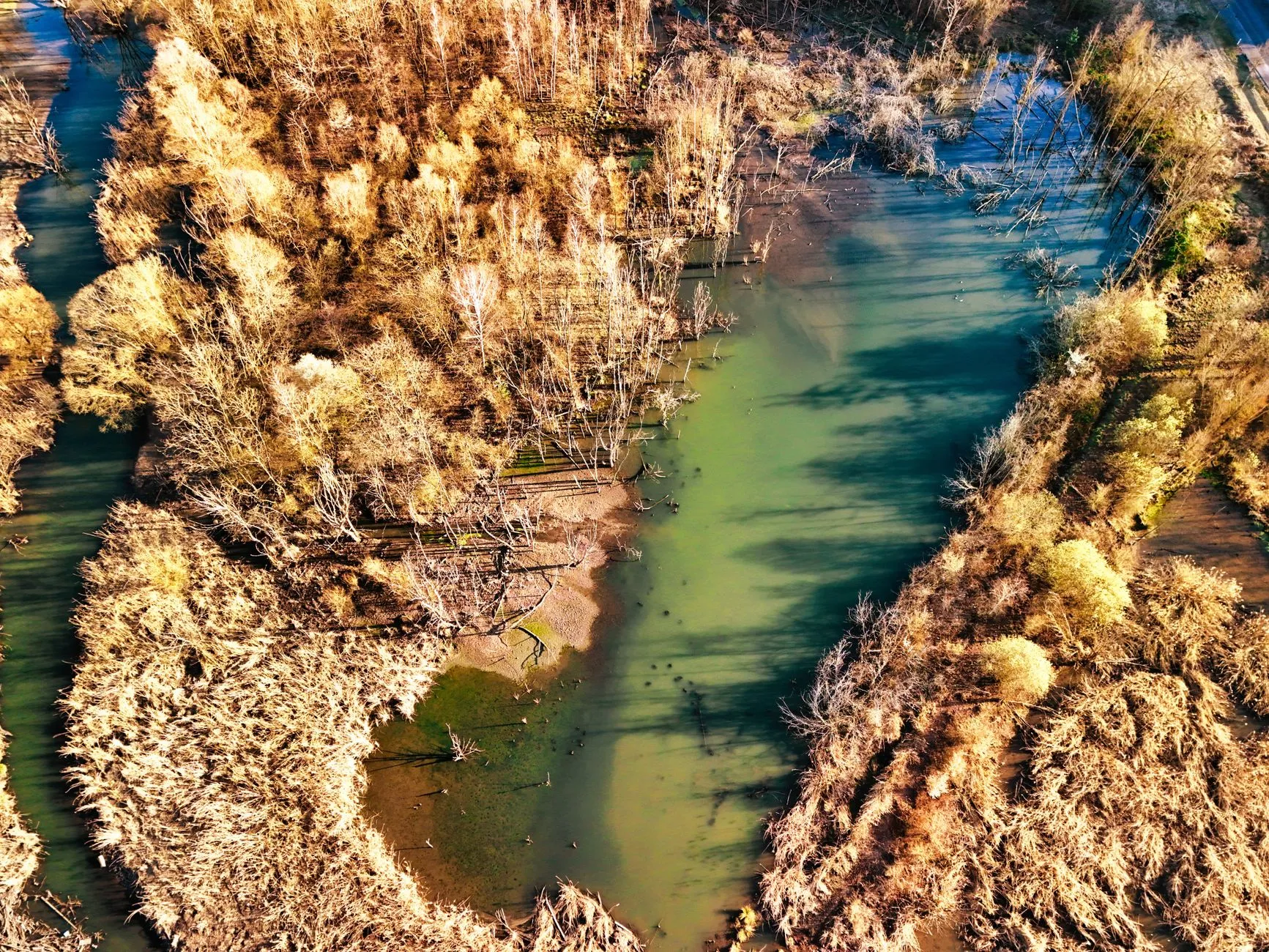
Water infrastructure projects now deliver carbon removal and flood protection
A recent Forbes analysis shows that water management projects can do far more than secure supply or improve quality. These schemes now store carbon, reduce flood risk, and restore ecosystems at the same time. For UK businesses tracking net zero commitments or responding to tender requirements, this matters. Water infrastructure is no longer just a utility concern. It sits at the centre of climate risk, biodiversity recovery, and carbon accounting.
The Forbes piece highlights wetlands, mangroves, seagrasses, and ocean alkalinity enhancement as solutions that deliver multiple outcomes simultaneously. Consequently, companies with water-intensive operations or supply chains face a new question. Can your water strategy also advance your carbon reduction targets? Moreover, should it?
This shift reflects wider changes in how regulators, investors, and procurement teams view environmental performance. Projects that address water resilience and carbon removal together are increasingly favoured in funding decisions and public sector tenders. Therefore, understanding these overlapping benefits is becoming a commercial priority for SMEs across manufacturing, food production, construction, and logistics.
Furthermore, the water sector itself is moving toward decarbonization. UK water utilities are exploring energy efficiency, renewable energy, and demand reduction to cut emissions. Meanwhile, emerging carbon markets are recognizing water projects as credible sources of verified emissions reductions. As a result, businesses that integrate water and carbon planning early may gain a competitive edge in tenders and investor relations.
This article explains what nature-based and emerging water solutions are, why they now feature in carbon strategies, and what UK businesses should consider as these approaches become part of mainstream environmental compliance and procurement criteria.
Nature-based water solutions deliver carbon storage and ecosystem benefits
Nature-based solutions in water management use or mimic natural processes to improve supply, quality, and resilience. UNESCO's World Water Development Report defines these approaches as methods that reduce pollutant loads, capture contaminants, and recycle nutrients. Additionally, UNEP-DHI research confirms that nature-based interventions can treat polluted water, protect groundwater, and relieve pressure on conventional treatment infrastructure.
Wetlands are among the most effective systems for combining water quality, carbon storage, and biodiversity. They treat polluted water by filtering nutrients and sediments. They also store carbon in soils over long periods. Furthermore, they provide habitat for wildlife and reduce flood risk by absorbing excess rainfall. This combination of functions explains why wetland restoration is now a priority in both water management and carbon mitigation strategies.
Mangroves and seagrasses offer similar advantages in coastal environments. Mangroves capture carbon in their biomass and sediments while protecting shorelines from erosion and storm surges. Seagrasses support marine biodiversity and sequester carbon in underwater soils. Both ecosystems are recognized as blue carbon habitats, meaning their restoration can generate verified carbon credits under certain standards.
Riparian buffers and vegetated swales also contribute to water quality improvement and carbon sequestration. These systems slow runoff, filter pollutants, and support soil health. In addition, they reduce the need for energy-intensive treatment processes downstream. Research shows that riparian rehabilitation improves water quality and climate resilience without the capital costs or emissions associated with grey infrastructure.
Rainwater harvesting and biological treatment systems extend the nature-based approach to urban and industrial settings. Rainwater harvesting reduces demand on mains supply and lowers treatment-related emissions. Biological treatment uses microbial processes to break down contaminants in wastewater. These methods can reduce energy consumption and operating costs compared to conventional chemical or mechanical systems.
The common thread across these solutions is that they address water challenges while delivering measurable carbon and biodiversity co-benefits. This makes them attractive to businesses seeking compliance with environmental regulations, tender criteria, or voluntary sustainability commitments. Notably, these systems often require lower capital investment and ongoing maintenance than traditional infrastructure alternatives.
Ocean-based carbon removal introduces large-scale mitigation potential
The Forbes analysis also examines ocean-based carbon removal, an emerging area that links water management to climate mitigation at scale. Three pathways are gaining attention: ocean fertilization, ocean alkalinity enhancement, and large-scale algae cultivation linked to durable carbon storage.
Ocean fertilization involves adding nutrients to marine environments to stimulate phytoplankton growth. Phytoplankton absorb carbon dioxide during photosynthesis. When they die, some of that carbon sinks to the ocean floor. However, this approach remains controversial due to concerns about ecosystem disruption and the difficulty of verifying long-term carbon storage.
Ocean alkalinity enhancement works by adding alkaline materials to seawater. This increases the ocean's capacity to absorb atmospheric carbon dioxide. The method is still in early research stages. Nevertheless, it has attracted interest from climate scientists and carbon credit developers because it could sequester carbon for centuries if proven safe and scalable.
Algae cultivation for carbon removal involves growing algae in controlled systems, then storing the harvested biomass in ways that prevent carbon from returning to the atmosphere. Some approaches involve sinking algae to deep ocean basins. Others convert algae into biochar or other stable materials. These systems are being tested in pilot projects but are not yet commercially widespread.
One analysis estimates that water-sector projects could generate more than 1.6 billion tonnes of carbon dioxide equivalent per year across subsectors including wastewater treatment, coastal blue carbon, drinking water treatment, irrigation, and watershed nutrient reduction. This figure highlights the scale of potential emissions reductions if water infrastructure is designed with carbon outcomes in mind.
For UK businesses, the immediate relevance lies in how these technologies may influence future carbon markets and regulatory frameworks. As ocean-based carbon removal projects mature, they could expand the range of credible offsets available to companies needing to balance residual emissions. They may also shape expectations around what constitutes rigorous carbon accounting in water-intensive industries.
Water utilities pursue decarbonization through efficiency and renewable energy
Water utilities across the UK are integrating decarbonization into their operational strategies. Energy efficiency, renewable energy, optimized treatment processes, biogas valorization, and demand reduction are the main levers. These measures reduce emissions while often lowering costs and improving service resilience.
Energy efficiency improvements focus on pumps, treatment systems, and distribution networks. Upgrading equipment or optimizing schedules can cut electricity use substantially. For example, variable-speed pumps adjust flow rates to match demand, reducing wasted energy. Water UK's net zero roadmap estimates that efficiency measures could significantly reduce per-capita consumption and avoid additional emissions over time.
Renewable energy adoption is accelerating among water companies. Solar panels, wind turbines, and hydroelectric systems are being installed at treatment sites and reservoirs. Some utilities now generate a portion of their own electricity, reducing reliance on grid power and associated carbon emissions. Additionally, renewable energy can stabilize long-term operating costs by reducing exposure to volatile energy prices.
Biogas valorization turns wastewater treatment into an energy source. Anaerobic digestion breaks down organic matter in sewage, producing methane-rich biogas. This biogas can power treatment plants or be cleaned and fed into the gas grid. Consequently, treatment facilities can shift from energy consumers to partial energy producers. This approach also reduces methane emissions that would otherwise escape from decomposing waste.
Demand reduction through water efficiency programs lowers the volume of water that must be treated and distributed. Leakage reduction, smart metering, and customer engagement all contribute. Lower demand means less energy used in pumping and treatment. It also reduces the need for new infrastructure, avoiding the embodied carbon of construction projects.
VCMI and WaterAid research indicates that the global water sector could deliver large emissions reductions while improving access to safe water and sanitation. This dual benefit is especially relevant in emerging markets. However, it also applies in the UK, where aging infrastructure and climate-related stress require both emissions cuts and service improvements.
For businesses, these developments matter because water utilities are part of most companies' Scope 3 emissions. As utilities decarbonize, the carbon intensity of mains water and wastewater services will fall. Therefore, tracking your water consumption and working with utilities on efficiency can reduce your indirect emissions. Furthermore, businesses with on-site water treatment systems can apply similar principles to cut energy use and generate biogas or other low-carbon energy sources.
What UK businesses need to understand about water and carbon integration
- Nature-based water solutions such as wetlands, mangroves, and seagrasses can store carbon, improve water quality, reduce flood risk, and support biodiversity simultaneously.
- Ocean-based carbon removal pathways, including ocean alkalinity enhancement and algae cultivation, are emerging as potential large-scale mitigation options with links to water management.
- Water-sector projects could generate more than 1.6 billion tonnes of carbon dioxide equivalent per year across wastewater treatment, coastal blue carbon, drinking water treatment, irrigation, and watershed nutrient reduction.
- UK water utilities are pursuing decarbonization through energy efficiency, renewable energy, biogas valorization, and demand reduction, which will lower the carbon intensity of mains water and wastewater services.
- Businesses with water-intensive operations or on-site treatment systems can reduce Scope 1 and Scope 3 emissions by improving water efficiency and adopting low-carbon treatment technologies.
- Projects that deliver both water resilience and carbon removal are increasingly favoured in public sector tenders, funding decisions, and investor evaluations.
Why water infrastructure now matters in corporate carbon strategies
Water management has traditionally been treated as a separate issue from carbon reduction. However, recent developments show that these two areas are converging. Projects that improve water resilience often reduce emissions. Conversely, decarbonization efforts in water utilities and industrial sites can improve water quality and security. Recognizing this overlap is increasingly important for UK SMEs.
Public sector procurement is one driver. PPN 06/21 requires suppliers bidding for central government contracts above certain thresholds to publish a carbon reduction plan. Water use and wastewater treatment contribute to Scope 1 and Scope 3 emissions. Therefore, demonstrating how you manage water-related emissions can strengthen your tender response. Similarly, nature-based water projects that store carbon may qualify as credible carbon reduction measures in your plan.
Investor expectations are another factor. Environmental, social, and governance criteria now routinely include water stewardship and carbon performance. Companies that integrate both into a coherent strategy can show more comprehensive risk management. Furthermore, businesses exposed to water scarcity or flooding can use nature-based solutions to build resilience while generating carbon co-benefits that appeal to sustainability-focused investors.
Supply chain pressures are also increasing. Large buyers are asking suppliers to report on water consumption, wastewater emissions, and climate risk. If your business relies on water-intensive processes, you may face questions about how you are reducing both water use and associated emissions. Adopting efficient technologies or supporting watershed restoration projects can provide credible answers.
Carbon markets offer another reason to consider water projects. Verified emissions reductions from wastewater treatment, wetland restoration, or coastal blue carbon can generate carbon credits under certain standards. These credits can offset residual emissions or be sold to other organizations. While not every business will pursue carbon credit generation, understanding the potential value can inform decisions about which water projects to prioritize.
Regulatory trends suggest that water and carbon integration will deepen. The UK government's environmental improvement plan includes targets for water quality, biodiversity, and emissions reductions. Meeting these targets will require solutions that address multiple goals. Businesses that anticipate this shift and align their water management with carbon objectives may find themselves better prepared for future compliance requirements.
Practical steps include measuring your water-related emissions, identifying opportunities for efficiency, and exploring nature-based solutions where feasible. For example, if your site has drainage issues, consider whether a constructed wetland or vegetated swale could replace or supplement conventional drainage while sequestering carbon. If you operate on-site treatment systems, investigate whether biogas recovery or renewable energy integration could cut emissions and costs.
We support businesses through our net-zero program for carbon reporting compliance, which includes guidance on measuring and reducing Scope 1 and Scope 3 emissions from water and wastewater. Additionally, our nature-positive investment support helps companies evaluate and implement projects that deliver carbon, biodiversity, and resilience co-benefits.
Where to find authoritative guidance on water and carbon solutions
The UK government provides resources on water efficiency, nature-based solutions, and carbon reduction. The Department for Environment, Food and Rural Affairs publishes guidance on environmental land management, water quality, and biodiversity net gain. The Department for Energy Security and Net Zero offers information on emissions reporting, net zero strategy, and carbon accounting standards.
The Environment Agency regulates water abstraction, discharge consents, and environmental permits. Their guidance covers compliance requirements for businesses that use or discharge water. Water UK, the trade body for UK water utilities, publishes research on decarbonization, demand management, and infrastructure resilience.
UNESCO's World Water Development Report and UNEP-DHI resources provide international perspectives on nature-based solutions and water management. These reports offer evidence on the effectiveness of wetlands, riparian buffers, and other nature-based interventions. They also discuss the co-benefits of improved water quality, carbon storage, and ecosystem health.
For businesses seeking to understand carbon credit standards related to water projects, the UK Emissions Trading Scheme guidance and related documentation explain how emissions reductions are verified and credited. Industry bodies such as the Institute of Environmental Management and Assessment provide professional standards and training on environmental management systems that integrate water and carbon considerations.