
Homes near new pylons to save on energy bills under UK government scheme
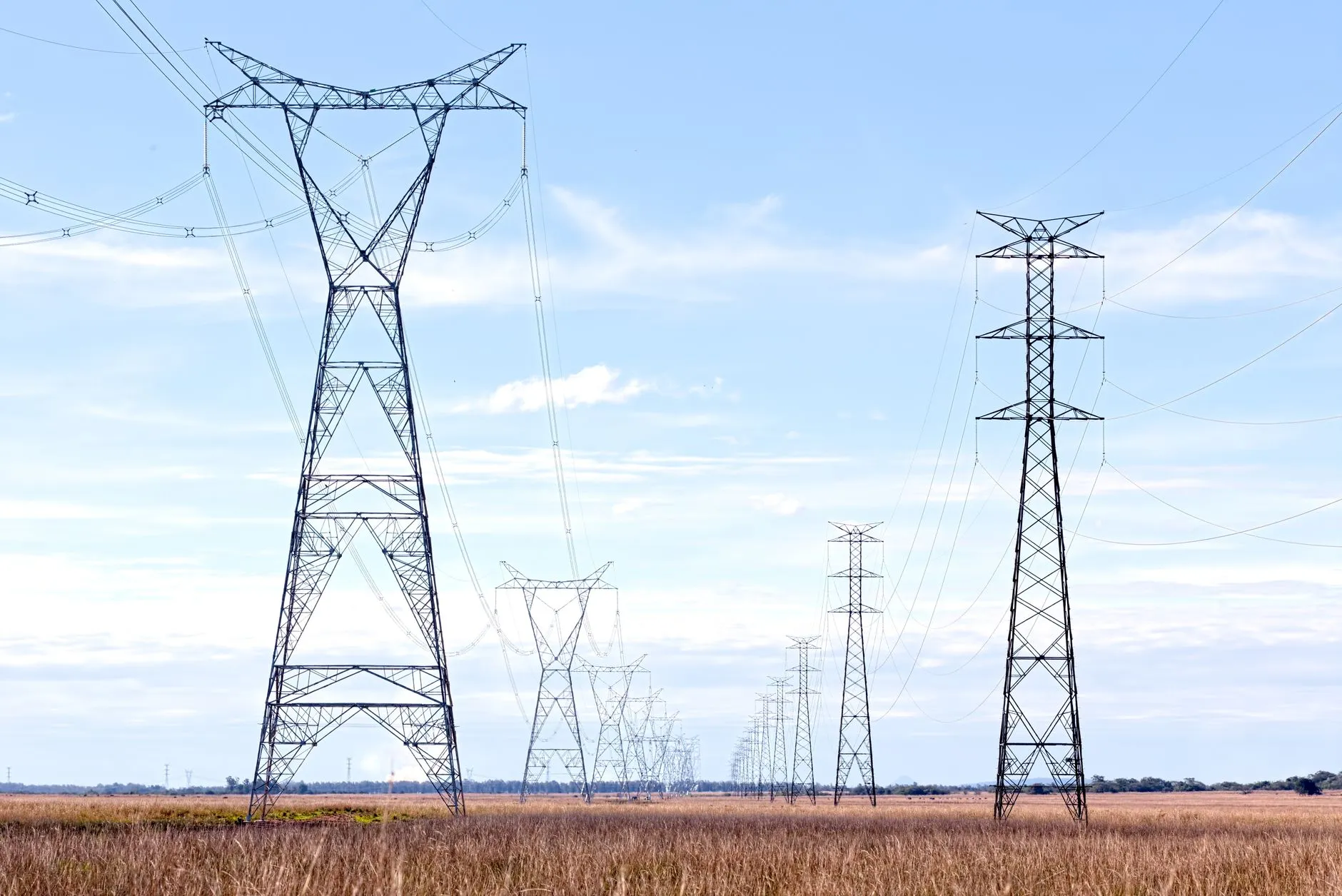
Government confirms 43 projects eligible for pylon compensation payments
The UK government has published the first list of transmission projects whose nearby residents will qualify for a new electricity bill discount. Households within 500 metres of new or upgraded pylons and related grid infrastructure will receive £250 a year for up to 10 years. Payments are scheduled to begin in the first half of 2027.
This announcement marks the first practical rollout of a scheme designed to reduce local opposition to grid expansion. The policy applies to over 40 locations across England, Scotland, and Wales. However, the discount comes with a trade-off. The government will fund it by adding approximately 80 pence per year to all energy bills nationwide.
For businesses, the scheme signals a broader shift in how infrastructure costs are distributed. It also highlights the scale of transmission upgrades now moving through the planning system. These projects are essential to connect offshore wind farms, nuclear plants, and other low-carbon generation to the grid. Yet they often face strong local resistance, particularly in rural areas where overhead lines cross agricultural land or designated landscapes.
Projects must meet construction threshold before households qualify
The scheme covers new or upgraded transmission infrastructure including substations, convertor stations, switching stations, and sealing-end compounds. Eligibility begins only when construction on a project started on or after 10 March 2025. This means existing pylons and infrastructure already in place do not trigger payments, regardless of proximity.
Ofgem will administer the scheme on behalf of the government. Most qualifying households will receive the discount automatically through their electricity supplier every six months. However, some customers may need to apply directly. This includes those on commercial meters or non-standard tariff arrangements. Consequently, businesses operating from premises near qualifying infrastructure should check their eligibility status with their supplier.
The government's impact assessment estimated that between 120,000 and 160,000 households could eventually qualify by 2044. Nevertheless, the final total depends on which projects receive consent and proceed to construction. The initial list of 43 projects represents the first wave of infrastructure that has already cleared key planning hurdles and begun site work. Additional projects will be added as they meet the construction threshold.
The discount is structured as a credit applied to electricity bills rather than a direct cash payment. Therefore, households must have an active electricity supply to benefit. Landlords and tenants will need to clarify who receives the credit based on who holds the electricity account. The scheme does not apply to gas bills or other utilities.
Funding mechanism spreads cost across all bill payers
The 80 pence annual levy will appear on every household and business energy bill in the UK. This approach reflects a policy decision to socialise the cost of local compensation across the entire consumer base. In effect, all bill payers contribute a small amount to fund payments for those living closest to new infrastructure.
For most households, 80 pence represents a negligible increase. However, for businesses with multiple sites or high energy consumption, the cumulative cost may be more visible. A company operating 50 sites, for example, would pay an additional £40 per year once the levy is fully implemented. Energy-intensive industries will see proportionally larger contributions based on their consumption volumes.
This funding model differs from traditional planning compensation, which typically comes from developers or local authorities. Instead, the government has chosen to treat grid expansion as a collective benefit requiring collective funding. The rationale is that new transmission infrastructure supports cheaper and cleaner power for the entire country. Therefore, the cost of securing local acceptance should be shared nationally rather than absorbed by project developers or local councils.
Critics may argue this creates a disconnect between those who benefit from the scheme and those who pay for it. Supporters counter that the alternative would be slower project delivery, higher overall energy costs, and increased reliance on imported power. The government has framed the levy as a modest contribution toward a more secure and affordable energy system.
Scheme forms part of wider community benefits package
Beyond individual household payments, the government has outlined a broader community benefits approach for areas hosting grid infrastructure. Local authorities and community groups near qualifying projects may receive additional funding for sports clubs, education facilities, or recreational amenities. These payments are separate from the £250 annual household discount and are intended to provide lasting local improvements.
The structure of community benefits varies by project. Some developers offer lump-sum payments to parish councils or community trusts. Others commit to ongoing funding linked to the operational life of the infrastructure. In practice, this means communities may receive hundreds of thousands of pounds over the lifetime of a transmission project, depending on its scale and location.
However, the distribution of community funds is not standardised. Each project negotiates its own package as part of the planning process. Consequently, some areas may secure more generous settlements than others. This variability can create tension between neighbouring communities hosting similar infrastructure but receiving different levels of compensation.
The Planning and Infrastructure Bill, currently moving through Parliament, provides the legislative framework for these arrangements. It aims to standardise some elements of community consultation while giving local areas more influence over how benefits are allocated. For businesses involved in property development or land management, these provisions may affect the viability and timeline of projects near proposed transmission routes.
Pylon discount applies only to new overhead transmission infrastructure
- Households within 500 metres of new or upgraded pylons, substations, convertor stations, switching stations, or sealing-end compounds will receive £250 per year for up to 10 years.
- Payments begin in the first half of 2027 for projects where construction started on or after 10 March 2025.
- The scheme will be funded by adding approximately 80 pence per year to all energy bills across the UK.
- Between 120,000 and 160,000 households could eventually qualify by 2044, depending on which projects proceed.
- Most qualifying households will receive the discount automatically through their electricity supplier every six months, though some customers may need to apply.
- Existing pylons and infrastructure already in place do not trigger payments, regardless of proximity to homes.
- Ofgem will administer the scheme, with additional community benefits funding available for local projects near transmission infrastructure.
Local opposition remains a significant barrier to grid expansion
The introduction of bill discounts reflects the government's acknowledgment that planning delays pose a serious risk to energy transition timelines. Onshore transmission projects routinely face objections from residents, environmental groups, and local authorities. These objections can extend planning processes by years and, in some cases, force developers to reroute or redesign schemes entirely.
Undergrounding cables is often proposed as an alternative to overhead pylons. However, this option costs between five and ten times more than overhead construction and takes longer to deliver. For high-voltage transmission lines, undergrounding also presents technical challenges related to heat dissipation and maintenance access. As a result, the government has prioritised overhead routes for most new projects, despite the visual and land-use impacts.
The £250 annual payment is intended to rebalance the perceived costs and benefits for nearby residents. Whether this sum is sufficient to change local sentiment remains uncertain. Some rural campaigners have described the payment as inadequate compensation for permanent landscape changes and potential impacts on property values. Others view it as a fair recognition of the inconvenience caused by hosting nationally important infrastructure.
For businesses, the policy has indirect implications. Faster delivery of transmission projects could reduce grid connection wait times, particularly for renewable energy developers. It may also support industrial decarbonisation by ensuring adequate grid capacity for electrification. Conversely, companies with operations near proposed routes should anticipate construction activity, road closures, and temporary disruptions during the build phase.
Planning reforms aim to accelerate consent for strategic infrastructure
The Planning and Infrastructure Bill introduces measures to streamline approval processes for nationally significant projects. These include shorter consultation periods, clearer criteria for consent, and reduced scope for judicial challenges. The government argues that current planning timelines are incompatible with the pace of change required to meet legally binding climate targets.
Transmission infrastructure is classified as critical national infrastructure under the bill. This designation grants projects priority status within the planning system and limits the grounds on which objections can be raised. However, it also increases scrutiny of environmental assessments and requires developers to demonstrate that alternatives, including offshore routes and undergrounding, have been properly evaluated.
Local authorities will retain a consultative role but will have less power to block projects deemed essential to national energy security. This shift has prompted concern from some councils that local voices will be marginalised in favour of centrally determined priorities. The government has countered that community benefits packages and household payments provide meaningful local influence and compensation.
Businesses involved in infrastructure delivery should note that the bill also introduces stricter timelines for developer obligations. Projects must commence construction within defined windows to retain consent. This reduces the risk of speculative applications and ensures that approved schemes proceed without unnecessary delay. For supply chain companies, this may create more predictable workflows and reduce the volatility associated with project cancellations or deferrals.
2027 start date allows time for supplier systems and eligibility verification
The first payments are scheduled for mid-2027, more than two years after the initial announcement. This lead time is necessary to establish supplier systems for identifying eligible households, verifying proximity to qualifying infrastructure, and applying credits to customer accounts. Ofgem will develop the technical standards and reporting requirements that suppliers must follow.
Energy suppliers will be required to cross-reference customer addresses against geospatial data provided by transmission operators. This process involves mapping household locations relative to infrastructure assets and confirming that properties fall within the 500-metre eligibility zone. In rural areas with dispersed housing, this may require site surveys to ensure accuracy.
Suppliers will also need to account for changes in occupancy, meter transfers, and property demolitions over the 10-year payment period. If a household moves, the discount transfers to the new occupant rather than following the original recipient. This means landlords, housing associations, and property managers should factor the discount into tenancy agreements and service charge calculations where relevant.
For businesses, the 2027 start date provides a window to assess whether any operational sites fall within eligibility zones. Commercial premises with residential-style meters may qualify, though the government has not yet clarified how mixed-use properties or industrial sites will be treated. Companies should engage with their energy brokers or suppliers to confirm their status ahead of the scheme's launch.
Further information on the pylon discount scheme
The Department for Energy Security and Net Zero has published detailed guidance on the scheme, including maps of the 43 qualifying projects and eligibility criteria. Businesses and households seeking confirmation of their status can contact their electricity supplier or visit the Department for Energy Security and Net Zero website for updates.
Ofgem will release additional technical guidance for suppliers and network operators in 2026. This will include reporting templates, audit requirements, and dispute resolution procedures. Energy suppliers are expected to update their billing systems and customer communication materials well in advance of the 2027 launch.
For broader context on grid expansion and the Planning and Infrastructure Bill, legislation.gov.uk provides access to the full text of the bill and associated impact assessments. The Ofgem website will host supplier guidance and consumer information as the scheme progresses.
Businesses seeking to understand how transmission upgrades affect their operations or supply chains can access our net-zero hub for guidance on grid decarbonisation and compliance. Companies preparing for public sector tenders should also consider how infrastructure hosting and community benefits align with emerging procurement criteria, particularly for suppliers demonstrating local social value. Our sustainable procurement support can help businesses navigate these requirements effectively.