
Revision of the EU Emissions Trading System and Market Stability Reserve
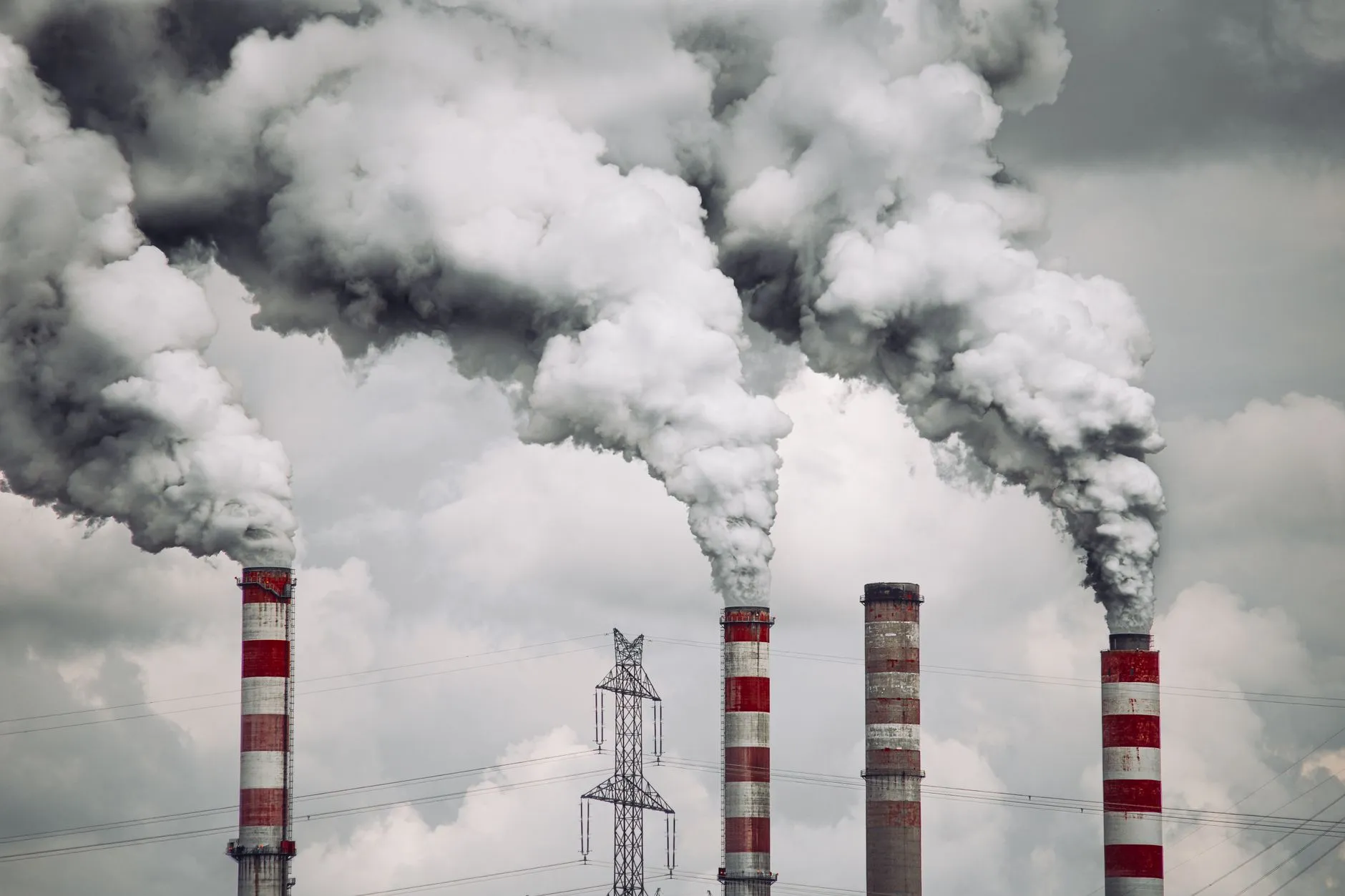
The European Union is rebuilding its carbon market from the ground up. A sweeping set of proposals published in 2026 will extend emissions pricing to new sectors, change how surplus allowances are managed, and set the trading system on course for the bloc's 2040 climate goal. For UK businesses trading into Europe or benchmarking their own carbon plans against EU policy, these changes carry real commercial weight.
The EU emissions trading system puts a price on greenhouse gas pollution. It covers power generation, heavy industry, and aviation within Europe. Companies receive or buy allowances to emit carbon dioxide. Those who cut emissions can sell spare permits. Those who exceed their allocation must buy more.
Brussels now plans to extend that model further. The 2026 revision brings municipal waste incinerators into scope. It strengthens coverage of aviation and maritime transport. It also introduces incentives for permanent carbon removals and opens the door to international carbon credits. At the same time, the European Commission wants to overhaul the market stability reserve, the mechanism that absorbs surplus allowances when supply outstrips demand.
Two parallel carbon markets and one shared challenge
Europe now operates two emissions trading systems. The first, known as ETS1, covers power stations, factories, and flights within the European Economic Area. The second, ETS2, will launch in 2028 and apply to buildings, road transport, and other sectors not covered by the original scheme.
Both systems face the same underlying problem. If too many allowances flood the market, the carbon price collapses and the incentive to cut emissions disappears. Conversely, if permits become too scarce, prices can spike and create sudden cost pressures for businesses and households. The market stability reserve exists to smooth out those swings.
Under current rules, the reserve absorbs allowances when the surplus exceeds a set threshold. It releases them when scarcity pushes prices higher. However, any allowances held above 400 million are permanently cancelled. The Commission proposed in April 2026 to stop that cancellation. Instead, permits would remain in reserve as a buffer against future price volatility.
In September 2026, the European Parliament backed a compromise that keeps the cancellation mechanism but raises the threshold. From February 2027, the cap will rise from 400 million to 650 million allowances. That change means more permits can sit in reserve before any are destroyed. It is designed to give the market more headroom without abandoning the long-term supply constraint that underpins the carbon price.
July 2026 overhaul ties the system to 2040 targets
The broader revision published in July 2026 goes beyond the reserve. It recalibrates the entire trading system to align with the EU Climate Law, which requires net emissions to fall 90% below 1990 levels by 2040. That is a steeper trajectory than the bloc's existing 2030 commitment, and it demands faster reductions across every covered sector.
To deliver that trajectory, the Commission lowered the upper buffer threshold for reserve intake. Previously, the threshold sat at 1,096 million allowances. It now stands at 947 million. The intake rate above that level has also been cut, dropping from 24% to 12%. Those technical adjustments reduce the number of permits entering circulation and tighten the overall supply.
At the same time, the overhaul revisits free allocation rules. Many industrial installations currently receive allowances at no cost to protect their competitiveness against rivals in countries without carbon pricing. The revised framework will phase down that free allocation more quickly, particularly in sectors covered by the carbon border adjustment mechanism. That mechanism imposes a carbon levy on imports, which in theory levels the playing field and reduces the need for domestic protection.
The July package also includes new rules on indirect cost compensation, which helps businesses manage the higher electricity prices that result from carbon pricing. It introduces funding instruments to support decarbonisation investment, including a proposed industrial decarbonisation bank. That institution would provide capital for heavy industry to adopt low-carbon technologies, pairing the financial stick of higher permit costs with the carrot of transition finance.
Municipal waste and transport join the pricing system
One of the most visible changes is the inclusion of municipal waste incinerators. Across Europe, hundreds of facilities burn household rubbish to generate electricity or heat. Those plants emit carbon dioxide, but until now most have sat outside the trading system. Bringing them into scope means operators will need to surrender allowances to cover their emissions, creating a direct cost for every tonne released.
For UK local authorities and waste contractors watching EU policy, this shift matters. Many British incinerators already face scrutiny over their climate impact, and the EU precedent may influence future UK regulatory choices. It also affects any UK waste exporters working with European partners, since carbon costs will now feed into the economics of cross-border waste contracts.
The expansion of maritime and aviation coverage follows a similar logic. Shipping emissions have grown as global trade has increased, and the original ETS did not capture the full footprint of goods moved by sea. The revised system extends pricing to more maritime routes and tightens the rules for flights. Consequently, logistics costs for businesses moving products into or out of Europe are likely to rise.
Carbon leakage safeguards and international credits
Carbon leakage remains a central concern for European policymakers. If emissions-intensive industries relocate to jurisdictions with weaker climate rules, global emissions may rise even as European totals fall. The 2026 revision strengthens safeguards against that risk, particularly in sectors exposed to international competition.
The European Parliament briefing highlights new measures to protect industrial competitiveness. These include tighter criteria for free allocation and closer alignment with the carbon border adjustment mechanism. The goal is to ensure that domestic producers are not undercut by imports from regions without equivalent carbon pricing, while still maintaining pressure to decarbonise.
The package also introduces incentives for permanent carbon dioxide removals. This reflects growing recognition that emissions cuts alone will not be enough to meet 2040 targets. Technologies such as direct air capture, bioenergy with carbon capture and storage, and enhanced weathering will need to scale rapidly. By creating a market signal for removals, the EU hopes to stimulate investment in those solutions.
International carbon credits feature in the proposal as well. The Commission wants to allow companies to use credits from overseas projects to meet a portion of their compliance obligations. However, the details remain contentious. Critics worry that low-quality offsets could undermine the integrity of the system. Supporters argue that international credits can reduce compliance costs and channel finance to climate projects in developing economies.
ETS2 reserve rules reflect lessons from the original system
The market stability reserve for ETS2 was shaped by experience with the first trading system. When ETS1 launched in 2005, it suffered from overallocation and price crashes. The reserve mechanism introduced later helped stabilise the market, but it took years to restore confidence. European policymakers are determined not to repeat those mistakes with the buildings and transport scheme.
In June 2026, the Commission welcomed a political agreement that strengthens the ETS2 reserve. The deal extends the reserve's validity beyond 2030, allowing it to function as a long-term buffer rather than a temporary fix. It also permits stronger intervention when prices rise above a set threshold, giving authorities the tools to release allowances more quickly if costs spike unexpectedly.
Critically, the agreement allows earlier and more gradual releases. Rather than waiting for a crisis, the reserve can start releasing permits as prices approach the trigger point. This gradualism is intended to prevent sudden shocks to household energy bills, a politically sensitive issue in member states where public support for climate policy remains fragile.
The ETS2 scheme is scheduled to start in 2028. It will apply to fuel suppliers rather than individual building owners or drivers. Suppliers will need to buy allowances to cover the emissions from the petrol, diesel, heating oil, and gas they sell. Those costs will pass through to consumers, but the reserve is designed to limit the speed and scale of price increases.
What UK businesses need to watch
- The EU carbon market is expanding to cover municipal waste incineration, more maritime routes, and additional aviation activity from 2027 onwards.
- The market stability reserve threshold for ETS1 will rise from 400 million to 650 million allowances in February 2027, preserving more permits as a price buffer.
- Free allocation for industrial sites will phase down faster under the July 2026 overhaul, particularly in sectors covered by the carbon border adjustment mechanism.
- A new industrial decarbonisation bank will provide capital for heavy industry to adopt low-carbon technologies, pairing carbon pricing with transition finance.
- The ETS2 system for buildings and transport launches in 2028 with a strengthened reserve designed to prevent sudden price spikes.
Commercial implications for cross-border trade and benchmarking
UK manufacturers exporting to Europe need to factor these changes into their cost planning. The carbon border adjustment mechanism already requires importers to purchase certificates matching the embedded emissions in their products. As the EU system tightens, the carbon price underpinning those certificates is likely to rise. Higher prices mean higher border costs for UK goods entering the single market.
Sectors such as steel, cement, aluminium, and chemicals face the sharpest exposure. If a UK producer cannot demonstrate that its products carry a lower carbon footprint than the EU benchmark, it will pay the full border levy. Conversely, companies investing in decarbonisation can gain a competitive edge by reducing the carbon intensity of their output and lowering their border adjustment liability.
Logistics providers also face new pressures. The expansion of maritime emissions pricing will affect shipping costs for goods moved between UK and EU ports. Road haulage into Europe will be caught by ETS2 once fuel suppliers pass through the cost of allowances. Businesses relying on just-in-time supply chains need to model these cost increases and consider whether route changes or modal shifts make economic sense.
For UK businesses pursuing net-zero commitments, the EU revisions offer a useful benchmark. Many large UK companies already report emissions under frameworks such as the Task Force on Climate-related Financial Disclosures or the Streamlined Energy and Carbon Reporting regime. Tracking EU policy developments helps UK firms anticipate where domestic regulation may head and align their decarbonisation roadmaps accordingly.
Public sector organisations in the UK should pay particular attention. Procurement policy note 06/21 requires suppliers bidding for central government contracts above £5 million to publish a carbon reduction plan. As UK policy evolves, alignment with EU standards may become a practical necessity for suppliers serving both markets. Understanding how the EU trading system is tightening can inform the ambition and structure of those carbon reduction plans.
Reserve mechanics and the politics of permit cancellation
The debate over allowance cancellation highlights a deeper tension. Environmentalists argue that destroying surplus permits is essential to maintain scarcity and keep the carbon price high enough to drive investment in clean technology. Industry groups counter that excessive cancellation risks sudden price spikes, which can destabilise business planning and erode political support for emissions trading.
The September 2026 parliamentary vote reflects that balancing act. By raising the cancellation threshold to 650 million allowances, lawmakers preserved the principle of permanent removal while giving the market more breathing space. The vote passed with 367 members in favour, 240 against, and 59 abstentions. That margin suggests broad but not unanimous support for the compromise.
The outcome also reveals divergent views within the European Parliament. Some members wanted to scrap cancellation entirely, arguing that a large reserve provides sufficient price stability without destroying allowances. Others pushed to keep the 400 million threshold, fearing that a higher cap would weaken the long-term emissions trajectory. The final deal threads the needle between those positions, but it remains vulnerable to future revision if market conditions change.
Implications for carbon strategy and reporting in UK firms
UK businesses benchmarking their carbon strategies against European peers need to understand how these rule changes affect compliance costs and investment decisions across the channel. If European competitors face higher carbon prices, they may accelerate investments in energy efficiency, renewable heat, or low-carbon production processes. That acceleration could shift competitive dynamics in sectors where carbon intensity affects market position.
For companies reporting under the Streamlined Energy and Carbon Reporting framework or preparing for potential future UK carbon pricing, the EU revisions provide a live case study in market design. The European experience shows how permit allocation rules, reserve thresholds, and sectoral coverage interact to shape business behaviour. UK firms can draw lessons from those interactions when developing their own reduction targets and investment plans.
Similarly, organisations working towards science-based targets or pursuing certification under standards such as PAS 2060 can use EU policy trends as a reference point. If Europe is tightening its carbon market to align with a 90% reduction by 2040, UK businesses aiming for net zero by 2050 may find their own interim targets need adjustment to remain credible against that trajectory.
Financial directors and procurement teams should also take note. Carbon pricing affects input costs, supply chain decisions, and contract negotiations. Understanding where EU policy is heading helps UK businesses anticipate cost pressures in European supply chains and factor those pressures into procurement planning. It also informs decisions about whether to source materials from European suppliers subject to ETS compliance costs or look to alternative markets.
Where policy certainty and transition timelines meet
At SBS, we work with businesses navigating the practical realities of carbon reduction, compliance, and cost control. The EU revisions illustrate a policy trend we see across multiple jurisdictions: governments are tightening emissions rules while trying to avoid sudden economic shocks. That tension between ambition and stability shapes the design of every major climate policy.
For UK SMEs, the immediate priority is often compliance with existing requirements such as Streamlined Energy and Carbon Reporting or Procurement Policy Note 06/21. However, forward-looking businesses also need to track where policy is heading. The EU trading system is the world's largest carbon market. Changes to its structure send signals to policymakers in other countries, including the UK.
Companies exporting to Europe or competing with European firms should model the cost impact of higher carbon prices. That modelling should include direct costs such as border adjustment levies and indirect costs such as higher logistics or materials prices. It should also consider the strategic implications of European competitors gaining access to transition finance through mechanisms such as the proposed industrial decarbonisation bank.
Businesses further back from the European market can still benefit from understanding these developments. Carbon reporting requirements are tightening in the UK, and many large organisations are already asking suppliers to provide emissions data. Knowing how the EU system is evolving helps suppliers anticipate what information customers may request and what reduction trajectories may become standard expectations in supply chain due diligence.
We support clients through our net-zero program for carbon reporting compliance, helping them measure emissions, identify reduction opportunities, and meet the requirements of public sector tenders and private sector supply chains. Understanding international policy trends is part of that work, because carbon strategy cannot be built in isolation from the regulatory and commercial environment.
Authoritative sources and further reading
The European Parliament legislative train schedule tracks the progress of ETS reform proposals through the EU institutions. It provides timelines, document references, and updates on committee votes and plenary sessions.
The European Commission climate action pages explain the structure of the emissions trading system, the market stability reserve, and the carbon border adjustment mechanism. They include links to legislative texts, impact assessments, and policy summaries.
For businesses assessing cross-border carbon costs, the UK government consultation on a potential UK carbon border adjustment mechanism offers insight into how British policymakers are thinking about import levies and competitiveness safeguards. Although the EU and UK systems will differ, the underlying policy questions are similar.
The
//CORRECT LINK BELOW International Energy Agency reporting on emissions trading systems provides comparative analysis of carbon markets worldwide, including the EU ETS, UK ETS, and schemes in California, New Zealand, and South Korea. That global perspective helps UK businesses understand where carbon pricing is heading and how different systems interact through international credit mechanisms.