
Heatwave Boosts EU Solar Output by 17%, Ember Reports
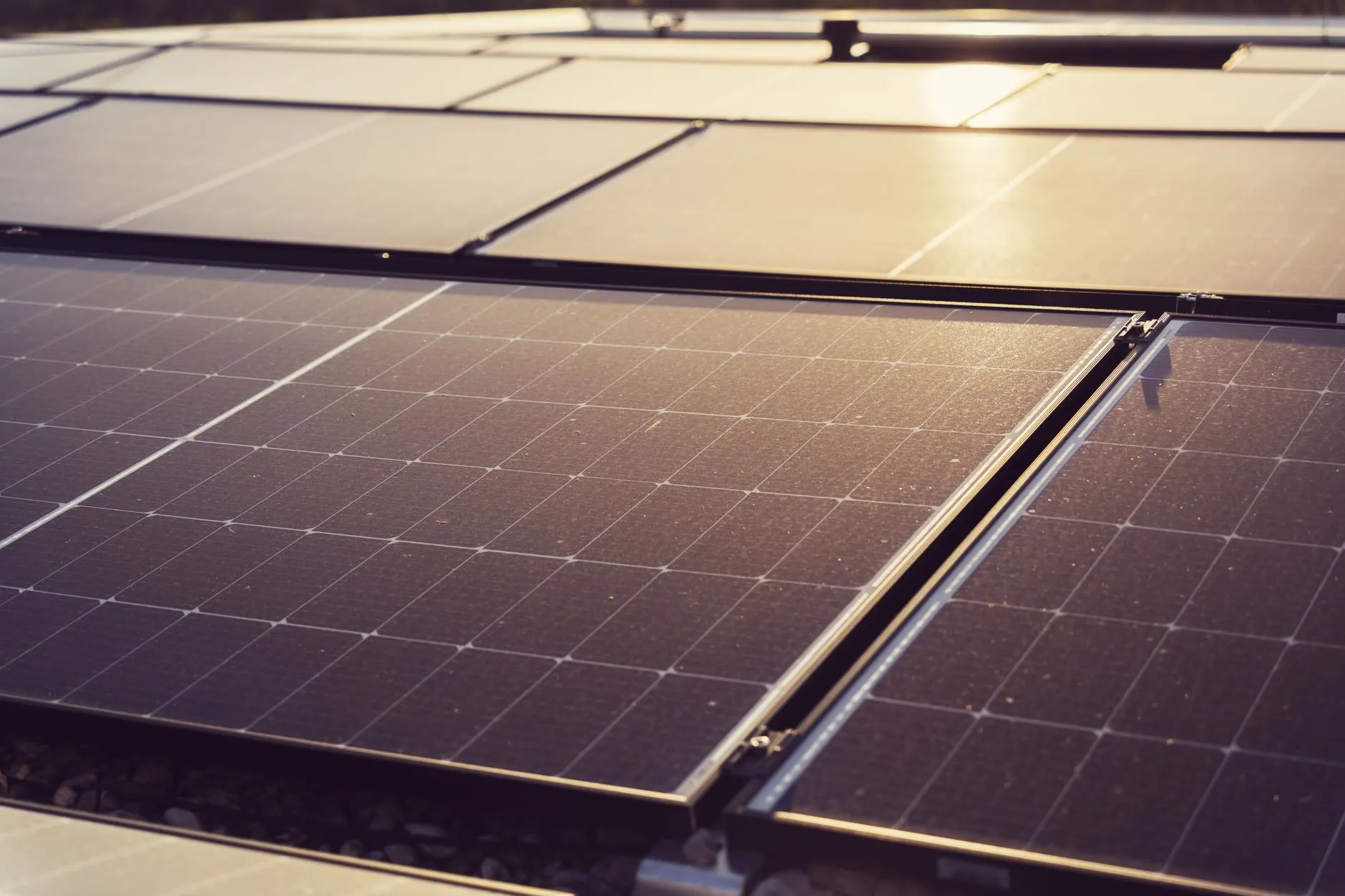
Solar generation surged during Europe's 2026 summer heatwaves
Europe's electricity grids faced a sharp test during the summer of 2026. Heatwaves pushed cooling demand higher across the continent. At the same time, solar generation climbed by up to 17% on the hottest days in countries including France and Hungary. The result was a complex grid challenge: demand rose, but so did daytime power supply from solar panels.
According to analysis from Ember, June and July 2026 set new records for solar generation across the EU. Solar supplied 25% of EU electricity in both months. This made it the largest single power source in June, the first time solar had reached that milestone. Meanwhile, electricity demand jumped by as much as a quarter on the hottest days in some countries.
The findings carry weight for UK businesses watching European energy trends. Solar is no longer just a decarbonisation tool. It has become a short-term reliability asset during summer stress events. However, the analysis also exposes a structural gap: solar peaks during the day, but heatwave demand persists into the evening when solar fades and grids need storage or flexible generation to fill the gap.
Record months for solar across the European Union
June 2026 delivered 52 terawatt hours of solar generation across the EU. This represented 25% of total electricity for the month. July followed with 55 terawatt hours, maintaining the same 25% share. These figures came from Ember's reporting on European electricity data.
June marked a turning point. It was the first month in which solar provided a quarter of EU electricity. It was also only the third month on record in which solar ranked as the bloc's largest power source. The surge reflected both the expansion of solar capacity across Europe and the unusually sunny, hot conditions that accompanied the heatwaves.
The scale of solar's contribution stands out when compared with previous years. Solar generation has grown steadily across Europe, but the combination of new capacity and ideal weather conditions in summer 2026 pushed output to levels not seen before. For businesses tracking energy markets, this shift signals that solar is now a major factor in European power systems, not a marginal contributor.
Heatwaves increased both demand and solar output
Europe's 2026 heatwaves created two opposing forces. Air conditioning and cooling systems drove electricity demand higher. At the same time, hot, sunny, and often cloudless conditions boosted solar generation. Ember's analysis shows that solar output rose by up to 17% on heatwave days in France and Hungary compared with other days in June and July.
In Spain, average daily solar generation was 5% higher during the heatwaves. In Italy, solar generation remained roughly unchanged during the same period. The variation reflects differences in cloud cover, solar capacity, and local weather patterns. Nevertheless, solar was described as the only major generation source to perform better than usual during the heatwaves.
The demand side of the equation was equally significant. Some countries saw electricity demand rise by as much as a quarter on the hottest days. This increase strained grids that were already managing the evening peak, when solar drops off and other sources must compensate. Consequently, solar helped most when systems were under stress, but it could not solve the full peak-load problem on its own.
Ember estimated that a typical UK rooftop solar system produced enough electricity to power a household air conditioning unit for five hours during the June heatwave. This example illustrates the practical benefit of distributed solar during extreme heat. However, it also underscores the need for storage or flexible demand to extend that benefit beyond daylight hours.
Key facts from the Ember analysis
- Solar output rose by up to 17% on heatwave days in France and Hungary compared with other days in June and July 2026.
- In Spain, average daily solar generation was 5% higher during the heatwaves, while in Italy, solar generation remained roughly unchanged.
- EU solar generation reached 52 terawatt hours in June and 55 terawatt hours in July 2026, with solar supplying 25% of EU electricity in both months.
- June 2026 was the first month ever in which solar provided a quarter of EU electricity and only the third month in which solar was the EU's largest power source.
- Electricity demand rose sharply during the hottest periods, with some countries seeing increases of as much as a quarter on hot days.
- Solar was the only major power source to perform better than usual during the heatwaves, according to Ember's findings.
What this means for UK businesses and energy planning
The 2026 European heatwaves offer evidence that solar is already delivering measurable system value during climate extremes. This matters for UK businesses for several reasons. First, energy markets are interconnected. What happens on the continent affects pricing, grid stability, and policy thinking in the UK. Second, businesses with operations in Europe need to factor solar's growing role into their energy risk planning.
Solar's performance during the heatwaves demonstrates that renewable capacity can help absorb demand shocks during daylight hours. For businesses considering onsite solar or power purchase agreements, this is a useful data point. Solar does not just reduce annual carbon totals. It can also provide relief during periods of high demand when grid electricity becomes more expensive or less reliable.
However, the analysis also highlights a challenge. Solar peaks during the day, but demand during heatwaves often remains elevated into the evening. This timing gap creates a need for storage, flexible generation, or demand response. Businesses that rely on consistent power throughout the day and into the evening cannot depend on solar alone. They need either battery storage or a strategy for managing demand when solar output drops.
For companies tendering for public sector contracts, understanding solar's limitations and benefits is increasingly important. Procurement criteria often include questions about energy resilience and carbon reduction. Businesses that can demonstrate a clear understanding of how solar fits into their energy strategy are better positioned to meet those requirements. Moreover, businesses that invest in solar paired with storage can offer more credible evidence of resilience during extreme weather events.
The broader implication is that future energy systems will need to balance intermittent renewables with flexible resources. Businesses that plan for this now will be better prepared as heatwaves become more frequent and more intense. This is not a distant concern. Climate projections suggest that extreme heat will become more common across Europe and the UK. Consequently, energy planning needs to account for higher cooling demand and the need for reliable power during summer peaks.
Businesses should also consider how their energy use aligns with solar generation patterns. Manufacturing or data-intensive operations that can shift some load to daytime hours may benefit from cheaper solar power. Conversely, businesses with evening peaks may need to invest in storage or flexible contracts to manage costs and maintain resilience. The 2026 heatwaves show that solar can help, but it cannot carry the full load without support.
Storage and flexibility remain critical gaps
The Ember analysis makes clear that solar alone does not solve the heatwave challenge. Demand rises throughout the day and into the evening, but solar fades as the sun sets. This creates a gap that must be filled by other sources. Without storage or flexible generation, grids face stress during the evening peak, precisely when households and businesses need power most.
Battery storage is one solution. It allows solar generation to be shifted from midday to evening, smoothing out the mismatch between supply and demand. However, storage deployment across Europe remains uneven. Some countries have invested heavily in batteries, while others lag behind. For UK businesses, this matters because it affects the reliability of cross-border electricity flows and the stability of European energy markets.
Flexible demand is another option. Businesses that can reduce or shift their electricity use during peak hours can help balance the grid and reduce costs. This might involve running energy-intensive processes during the day when solar is abundant or installing controls that automatically adjust demand in response to grid signals. As heatwaves become more common, businesses with flexible demand will have a competitive advantage.
The policy environment is also shifting. Governments across Europe are recognising the need for storage and flexibility. Support schemes are emerging, and regulatory frameworks are evolving to reward businesses that contribute to grid stability. UK businesses should monitor these developments, particularly if they have cross-border operations or supply chains. Understanding how European energy policy is adapting to climate extremes will help businesses anticipate changes in the UK market.
For businesses considering solar investments, the 2026 heatwaves provide a useful lesson. Solar delivers clear benefits during extreme heat, but those benefits are limited without storage or flexibility. Businesses that combine solar with batteries or demand management will be better positioned to maintain resilience, reduce costs, and meet sustainability targets. Our net-zero program for carbon reporting compliance can help businesses assess these options and build a strategy that balances resilience with decarbonisation.
Further information and official sources
Ember publishes detailed analysis of European electricity data, including monthly generation breakdowns and sector-specific insights. Their reporting on the 2026 heatwaves offers a granular view of how solar performed across different countries and under different weather conditions. Businesses seeking more detail can review their findings on the Ember website.
The UK government's Department for Energy Security and Net Zero provides guidance on energy resilience, renewable capacity, and net-zero planning. Their resources include data on UK electricity generation, policy updates, and support for businesses investing in low-carbon technologies.
For businesses interested in solar and storage technology, the Solar Trade Association offers industry updates, technical guidance, and case studies from UK installations. Additionally, our ESG compliance and carbon reporting services can help businesses integrate solar and storage into their broader sustainability strategies while meeting regulatory requirements and preparing for future climate risks.