
EU solar power displaces €30bn of gas imports
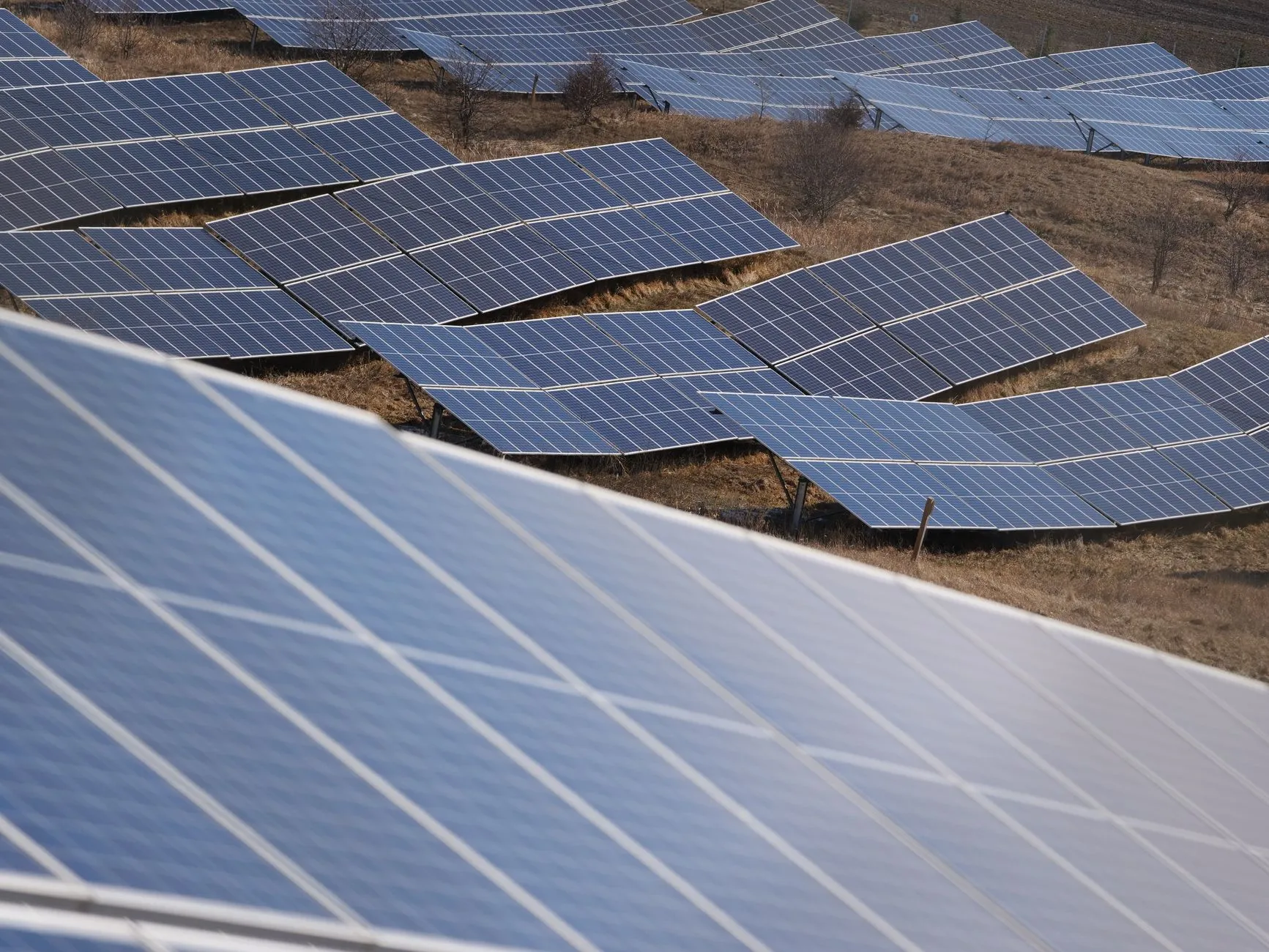
Europe's solar fleet avoids €30 billion in gas imports
SolarPower Europe has announced that the continent's solar installations have now avoided more than €30 billion in gas imports over the six months since the Iran conflict began. The figure underscores how quickly solar capacity is cushioning the EU from fossil fuel price shocks. Previously, the association reported €10 billion in avoided costs by late May and €20 billion by mid-July. The organisation estimates that solar has been saving Europe roughly €164 million per day throughout this period.
For UK businesses with European operations or supply chains, these developments matter. They demonstrate how renewable generation can reduce exposure to volatile gas markets. Moreover, they suggest that investment in onsite solar may offer similar protection against energy price spikes closer to home.
The story also carries lessons for procurement teams and finance directors. When energy security becomes a tangible business risk, the case for renewable generation moves beyond carbon reduction. It becomes a question of cost control and operational resilience.
How the conflict triggered a fresh assessment
The analysis began in early March 2026, when escalating tensions in the Middle East drove gas prices sharply higher. SolarPower Europe responded by calculating how much gas-fired generation the EU's solar output was displacing. Importantly, the association frames these results as avoided import costs rather than direct cash savings to consumers. The distinction matters because the figures represent what Europe did not have to spend on gas, not money returned to households or businesses.
In April, SolarPower Europe reported that the EU solar fleet had generated 19.9 terawatt-hours in the first 17 days of the conflict. This output avoided €3.77 billion in gas imports, averaging €111.7 million per day. By 15 July, the figure had grown to €20 billion over 137 days, equating to roughly €146 million per day.
These milestones show a steady accumulation of avoided costs. However, they also depend on gas prices remaining elevated. If prices fall, the daily savings rate will drop accordingly. The estimates are therefore best understood as snapshots of a particular moment in European energy markets.
Six-month total reaches €30 billion milestone
The latest update puts the six-month total at more than €30 billion in avoided gas imports since the conflict started. According to PV Magazine, this corresponds to Europe avoiding roughly €1 billion per week in gas import costs for power generation. SolarPower Europe's press release states that the figure reflects the output of the continent's operational solar fleet and the gas imports that would otherwise have been required to generate equivalent electricity.
The association also notes that solar generation is now influencing the economics of electricity supply at scale, not just emissions profiles. Some industry coverage suggests that if gas prices stay high, the year-end value of avoided imports could climb further. Nevertheless, that outcome depends heavily on market conditions and geopolitical developments that remain uncertain.
For businesses considering renewable installations, the underlying message is clear. Solar capacity can reduce reliance on imported gas, particularly during periods when fuel prices surge. This benefit extends beyond environmental targets and into financial planning.
What the numbers mean for energy strategy
The figures carry two main implications. First, solar power has become a material buffer against imported gas exposure, especially during geopolitical shocks that push up fuel prices. Second, they strengthen the policy case for accelerating solar, storage, and grid investment because the benefits now extend beyond decarbonisation to direct energy security gains and lower import bills.
Europe still relies heavily on imported gas, so each increment of solar generation can reduce vulnerability to volatile international fuel markets. At the same time, the reported savings are model-based avoided import costs. They are not a literal transfer of cash to households or governments. Consequently, they should be read as an estimate of what Europe did not have to spend on gas-fired generation.
For UK manufacturers and logistics operators, the broader lesson is about risk management. Energy price volatility can disrupt budgets and erode margins. Onsite generation, whether solar or other renewables, offers a degree of insulation from those swings. It also improves the predictability of energy costs over the medium term.
Implications for UK businesses and procurement teams
Although these figures relate to the EU, they have relevance for UK businesses. Many companies operate across both markets or source materials from European suppliers. When gas prices rise sharply, the impact ripples through supply chains. Component costs increase, logistics become more expensive, and contract prices adjust upward.
Businesses with European operations may find that solar installations at those sites reduce exposure to gas price swings. Similarly, UK companies tendering for public sector contracts increasingly face questions about energy sourcing and carbon reduction. Demonstrating that you generate a portion of your electricity from renewables can improve your competitive position in those processes.
Furthermore, the association's analysis highlights how quickly the strategic value of renewable generation can shift. Six months ago, solar was primarily a decarbonisation tool. Today, it is also an energy security asset. That evolution suggests that investment decisions made now may deliver benefits that were not fully anticipated at the outset.
Procurement teams should also consider how energy price volatility affects supplier stability. A European supplier heavily reliant on gas-fired power may face cost pressures that a solar-equipped competitor does not. Therefore, understanding your supply chain's energy mix can inform risk assessments and sourcing decisions.
Strategic considerations for renewable investment
The €30 billion figure marks a significant escalation from earlier SolarPower Europe estimates. It suggests that Europe's solar buildout is already delivering large strategic benefits during an energy crisis. If gas prices remain elevated, the avoided-cost impact of solar could continue to rise, making the sector increasingly central to both climate strategy and energy security.
For UK businesses, the decision to invest in onsite solar or other renewables depends on several factors. These include available roof or land space, grid connection capacity, capital availability, and the payback period. However, the European experience demonstrates that the value of renewable generation extends beyond the electricity it produces. It also includes the gas imports you avoid and the price volatility you sidestep.
Additionally, businesses should consider how renewable investment aligns with broader compliance requirements. Our ESG compliance and carbon reporting services help companies navigate the regulatory landscape and ensure that energy investments contribute to mandatory reporting obligations. Meanwhile, firms tendering for public contracts may need to demonstrate carbon reduction under PPN 06/21, which our net-zero program for carbon reporting compliance is designed to support.
Storage also deserves attention. Solar generation is intermittent, so pairing panels with battery systems can improve self-consumption rates and reduce reliance on grid electricity during peak pricing periods. This combination enhances both the financial and strategic value of the investment.
Key details from the SolarPower Europe analysis
- Europe's solar fleet has avoided more than €30 billion in gas imports over the six months since the Iran conflict began.
- The avoided import costs reached €20 billion by 15 July 2026 and €10 billion by late May 2026.
- In March 2026 alone, solar generation avoided €3.77 billion in gas imports.
- Daily savings averaged €111.7 million during the first 17 days of the conflict and rose to roughly €146 million per day over the 137-day period ending 15 July.
- The EU solar fleet generated 19.9 terawatt-hours in the first 17 days after the conflict escalated.
- SolarPower Europe estimates that Europe has been avoiding approximately €164 million per day in gas import costs throughout the broader six-month period.
What businesses should be thinking about now
Energy price volatility is not going away. Geopolitical risks, supply chain fragility, and the transition away from fossil fuels all contribute to ongoing uncertainty in energy markets. Businesses that reduce their exposure to these swings will be better positioned to control costs and maintain margins.
Onsite renewable generation is one option. Solar panels on roofs or land can supply a portion of your electricity needs, reducing reliance on grid power and imported gas. The payback period varies depending on installation costs, energy usage patterns, and available subsidies, but the strategic benefits often extend beyond simple financial calculations.
Another consideration is procurement. When sourcing goods or services, ask suppliers about their energy mix and carbon footprint. A supplier with renewable generation may be less exposed to gas price shocks and therefore more likely to hold contract prices steady. This information can inform both risk assessments and sourcing decisions.
Training also matters. Understanding how energy markets work, how renewable generation integrates with grid systems, and how to assess the financial case for solar or storage can help teams make better decisions. Resources such as the SBS Academy training on energy and carbon topics provide practical knowledge for businesses navigating these questions.
Finally, consider how energy strategy aligns with compliance and reporting obligations. Carbon reduction targets, ESG disclosures, and public procurement requirements all intersect with energy sourcing decisions. A coherent approach to renewable investment can therefore deliver benefits across multiple business functions.
Further reading and authoritative sources
For more detail on European solar capacity and energy security, see the SolarPower Europe website, which publishes regular market updates and policy analysis. The Department for Energy Security and Net Zero provides UK-focused guidance on renewable energy policy and support schemes.
Businesses interested in the relationship between renewable generation and gas markets can consult Ofgem's energy market reports, which track pricing trends and supply conditions. For broader context on Europe's energy transition, the International Energy Agency publishes detailed analysis on renewable deployment, fossil fuel dependence, and energy security.
These sources offer evidence-based perspectives that can inform both policy discussions and business planning. They also provide the data needed to assess how geopolitical developments, market conditions, and regulatory changes may affect energy costs and investment decisions.