
Fashion industry emissions rise again due to polyester use
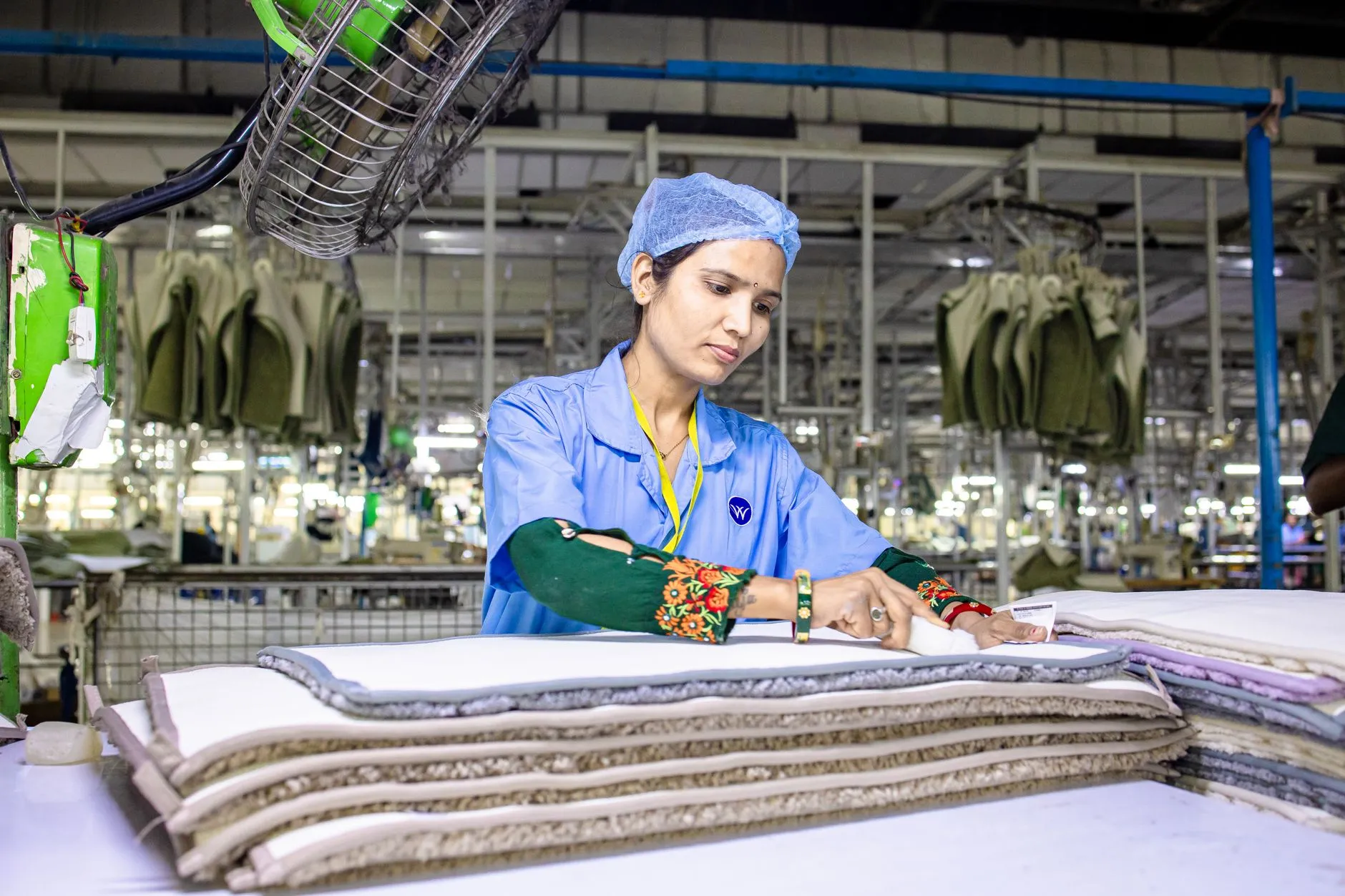
Fashion industry emissions climb as virgin polyester demand continues to grow
The fashion industry's carbon footprint grew again in 2024. Demand for virgin polyester and other fossil-based fibres drove emissions higher for the second year running. Consequently, the sector is moving further away from the climate targets most brands have publicly committed to reach by 2030.
Apparel accounts for roughly 2% of global greenhouse gas emissions. However, the bulk of those emissions sit in supply chains rather than in brand-owned operations. For UK businesses that manufacture, import, or retail clothing, this creates compliance risks and procurement challenges that are becoming harder to ignore.
Recent industry data shows the problem is worsening. Production volumes are rising, and the share of recycled or lower-carbon materials is falling. For SMEs in the textiles sector or companies with apparel in their supply chains, the trends point to tighter regulation, higher costs, and growing scrutiny from buyers and investors.
Global fibre production hits record high in 2023
Textile Exchange reported that global fibre production reached an all-time high of 124 million tonnes in 2023. Virgin fossil-based synthetic fibre production rose from 67 million tonnes in 2022 to 75 million tonnes in 2023. Polyester alone accounted for approximately 71 million tonnes, representing 57% of total fibre production.
Meanwhile, recycled polyester's market share fell from 13.6% to 12.5% over the same period. This means recycled supply is not keeping pace with overall growth. As a result, the industry is becoming more dependent on virgin fossil-based materials at precisely the time when carbon reduction pathways require the opposite.
The Apparel Impact Institute estimated that apparel sector emissions reached 0.879 gigatonnes of CO2e in 2022, equal to about 1.85% of annual global greenhouse gas emissions. A subsequent analysis placed the industry at roughly 1.05 gigatonnes of CO2e, or approximately 2% of global emissions. The institute's latest release indicated that total emissions reached 944 million tonnes in 2024, reflecting a 7% increase driven by overproduction and rising reliance on virgin polyester.
Emissions are concentrated in the upstream supply chain. Material processing accounts for 55% of total apparel emissions. Raw materials contribute 21%, raw materials processing adds 15%, and finished goods assembly makes up 9%. For fashion brands with approved science-based targets, 96% of emissions fall under Scope 3, and more than 78% of those Scope 3 emissions come from purchased goods and services.
Rising emissions undermine industry climate commitments
The sector's emissions trajectory is incompatible with the 2030 reduction targets that many major brands have adopted. The Apparel Impact Institute reported that fashion industry carbon emissions rose by 6.3% in 2024. A follow-up release noted a 7% emissions spike. Both figures point to the same conclusion: the industry is moving in the wrong direction.
The primary driver is increased production, particularly in ultra-fast fashion segments. This has been accompanied by a growing reliance on virgin polyester, which now makes up 57% of global fibre production. Polyester is an oil-derived synthetic, and its production is carbon-intensive. As long as fashion keeps increasing volumes while depending on virgin fossil-based synthetics, efficiency gains and recycling initiatives will struggle to offset the overall emissions growth.
For UK businesses, this trend creates several problems. First, buyers in the public sector and large private organisations are tightening procurement standards. Second, investors are paying closer attention to Scope 3 emissions. Third, future carbon border adjustments and extended producer responsibility schemes are likely to target high-carbon materials and processes.
UK SMEs face supply chain and compliance pressure
Most UK businesses in the apparel sector do not manufacture their own products. Therefore, emissions reductions depend on supplier engagement, material choices, and production volumes. This makes decarbonisation technically and financially challenging, especially for smaller firms with limited leverage over suppliers.
Procurement teams are already seeing sustainability criteria appear in tender documents. Public sector buyers are using frameworks that require carbon reporting and evidence of emissions reduction plans. As a result, companies without credible data or reduction strategies face exclusion from contracts.
Supply chain emissions also affect carbon reporting obligations. Large companies subject to the Streamlined Energy and Carbon Reporting regulations must report Scope 1 and 2 emissions. However, investors and customers increasingly expect Scope 3 disclosure as well. For apparel businesses, Scope 3 emissions are where the vast majority of the carbon footprint sits.
Material choice is central to any credible reduction plan. Virgin polyester is cheap and abundant, but its carbon intensity is high. Switching to recycled polyester, organic cotton, or other lower-carbon fibres reduces emissions, but it also increases costs and complicates sourcing. Suppliers may not have the capacity or willingness to change, and brands may lack the volume or influence to drive changes.
Overproduction is another issue. Fast fashion business models rely on high turnover and low prices, which encourages volume growth. This directly conflicts with carbon reduction goals. For UK businesses, this means rethinking product ranges, stock levels, and sales strategies in ways that may affect revenue in the short term.
What UK businesses need to know about emissions and materials
- Apparel sector emissions were estimated at 0.879 gigatonnes of CO2e in 2022, approximately 1.85% of global emissions.
- Global fibre production reached 124 million tonnes in 2023, the highest level on record.
- Virgin fossil-based synthetic fibre production rose from 67 million tonnes in 2022 to 75 million tonnes in 2023.
- Polyester production reached about 71 million tonnes in 2023 and represented 57% of total fibre production.
- Recycled polyester's market share fell from 13.6% to 12.5% in 2023, showing that recycled supply is not keeping pace with overall growth.
- Material processing accounts for 55% of total apparel emissions, with raw materials contributing 21% and raw materials processing adding 15%.
- For fashion brands with approved science-based targets, 96% of emissions are Scope 3, and more than 78% of those Scope 3 emissions come from purchased goods and services.
Practical steps for reducing apparel supply chain emissions
Reducing emissions in fashion supply chains requires action on materials, volumes, and supplier relationships. First, businesses need accurate data on current emissions. This means mapping supply chains, identifying high-carbon processes, and quantifying Scope 3 emissions from purchased goods.
Material substitution is one of the most effective levers. Replacing virgin polyester with recycled alternatives can cut emissions by up to 50% per kilogram of fibre. Similarly, organic cotton has a lower carbon footprint than conventional cotton, though it requires more land and water. Businesses should assess which fibres are used in their products and explore lower-carbon alternatives with suppliers.
Supplier engagement is essential. Many manufacturers in Asia and other regions lack the capital or technical knowledge to invest in cleaner processes. Brands can support decarbonisation by providing training, sharing costs, or committing to long-term contracts that justify investment. Our sustainable procurement support helps businesses build these relationships and develop supplier engagement strategies.
Production volumes must also be addressed. Reducing overproduction cuts emissions, waste, and costs. This may involve smaller product ranges, better demand forecasting, or shifting away from ultra-fast fashion models. For UK SMEs, this can improve margins while reducing environmental impact.
Carbon reporting is becoming a baseline expectation. Businesses should establish systems for tracking and reporting Scope 3 emissions, even if not yet legally required. This prepares companies for future regulation and meets buyer expectations. Our ESG compliance and carbon reporting services provide the frameworks and support needed to meet these standards.
Certification and standards can help demonstrate credibility. Schemes such as the Science Based Targets initiative provide recognised pathways for emissions reduction. For public sector suppliers, meeting standards such as PPN 06/21 on carbon reduction plans is increasingly mandatory. Our net zero program for carbon reporting compliance supports businesses in developing and evidencing reduction plans that meet procurement requirements.
Authoritative sources and further reading
The Apparel Impact Institute publishes detailed analysis of fashion industry emissions. Their report,