
The Climate Pledge Fashion Coalition Launches
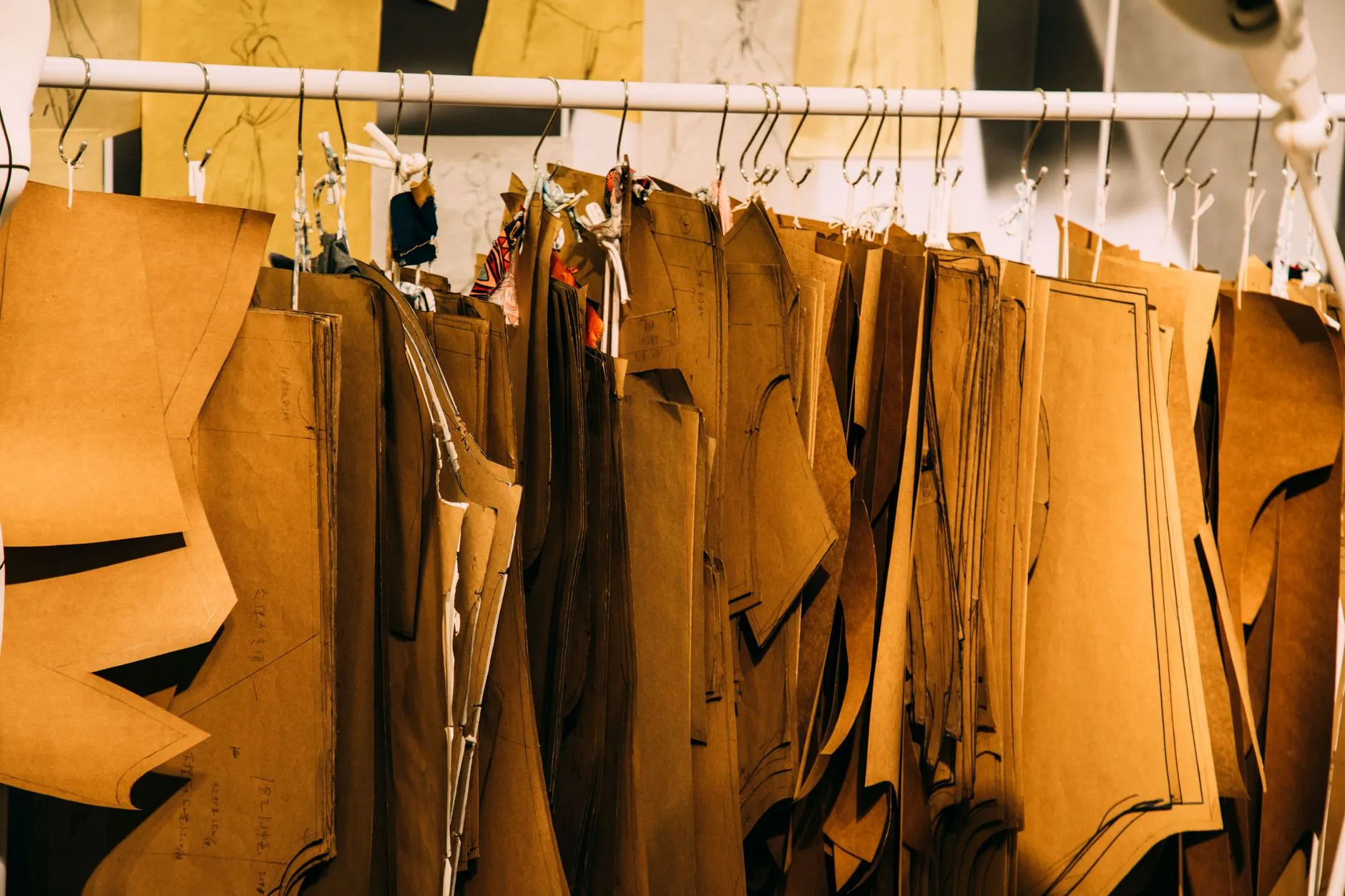
The fashion industry has long struggled with a paradox. Plenty of lower-carbon materials and production methods exist, but few reach commercial scale. Prices stay high, suppliers hesitate to invest, and brands balk at the cost. A new coalition launched in September 2026 aims to break that cycle by pooling demand across dozens of companies and opening up financing for promising but underused technologies.
The Climate Pledge Fashion Coalition brings together Amazon, Stella McCartney, Canopy, and the World Economic Forum alongside more than 60 brands, manufacturers, retailers, and technology firms. Its stated goal is to move sustainable materials from pilot projects into everyday production. The group is focusing on organic and recycled fibres, next-generation textiles made from waste, and manufacturing processes that cut water use, chemical inputs, and emissions.
For UK businesses that sell into fashion supply chains or produce garments for retail, this initiative could shift the materials you're asked to source and the production standards you're expected to meet. Meanwhile, smaller brands that rely on third-party manufacturers may find it easier to access lower-impact options as collective purchasing brings prices down. Whether the coalition delivers on that promise depends on execution, but the commercial intent is clear.
How the coalition came together and what it does
The Climate Pledge Fashion Coalition was announced in New York on 23 September 2026 during Climate Week. It sits within The Climate Pledge, a broader net-zero initiative co-founded by Amazon and Global Optimism in 2019. Signatories to The Climate Pledge commit to reaching net-zero carbon emissions by 2040, a decade ahead of the Paris Agreement target. They must report emissions annually, implement decarbonisation plans, and use credible offsets only after cutting as much as they can.
Fashion was singled out for dedicated action because no single brand controls an entire supply chain. Mills, dye houses, and cut-and-sew facilities typically serve multiple clients. Consequently, one company's decision to trial a new fibre or dyeing process rarely moves the needle for the supplier. Investment in cleaner technologies stays limited because demand remains fragmented.
Kara Hurst from Amazon's climate team explained the problem in direct terms. She noted that breakthrough materials already exist but lack the demand needed to make them affordable. The coalition is designed to address that gap by aggregating purchasing commitments, which should give suppliers confidence to scale up production and lower unit costs.
The group is not concentrating solely on recycling or end-of-life solutions. Instead, it prioritises earlier stages of the product lifecycle. That includes organic cotton and other natural fibres grown with fewer pesticides and synthetic inputs. It also covers recycled polyester, nylon, and cellulosic fibres, along with next-generation materials made from agricultural waste, algae, and other alternative feedstocks.
Manufacturing technology is another focus area. Specifically, the coalition is backing methods that reduce water consumption in dyeing and finishing, cut reliance on hazardous chemicals, and lower emissions from energy-intensive processes such as heat setting and fabric curing. These interventions matter because textile production is resource-heavy, particularly in wet processing stages.
Financing is a central part of the plan. The coalition is working with the World Economic Forum on blended finance structures that combine development finance institution guarantees with private capital. This approach is intended to de-risk investments in suppliers and material innovators that have proven technologies but lack the track record or balance sheet to attract conventional funding.
The Lever Library and how it supports procurement decisions
One of the coalition's main tools is the Fashion Coalition Lever Library, a shared resource built with input from more than 30 brands and suppliers. It contains over 100 proven and emerging solutions, guidance organised by fibre type, and a directory of innovators ready for commercial partnerships. The library is meant to function as a practical reference for procurement teams, designers, and sustainability managers.
For example, if you need to source recycled polyester for a new product line, the library provides technical specifications, supplier contacts, cost benchmarks, and case studies from other brands that have already integrated the material. Similarly, if you're evaluating water-saving dyeing technologies, you can compare methods, assess readiness for scale, and identify mills that have installed the equipment.
This matters because sourcing decisions often stall when information is scattered or suppliers are difficult to identify. By consolidating that knowledge, the coalition reduces the time and cost involved in switching to lower-impact materials. It also helps smaller businesses that lack dedicated sustainability teams or the resources to conduct lengthy supplier audits.
Canopy, a non-profit that works on forest conservation and alternative fibres, is connecting coalition members to its Next Gen Now program. That initiative links companies with producers of next-generation cellulosic fibres, such as those made from agricultural residues or recycled textiles. Canopy maintains a database of suppliers that meet specific environmental criteria, which speeds up the vetting process for brands looking to adopt these materials.
What this means for UK fashion brands and suppliers
If you supply fabrics, trims, or finished garments to brands that are part of The Climate Pledge or the fashion coalition, you may face new material requirements in the coming contract cycles. Consequently, understanding which alternatives are available and at what price point becomes commercially important. Waiting until a customer mandates a switch leaves you with less time to test materials, adjust production processes, or negotiate terms with your own suppliers.
For smaller UK brands, the coalition's work on pricing and access could make sustainable materials more viable. Many low-carbon fibres and fabrics carry a premium that is difficult to absorb when you operate on tight margins or produce limited runs. As collective demand grows and suppliers scale up, those premiums should narrow. However, the timeline for price parity depends on how quickly the coalition converts commitments into purchase orders.
Public sector suppliers and brands tendering for contracts that include sustainability criteria may also benefit. Procurement notices increasingly reference carbon reduction, circular economy principles, and supply chain transparency. Being able to demonstrate that you use coalition-endorsed materials or follow best practices documented in the Lever Library could strengthen your bid, particularly if the buyer is familiar with The Climate Pledge framework.
There are also risks. If the coalition gains traction, brands outside the group may still adopt its preferred materials and standards to remain competitive. That could shift industry norms faster than expected, leaving businesses that have not prepared for material transitions at a disadvantage. On the other hand, if the coalition fails to deliver on volume commitments, suppliers that invested in new equipment or capacity could face stranded assets.
Supply chain visibility is another consideration. The coalition's reporting requirements are likely to push for greater transparency around where fibres are grown, how fabrics are processed, and what emissions are generated at each stage. UK businesses that already track Scope 3 emissions and maintain detailed supplier records will find it easier to meet these expectations. Those that rely on opaque or multi-tiered supply chains may need to invest in traceability systems.
Important details for UK businesses in the fashion sector
- The Climate Pledge Fashion Coalition launched on 23 September 2026 during Climate Week in New York.
- It includes more than 60 signatories spanning brands, manufacturers, retailers, and technology providers, with founding partners Amazon, Stella McCartney, Canopy, and the World Economic Forum.
- The coalition targets net-zero carbon emissions by 2040, consistent with The Climate Pledge's broader timeline.
- Its Fashion Coalition Lever Library contains over 100 solutions and a directory of innovators, developed with input from more than 30 brands and suppliers.
- Priority areas include organic and recycled fibres, next-generation materials from waste feedstocks, and manufacturing technologies that reduce water, chemicals, and emissions.
- Blended financing structures combining development finance institution support with private capital are being developed to help suppliers and innovators scale up.
Actions UK brands and suppliers should consider
First, review your current material mix and identify where lower-carbon alternatives could replace conventional inputs without compromising product performance or price competitiveness. The Lever Library offers a starting point, but you should also speak to your existing suppliers about what they can source or produce. Many mills already have access to recycled or organic options but do not promote them unless customers ask.
Second, assess your supply chain transparency. If you cannot trace where your fibres come from or quantify emissions from fabric production, you will struggle to meet the reporting expectations that come with coalition-aligned procurement. Therefore, mapping your tier-two and tier-three suppliers becomes a practical priority, not just a compliance exercise.
Third, explore whether joining The Climate Pledge or engaging with coalition members could open up new business opportunities. For suppliers, being listed in the Lever Library or Canopy's Next Gen Now directory increases your visibility to brands looking for compliant partners. For brands, membership signals commitment to buyers and helps with tender responses.
Fourth, monitor financing developments. If blended finance structures become available to suppliers adopting low-carbon technologies, they could reduce the capital barrier to upgrading equipment or switching to cleaner energy sources. However, these schemes typically require detailed business cases and environmental impact assessments, so starting that groundwork early makes sense.
Finally, stay informed about how coalition standards evolve. Voluntary initiatives often influence regulatory frameworks, particularly when they involve large companies and established industry bodies. What starts as a coalition best practice could become a sector norm or even a requirement in public procurement. Keeping track of these shifts helps you anticipate changes rather than react to them.
Where to find detailed information and official guidance
The Climate Pledge maintains detailed information on signatory commitments, reporting requirements, and sectoral initiatives including the fashion coalition at The Climate Pledge website. Canopy's Next Gen Now program provides a directory of next-generation fibre producers and guidance on forest-friendly sourcing at Canopy's website. Additionally, the World Economic Forum publishes resources on blended finance and sustainable supply chains through its official platform.
For UK businesses working on carbon reporting and supply chain emissions, SBS compliance support offers practical help with Scope 3 measurement and PPN 06/21 requirements. Meanwhile, our sustainable procurement services can guide you through material transitions and supplier engagement strategies aligned with both voluntary coalitions and regulatory standards.