
Is food and drink doing a U-turn on sustainability?
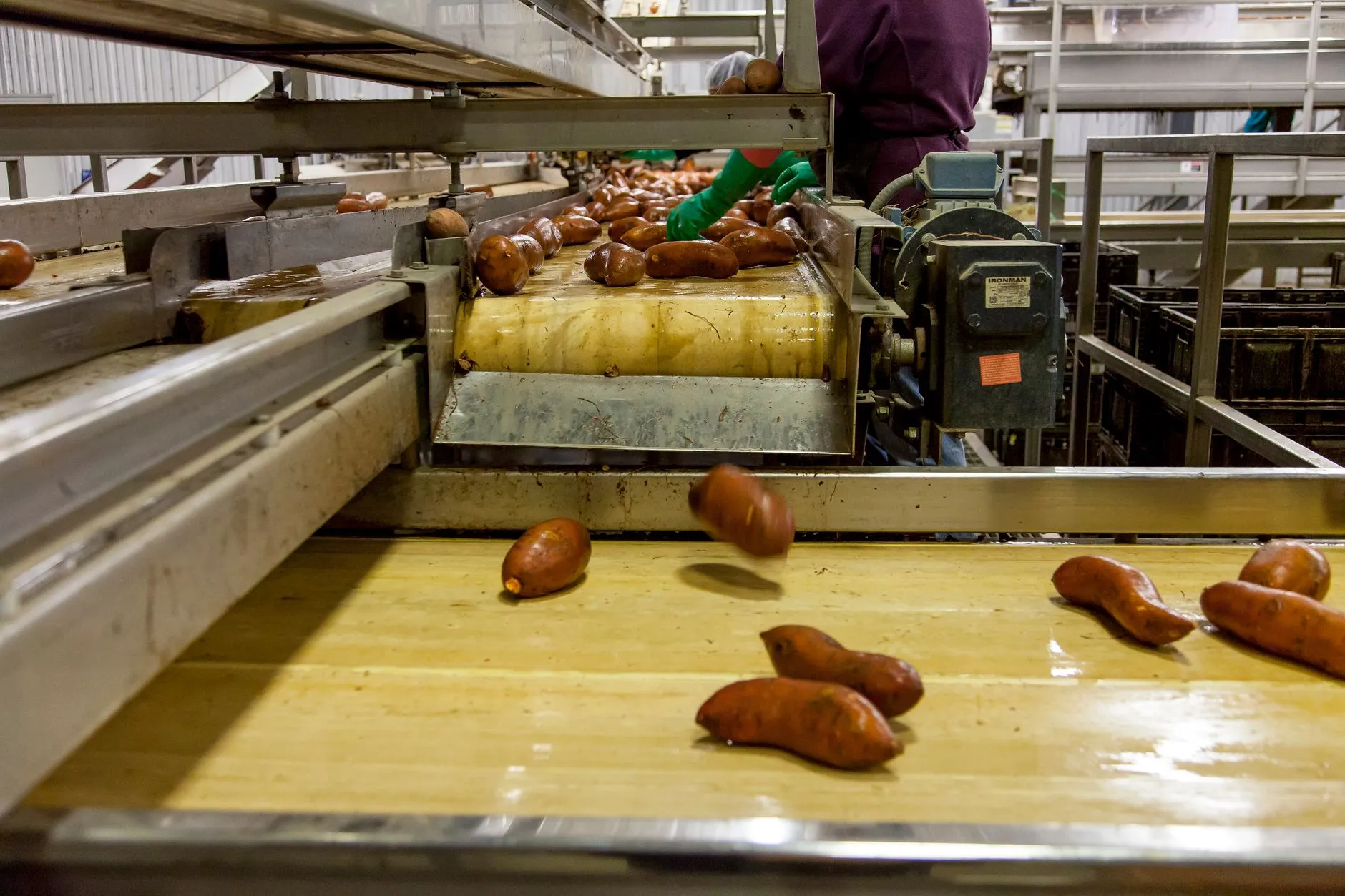
Danone tightens climate targets and adds regenerative farming goals
Major food producers are refining their sustainability strategies. Danone has updated its climate commitments for 2026, adding specific regenerative agriculture targets while maintaining its net zero pledge. The company now aims to source 45% of key ingredients from farms using regenerative practices by 2030, alongside existing carbon reduction goals.
This shift reflects a broader pattern across the food and drink sector. Companies are moving from broad pledges to measurable targets tied to farm practices, methane cuts, and workforce inclusion. For example, Danone reports a 21% reduction in carbon emissions since 2020 and says it has nearly achieved its 2030 methane target three years early.
The change matters because food systems account for significant emissions, particularly from agriculture and livestock. However, the focus is now on operational plans rather than generic statements. Consequently, UK businesses that supply or compete with these producers need to understand how sustainability criteria are evolving in practice.
Food sector reshapes sustainability around farm practices and methane
FoodNavigator recently asked whether food and drink companies are making a U-turn on sustainability. The evidence suggests otherwise. Major players are maintaining climate ambitions while narrowing their focus to areas where they can demonstrate measurable progress.
Danone's 2026 Impact Journey update illustrates this approach. The company has confirmed its commitment to net zero emissions by 2050 and updated its 2030 targets across three areas: climate, regenerative agriculture, and social inclusion. Moreover, its goals align with Science Based Targets for a 1.5°C pathway.
Regenerative agriculture now sits alongside carbon cuts as a core priority. Danone defines this as farming practices that improve soil health, enhance biodiversity, and reduce synthetic inputs. The company says it will work with farmers to implement these methods across 45% of key ingredient sourcing by the end of the decade.
Methane reduction receives particular attention. Dairy farming generates substantial methane emissions, and Danone has set a target to cut methane from fresh milk by 30% by 2030. Furthermore, the company reports it had already achieved a 29.8% reduction by 2025, nearly meeting the goal three years ahead of schedule.
Social sustainability measures now appear in the updated strategy. Danone's published commitments include employee support, inclusion initiatives, and skills development across the workforce. This represents a deliberate expansion beyond environmental metrics.
Specific emissions targets replace broad ESG language
Danone's detailed climate plan shows how major producers are translating net zero ambitions into operational targets. The company commits to cutting Scope 1 and Scope 2 emissions by 46.3% by 2030, using a 2020 baseline. It also targets a 42% reduction in Scope 3 non-FLAG emissions and a 30.3% reduction in Scope 3 FLAG emissions by the same date.
FLAG refers to Forest, Land and Agriculture emissions under the Science Based Targets initiative framework. These categories matter because agriculture represents approximately 60% of Danone's carbon footprint. Therefore, the company's targets recognize that meaningful progress requires action on farming and land use, not just energy and transport.
Recent performance data suggests these goals are achievable. According to Danone's EU code of conduct report, the company achieved a 40.2% reduction in Scope 1 and Scope 2 greenhouse gases versus 2020 by 2025. Additionally, it reports a 21% overall carbon emissions reduction across the same period.
This level of specificity marks a departure from earlier sustainability reporting. Instead of percentage improvements or efficiency gains, companies are now publishing absolute reductions tied to recognized frameworks. Consequently, suppliers and partners face clearer expectations about emissions performance.
The shift affects procurement decisions throughout the supply chain. Large food producers increasingly assess suppliers on carbon intensity, farming practices, and traceability. As a result, UK businesses that want to maintain or win contracts need comparable data and demonstrable progress on their own emissions.
Agriculture and supply chain resilience drive strategic priorities
Food companies are linking sustainability targets to operational resilience. Regenerative agriculture offers multiple benefits beyond carbon reduction: improved soil health, reduced reliance on synthetic inputs, and better water management. These factors help protect supply chains against climate impacts and input cost volatility.
Danone's approach focuses on working directly with farmers to implement regenerative practices. This involves technical support, financial incentives, and long-term sourcing agreements that reward sustainable methods. Similarly, other major producers are developing farmer networks and investing in agricultural training.
The business case for this investment rests on risk management. Climate change threatens agricultural productivity through drought, flooding, and temperature extremes. Meanwhile, regulatory pressure on synthetic fertilizers and pesticides is increasing across Europe. Regenerative practices address both challenges by building more resilient farming systems.
For UK food businesses, this creates both opportunities and requirements. Companies that can demonstrate sustainable sourcing and regenerative practices gain access to major supply contracts. However, those without credible data or improvement plans risk losing market access as buyers tighten supplier criteria.
Methane reduction specifically affects dairy and livestock supply chains. Danone's progress on methane suggests that practical solutions exist and deliver results. Interventions include feed additives, manure management, and breeding programs. Nevertheless, implementing these measures requires investment and technical knowledge.
UK producers should note that carbon reporting and supplier sustainability standards continue to expand. What begins as voluntary disclosure often becomes mandatory reporting or a precondition for contracts. Therefore, early action on measurement and reduction builds competitive advantage.
Essential facts about Danone's updated sustainability targets
- Danone reports a 21% reduction in carbon emissions between 2020 and 2025, with Scope 1 and 2 emissions down 40.2% in the same period.
- The company targets 45% of key ingredients from farms using regenerative practices by 2030, focusing on soil health and biodiversity.
- Danone aims to cut Scope 1 and 2 emissions by 46.3% by 2030 versus 2020, alongside a 42% reduction in Scope 3 non-FLAG emissions and 30.3% reduction in Scope 3 FLAG emissions.
- Methane from fresh milk had already fallen 29.8% by 2025, nearly achieving the 30% target set for 2030.
- Agriculture accounts for approximately 60% of Danone's total carbon footprint, making farm-level interventions central to its climate strategy.
- The updated 2026 Impact Journey includes social sustainability goals covering employee inclusion, skills development, and discrimination prevention.
- All climate targets align with Science Based Targets initiative requirements for a 1.5°C warming pathway, with net zero targeted for 2050.
What UK businesses should consider about evolving food sector standards
The food sector's approach signals where sustainability requirements are heading. Companies are moving from aspirational statements to specific, measurable targets that link directly to operations. This trend affects suppliers at every level, not just large producers.
UK businesses in food supply chains should assess their own emissions and farming practices now. Major buyers increasingly require carbon data as part of supplier onboarding and contract renewals. Furthermore, those who can demonstrate progress on regenerative practices or methane reduction gain preferential access to contracts.
Measurement comes first. Many SMEs lack basic emissions data for Scope 1 and Scope 2, let alone Scope 3 supply chain emissions. However, this information becomes essential when customers ask for it. ESG compliance and carbon reporting support can help businesses establish baseline data and identify reduction opportunities.
Regenerative agriculture creates opportunities for UK farms and food producers. Those who adopt these practices early can position themselves as preferred suppliers. Additionally, regenerative methods often reduce input costs over time, improving margins alongside sustainability credentials.
The social sustainability dimension should not be ignored. Danone's inclusion of workforce goals reflects growing investor and customer interest in social factors. UK businesses should consider how they address employment practices, skills development, and inclusion alongside environmental targets.
Procurement teams at larger firms now routinely screen suppliers for sustainability performance. This means competitive advantage increasingly depends on credible data and demonstrable progress. Consequently, businesses that treat sustainability as a compliance exercise rather than a strategic priority risk losing contracts to better-prepared competitors.
For manufacturers and distributors, supply chain transparency becomes critical. Customers want to know where ingredients come from, how they were produced, and what the associated emissions are. Building this traceability takes time, so early investment pays dividends when requirements tighten.
Where to find detailed guidance and regulatory information
Businesses looking for authoritative information on emissions reporting and sustainable agriculture can consult several official sources. The UK government's net zero strategy sets out the national framework and policy direction. Additionally, the Science Based Targets initiative provides detailed technical guidance for companies setting climate goals.
For sector-specific information, UK Food Security research covers sustainable agriculture and supply chain resilience. The Department for Environment, Food and Rural Affairs publishes regulatory updates and best practice guidance relevant to UK producers.
Organizations needing support with carbon measurement and reduction planning can access structured training on emissions reporting and net zero planning designed specifically for SMEs. This helps businesses build internal capability rather than relying entirely on external consultants.