
Worrying Climate Impact of Global Construction Boom
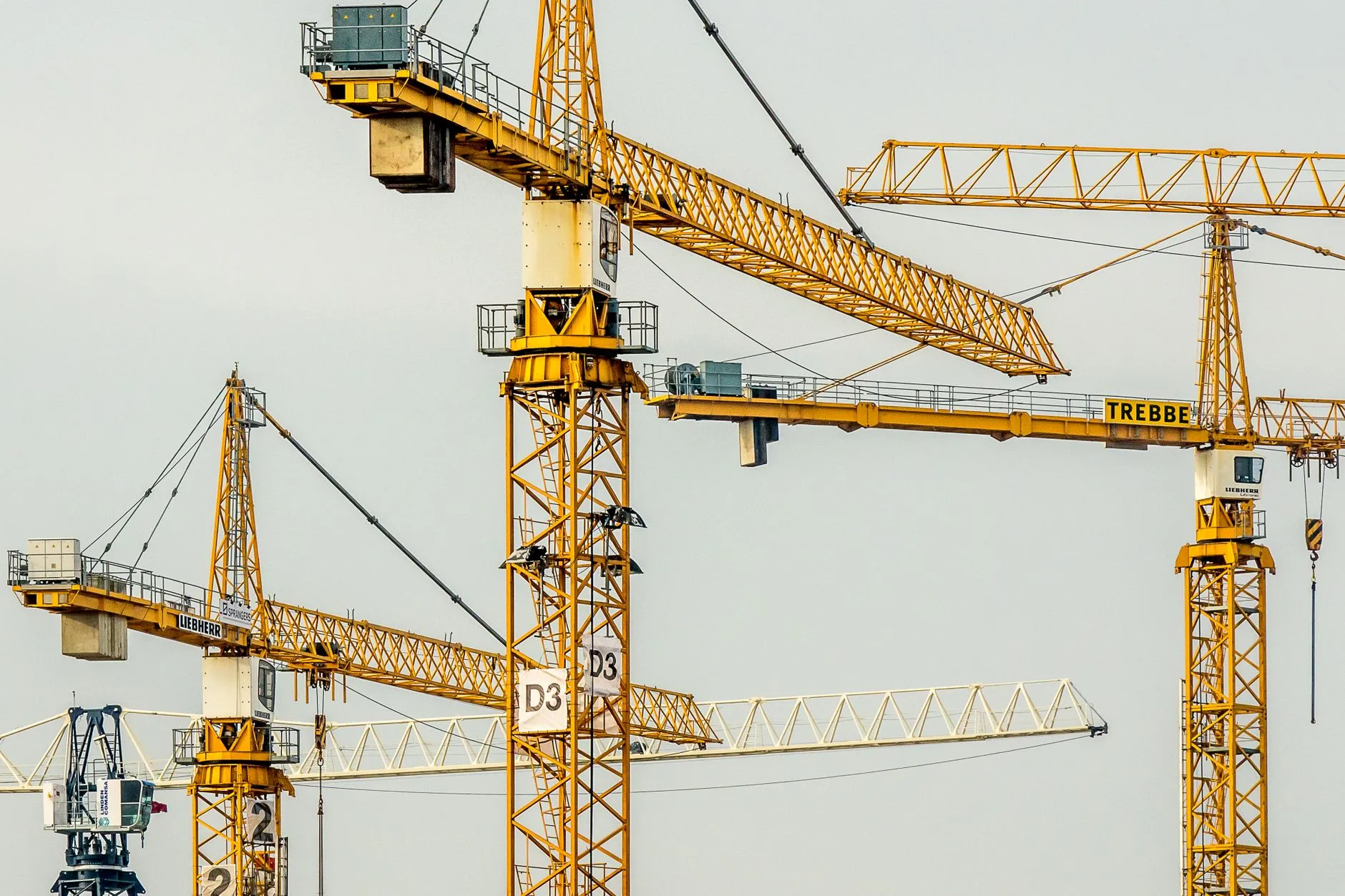
Construction emissions equivalent to building New York every month
The world is adding floor space equivalent to New York City every month. That construction boom carries a substantial climate cost, according to a new report published by Phys.org. The emissions come from manufacturing, transporting, and installing building materials before anyone moves in.
These upfront emissions are known as embodied carbon. They are distinct from the energy used to heat, cool, and light buildings once they are occupied. Consequently, embodied carbon represents a climate impact that many policies still overlook.
A study published in Building and Environment examined Australia's office sector to quantify this problem. It projected 100 million square metres of additional office space by 2049. Under current construction practices, that expansion would release 138 million metric tonnes of greenhouse gas emissions between 2024 and 2049.
The research illustrates a broader challenge. Global construction activity is accelerating, yet most building regulations focus primarily on operational efficiency. As a result, the emissions locked into new buildings at the design and construction stage often escape meaningful scrutiny.
Half a tonne of emissions per square metre
Phys.org notes that one square metre of new floor space can release about half a metric tonne of greenhouse gases. That figure accounts for cement, steel, glass, aluminium, transport, and construction processes. Therefore, emissions scale rapidly when construction expands across entire cities.
Australia currently has approximately 170 million square metres of office space. The study forecasts another 100 million square metres by 2049. Over that 25-year period, the projected 138 million metric tonnes of emissions would roughly equal the annual output of 36 coal-fired power stations.
However, the research also identifies mitigation opportunities. A combination of lower-carbon materials, improved structural design, and material efficiency measures could cut more than 47 million metric tonnes from that total. These reductions would bring the office sector closer to alignment with a 2.0°C climate pathway.
The study was authored by William Craft and colleagues. It appears in Building and Environment with the DOI 10.1016/j.buildenv.2026.115089. Notably, the findings demonstrate that technical solutions already exist to reduce embodied carbon substantially.
Operational emissions versus embodied carbon
Embodied carbon differs fundamentally from operational emissions. Operational emissions come from heating, cooling, lighting, and appliances once a building is occupied. Meanwhile, embodied carbon is released during manufacturing and construction, often years before tenants arrive.
For UK businesses, this distinction matters for several reasons. First, carbon reporting requirements increasingly include Scope 3 emissions, which cover supply chains and purchased goods. Building construction falls squarely within Scope 3 for property owners and developers.
Second, public sector procurement rules now demand evidence of carbon reduction plans. Our net zero program for carbon reporting compliance helps suppliers demonstrate how they are addressing embodied carbon in construction projects. Without that evidence, businesses risk exclusion from tenders worth millions of pounds.
Third, whole-life carbon assessments are becoming standard practice in several countries. These assessments combine embodied and operational emissions to calculate total climate impact. The Australian study reflects this shift, measuring emissions from construction through to 2049.
Material choices drive the majority of embodied emissions
Cement and steel account for the largest share of embodied carbon in most buildings. Cement production alone contributes roughly 8% of global carbon dioxide emissions. Similarly, steel manufacturing is energy-intensive and relies heavily on fossil fuels.
Glass, aluminium, and other materials also contribute, though to a lesser extent. Transport adds further emissions, particularly when materials are shipped internationally. Construction processes themselves release carbon through machinery, site energy use, and waste.
Reducing embodied carbon therefore requires changes across the supply chain. Developers can specify lower-carbon concrete mixes, which replace some cement with alternative binders. They can choose timber or engineered wood products instead of steel in certain applications. Furthermore, they can design structures that use less material overall while maintaining safety and performance standards.
Material efficiency offers significant savings. A building designed to minimize structural weight can cut both material costs and emissions. For example, optimizing floor slab thickness or column spacing reduces concrete and steel use without compromising strength.
Reusing existing buildings also avoids embodied carbon entirely. Refurbishment typically generates far fewer emissions than demolition and new construction. In many cases, upgrading an older building to modern energy standards proves more climate-friendly than starting from scratch.
Policy momentum behind whole-life carbon regulation
Several countries are introducing whole-life carbon requirements for buildings. These regulations compel developers to measure and report embodied emissions alongside operational energy use. Consequently, the policy landscape is shifting from a narrow focus on energy efficiency to a broader life-cycle perspective.
The UK government has consulted on whole-life carbon assessments for new buildings. Although mandatory requirements are not yet in force, the direction of travel is clear. Industry bodies including the Royal Institute of British Architects and the UK Green Building Council have published guidance on measuring embodied carbon.
France has implemented mandatory life-cycle assessments for new buildings above certain size thresholds. The Netherlands requires Environmental Product Declarations for construction materials used in publicly funded projects. Denmark has introduced limits on embodied carbon for new buildings, with targets that tighten over time.
These policy developments reflect growing recognition that operational efficiency alone cannot deliver the emissions reductions needed to meet climate targets. Buildings last for decades, so the emissions released during construction remain in the atmosphere long after completion. Therefore, addressing embodied carbon is essential for climate alignment.
For UK SMEs in construction, property development, and supply chains, these trends signal coming compliance obligations. Businesses that begin measuring and reducing embodied carbon now will be better prepared when regulations tighten. Those that delay may face higher costs and competitive disadvantage.
Emissions projections and climate alignment
The Australian study compared projected emissions against science-based climate pathways. It found that current construction trends would overshoot the carbon budget consistent with limiting global warming to 2.0°C. However, the mitigation measures identified could bring emissions into alignment.
This finding has broad relevance. It suggests that construction-sector emissions are not an inevitable consequence of building growth. Instead, they result from specific material choices, design practices, and policy settings that can be changed.
The study projects emissions through to 2049, a timeframe that aligns with many national net-zero targets. For context, the UK has committed to reaching net zero by 2050. Australia has set a 2050 target as well. Consequently, the 2024 to 2049 period represents the crucial window for reducing cumulative emissions.
The research also highlights the importance of near-term action. Emissions released in 2024 have a greater climate impact than emissions in 2049 because they remain in the atmosphere longer. Therefore, early adoption of lower-carbon materials and construction methods delivers greater climate benefit than delayed action.
- Australia currently has approximately 170 million square metres of office space, with projections to add another 100 million square metres by 2049.
- Under current construction practices, this expansion would release 138 million metric tonnes of greenhouse gas emissions between 2024 and 2049, roughly equivalent to the annual output of 36 coal-fired power stations.
- One square metre of new floor space typically releases about half a metric tonne of greenhouse gases through materials and construction processes.
- A combination of lower-carbon materials, improved structural design, and material efficiency measures could reduce projected emissions by more than 47 million metric tonnes, bringing the office sector closer to a 2.0°C climate pathway.
- Embodied carbon is released during manufacturing and construction, before buildings are occupied, and is distinct from operational emissions such as heating, cooling, and lighting.
- Several countries including France, the Netherlands, and Denmark have introduced whole-life carbon assessments or limits for new buildings, reflecting a policy shift toward regulating upfront emissions.
Practical steps for reducing embodied carbon
Developers and construction firms can take several concrete actions to reduce embodied carbon. First, they can request Environmental Product Declarations from material suppliers. These declarations provide standardized data on the carbon footprint of specific products, enabling informed comparisons.
Second, they can prioritize suppliers who manufacture materials using renewable energy. Cement and steel produced with low-carbon electricity have significantly lower embodied emissions than conventionally produced alternatives. Consequently, supply chain choices directly affect total project emissions.
Third, they can work with architects and engineers to design for material efficiency. This includes optimizing structural layouts, reducing over-specification, and selecting appropriate materials for each application. For instance, mass timber can replace steel and concrete in certain building types, cutting embodied carbon substantially.
Fourth, they can plan for deconstruction and material reuse at the end of a building's life. Designing buildings so that components can be disassembled and reused elsewhere reduces future embodied carbon. This circular approach is gaining traction in European construction markets.
For UK SMEs, our ESG compliance and carbon reporting services provide support for measuring and managing embodied carbon in construction projects. Many businesses find that systematic measurement reveals opportunities for cost savings alongside emissions reductions.
Material substitution offers immediate benefits in many cases. Replacing standard concrete with lower-carbon mixes typically adds little or no cost. Specifying reclaimed materials where suitable can reduce both cost and emissions. Similarly, choosing local suppliers over distant ones cuts transport emissions and often shortens delivery times.
The Australian study in broader context
The Australian research provides a detailed case study of one building type in one country. Nevertheless, the underlying dynamics apply globally. Office construction is expanding rapidly in many regions, driven by urbanization and economic growth. Each square metre built under current practices adds to cumulative emissions.
The study's projections are specific to Australia, but the mitigation strategies it identifies are transferable. Lower-carbon materials, improved design, and material efficiency are relevant wherever buildings are constructed. Therefore, the research offers lessons for policymakers, developers, and businesses worldwide.
According to the International Energy Agency, the buildings sector accounts for approximately 30% of global final energy consumption and 26% of global energy-related emissions. When embodied carbon is included, the sector's total climate impact is even larger.
The Department for Energy Security and Net Zero has acknowledged the importance of whole-life carbon in achieving the UK's climate targets. Guidance published by the department emphasizes that both operational and embodied emissions must be addressed to reach net zero by 2050.
For UK businesses involved in construction, property development, or related supply chains, these policy signals indicate increasing scrutiny of embodied carbon. Companies that act now to measure and reduce their construction-related emissions will find themselves ahead of regulatory requirements and better positioned to win contracts.
Where to find further guidance
The UK Green Building Council has published detailed guidance on measuring and reducing embodied carbon in construction. This guidance is available on the UK Green Building Council website and provides technical frameworks for whole-life carbon assessments.
The Royal Institute of British Architects offers resources on embodied carbon for architects and designers. These resources include case studies, measurement tools, and design strategies that reduce material use while maintaining building performance. They are accessible through the RIBA website.
The Building Research Establishment publishes Environmental Product Declarations and environmental assessment methods that help quantify embodied carbon. Their resources support both voluntary reporting and compliance with emerging regulations. Information is available at the BRE Group website.
Additionally, SBS Academy training on carbon measurement and reporting covers embodied carbon in construction projects. This training helps businesses understand how to integrate embodied carbon considerations into procurement, project management, and carbon reporting processes.