
Global warming forecast to reach 2.3C as net-zero slips to 2090s
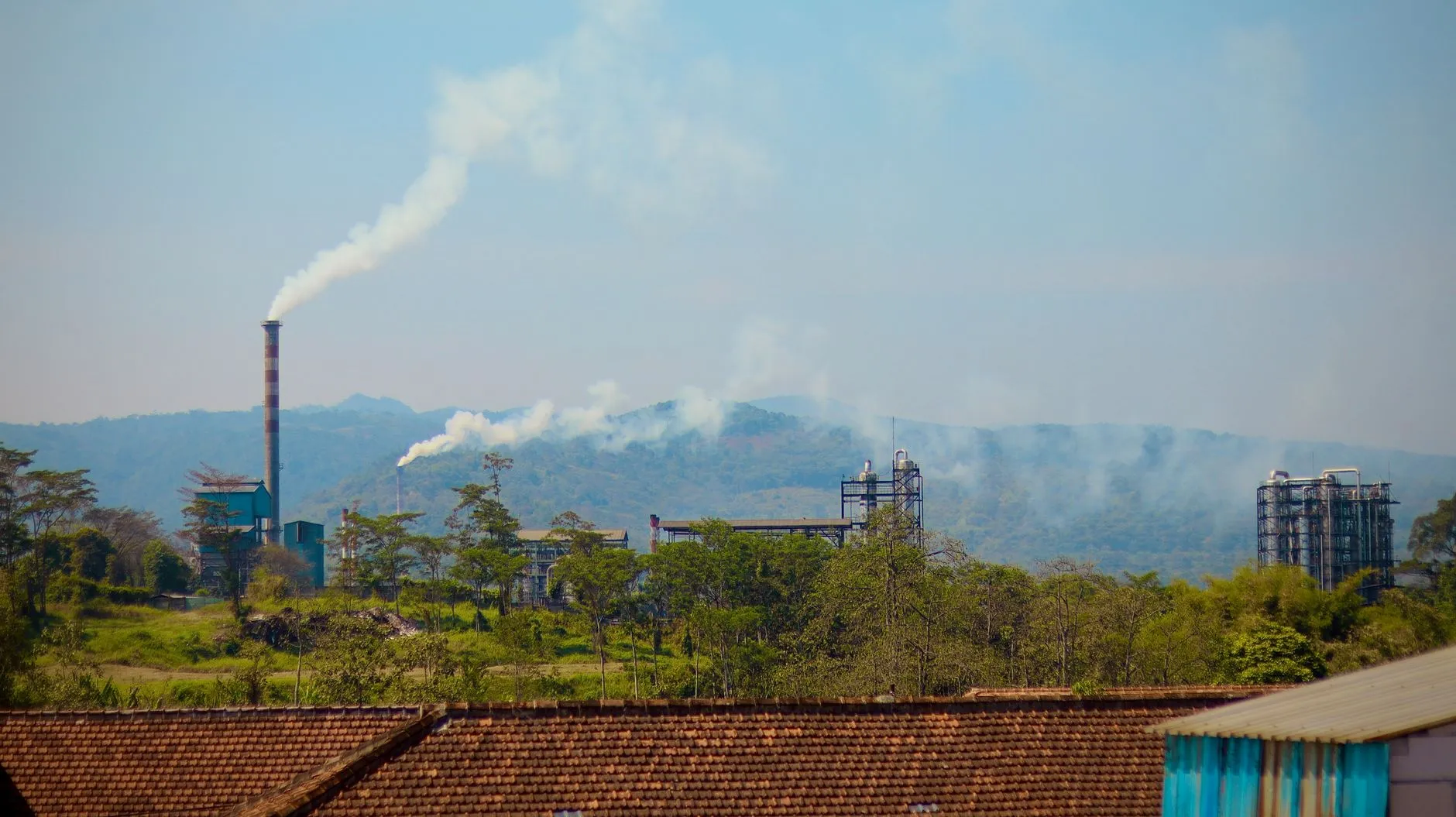
The world remains on course for net-zero emissions by the end of the century, but not soon enough to meet the temperature goals set out in the Paris Agreement. A major new forecast puts that milestone at 2098, with global warming reaching 2.3°C by 2100. For businesses working to climate targets or facing growing scrutiny on carbon performance, this projection matters because it sets the background against which your own plans will be judged.
The gap between current progress and what's required affects commercial reality. Customers, investors, and procurement teams increasingly expect suppliers to align with science-based pathways. Meanwhile, regulatory frameworks in the UK and Europe continue to tighten, creating compliance obligations that assume faster decarbonisation than the global average. Understanding where the world is heading helps clarify what you need to do differently.
This article examines the latest forecast, explains why the transition is moving too slowly, and sets out what the timeline means for UK businesses managing carbon reporting, tender requirements, and long-term resilience.
Energy transition progress remains decades behind schedule
DNV's Energy Transition Outlook 2026 provides the central forecast. The report concludes that net-zero emissions will arrive in 2098, roughly seven decades after the point needed to limit warming to 1.5°C. Consequently, the assessment projects warming of 2.3°C by century's end. That outcome represents progress compared with pathways based on no climate action at all, but falls well short of the Paris Agreement benchmark to keep warming "well below 2°C".
The forecast reflects underlying trends in energy use and emissions. Power sector emissions are expected to decline fastest as renewable capacity expands and coal generation falls. However, industrial process emissions show far slower improvement. DNV's analysis suggests these emissions will drop by only 14% by mid-century, compared with a 44% reduction in overall energy and process-related CO2.
This disparity reflects the physical difficulty of decarbonising heavy industry, shipping, and aviation. Electrification works well for heating, road transport, and light manufacturing. It becomes far harder in steelmaking, cement production, and long-haul freight, where high-temperature heat and energy density remain barriers. As a result, even as the electricity grid cleans up, emissions from harder-to-abate sectors persist.
The timeline for carbon budgets underscores the challenge. The 1.5°C budget is projected to be exhausted in 2029, just four years away. The 2°C budget runs out in 2052. By 2100, cumulative emissions are expected to overshoot the 2°C threshold by around 420 gigatonnes of CO2. That overshoot locks in higher warming even if net-zero eventually arrives.
Current policies still point to warming above Paris targets
The DNV forecast aligns with other independent assessments. Climate Action Tracker, which aggregates national climate policies and pledges, shows that current policies globally lead to approximately 2.6°C of warming by 2100. Stronger national pledges, if fully delivered, could lower that figure. Nevertheless, the gap between stated commitments and implemented policy remains wide.
The Intergovernmental Panel on Climate Change has been clear on the science. Reaching and sustaining global net-zero CO2 emissions is necessary to stabilise warming at any level. Delay increases both the peak temperature and the total climate impact. Scenarios modelled under current policy trajectories consistently point to warming well above the 1.5°C goal, and in many cases above 2°C.
For the UK, this global context shapes domestic policy. The government's legally binding net-zero target for 2050 assumes the rest of the world moves on a similar timeline. If global action lags, UK businesses face asymmetric pressure. Domestic regulation tightens to meet national commitments, while international competitors may operate under looser standards. This dynamic affects competitiveness, particularly in trade-exposed sectors like manufacturing and logistics.
It also affects carbon accounting. Scope 3 emissions, which cover the value chain beyond your direct operations, depend heavily on global supply chains. If your suppliers operate in regions with slower decarbonisation, your reported footprint reflects that. Procurement teams already see this in tender evaluations, where Scope 3 performance influences contract awards.
Physical and financial risks grow as warming exceeds targets
A 2.3°C pathway brings measurable consequences. Heatwaves become more frequent and severe, affecting workforce productivity and cooling costs. Water stress intensifies in many regions, disrupting agriculture and industrial processes that depend on reliable water supply. Coastal flooding accelerates, threatening infrastructure, logistics hubs, and real estate assets.
These impacts translate into financial risk. Insurance premiums rise in high-risk areas. Supply chains face more frequent disruption from extreme weather. Asset valuations adjust as physical climate risk becomes a standard part of due diligence. For businesses with long-lived infrastructure or multi-decade investment horizons, warming beyond 2°C changes the risk profile materially.
Regulatory risk also increases. Governments facing higher climate impacts typically respond with tighter emissions rules, carbon pricing, and mandatory disclosure. The UK's climate-related financial disclosure requirements already apply to large companies and will extend further. As warming projections worsen, expect policy to accelerate rather than relax.
Reputational risk follows a similar pattern. Stakeholders increasingly understand climate science and can distinguish between genuine progress and incremental change. A business claiming leadership on sustainability while operating on a 2°C-plus trajectory faces scrutiny. Conversely, companies that align with science-based targets and demonstrate credible progress build trust with customers, investors, and employees.
The commercial implications extend to access to capital. Banks and investors now routinely assess climate risk as part of lending and investment decisions. A clear decarbonisation pathway reduces perceived risk and can improve terms. A vague or delayed plan does the opposite. Similarly, public sector procurement in the UK explicitly favours suppliers with strong carbon credentials, particularly under frameworks like Procurement Policy Note 06/21.
Why the transition is moving too slowly for harder-to-abate sectors
The DNV forecast highlights a structural problem. Electricity decarbonises faster than industry because renewable generation has become cheaper and more scalable. Wind and solar now compete with fossil fuels on cost in most markets. Battery storage is improving. Grid infrastructure is expanding. These trends drive rapid emissions reductions in power generation.
Industrial emissions follow a different path. Cement, steel, chemicals, and glass all require high temperatures or specific chemical reactions that electricity alone cannot easily replace. Hydrogen offers a potential solution, but large-scale green hydrogen production remains expensive and infrastructure-limited. Carbon capture and storage is another option, yet deployment lags due to cost and project complexity.
Transport faces similar challenges. Electric vehicles work well for cars and light vans. Heavy goods vehicles, shipping, and aviation need energy-dense fuels that current battery technology cannot match at scale. Sustainable aviation fuel and ammonia-based shipping fuels are emerging, but production volumes remain small and costs high.
These barriers explain why industrial process emissions are expected to fall by only 14% by 2050. Without breakthrough technologies or substantial policy intervention, heavy industry will continue emitting long after the power sector has cleaned up. That lag drags down the global net-zero timeline and keeps warming on track for overshoot.
What UK businesses should focus on now
- Net-zero emissions are forecast to arrive in 2098, far too late to meet the 1.5°C target and likely resulting in 2.3°C of warming by 2100.
- The 1.5°C carbon budget is expected to be exhausted in 2029, with the 2°C budget running out in 2052.
- Current global policies point to approximately 2.6°C of warming, meaning stronger commitments and delivery are essential to reduce that trajectory.
- Power sector emissions are falling faster than industrial and process emissions, creating uneven progress across the economy.
- Cumulative emissions are projected to overshoot the 2°C budget by around 420 gigatonnes of CO2 by century's end.
- UK businesses face tightening domestic regulation even as global action lags, creating competitive and compliance pressure.
- Scope 3 emissions in supply chains remain a significant challenge, particularly for businesses relying on international suppliers in slower-decarbonising regions.
Aligning your business with a faster timeline
The gap between the forecast timeline and what's required creates both risk and opportunity. Businesses that move ahead of the curve position themselves for stricter future regulation, changing customer expectations, and evolving procurement standards. Those that wait face higher transition costs and greater disruption.
Start with a clear baseline. Robust carbon measurement across Scopes 1, 2, and 3 tells you where emissions sit today and where the largest reductions are possible. Many businesses underestimate Scope 3, which often accounts for the majority of total footprint. Accurate data allows prioritisation and makes reduction targets credible.
Set science-based targets that align with a 1.5°C pathway, not the slower global average. The Science Based Targets initiative provides a recognised framework that links company-level goals to climate science. Targets aligned with this standard carry weight with investors, procurement teams, and certification bodies. Moreover, they provide a structured pathway rather than arbitrary percentage reductions.
Focus reduction efforts where impact is greatest. For many SMEs, this means energy efficiency first. Upgrading lighting, heating, and insulation delivers cost savings alongside emissions cuts. Switching to renewable electricity is often straightforward and increasingly cost-competitive. Transport fleets offer another high-impact area, with electric vehicle adoption accelerating and total cost of ownership often favourable.
Supply chain engagement becomes essential as Scope 3 scrutiny increases. However, mapping your value chain, identifying high-emission suppliers, and working with them on reduction plans takes time. Procurement decisions increasingly factor in supplier carbon performance, so businesses that engage early gain advantage. Our sustainable procurement support helps SMEs assess and improve supply chain emissions without disrupting operations.
For harder-to-abate emissions, consider interim measures while technology matures. Energy efficiency improvements, process optimisation, and fuel switching can deliver meaningful reductions even in high-temperature industrial applications. Where residual emissions remain, credible carbon removal or offsetting may play a transitional role, though it cannot substitute for direct reduction.
Reporting and disclosure will only intensify. The UK's climate-related disclosure regime already applies to many medium and large businesses, with scope likely to expand. Even where not legally required, customers and tender processes increasingly request carbon data. Establishing robust reporting now avoids scrambling later. Our compliance support helps businesses meet reporting requirements efficiently and accurately.
Training your team ensures understanding spreads beyond a single sustainability lead. Carbon literacy across operations, procurement, and finance embeds decarbonisation into everyday decisions rather than treating it as a separate project. The SBS Academy offers practical training designed for UK SMEs, covering measurement, reduction strategies, and compliance.
Where to find authoritative guidance and data
The UK government's Department for Energy Security and Net Zero publishes policy updates, guidance on net-zero strategy, and resources for businesses navigating the transition. It provides the official UK perspective on climate targets and regulatory developments.
For international emissions pathways and policy analysis, Climate Action Tracker aggregates national commitments and assesses progress against Paris Agreement goals. It offers transparent methodology and regular updates on global warming projections under different scenarios.
The Intergovernmental Panel on Climate Change remains the authoritative source on climate science, including emissions pathways, carbon budgets, and the physical impacts of different warming levels. Its assessment reports provide the evidence base underpinning international climate policy.
For businesses seeking to align targets with climate science, the Science Based Targets initiative offers frameworks, guidance, and validation for company-level emissions reduction goals. It links corporate strategy directly to the temperature outcomes of the Paris Agreement.
Finally, the Procurement Policy Note 06/21 sets out the UK government's requirements for carbon reduction plans in major public contracts. Understanding these expectations is essential for businesses tendering for public sector work.