
Good Energy launches solar panel finance with Zopa Bank
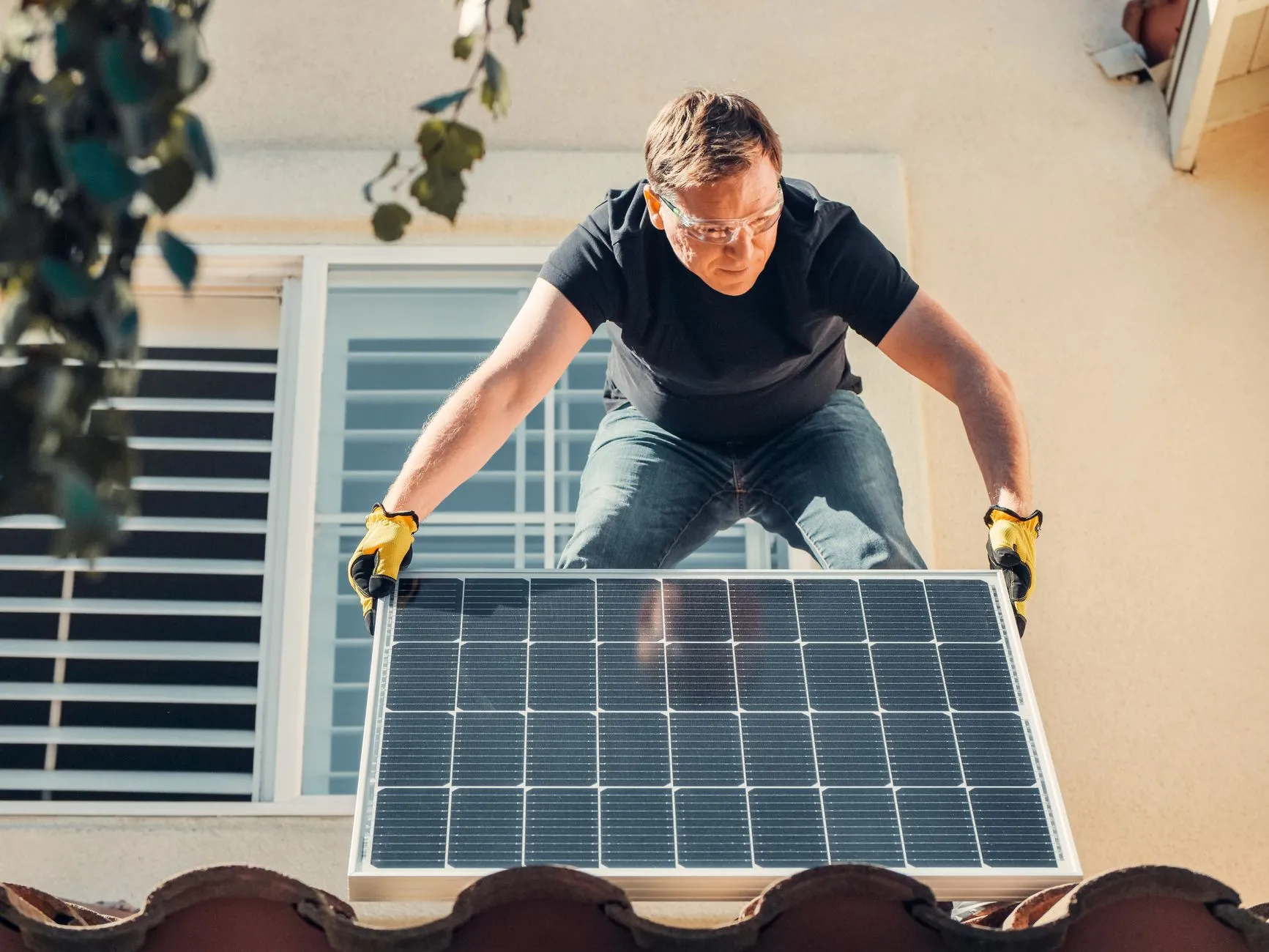
Good Energy and Zopa Bank launch 10-year solar finance option
Good Energy has introduced a new consumer finance partnership with Zopa Bank, offering UK households the option to install solar panels with a 25% deposit and spread the remaining cost over up to 10 years. The scheme carries a representative APR of 9.9% and aims to lower the upfront barrier that often prevents homeowners from adopting rooftop solar. Customers can choose repayment terms of five, seven, eight, or 10 years, depending on their budget and cash flow preferences.
The arrangement is delivered through Shermin Finance, Good Energy's FCA-authorised principal, with Zopa providing the lending infrastructure. A typical 10-panel system costing £6,380 would require a deposit of £1,595, with the balance financed at approximately £62 per month over a decade. Householders who complete an installation can generate their own electricity and may also sell surplus power back to the grid, creating a potential income stream alongside lower energy bills.
This launch follows a similar move by Octopus Energy, which partnered with Zopa in May 2024 to offer regulated finance for solar panels and related equipment. Consequently, the new Good Energy product reflects a broader industry shift toward embedding consumer credit directly into the home-energy upgrade process. For many households, the ability to spread costs over time can be the difference between proceeding with an installation and postponing it indefinitely.
Why upfront costs remain the primary solar barrier
Solar panel systems still represent a significant capital expense for most UK homeowners. Even as hardware prices have fallen over the past decade, a typical residential installation ranges from £5,000 to £10,000 depending on panel capacity, roof complexity, and inverter specifications. Without access to finance, many households simply cannot justify the upfront outlay, despite the long-term savings on electricity bills.
Government grants for solar installations have been limited in recent years. The Feed-in Tariff scheme closed to new applicants in 2019, and current support is largely confined to low-income households through programmes such as the ECO4 scheme. As a result, most homeowners rely on private lending, savings, or installer-linked finance to fund a solar project. This gap in accessible public funding has created space for energy suppliers and consumer lenders to step in with structured payment plans.
Finance offers like the Good Energy and Zopa partnership address this barrier by converting a lump-sum purchase into manageable monthly payments. However, the commercial terms matter considerably. A 9.9% APR is higher than many secured loans or remortgage products, though it remains comparable to unsecured personal loans for home improvements. Households need to weigh the interest cost against projected electricity savings and any income from exporting surplus generation to the grid.
Energy independence is another motivating factor. Generating electricity on-site reduces reliance on grid supply and provides a degree of insulation against future price volatility. For some households, this resilience is worth the financing cost, particularly if they expect to remain in the property long enough to realise the full benefit of the installation. Nevertheless, the payback period will vary depending on household energy consumption, roof orientation, and local weather conditions.
Zopa's expanding role in green home finance
Zopa Bank has been active in the home-energy lending market for several years. The partnership with Octopus Energy, announced in May 2024, demonstrated the bank's willingness to provide regulated finance for solar panels and associated equipment. That earlier collaboration used Zopa's existing consumer credit infrastructure to offer fixed monthly repayments, making it straightforward for energy suppliers to integrate finance into their sales processes.
The new Good Energy arrangement builds on that model. By partnering with multiple energy suppliers, Zopa is positioning itself as a specialist lender in the green-home upgrade sector. This approach allows the bank to diversify its loan book while supporting the UK's transition to low-carbon housing. For energy suppliers, access to a trusted finance partner removes the complexity of building in-house lending operations and accelerates the sales cycle.
Consumer finance for home improvements is not new, but its application to decarbonisation measures is growing rapidly. Double glazing and conservatory finance have been commonplace for decades. Solar panels, heat pumps, and battery storage are now following the same trajectory. Lenders recognise that these products appeal to credit-worthy homeowners who value sustainability and long-term savings but lack immediate liquidity.
Regulation is also tightening. The Financial Conduct Authority requires that any credit arrangement tied to home improvements must be transparent, affordable, and sold responsibly. Zopa's involvement as a regulated bank provides reassurance that the lending process meets these standards. Shermin Finance, as Good Energy's FCA-authorised principal, ensures that the customer journey complies with consumer credit rules.
How the Good Energy finance offer works in practice
Customers interested in the scheme begin by requesting a solar assessment from Good Energy. This typically involves a survey of the property, including roof size, orientation, shading, and structural suitability. Good Energy then provides a quote for the installation, including equipment costs, labour, and any ancillary work such as scaffolding or electrical upgrades.
Once the customer accepts the quote, they can apply for finance through the Zopa partnership. The application process is handled online and requires standard credit checks. If approved, the customer pays a 25% deposit and selects a repayment term from the available options: five, seven, eight, or 10 years. Monthly repayments are fixed for the duration of the loan, providing certainty over future outgoings.
After installation, the system is connected to the household's electricity supply and, in most cases, to the grid via an export meter. Householders can use the electricity they generate during daylight hours, reducing their reliance on grid power. Any surplus electricity can be exported under the Smart Export Guarantee, a government-backed scheme that requires energy suppliers to pay households for excess renewable generation. The rate per kilowatt-hour varies by supplier and tariff.
The financial case for solar depends on several variables. Electricity prices, household consumption patterns, and the amount of generation that can be used on-site all influence the payback period. For a typical system, payback might range from eight to 15 years, depending on these factors. Financing costs extend this period, so households need to calculate whether the combined benefit of lower bills and export income exceeds the total interest paid over the loan term.
What UK businesses should consider about solar finance trends
- Consumer finance for solar installations is becoming more widely available, with partnerships between energy suppliers and regulated lenders reducing upfront cost barriers for homeowners.
- The Good Energy and Zopa scheme offers repayment terms of up to 10 years at a representative APR of 9.9%, making it comparable to unsecured personal loans for home improvements.
- Households can generate their own electricity and may earn income by exporting surplus power to the grid under the Smart Export Guarantee.
- Government grants for solar panels remain limited, leaving private finance as the primary route for most homeowners to fund installations.
- Zopa Bank has now partnered with multiple energy suppliers, signalling its commitment to the green-home lending sector and providing a model for other lenders.
- The financial viability of financed solar depends on electricity prices, household consumption, and the proportion of generation used on-site rather than exported.
Commercial implications for SMEs and supply chains
Small and medium-sized enterprises in the construction, electrical, and renewable energy sectors should monitor the growth of consumer finance for solar installations. As finance becomes more accessible, demand for rooftop solar is likely to increase, creating opportunities for installers, equipment suppliers, and related trades. However, businesses need to ensure they can meet the quality and compliance standards expected by energy suppliers and their finance partners.
Installers working with Good Energy or similar schemes must be MCS-certified, a requirement that ensures installations meet technical and safety standards. MCS certification also makes households eligible for the Smart Export Guarantee, which can be a key selling point. Consequently, businesses without accreditation may find themselves excluded from this growing market. Investing in certification and training is therefore a sensible step for firms looking to capitalise on increased solar adoption.
Supply chain finance is another consideration. Solar panel manufacturers, inverter suppliers, and battery storage providers may experience higher demand as consumer finance drives installation volumes. Businesses in these supply chains should review their working capital arrangements to ensure they can meet increased order volumes without cash flow strain. Trade credit insurance and supplier finance facilities can help manage this risk.
For property developers and landlords, the availability of consumer solar finance may influence build specifications and refurbishment strategies. New homes with solar panels pre-installed can be marketed as lower-cost to run, appealing to buyers concerned about energy bills. Landlords considering solar for rental properties should note that the finance terms apply to owner-occupiers, so different arrangements would be needed for buy-to-let installations.
Businesses tendering for public sector contracts should also be aware that sustainability criteria are increasingly common in procurement frameworks. Demonstrating credible environmental practices, including renewable energy use, can improve competitiveness. Our sustainable procurement support helps suppliers understand and meet these requirements.
Regulatory and policy context for solar finance
The regulatory environment for consumer credit tied to home improvements has tightened considerably since the 2008 financial crisis. The Financial Conduct Authority oversees all credit agreements, requiring lenders to assess affordability, provide clear terms, and ensure customers are not mis-sold unsuitable products. Energy suppliers offering finance must either hold their own FCA authorisation or work through an authorised principal, as Good Energy does with Shermin Finance.
The Smart Export Guarantee, introduced in January 2020, replaced the earlier Feed-in Tariff scheme. While less generous, it ensures that households can still earn income from surplus solar generation. Export rates vary by supplier, with some offering fixed tariffs and others linking payments to wholesale electricity prices. Householders should compare rates before choosing an export tariff, as this income can significantly affect the overall payback period.
Building regulations in England and Wales have also evolved. Since June 2022, new homes must meet higher energy efficiency standards, and many developers are installing solar panels to comply. This regulatory push is separate from consumer finance trends but reinforces the broader policy direction toward low-carbon housing. Scotland and Northern Ireland have similar, though not identical, requirements.
VAT treatment of solar panels has been a point of contention. As of April 2022, the installation of solar panels on residential properties in the UK is zero-rated for VAT, reducing the overall cost to homeowners. This policy change has made solar more affordable and complements the availability of consumer finance by lowering the total amount that needs to be borrowed.
Businesses involved in solar installation or financing should stay informed about regulatory developments. Changes to building standards, VAT treatment, or export guarantee rates can all affect the commercial case for solar and influence customer demand. Our compliance support services help businesses navigate environmental and energy regulations effectively.
Questions businesses should ask about financed solar
Firms considering solar installations for their own premises should evaluate whether consumer finance models apply or whether commercial lending is more appropriate. Business energy loans often have different terms, and some lenders specialise in green-business finance. Additionally, capital allowances and tax treatment can affect the net cost of a commercial solar installation, making professional advice worthwhile.
Suppliers and installers should consider how they position finance in their sales processes. Offering finance at the point of quote can reduce customer hesitation and accelerate decision-making. However, firms must ensure they comply with FCA rules on financial promotions and do not misrepresent the terms or benefits of credit agreements. Clear, accurate information about APR, total repayment amounts, and eligibility criteria is essential.
Businesses with sustainability targets may find that supporting employee solar installations aligns with their net-zero commitments. Some employers offer salary sacrifice schemes or low-interest loans for home energy improvements, helping staff reduce their carbon footprint while enhancing employee benefits packages. These schemes require careful structuring to comply with tax and employment law, but they can be a meaningful part of a corporate sustainability strategy.
For organisations tracking Scope 3 emissions, employee commuting and home energy use may be material categories. Encouraging solar adoption among staff can contribute to reductions in these areas, though the emissions accounting can be complex. Our net-zero program provides guidance on Scope 3 measurement and reduction strategies.
Where to find further information on solar finance
Homeowners and businesses looking for detailed guidance on solar panel finance should consult several authoritative sources. The UK government's energy grants calculator helps households identify any available public funding, though as noted, grants for solar are limited. The Smart Export Guarantee information on Ofgem's website explains how households can earn income from surplus generation.
The Microgeneration Certification Scheme provides a directory of accredited installers and sets the technical standards that installations must meet. Choosing an MCS-certified installer is essential for eligibility under the Smart Export Guarantee and provides assurance of quality workmanship. The Financial Conduct Authority's consumer credit guidance offers information on borrower rights and responsibilities when taking out loans for home improvements.
Businesses seeking to understand the regulatory landscape for renewable energy and consumer finance should review guidance from the Department for Energy Security and Net Zero and the Financial Conduct Authority. Staying informed about policy changes, export tariffs, and building regulations will help firms anticipate market shifts and adapt their offerings accordingly.