
Green claims about energy bills and net zero challenged
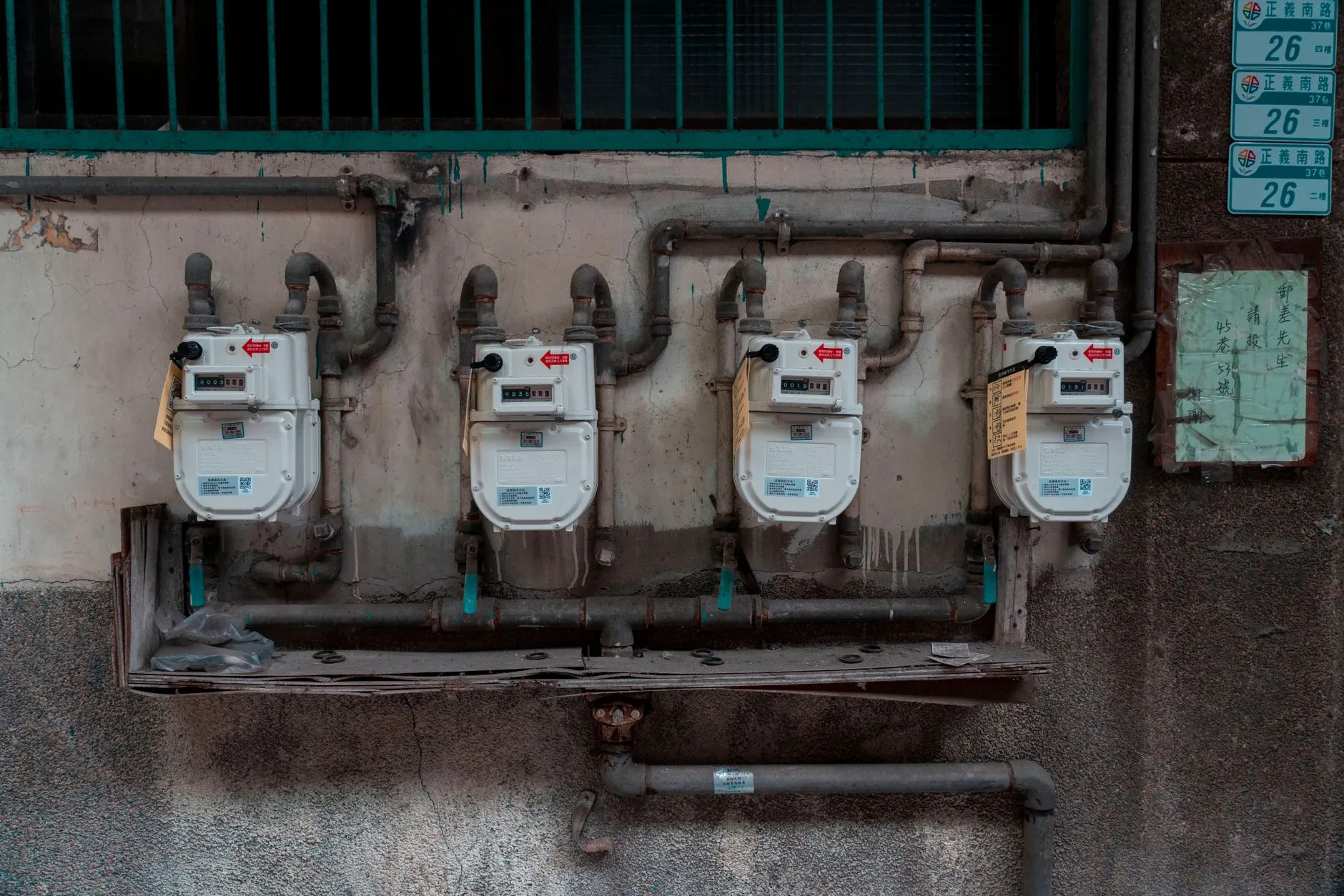
Conservative claim links net zero to higher energy bills
The Conservative Party has renewed its argument that stepping back from net zero could lower household energy costs. On 19 August 2026, shadow energy secretary Claire Coutinho presented the case for prioritising cheap electricity over climate targets. She said the party should focus all its attention on making electricity cheap and then let consumer choice be king.
The claim rests on analysis from Onward, a centre-right think tank commissioned by the Conservatives. Working with Transira Energy, Onward suggested that a cheaper-power system could save families about £540 a year on energy bills. However, the argument has drawn sharp criticism from green groups and independent fact-checkers.
This is not a new dispute. For years, critics of net zero have pointed to renewables subsidies, levies and grid-balancing costs as drivers of higher bills. Meanwhile, supporters of decarbonisation argue that reliance on gas is the real culprit. They say low-carbon investment reduces exposure to the price shocks that have hit households hardest since 2021.
The debate matters because it shapes how voters and policymakers think about Britain's energy future. Consequently, it is worth examining what the verified evidence actually shows.
Gas prices drive most of the bill increase since 2021
Energy UK identifies two main reasons for Britain's high energy bills. The first is reliance on wholesale gas, which often sets electricity prices. The second is levies placed on bills to fund various policy obligations.
The organisation says the annual electricity bill for a typical household has risen by £166 since 2021. Notably, two-thirds of that increase, or £112, is due to higher wholesale gas prices after adjusting for inflation. This evidence directly contradicts the claim that net-zero policies are the primary cost driver.
Full Fact, an independent fact-checking charity, has also challenged exaggerated claims about net-zero costs. Its analysis found that costs it classified as net-zero related accounted for about 12% of the overall energy price cap for a typical household paying by direct debit. For a typical electricity-only bill, the figure is about 20%.
These findings suggest that while net-zero policies do add to bills, they are not the dominant factor. Instead, exposure to volatile gas markets has been the main source of pressure on household budgets. This point is important for businesses trying to understand their own energy costs and for SMEs facing similar dynamics in their supply chains.
Onward report focuses on taxes, levies and subsidy costs
The Onward analysis takes a different approach. It focuses on taxes, levies and subsidy costs associated with decarbonisation. The think tank argues that removing or reducing these charges could deliver significant savings for households.
Other anti-net-zero publications cited in recent coverage have claimed that roughly a third of a typical bill reflects green charges. Some sources suggest the state adds around a third to household bills through taxes and levies. These figures are contested by independent analysts and industry bodies.
The broader evidence base does not support the idea that scrapping net zero would automatically deliver large bill cuts on its own. Energy markets are complex, and bills reflect multiple factors. These include wholesale prices, network costs, supplier margins, policy obligations and standing charges. Therefore, isolating one element and claiming it is responsible for most of the problem oversimplifies the picture.
For businesses, this matters because energy procurement decisions depend on accurate cost breakdowns. Understanding what actually drives your bills helps you plan for the future and assess which risks are within your control.
Political framing versus verified evidence
This is fundamentally a political dispute about the future direction of UK energy policy. The Conservatives are trying to recast net zero as a cost problem for households. They argue that prioritising cheap electricity over climate targets will lower bills and give consumers more choice.
However, the verified evidence points in a different direction. Gas prices, not climate policy alone, have been the biggest near-term pressure on bills. This is confirmed by both Energy UK and Full Fact, two sources with strong reputations for independence and accuracy.
The political stakes are high. If voters accept the claim that net zero is chiefly to blame for high bills, pressure will grow to weaken climate targets. Conversely, if they accept the counterargument, the focus will remain on clean power, electrification and long-term resilience against fossil-fuel shocks.
For SMEs, the stakes are also commercial. Many businesses now face net-zero requirements in public sector tenders under Procurement Policy Note 06/21. Others are responding to supply chain pressure from larger customers. Pulling back from decarbonisation could create confusion about which standards apply and how long they will last. In addition, it could affect access to contracts and markets.
What drives UK household energy bills
To understand the debate, it helps to break down what actually makes up a household energy bill. The main components include wholesale energy costs, network charges, supplier operating costs and margins, environmental and social policy costs, and value-added tax.
Wholesale costs are the largest single element. They reflect the price suppliers pay to buy gas and electricity in bulk. Because gas often sets the marginal price of electricity in the UK market, movements in gas prices flow through to electricity bills even for households using renewable power.
Network charges cover the cost of transporting energy from where it is generated to where it is used. These charges fund the maintenance and expansion of the transmission and distribution grids. Policy costs include support for low-carbon generation, energy efficiency schemes and assistance for vulnerable customers. These are the costs most often labelled as net-zero related.
Energy UK data shows that wholesale gas prices have driven the majority of bill increases since 2021. This reflects the volatility seen in global energy markets following the pandemic and geopolitical disruption. Full Fact confirms that policy costs linked to net zero represent a smaller share of the total bill. Therefore, focusing exclusively on those costs misses the bigger picture.
Commercial implications for UK businesses
Energy costs affect businesses differently depending on their sector, size and energy intensity. However, all SMEs need to understand what drives their bills and how policy changes might affect their operations.
First, exposure to gas prices is a risk whether you support net zero or not. The UK imports much of its gas, and global markets set the price. Consequently, any business relying heavily on gas for heating, processing or electricity faces ongoing volatility. Renewable power contracts can offer more predictable costs over time because the fuel is free once infrastructure is built.
Second, compliance obligations are growing. Public sector suppliers must now demonstrate carbon reduction plans under PPN 06/21. Larger companies are increasingly requiring their supply chains to report and reduce emissions. If net-zero policy weakens, these requirements might change, but they are unlikely to disappear entirely. Businesses that have already invested in compliance could find themselves better positioned than those that delayed.
Third, energy efficiency investment remains commercially sound regardless of policy direction. Reducing consumption lowers bills, improves resilience and cuts carbon. It also tends to improve productivity and working conditions. This is true whether levies stay or go.
Fourth, the direction of travel in energy markets has been clear for some time. Renewables are now the cheapest form of new power generation in most contexts. Battery storage costs are falling. Electric vehicles are gaining market share. These trends are driven by technology and economics, not just policy. Businesses making long-term capital decisions need to account for this reality.
Finally, reputational and market access considerations matter. Many customers, investors and partners now expect businesses to take climate action seriously. Carbon reporting and reduction programs are becoming standard practice in many sectors. Firms that position themselves as climate laggards may find it harder to compete for contracts, investment and talent.
What the numbers actually show
- Onward, commissioned by the Conservatives, argued that a cheaper-power approach could save families £540 a year on energy bills.
- Claire Coutinho said the UK should prioritise cheap electricity and consumer choice over net-zero commitments.
- Energy UK confirms that gas prices remain the biggest driver of household bill increases since 2021.
- Two-thirds of the post-2021 increase in a typical electricity bill is due to wholesale gas prices, according to Energy UK.
- Full Fact analysis shows that net-zero-related costs represent about 12% of the current overall price cap for a typical household paying by direct debit.
- For a typical electricity-only bill, net-zero costs account for about 20% of the total, according to Full Fact.
- The claim that roughly a third of bills is made up of green charges is contested by independent analysts and not supported by the broader evidence base.
Questions businesses should be asking
This debate creates uncertainty, and uncertainty makes planning harder. However, there are practical questions SMEs can ask to protect themselves and make better decisions.
What are our current energy costs, and how are they broken down? Understanding your bill structure helps you identify where savings are possible. For example, if wholesale costs dominate, you might benefit from longer-term contracts or renewable power purchase agreements. If policy costs are significant, you can monitor changes and adjust budgets accordingly.
How exposed are we to gas price volatility? Businesses using gas for heating or industrial processes face direct exposure. Those buying electricity from the grid face indirect exposure because gas often sets the power price. Reducing reliance on gas, whether through electrification or energy efficiency, can lower this risk.
What are our compliance obligations, and how might they change? Carbon reporting requirements are expanding, especially for businesses working with the public sector or large corporates. Understanding what you need to do now, and what might be coming, helps you avoid last-minute scrambles and potential penalties.
Are there cost-effective opportunities to cut consumption? Energy audits often reveal quick wins that pay back in months rather than years. LED lighting, heating controls, insulation and process improvements can all reduce bills. These measures make sense regardless of where policy goes next.
How does our energy strategy align with customer and investor expectations? If your clients or funders care about climate action, your energy choices become part of your value proposition. Conversely, if you operate in a sector where cost is the only consideration, you need to focus on the cheapest reliable supply available.
What does our risk appetite look like? Some businesses will choose to wait and see how policy develops. Others will invest now to gain a competitive edge or to meet existing obligations. Neither approach is wrong, but both require clear decision-making based on accurate information.
Where to find reliable information
If you need to understand energy costs, policy changes or compliance obligations, several authoritative sources can help. The Department for Energy Security and Net Zero publishes policy updates, consultations and guidance on energy and climate matters.
Ofgem, the energy regulator, sets the price cap and provides detailed breakdowns of what makes up household and business energy bills. Its data is essential for understanding how costs are structured and where changes are happening. Energy UK, the trade association for energy suppliers, publishes regular analysis and reports on energy markets, costs and policy. Its insights are particularly useful for understanding industry perspectives and market dynamics.
Full Fact offers independent fact-checking of claims made in political and media debate. Its analysis helps cut through exaggerated or misleading statements and provides evidence-based clarity. For businesses working through procurement and supply chain sustainability, government guidance on PPN 06/21 and related policies is available through the Cabinet Office and Crown Commercial Service websites.
These sources provide the foundation for informed decision-making. They allow you to separate political rhetoric from commercial reality and to plan based on evidence rather than speculation.