
Growth Through Sustainability: Data-Driven Approaches
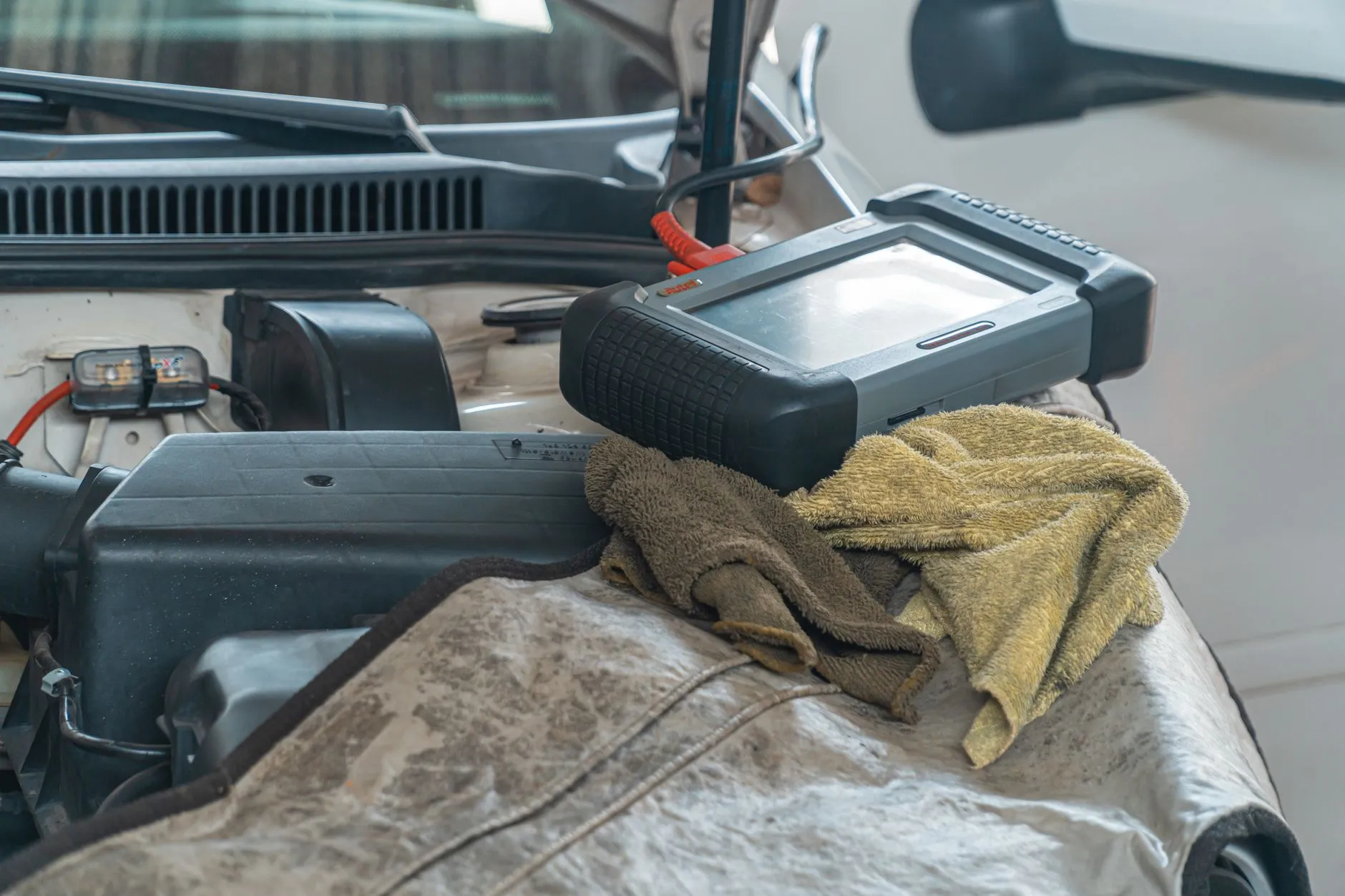
A European vehicle repair business has cut emissions by around 65% in specific repair processes by switching from guesswork to measured data. The company used real-time carbon accounting software to compare coating systems, energy use, and repair methods, then made informed choices that improved both environmental performance and operational efficiency.
This case, examined by INSEAD researchers in September 2026, demonstrates how sustainability targets can align with commercial growth when supported by credible measurement. For UK SMEs, particularly those in automotive supply chains or subject to tender sustainability requirements, the underlying principle matters: data-backed emissions reduction is becoming a competitive differentiator, not just a compliance box to tick.
The repair shop worked with Axalta, a coatings manufacturer, and Solera's Sustainable Estimatics platform. Solera's system analyses lifecycle material data, energy models, logistics impacts, and emissions profiles drawn from more than 430 million historical repair events. It delivers third-party validated carbon dioxide calculations at the individual claim level, aligned with ISO 14064-1 standards. Consequently, repair decisions can be evaluated on environmental impact before work begins.
According to the INSEAD article, authored by Karel Cool, Jing Liao, and Ana Izquierdo, Axalta's technology achieved the 65% emissions reduction by integrating with Solera's analytics. The reduction was achieved in certain repair workflows, not across all operations. Nevertheless, the scale of the saving illustrates the potential when process data replaces assumption.
How carbon measurement works in automotive repair
Solera's platform quantifies the carbon footprint of repair decisions in real time. In a 2026 company statement, Solera explained that the system incorporates paint systems, spray booth energy consumption, drying temperatures, and volatile organic compound emissions. Each variable contributes to the overall carbon profile of a repair job. Insurers, bodyshops, and fleet operators can therefore compare options using standardised environmental metrics.
A related partnership between Solera and AkzoNobel, announced in 2025, extended this capability. The collaboration integrated product and process data into Sustainable Estimatics, enabling bodyshops and insurers to measure and manage repair-related carbon footprints. Variables such as coating type, application method, and curing processes are factored into the assessment. As a result, businesses can optimise for both cost and carbon impact simultaneously.
This approach contrasts with traditional repair estimating, which typically prioritises speed and cost. Environmental considerations, if included at all, were often subjective. However, the introduction of validated emissions data shifts the conversation. Repair-versus-replace decisions can now be evaluated using evidence rather than intuition, and that evidence can be documented for reporting purposes.
The European good-practice platform for Eco Repair Score notes that repairers, insurers, fleet owners, and lease companies can use environmental scoring to assess and improve performance. This suggests a broader industry shift towards transparency and accountability in repair operations. Moreover, it indicates that regulatory and commercial pressures are converging around the need for credible environmental data.
Why repair emissions matter for UK businesses
UK SMEs operating in automotive supply chains face mounting expectations from clients, insurers, and procurement frameworks. Public sector contracts increasingly require suppliers to report Scope 3 emissions, which include activities outside direct operational control. Vehicle repair, maintenance, and replacement decisions fall into this category. Therefore, businesses that can measure and reduce these emissions gain an advantage in tenders and supplier assessments.
For bodyshops, the commercial case is straightforward. Clients want lower emissions, faster turnarounds, and competitive pricing. Data-driven repair decisions can deliver all three. For example, choosing a coating system with lower curing temperatures reduces energy consumption, shortens cycle times, and cuts carbon output. Similarly, optimising spray booth efficiency reduces waste and volatile organic compound releases, which also lowers disposal costs.
Insurers are also paying attention. A repair decision that minimises carbon impact without compromising quality or safety can be documented and reported. This supports ESG disclosures and demonstrates alignment with climate commitments. Furthermore, it provides a defence against greenwashing allegations, because the claims are backed by validated data rather than generic statements.
Fleet operators face similar pressures. Many have committed to net-zero targets or signed up to frameworks such as the Science Based Targets initiative. Repair and maintenance emissions are material in these contexts. Consequently, fleet managers need tools to track, report, and reduce the carbon intensity of vehicle upkeep. Platforms like Sustainable Estimatics offer a route to meet these requirements without overhauling existing workflows.
The broader implication is that sustainability is moving from a standalone initiative to an embedded operational discipline. Businesses that treat carbon reduction as a separate workstream often struggle to integrate it with day-to-day decisions. However, when environmental metrics are built into existing software, they become part of normal business operations. This makes sustainability more likely to succeed because it does not rely on behavioural change alone.
What this means for cost control and compliance
Emissions reductions and cost savings often overlap. Energy-efficient processes use less electricity and gas. Lower material waste reduces purchasing and disposal costs. Shorter cycle times improve asset utilisation. Therefore, businesses pursuing carbon reductions frequently discover operational efficiencies that strengthen margins.
However, the reverse is not always true. Cost-cutting measures can increase emissions if they compromise quality or extend product lifecycles artificially. This is why measurement matters. Without data, businesses risk making tradeoffs that harm environmental performance without realising it. With data, they can identify win-win scenarios and avoid false economies.
Compliance is another driver. The UK government has signalled its intention to tighten environmental reporting requirements for medium and large businesses. Although detailed regulations are still evolving, the direction is clear. Companies will need to disclose more granular emissions data, including supply chain and service-related impacts. Repair operations, logistics, and product lifecycles will come under scrutiny.
For SMEs, early adoption of carbon accounting tools reduces future compliance risk. Businesses that already track repair emissions will find it easier to meet new reporting standards when they arrive. Moreover, they will have historical data to demonstrate progress, which strengthens credibility with clients, investors, and regulators. In contrast, businesses that delay may face a scramble to implement systems under tight deadlines, often at higher cost.
Another consideration is supply chain pressure. Large corporates are increasingly requiring suppliers to report emissions and set reduction targets. This requirement flows down the supply chain, affecting SMEs that might not otherwise be subject to mandatory reporting. Automotive businesses are particularly exposed because vehicle manufacturers and fleet operators are setting ambitious climate goals. Suppliers that cannot demonstrate emissions reductions risk being excluded from future contracts.
Summary of key points
- A European repair business achieved approximately 65% emissions reductions in certain repair processes by using data-driven carbon accounting integrated with Axalta coatings technology.
- Solera's Sustainable Estimatics platform analyses more than 430 million historical repair events to deliver ISO 14064-1 validated carbon dioxide calculations at the individual claim level.
- The 2025 Solera and AkzoNobel partnership integrated product and process data to enable bodyshops and insurers to measure and manage repair-related carbon footprints in real time.
- UK SMEs in automotive supply chains face growing client and procurement pressure to report and reduce Scope 3 emissions, including repair and maintenance activities.
- Data-backed sustainability can improve operational efficiency, reduce costs, strengthen tender competitiveness, and support compliance with evolving environmental reporting requirements.
- Embedding carbon metrics into existing workflows makes environmental performance a routine business consideration rather than a separate project.
What businesses should consider now
If your business operates in automotive repair, fleet management, or related supply chains, three actions are worth considering. First, evaluate whether your current estimating and decision-making processes include environmental data. Many SMEs still rely on cost and time alone. Adding carbon impact as a third variable can reveal opportunities that would otherwise remain invisible.
Second, assess whether your reporting systems can capture and document emissions reductions. Clients and procurement teams increasingly ask for evidence of environmental performance. Generic statements are no longer sufficient. Instead, they want quantified data tied to specific activities. Businesses that can provide this information differentiate themselves from competitors who cannot.
Third, consider how sustainability fits into your commercial strategy. The INSEAD case suggests that environmental performance can drive growth when it is integrated with product design, service delivery, and customer value propositions. This is not about marketing spin. It is about identifying where lower emissions create operational advantages, then communicating those advantages clearly to clients and partners.
For bodyshops specifically, investing in energy-efficient equipment and low-carbon coatings can reduce running costs while improving environmental performance. However, the business case depends on accurate measurement. Without data, it is difficult to quantify savings or justify capital expenditure. Platforms like Sustainable Estimatics provide that data, making the investment decision more transparent and defensible.
Fleet operators should review their maintenance and repair contracts to ensure suppliers can report emissions at a granular level. Contracts that specify carbon performance alongside cost and quality criteria create accountability and drive continuous improvement. Moreover, they provide the data needed for Scope 3 reporting and ESG disclosures. Our sustainable procurement support can help businesses structure supplier requirements that balance environmental and commercial objectives.
Insurers and claims managers have a role to play as well. By incorporating carbon metrics into claims assessment, they can influence repair decisions at scale. This does not require radical changes to existing processes. Instead, it means adding environmental impact as a criterion when comparing repair options. The data infrastructure already exists in platforms like Sustainable Estimatics. The challenge is to integrate it into workflows and decision frameworks.
INSEAD's own sustainability report for 2023 to 2024 notes that the institution embedded sustainability learning across its MBA core courses and launched a sustainability capstone course from 2024 onward. This institutional commitment reflects a broader recognition that environmental performance is becoming central to business strategy, not peripheral to it. UK SMEs can draw the same lesson: sustainability is not a compliance add-on but a core operational consideration.
We work with manufacturing, logistics, and service businesses to implement carbon reporting systems that meet PPN 06/21 and other procurement requirements. The focus is always on practical implementation that supports commercial objectives. This means starting with data, identifying quick wins, then building momentum through measurable progress. It also means avoiding generic programmes that do not connect to your specific operations or customer needs.
Where to find additional information
The INSEAD Knowledge article by Karel Cool, Jing Liao, and Ana Izquierdo provides the original case study detail. It is available through INSEAD's online knowledge platform and offers insights into how data-driven sustainability can support business growth in operational industries.
Solera's corporate announcements on Sustainable Estimatics, including technical specifications and validation standards, are published on the company's website. These resources explain how the platform integrates with repair workflows and delivers third-party verified emissions data.
The European good-practice platform for Eco Repair Score offers guidance for repairers, insurers, fleet owners, and lease companies on environmental assessment and performance improvement. It provides a framework for understanding how repair decisions affect carbon footprints and how to optimise for environmental and commercial outcomes.
For UK-specific context on carbon reporting and procurement requirements, the UK government's Procurement Policy Notes set out the environmental standards expected of public sector suppliers. These documents clarify what businesses need to report and how to demonstrate compliance.
INSEAD's sustainability report, available through the institution's website, details the school's approach to embedding environmental considerations across teaching, research, and operations. While focused on education, it illustrates how organisations can integrate sustainability into core activities rather than treating it as a separate function.