
ICE calls for review of UK climate adaptation economics
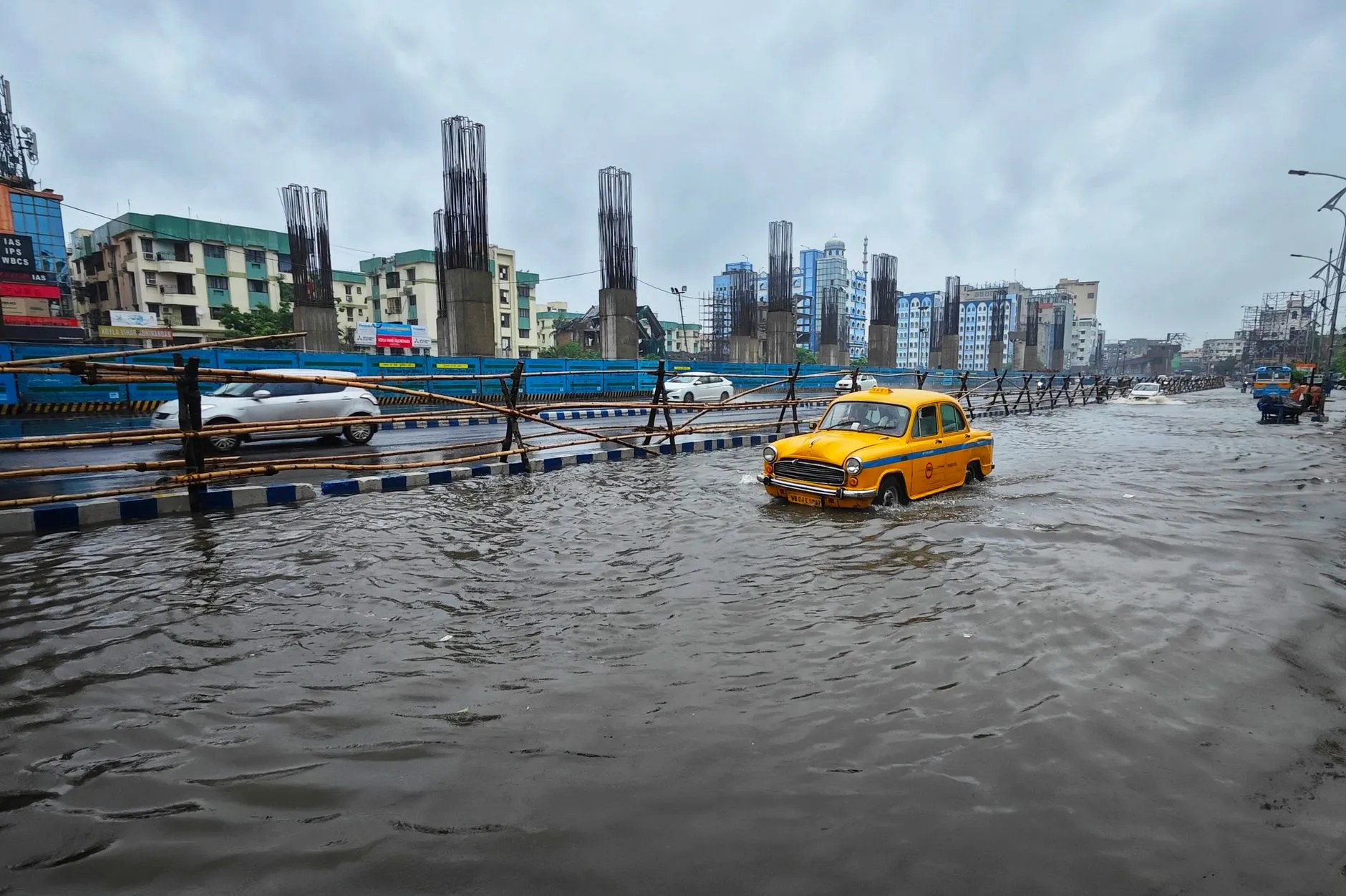
Engineering body calls for independent economic review of climate resilience
The Institution of Civil Engineers is pressing the UK government to commission an independent economic review of climate adaptation. The organization wants a clear assessment of what inaction will cost and what returns resilience investment could deliver. ICE argues the case mirrors the logic behind the 2006 Stern Review, which transformed how government understood the economics of climate action.
This proposal arrives with substantial evidence already on record. Official UK risk assessments project significant economic losses from climate impacts. Meanwhile, many adaptation measures show strong value for money. Consequently, ICE believes the time is right for a comprehensive economic framework.
The original Stern Review assessed the economics of climate change, including adaptation. It concluded that strong early action would far outweigh the costs of delay. The review also examined how different approaches to adaptation might work and drew specific lessons for the UK. Published in 2006, it was commissioned jointly by the Prime Minister and Chancellor.
Nearly two decades later, adaptation has moved from technical planning into mainstream economic territory. Infrastructure decisions increasingly turn on resilience, not just initial cost. ICE's position is that these choices should reflect best value rather than lowest price.
Rising costs and projected investment needs
The numbers behind ICE's argument are considerable. The organization estimates that drought resilience alone may require £900 million annually by 2050. Flood and coastal defences could need around £1 billion per year over the next 50 years. These figures represent sustained investment, not one-off spending.
However, ICE frames this spending as economic protection rather than pure cost. Climate adaptation increasingly looks like infrastructure maintenance. You either invest early or pay more later when assets fail or extreme events cause wider disruption.
The government's Climate Change Risk Assessment 2022 reinforces this view. It warns that by 2050, economic damages from several climate risks could exceed £1 billion annually. By 2045, climate change could cost the UK at least 1% of GDP. These projections cover direct damages, productivity losses, and increased costs across multiple sectors.
Importantly, the same assessment highlights that many early adaptation investments deliver strong returns. Benefit-cost ratios typically range from 2:1 to 10:1. In practical terms, every £1 spent on well-chosen adaptation could yield £2 to £10 in net economic benefit. That return profile compares favourably with many other public investments.
Adaptation delivers broader economic gains beyond damage prevention
The 2022 risk assessment also notes that adaptation creates co-benefits. These include direct economic gains alongside social and environmental improvements. For example, urban green infrastructure can reduce flood risk, lower summer temperatures, improve air quality, and increase property values. Natural flood defences can protect communities while restoring habitats and supporting biodiversity.
This broader value proposition aligns with the Stern-style framing ICE seeks. Climate resilience becomes an investment in productivity, asset protection, and long-term stability. It stops being merely an environmental obligation or emergency response cost.
Government currently treats adaptation through multiple departmental budgets and fragmented programmes. Flood defence sits with the Environment Agency. Water resilience involves water companies and regulators. Infrastructure standards fall to sector bodies. Emergency planning belongs to local resilience forums. Each area operates with different funding cycles, appraisal methods, and political priorities.
A comprehensive economic review could create a unified framework. Treasury decision-making would then weigh adaptation consistently against other spending. Ministers would have clearer evidence about where investment delivers the strongest returns. Private sector actors would understand the economic rationale for their own resilience measures.
What a new review might cover and prioritize
If commissioned, a Stern-style adaptation review would likely examine several key areas. Infrastructure upgrades represent the most visible category. Transport networks, energy systems, water supply, and telecommunications all face climate risks. Each sector needs investment priorities based on vulnerability, consequence, and cost-effectiveness.
Emergency preparedness forms another critical strand. Extreme weather events are becoming more frequent and severe. Consequently, emergency services, hospitals, and local authorities need greater capacity. The economic case includes avoided costs from faster response and better recovery.
Water security deserves particular attention. The UK faces growing pressure from both drought and flood. Supply infrastructure was designed for historical climate patterns. Meanwhile, demand continues to rise. Investment in storage, efficiency, and demand management becomes economically necessary, not just environmentally desirable.
Land-use planning offers substantial but often overlooked opportunities. Where and how we build determines long-term resilience. Poorly sited development creates future liabilities through flood risk, overheating, and water stress. Better planning avoids these costs before they arise. The economic benefit comes from prevented damage rather than visible infrastructure.
Natural defences present particularly strong value propositions. Restored wetlands, woodlands, and coastal habitats can reduce flood peaks, stabilize slopes, and buffer storm surges. These solutions often cost less than hard engineering. Moreover, they deliver the co-benefits mentioned earlier. Nevertheless, they receive less funding than conventional infrastructure because their value is harder to quantify in traditional appraisal.
Current evidence base and policy gaps
The UK already possesses substantial climate risk analysis. The Climate Change Risk Assessment updates every five years under the Climate Change Act 2008. The Environment Agency publishes flood risk assessments. The Committee on Climate Change produces annual progress reports. Government departments conduct sector-specific resilience reviews.
Despite this evidence, policy remains fragmented. No single document translates climate risks into comprehensive economic terms for Treasury and cabinet decision-making. The original Stern Review achieved precisely that translation for mitigation. Its clarity influenced policy globally and shaped the UK's commitment to net zero.
ICE believes adaptation needs similar treatment. The scientific case is established. The risk projections are published. What's missing is authoritative economic synthesis that makes adaptation an obvious priority for sustained investment.
This gap matters because infrastructure investment requires long-term commitment. Political cycles favour visible projects with clear short-term benefits. Climate adaptation often involves less visible work like drainage upgrades, water storage, and planning reform. These measures prevent future crises but lack immediate political appeal. A strong economic framework would help overcome this bias.
Essential points from the climate adaptation debate
- The Institution of Civil Engineers wants government to commission a Stern-style review focused specifically on climate adaptation economics.
- The original Stern Review in 2006 concluded that strong early action on climate change far outweighs the economic costs of delay.
- UK climate risk assessments project that damages from some climate risks could exceed £1 billion annually by 2050, with total climate costs reaching at least 1% of GDP by 2045.
- Early adaptation investments typically deliver benefit-cost ratios of 2:1 to 10:1, meaning each £1 spent could generate £2 to £10 in economic benefit.
- ICE estimates that drought resilience may require £900 million per year by 2050, while flood and coastal defences could need around £1 billion annually over the next 50 years.
- Adaptation creates co-benefits including productivity gains, asset protection, and social and environmental improvements beyond just prevented damages.
- Current policy treats adaptation through fragmented departmental budgets without a unified economic framework for prioritizing investment.
Business implications for UK companies
The adaptation debate has direct commercial consequences. Supply chains face increasing climate disruption. Transport delays from flooding affect logistics. Heatwaves reduce worker productivity. Water restrictions constrain manufacturing. These impacts already cost businesses money. Therefore, understanding the economic case for adaptation helps companies make their own investment decisions.
Public procurement increasingly considers climate resilience. Government buyers want suppliers who can maintain service through extreme weather. Tenders may soon require evidence of climate risk assessment and adaptation planning. Businesses without this capability could lose opportunities. Conversely, those who invest early gain competitive advantage.
Insurance costs reflect changing climate risk. Premiums rise for flood-prone locations. Some properties may become uninsurable. Businesses that improve their resilience can potentially negotiate better terms. This creates a financial incentive beyond regulatory compliance.
Property values increasingly factor in climate risk. Commercial real estate in vulnerable locations faces devaluation. Conversely, buildings with strong resilience features may command premiums. Business owners and investors need to understand these dynamics when making location and property decisions.
A government-commissioned economic review would clarify these commercial risks and opportunities. It would help businesses understand where public investment will go and what standards may emerge. Companies could then align their own planning with likely policy direction. This reduces uncertainty and supports better long-term decisions.
For SMEs, the implications are particularly significant. Smaller businesses often lack the resources for comprehensive risk assessment. However, they may be more vulnerable to climate disruption because they have less financial buffer. Clear government guidance based on robust economics would help SMEs prioritize their own resilience measures without needing expensive consultancy.
The procurement angle matters especially for businesses supplying the public sector. Central government spending accounts for substantial market opportunity. Local authorities, NHS trusts, and other public bodies represent major customers. If these organizations start requiring climate resilience as standard, suppliers must respond. Understanding the economic rationale behind this shift helps businesses prepare.
Policy development and international context
The UK is not alone in grappling with adaptation economics. The European Union published its adaptation strategy in 2021, calling for greater investment in resilience. The United States has increased funding for climate adaptation through infrastructure legislation. International development institutions now prioritize adaptation alongside mitigation in their lending.
Nevertheless, economic analysis of adaptation lags behind climate science. We understand climate risks far better than we understand the cost-benefit calculations for preventing them. This creates a policy problem. Governments struggle to justify large upfront spending when the benefits are diffuse, long-term, and primarily come from avoided damages.
The Stern Review worked because it made the economic case for mitigation both clear and urgent. It showed that delaying action would cost more than acting immediately. It translated scientific projections into GDP impacts, fiscal costs, and investment requirements. Crucially, it was independent, authoritative, and commissioned by government itself.
ICE wants adaptation to receive the same treatment. The engineering body argues that resilience investment should not compete for funding against health, education, or other priorities on ad-hoc political grounds. Instead, it should be assessed using consistent economic methods that show its contribution to national prosperity and security.
This argument will likely strengthen as climate impacts intensify. The UK has experienced significant flooding in recent years, affecting thousands of properties and causing widespread disruption. Summer heatwaves now regularly exceed design temperatures for transport infrastructure and buildings. Water companies face enforcement action over drought planning. Each event reinforces the economic case for systematic adaptation.
For businesses, the direction of travel is clear. Government will invest more in climate resilience over coming decades. Regulations will tighten around flood risk, water use, and infrastructure standards. Public procurement will favour suppliers demonstrating adaptation capability. A Stern-style review would accelerate this trend by providing the economic foundation for more ambitious policy.
Where to find further information and guidance
The government's Climate Change Risk Assessment 2022 provides comprehensive analysis of climate risks facing the UK, including economic projections and adaptation priorities. The Committee on Climate Change publishes regular progress reports assessing how well the UK is preparing for climate change. These reports include specific recommendations for government action on adaptation.
The Climate Change Act 2008 establishes the legal framework for UK climate policy, including requirements for regular risk assessment and adaptation planning. The Environment Agency offers sector-specific guidance on flood risk management and climate resilience for infrastructure and property.
Businesses looking to understand how climate adaptation affects their operations and compliance obligations may benefit from structured support on carbon reporting and resilience planning through professional compliance services. For organizations seeking to build internal capability on climate risk assessment and adaptation strategy, specialist training programmes can help teams develop the necessary skills and knowledge.