
IWG's Sustainability Plan Aims for Net Zero by 2040
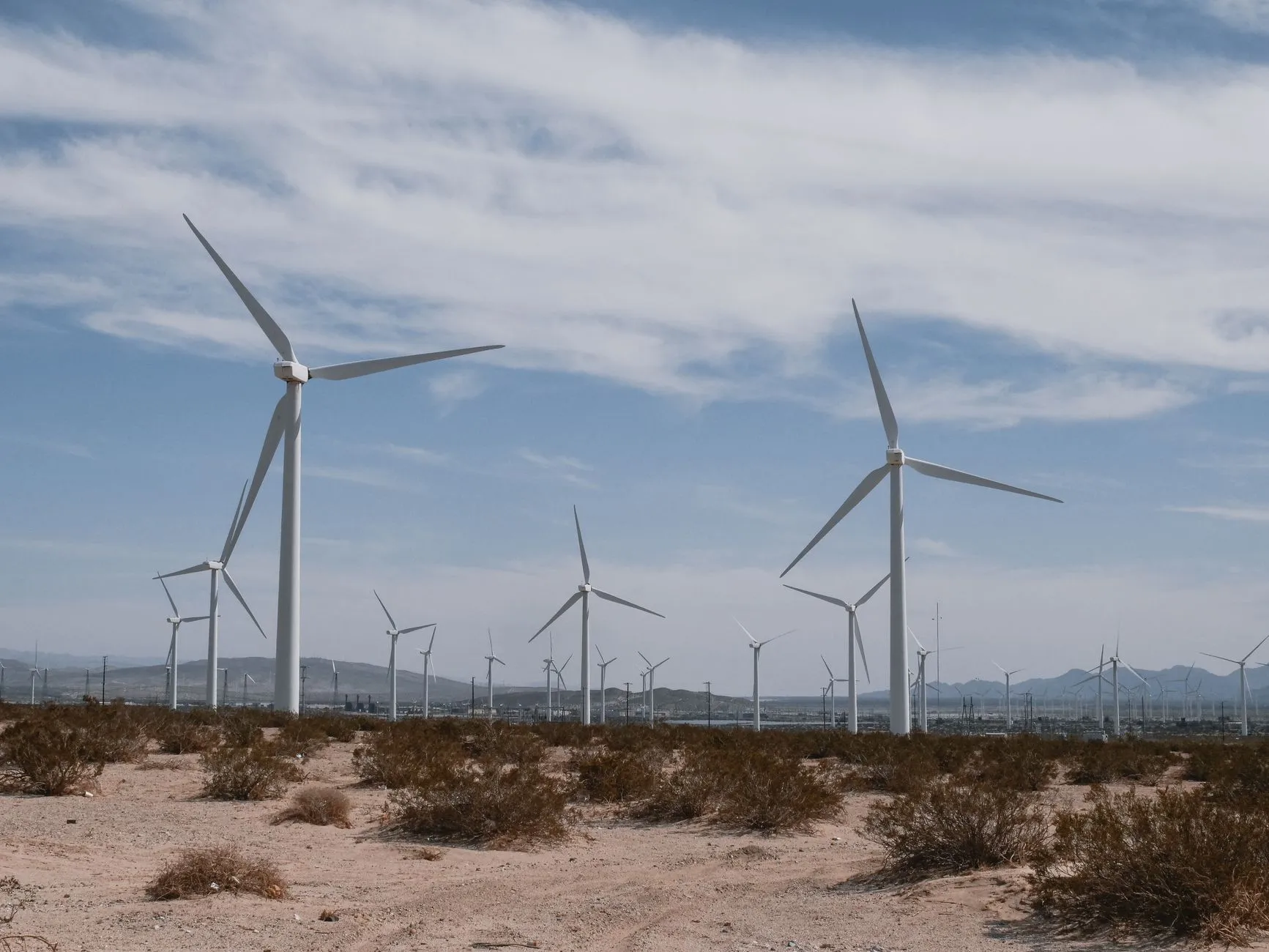
IWG sets 2040 net zero target with supply chain engagement plan
International Workplace Group has published a climate strategy that targets net zero greenhouse gas emissions across its global workspace portfolio by 2040. The plan includes specific reduction targets for direct operations, supply chain emissions, and energy sourcing. Consequently, the company is now extending climate accountability beyond its own centres into supplier relationships and landlord partnerships.
IWG operates thousands of flexible workspace centres worldwide. The company has committed to a 50% cut in absolute Scope 1 and 2 emissions by 2030, measured against a 2024 baseline. In addition, it aims for a 52% reduction in Scope 3 emissions intensity per dollar of value added over the same period. By 2040, the target is a 90% reduction in absolute emissions across all three scopes, with the remaining 10% addressed through carbon removals.
The plan also includes a commitment to source 100% renewable electricity in centres where IWG has operational control by 2030. This represents a significant acceleration from current levels. As of 31 December 2025, more than 1,769 centres were using certified green electricity, up from over 900 at the end of 2024.
Operational targets cover waste, water and energy use
Several goals focus on specific operational improvements rather than emissions alone. IWG wants to divert 75% of operational waste from landfill by 2030. The company also aims to reduce water consumption per occupied square metre by 30% over the same period, using 2024 as the baseline for both targets.
The environmental policy emphasises reducing energy use and improving emissions data quality. It also highlights the importance of engaging landlords and partners in decarbonisation efforts. Furthermore, the company has developed a supply chain engagement strategy to help lower Scope 3 emissions, which typically account for the largest share of a service company's carbon footprint.
IWG has aligned its renewable energy strategy with RE100 requirements. This international initiative brings together companies committed to 100% renewable electricity. The company has also established governance processes for responsible sourcing and published a net zero transition plan alongside its 2025 annual report.
Scope 3 emissions require landlord and supplier cooperation
The inclusion of a supply chain engagement strategy marks a notable shift in approach. Scope 3 emissions sit outside direct operational control but often dominate a company's total carbon footprint. For IWG, these emissions include building energy use in leased properties, supply chain impacts, and tenant activity.
Addressing Scope 3 emissions requires cooperation from landlords who control building infrastructure and energy contracts. It also depends on supplier data quality and transparency. Many suppliers still lack the systems to report their own emissions accurately. As a result, companies pursuing ambitious Scope 3 targets often face significant measurement and verification challenges.
IWG's reliance on leased properties adds complexity to its decarbonisation efforts. The company does not own most of the buildings it operates in. Therefore, achieving emissions reductions depends partly on landlord willingness to invest in building upgrades, renewable energy contracts, and energy efficiency measures. The supply chain engagement strategy is designed to address this challenge by formalising relationships and setting expectations with key partners.
Workspace model positioned as part of climate solution
IWG has consistently linked its distributed workspace model to lower emissions from commuting. In a report with Arup, the company stated that working closer to home can reduce work-related carbon emissions by over half. In some cities, such as Los Angeles, the reduction can reach 70%.
This argument extends the sustainability message beyond building operations. IWG is presenting its network of local workspaces as part of the climate solution, not just its energy procurement choices. Consequently, the company frames hybrid working and flexible workspace as a way to reduce transport emissions at scale.
The claim rests on the assumption that employees use local centres instead of commuting to central offices. However, actual emissions reductions depend on user behaviour, travel patterns, and the carbon intensity of the electricity used in each centre. The company has not published detailed methodologies or verified data on actual emissions saved through workspace use.
What UK businesses running flexible workspace should consider
- IWG has set a 2040 net zero target across its global workspace network, with interim goals including a 50% cut in Scope 1 and 2 emissions by 2030 and 100% renewable electricity by 2030 where it has operational control.
- The company aims to reduce Scope 3 emissions intensity by 52% per dollar of value added by 2030, addressing supply chain and leased property emissions through a formal engagement strategy.
- More than 1,769 IWG centres were using certified green electricity as of 31 December 2025, nearly double the number at the end of 2024.
- Operational targets include diverting 75% of waste from landfill and reducing water consumption per occupied square metre by 30% by 2030, both measured against a 2024 baseline.
- IWG has aligned its renewable energy strategy with RE100 requirements and published a net zero transition plan alongside its 2025 annual report.
- The company has linked its distributed workspace model to potential emissions reductions from reduced commuting, citing research suggesting reductions of over 50% in work-related carbon emissions when employees work closer to home.
How major workspace providers influence tenant sustainability strategies
When a large workspace provider publishes climate targets, it affects the businesses that use its centres. Companies with sustainability commitments need to understand their landlords' environmental performance. Therefore, IWG's plan may influence tenant decision-making, particularly for organisations pursuing their own net zero goals.
Businesses that lease workspace often include landlord environmental credentials in procurement decisions. Public sector suppliers, for example, must demonstrate how they will reduce carbon emissions to meet Procurement Policy Note 06/21 requirements. Using workspace with certified green electricity can help businesses reduce their Scope 3 emissions from leased property.
However, transparency remains a challenge. Many workspace users do not have access to detailed emissions data for the specific centres they occupy. This makes it difficult to calculate accurate Scope 3 emissions for leased assets. Consequently, businesses should ask providers for centre-specific data on energy use, renewable electricity sourcing, and waste management.
IWG's supply chain engagement strategy may also affect suppliers to the workspace industry. Companies providing fit-out services, furniture, technology, or facilities management could face new expectations around emissions reporting and reduction targets. Therefore, businesses in the workspace supply chain should prepare for increased scrutiny of their own environmental performance.
Renewable electricity sourcing faces market and contractual constraints
The commitment to 100% renewable electricity by 2030 depends on market conditions and landlord agreements. In buildings where IWG holds the energy contract, the company can switch to renewable tariffs or purchase renewable energy certificates. However, in many leased properties, landlords control energy procurement.
Renewable electricity availability varies significantly across markets. Some regions have limited renewable capacity or regulatory barriers to corporate power purchase agreements. In addition, the credibility of renewable energy certificates has faced scrutiny. Not all certificates represent additional renewable generation, and some may have limited environmental impact.
Businesses evaluating workspace providers should ask specific questions about renewable electricity sourcing. This includes understanding whether the provider uses direct renewable supply contracts, unbundled certificates, or bundled tariffs. Similarly, it matters whether the renewable electricity is sourced locally or purchased through international certificate schemes.
The rapid expansion from over 900 centres to more than 1,769 centres using certified green electricity in one year demonstrates that large-scale switching is feasible. Nevertheless, reaching 100% coverage will require solving contractual and regulatory challenges in diverse markets. IWG's progress on this target will depend partly on landlord cooperation and the availability of credible renewable electricity products in each country where it operates.
Scope 3 reduction targets require detailed measurement systems
The 52% reduction in Scope 3 emissions intensity per dollar of value added is a complex target to verify. Emissions intensity metrics can improve even if absolute emissions rise, provided that revenue or value added grows faster. Therefore, businesses should understand the difference between intensity targets and absolute reduction commitments.
Scope 3 emissions for a workspace provider include upstream impacts from construction and fit-out, supply chain emissions from purchased goods and services, and downstream emissions from tenant energy use. Measuring these categories requires robust data collection systems and supplier engagement. Many companies struggle with Scope 3 data quality, particularly in categories like purchased goods and capital goods.
IWG's supply chain engagement strategy suggests the company is investing in better measurement and reporting systems. However, the effectiveness of this approach depends on supplier participation and data transparency. Businesses working with workspace providers should ask how emissions are measured, what assumptions are used, and how data quality is verified.
The 2040 target for 90% absolute emissions reduction across all scopes is ambitious. It aligns with science-based net zero pathways that require deep cuts before using carbon removals. However, achieving this target will require significant changes to building energy systems, supply chain practices, and operational processes. Businesses should monitor IWG's progress reports to assess whether the company is on track to meet these commitments.
Where to find official guidance and standards
The UK government provides guidance on measuring and reporting greenhouse gas emissions through the Department for Energy Security and Net Zero. Businesses can find detailed methodologies and emission factors in the annual guidance for company reporting published on gov.uk conversion factors.
RE100 is a global initiative coordinated by the Climate Group in partnership with CDP. The initiative sets requirements for companies committing to 100% renewable electricity. Technical criteria and guidance are available through the RE100 website.
The Science Based Targets initiative provides frameworks for setting corporate emissions reduction targets aligned with climate science. Businesses developing their own net zero strategies can access resources and guidance through the Science Based Targets initiative website.
For businesses working on carbon reporting compliance or developing their own reduction plans, understanding how major suppliers and landlords approach decarbonisation is essential. IWG's plan demonstrates how large property and workspace providers are formalising climate commitments. However, the detail matters. Businesses should ask for specific data, verified emissions figures, and transparent methodologies when evaluating any provider's environmental claims.