
Kew Gardens cuts fossil fuel use by over a fifth
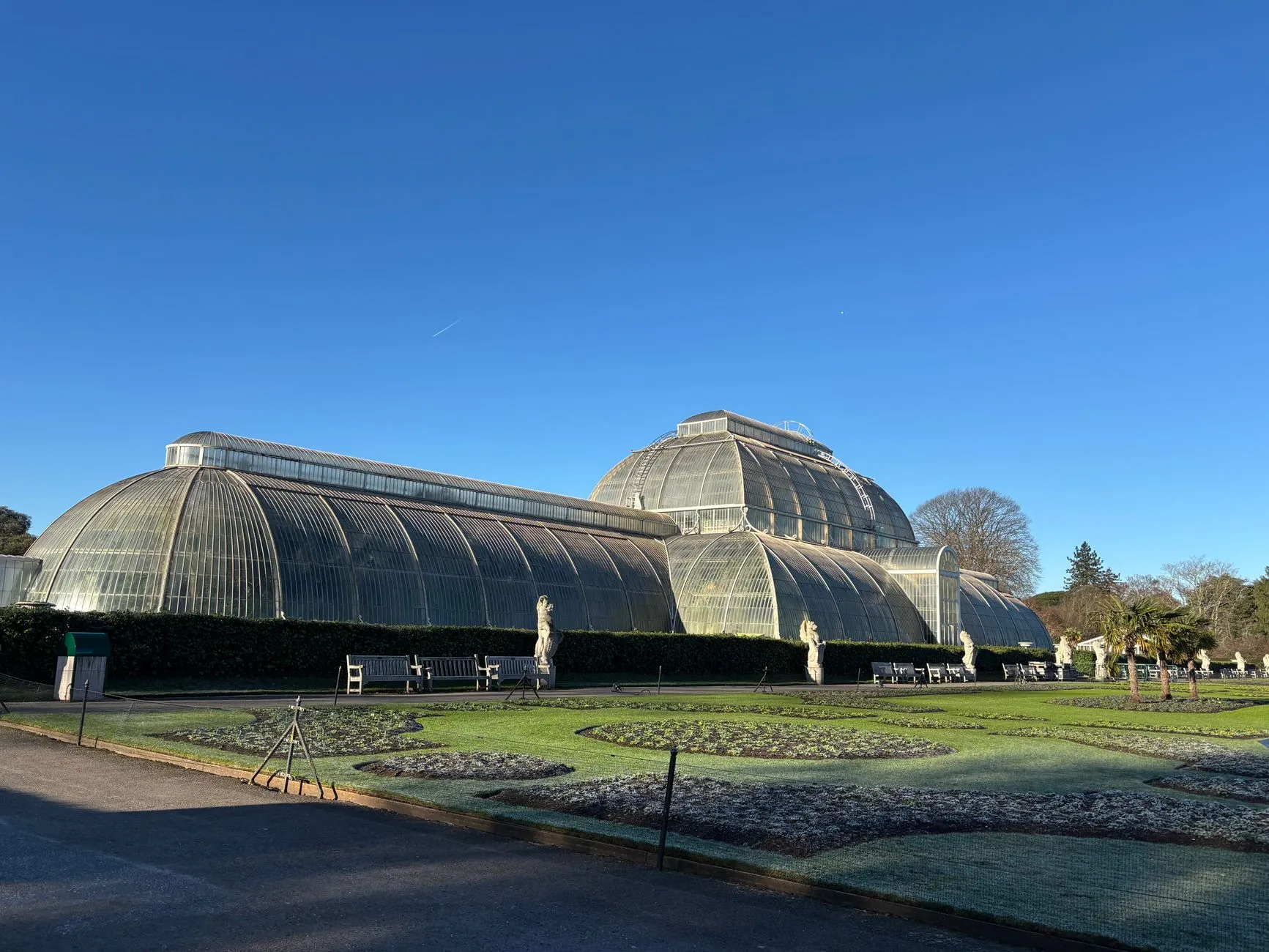
Royal Botanic Gardens demonstrates scale of decarbonisation on historic estates
Royal Botanic Gardens, Kew has reduced its fossil fuel consumption by 22% in a single year, according to the latest annual figures. Total fossil fuel use fell from 21,601 megawatt hours to 16,902 MWh. Moreover, carbon emissions dropped 17% over the same period. The reductions support Kew's stated ambition to become climate positive by 2030.
The data cover one of the UK's most energy-intensive heritage estates. Kew operates glasshouses, scientific laboratories, and conservation facilities across 326 acres in west London. Consequently, the scale of the reduction offers evidence that historic sites can deliver operational emissions cuts without compromising core functions.
For UK businesses managing older buildings or large estates, the figures illustrate what becomes possible when decarbonisation moves from policy statement to practical engineering. Furthermore, the approach Kew has taken provides a reference point for organisations facing similar constraints around listed buildings, visitor operations, and year-round environmental control.
Practical decarbonisation measures underpin reported reductions
Kew attributes the fossil fuel reduction to a series of estate upgrades carried out over recent years. These include heating system replacements, electrification projects, and improvements to building fabric. Specifically, the organisation replaced gas and oil boilers with heat pumps at several sites. Water-source and air-source heat pumps now serve buildings previously reliant on fossil fuel heating.
The figures show gas consumption fell from 19,537 MWh to 15,543 MWh. Oil use dropped from 1,844 MWh to 1,104 MWh. LPG use increased marginally from 220 MWh to 255 MWh. Overall, the reduction in gas and oil more than offset the small rise in LPG.
In addition, Kew completed a decarbonisation project at the Jodrell Laboratory and Melon Yard sites. A 2023 contract notice stated the works would cut carbon emissions by 633 tonnes of CO2 per year. The project also includes measures to increase onsite renewable electricity generation by 38,612 kilowatt hours annually. These upgrades form part of a wider programme funded by the Department for Environment, Food and Rural Affairs.
The 2023/24 annual review reported that the combined heating upgrades should deliver a 49% decrease in overall energy use across affected buildings. This suggests the full impact of recent capital investment will continue to materialise in future reporting periods. Therefore, the 22% reduction recorded in the latest figures may not represent the limit of what Kew can achieve through its current programme.
Earlier measures also contributed to the baseline from which these reductions were made. Kew had already installed LED lighting, improved insulation, implemented voltage optimisation, and commissioned a combined heat and power system. A biomass boiler serves the Temperate House. These earlier interventions established a foundation for the more recent electrification work.
Climate positive target raises ambition beyond net zero
In 2021, Kew formalised a commitment to exceed net zero and become climate positive by 2030. The target goes beyond eliminating operational emissions. Instead, Kew aims to deliver a net benefit to the climate through a combination of emissions reductions, carbon sequestration, and wider environmental programmes.
The term climate positive describes an organisation that removes or offsets more carbon than it emits. For Kew, this involves using its scientific expertise and land holdings to support carbon storage through horticulture, tree planting, and ecosystem restoration. However, the operational emissions reductions remain a critical component of the strategy. Without substantial cuts to direct emissions, achieving a net positive position becomes significantly harder.
Kew's latest figures demonstrate progress towards the emissions reduction element of the target. The 17% fall in total emissions suggests that the organisation is reducing its carbon footprint in absolute terms, not simply improving efficiency per unit of activity. This distinction matters because it indicates that growth in visitor numbers or research activity is not offsetting emissions gains.
Nevertheless, the 2030 deadline is now only five years away. The remaining emissions from heating, transport, and energy use will require further intervention if Kew is to meet its stated ambition. Continued investment in heat pump capacity, renewable generation, and energy storage appears likely. Additionally, residual emissions from areas such as fleet vehicles and specialist equipment may need to be addressed through further electrification or alternative fuels.
Lessons for organisations managing heritage buildings
Kew's experience offers practical insights for businesses and institutions operating older buildings. Historic estates present distinct challenges for decarbonisation. Listed building consent may restrict external alterations. Temperature and humidity control requirements can be inflexible. Capital budgets are often constrained by competing conservation priorities.
Despite these obstacles, Kew has shown that meaningful emissions reductions are achievable. The 22% cut in fossil fuel use was delivered without closing facilities or reducing services. Visitors continued to access glasshouses and gardens throughout the works. Scientific research programmes were maintained. This suggests that decarbonisation and operational continuity can be compatible objectives when projects are properly scoped and funded.
Several elements of Kew's approach merit attention. First, the organisation prioritised heating systems, which accounted for the largest share of fossil fuel consumption. Replacing gas and oil boilers with heat pumps addressed the single biggest source of emissions. Second, Kew secured external funding from Defra to support capital investment. Public funding enabled works that might otherwise have been deferred due to budget constraints.
Third, the decarbonisation programme was integrated with planned maintenance and refurbishment cycles. This reduced disruption and allowed capital budgets to cover multiple objectives simultaneously. For example, heating upgrades were combined with fabric improvements such as insulation and draught-proofing. This approach improved building performance while reducing the payback period for individual measures.
For UK businesses managing similar estates, the key takeaway is that fossil fuel reduction at this scale requires capital investment and technical planning. Energy efficiency measures alone are unlikely to deliver cuts of 22% in a single year. However, when heating system replacements are combined with fabric improvements and renewable generation, the cumulative impact can be substantial.
Public sector estates face similar decarbonisation pressures
Kew's progress takes place against a backdrop of wider public sector carbon reduction requirements. Central government departments, local authorities, schools, hospitals, and universities all face pressure to cut operational emissions. Many of these organisations manage older buildings with similar constraints to those at Kew. Therefore, the case study has relevance beyond botanical gardens.
Public procurement increasingly favours suppliers with credible environmental credentials. PPN 06/21, introduced in 2021, requires suppliers bidding for central government contracts above £5 million per year to publish a carbon reduction plan. For businesses supplying the public sector, understanding how major institutions are decarbonising their own estates provides useful context when preparing submissions.
In addition, local authority climate targets often include commitments to reduce emissions from council-owned buildings. Museums, libraries, leisure centres, and civic buildings require similar heating and energy upgrades to those undertaken at Kew. The practical engineering lessons from Kew's programme apply equally to these settings. Consequently, the data on fuel reduction and emissions cuts offer a benchmark for other estate managers assessing the potential impact of comparable interventions.
Beyond direct public sector applications, the results demonstrate that historic and listed buildings can accommodate low-carbon heating systems. This matters for private sector businesses occupying older commercial premises. Insurance companies, legal practices, and professional services firms often operate from converted heritage buildings. The assumption that such premises are incompatible with heat pumps or other low-carbon technologies is increasingly difficult to sustain in light of projects like those at Kew.
Five key facts about Kew's emissions reductions
- Total fossil fuel use dropped from 21,601 MWh to 16,902 MWh, a 22% reduction in one year.
- Gas consumption fell from 19,537 MWh to 15,543 MWh, driven by heating system replacements.
- Oil use decreased from 1,844 MWh to 1,104 MWh, while LPG rose slightly from 220 MWh to 255 MWh.
- Total carbon emissions fell by 17% over the same reporting period, confirming reductions beyond fuel consumption alone.
- The Jodrell Laboratory decarbonisation project is expected to cut 633 tonnes of CO2 annually and generate 38,612 kWh of renewable electricity per year.
- Defra-funded boiler replacements with heat pumps are projected to achieve a 49% decrease in overall energy use across affected buildings.
- Kew committed in 2021 to becoming climate positive by 2030, a target that requires the organisation to deliver net climate benefits beyond operational carbon neutrality.
Remaining challenges and next phases
While the latest figures show substantial progress, Kew still relies on fossil fuels for a portion of its heating and operational needs. The 16,902 MWh of fossil fuel consumed in the most recent reporting year indicates that further work is required to eliminate residual gas, oil, and LPG use. Additionally, emissions from transport, refrigerants, and other sources remain part of the organisation's carbon footprint.
The path to climate positive status will therefore require continued capital investment. Further expansion of heat pump capacity appears likely, particularly in buildings not yet covered by recent upgrades. Renewable electricity generation may need to increase beyond the 38,612 kWh per year anticipated from the Jodrell project. Energy storage solutions could help balance intermittent renewable generation with heating and cooling demand.
Transport emissions present a separate challenge. Kew operates a fleet of vehicles for grounds maintenance, logistics, and security. Electrifying this fleet will require charging infrastructure and vehicle replacement as existing assets reach end of life. Similarly, specialist equipment used in laboratories and conservation work may have limited low-carbon alternatives currently available. These residual emissions will need to be addressed if the climate positive target is to be met without relying heavily on offsets.
The next few annual reports will clarify whether the 2030 target remains achievable. If the current pace of reduction continues, Kew could eliminate the majority of direct operational emissions by mid-decade. However, the final 10% to 20% of emissions are typically the hardest to abate. Technical constraints, cost considerations, and supply chain availability all influence the speed at which final reductions can be delivered.
How this connects to wider business sustainability requirements
Kew's decarbonisation programme reflects trends that UK businesses of all sizes increasingly face. Carbon reporting obligations are expanding. Supply chain transparency requirements are tightening. Customer and investor expectations around environmental performance continue to rise. For SMEs, these pressures often manifest through tender requirements, customer audits, or industry certification schemes.
Understanding what peer organisations are achieving helps businesses set realistic targets and identify appropriate interventions. The 22% reduction in fossil fuel use at Kew did not happen through marginal gains or behavioural change alone. It required capital investment, technical expertise, and project management. However, it also demonstrates that such investments can deliver measurable results within a single reporting year.
For businesses seeking to reduce operational emissions, the Kew example underscores several practical considerations. First, heating systems offer the greatest opportunity for fossil fuel reduction in many buildings. Second, heat pumps can work in older buildings when combined with appropriate fabric improvements. Third, external funding or tax incentives may be available to offset capital costs. Fourth, integrating decarbonisation with planned maintenance reduces disruption and improves financial returns.
Businesses supplying the public sector should also note the direction of travel that Kew exemplifies. Major public institutions are moving beyond incremental efficiency improvements towards structural decarbonisation. Suppliers will increasingly be asked to demonstrate how their own operations align with customer climate commitments. Those who have already begun decarbonising their estates will find it easier to meet these requirements.
We support businesses through carbon reporting and net-zero planning, helping SMEs navigate compliance requirements and identify practical emissions reductions. For organisations managing older buildings or complex estates, we provide ESG compliance support that addresses both regulatory obligations and operational realities.
Where to find further information
Royal Botanic Gardens, Kew publishes annual reports and sustainability updates through its official website. The annual report includes detailed energy and emissions data, along with narrative accounts of decarbonisation projects and wider environmental programmes. This provides a transparent record of progress against the 2030 climate positive target.
The Department for Environment, Food and Rural Affairs oversees Kew as an executive non-departmental public body. Defra's website includes policy statements on public sector sustainability and details of funding programmes that support decarbonisation in arm's-length bodies. This context helps explain the resources available to institutions undertaking similar work.
For technical guidance on low-carbon heating in historic buildings, Historic England publishes advice notes and case studies. These resources address practical issues such as listed building consent, fabric improvements, and system design considerations. They offer useful reference material for businesses and institutions planning heating upgrades in older premises.
The UK government's climate targets and decarbonisation policies are set out on gov.uk, where you can access the latest policy documents and consultation responses. Additionally, the Public Sector Decarbonisation Scheme provides details of capital funding available to public bodies for energy efficiency and low-carbon heating projects.