
KTX Trains Waste Enough Electricity for 30,000 Households Annually
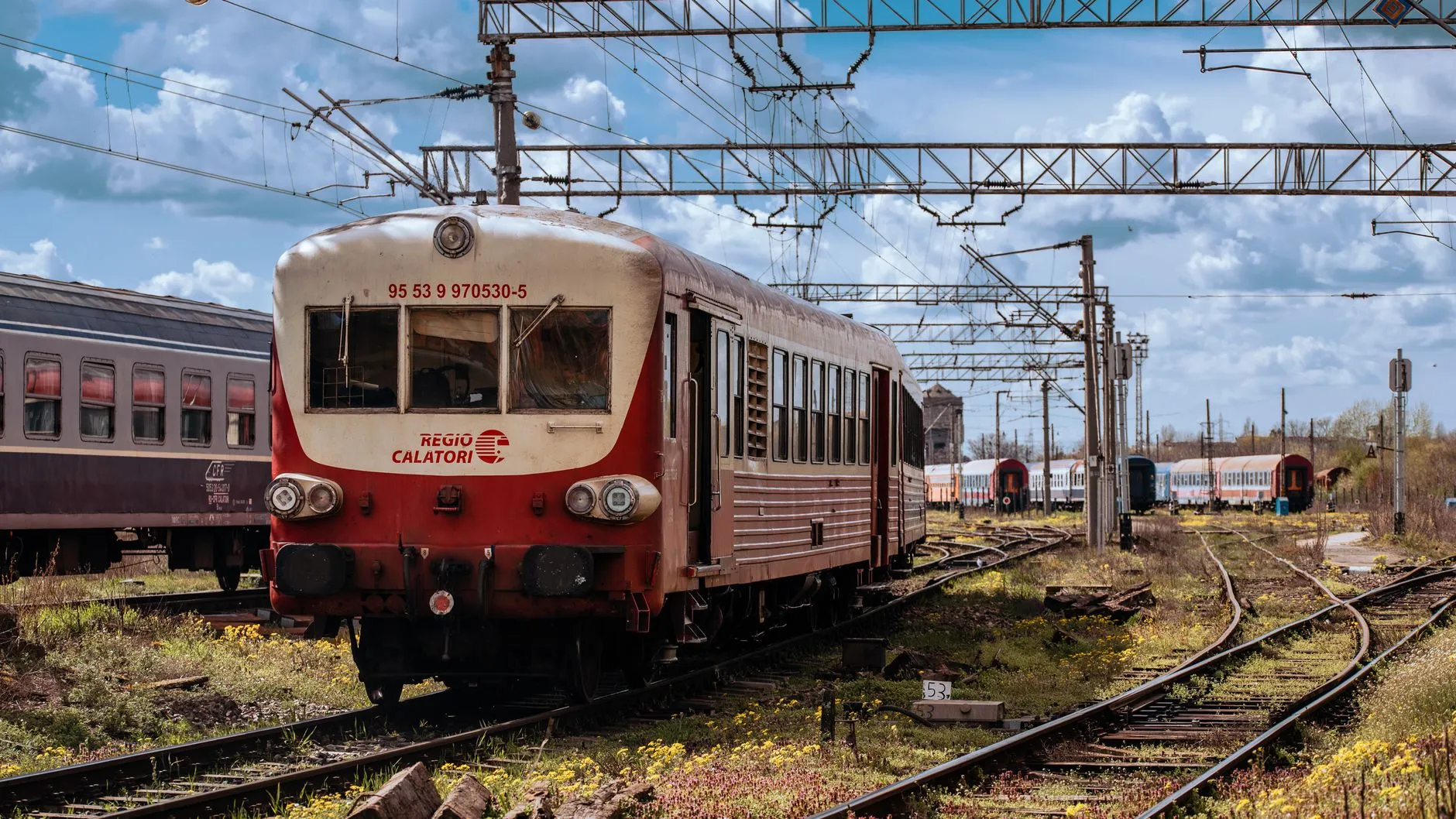
South Korea's rail network wastes clean energy from braking trains
Electric trains across South Korea generate significant amounts of electricity when they brake. However, a large portion of that power goes unmeasured and unused each year. The issue is not technological. Measurement systems exist. Instead, the problem lies in regulation and grid accounting rules that fail to recognize this electricity properly.
Recent reports reveal that approximately 115.5 gigawatt hours of regenerative braking power are wasted annually. That volume equals the yearly consumption of roughly 30,000 households. Meanwhile, South Korea's rail operations produced 1,185 gigawatt hours of regenerative power in 2024. Projections suggest output will reach 1,608 gigawatt hours by 2030.
The scale represents a missed opportunity for cost savings, emissions reductions, and grid efficiency. Moreover, the dispute now centers on whether the national railway operator can claim compensation for electricity that was never properly accounted for in billing settlements.
How regenerative braking produces electricity on rail networks
Regenerative power comes from the braking process itself. When electric trains slow down, their motors reverse function and act as generators. Consequently, they push electricity back into the overhead catenary system or the third rail.
Some of that power flows directly to nearby trains. Other portions feed into the wider grid. However, a significant share is lost because metering infrastructure does not capture it or billing systems do not account for it.
This is standard technology on modern rail networks. Electric trains in many countries return power during deceleration. Nevertheless, the benefit depends entirely on whether grid operators measure the flow and compensate suppliers accordingly.
KORAIL requests arbitration over unpaid regenerative electricity
KORAIL, South Korea's national railway operator, has filed for arbitration against KEPCO, the state utility company. The railway argues that KEPCO should install measurement equipment at grid connection points. Furthermore, KORAIL is requesting a refund for electricity charges it believes were overstated because regenerative power was excluded from billing calculations.
The filing marks an escalation in a long-running disagreement. Previously, discussions remained largely technical. Now the matter has moved into formal dispute resolution.
According to the railway operator, its trains return substantial volumes of electricity to the grid each year. However, KEPCO does not quantify or credit that power in settlements. As a result, KORAIL contends it has been overcharged for net electricity consumption.
Legal gap prevents measurement and compensation of rail-generated power
The core obstacle is regulatory rather than technical. KEPCO reportedly does not measure regenerative power because no legal definition exists for it within South Korea's electricity framework. Without a formal category in law, the utility has no obligation to meter or compensate this type of generation.
Measurement technology is available and widely used in other contexts. Nevertheless, deployment requires a legal basis that specifies what regenerative power is, who owns it, and how it should be valued in settlements.
This creates a paradox. The electricity is real and flows through the grid. Yet it remains invisible in accounting terms. Consequently, rail operators cannot claim credit, and the environmental benefit goes unrecognized in national emissions reporting.
The issue affects both cost recovery and climate policy. If regenerative power were defined and measured, it could reduce operating expenses for railways. Additionally, it would contribute to renewable energy targets and lower transport sector emissions.
Scale of wasted regenerative power in South Korea's rail system
The wasted portion amounts to approximately 115.5 gigawatt hours per year. That figure represents electricity generated but neither used efficiently nor compensated. In practical terms, it equals the annual consumption of around 30,000 households.
Total regenerative power production reached 1,185 gigawatt hours in 2024. That volume could serve approximately 290,000 households for a year. By 2030, output is forecast to climb to 1,608 gigawatt hours as rail traffic grows and more electric rolling stock enters service.
Earlier analysis estimated the carbon reduction potential at roughly 542,000 tonnes of CO₂ annually. That figure equates to the absorption capacity of about 58 million pine trees. These estimates assume full capture and utilization of regenerative power.
The numbers illustrate both the opportunity and the inefficiency. Rail networks already produce clean electricity at scale. However, structural barriers prevent its recognition and integration into the wider energy system.
Why measurement gaps matter for costs and climate goals
The inability to measure and settle regenerative power has several consequences. First, it inflates operating costs for railway operators. KORAIL pays for electricity drawn from the grid but receives no credit for power returned. Therefore, net consumption figures overstate actual usage.
Second, it undermines emissions accounting. Transport is a significant source of greenhouse gases. Rail electrification reduces those emissions compared to diesel traction. However, the climate benefit is greater when regenerative power offsets grid demand. If that offset goes unmeasured, national reporting underestimates the sector's contribution to decarbonization.
Third, it discourages investment in rail infrastructure. Operators cannot justify efficiency upgrades if savings remain unrecognized. For example, newer trains with better regenerative braking systems generate more electricity. Yet without compensation, there is no financial return on that improvement.
Finally, it reveals a broader challenge in clean energy policy. Infrastructure can deliver environmental benefits only when regulations allow those benefits to be captured and valued. Technology alone is insufficient. Market rules must evolve to reflect new sources of generation.
What the arbitration could change for rail operators and utilities
If arbitration favors KORAIL, KEPCO may be required to install metering equipment at key grid interfaces. This would create a baseline for measuring regenerative flows. Additionally, the utility might owe retrospective refunds for periods when regenerative power was not credited.
Such an outcome would establish a precedent. Other rail operators and transit authorities could seek similar arrangements. Consequently, regenerative power would shift from a technical curiosity to a recognized asset class within the electricity market.
Conversely, if arbitration supports KEPCO's position, the regulatory gap will persist. Railways would continue to generate electricity without compensation. Moreover, the incentive to improve regenerative braking efficiency would remain weak.
The case also has implications for future policy. Lawmakers may need to define regenerative power explicitly in energy legislation. That definition would clarify ownership, measurement standards, and settlement procedures. Furthermore, it would enable railways to participate in demand response programs and grid balancing markets.
KORAIL expands renewable projects on unused railway land
Meanwhile, KORAIL is pursuing additional renewable energy initiatives. On August 20, the operator announced plans to develop solar projects on idle railway land. The program targets 116.9 gigawatt hours of annual generation, enough to supply approximately 20,000 four-person households.
This effort reflects a broader strategy to monetize underused transport infrastructure. Railway corridors often include surplus land that is unsuitable for development but viable for solar panels. By leasing or developing these sites, operators can create new revenue streams.
The solar program complements regenerative power initiatives. Together, they position railways as distributed energy assets rather than passive consumers. However, success depends on regulatory frameworks that recognize and value decentralized generation.
Other transport authorities globally are pursuing similar models. Railways in Europe and Japan have installed solar canopies over stations and depots. Some have even integrated battery storage to smooth regenerative power output. These examples demonstrate that rail networks can contribute meaningfully to energy transitions.
Critical facts about South Korean rail regenerative power
- Approximately 115.5 gigawatt hours of regenerative electricity are wasted annually in South Korea's rail system due to measurement and regulatory gaps.
- Total regenerative power from rail operations reached 1,185 gigawatt hours in 2024 and is projected to rise to 1,608 gigawatt hours by 2030.
- KORAIL has filed for arbitration seeking refunds for overcharged electricity bills and requiring KEPCO to install measurement equipment.
- KEPCO does not currently quantify regenerative power because no legal definition exists for this type of electricity within South Korean law.
- The wasted portion represents the annual consumption of roughly 30,000 households, while total 2024 output could serve around 290,000 households.
- Carbon reduction potential from full utilization is estimated at approximately 542,000 tonnes of CO₂ per year, equivalent to planting 58 million pine trees.
- KORAIL announced separate solar projects on idle railway land targeting 116.9 gigawatt hours of annual generation, enough for about 20,000 households.
Implications for UK businesses with South Korean operations or supply chains
This dispute has limited direct impact on most UK companies. However, it illustrates a challenge that could arise in any market where infrastructure generates electricity. Businesses operating rail-dependent supply chains in South Korea should monitor the outcome. Changes to electricity pricing or carbon accounting could affect logistics costs.
More broadly, the case highlights the importance of regulatory alignment in clean energy transitions. Companies investing in regenerative technologies, whether in transport, industrial processes, or buildings, need clarity on ownership and compensation. Without it, the business case weakens.
UK firms with carbon reporting obligations under PPN 06/21 should also note the emissions accounting issue. If overseas operations include rail freight or logistics, regenerative power could reduce Scope 3 emissions. However, that reduction is only credible if local grids measure and attribute the electricity correctly.
For businesses exploring sustainable procurement strategies, the South Korean example underscores a key principle. Clean technology alone does not guarantee environmental or financial benefits. Market structures must allow those benefits to be recognized and monetized. Therefore, due diligence should include regulatory risk assessment, particularly in jurisdictions with evolving energy frameworks.
Finally, companies with transport or logistics assets in the UK may find parallels. Network Rail and train operating companies here also generate regenerative power. Understanding how that electricity is measured, settled, and valued can inform decisions about fleet upgrades, traction energy contracts, and compliance with ESG disclosure requirements.
Further reading on rail energy efficiency and carbon policy
For additional context on rail electrification and regenerative braking, the UK Department for Transport publishes research on traction energy and decarbonization pathways. The Network Rail website also provides technical information on electrification projects and energy management.
On carbon accounting and transport emissions, the Department for Energy Security and Net Zero offers guidance on Scope 3 reporting and supply chain decarbonization. The Institute of Environmental Management and Assessment provides professional standards for emissions measurement and verification.
For businesses seeking practical support with net zero compliance, carbon reporting, or sustainable procurement, SBS offers tailored advisory services designed for UK SMEs navigating these requirements.