
Marina Petroleum and Oasis Petroleum Report Sustainability Progress
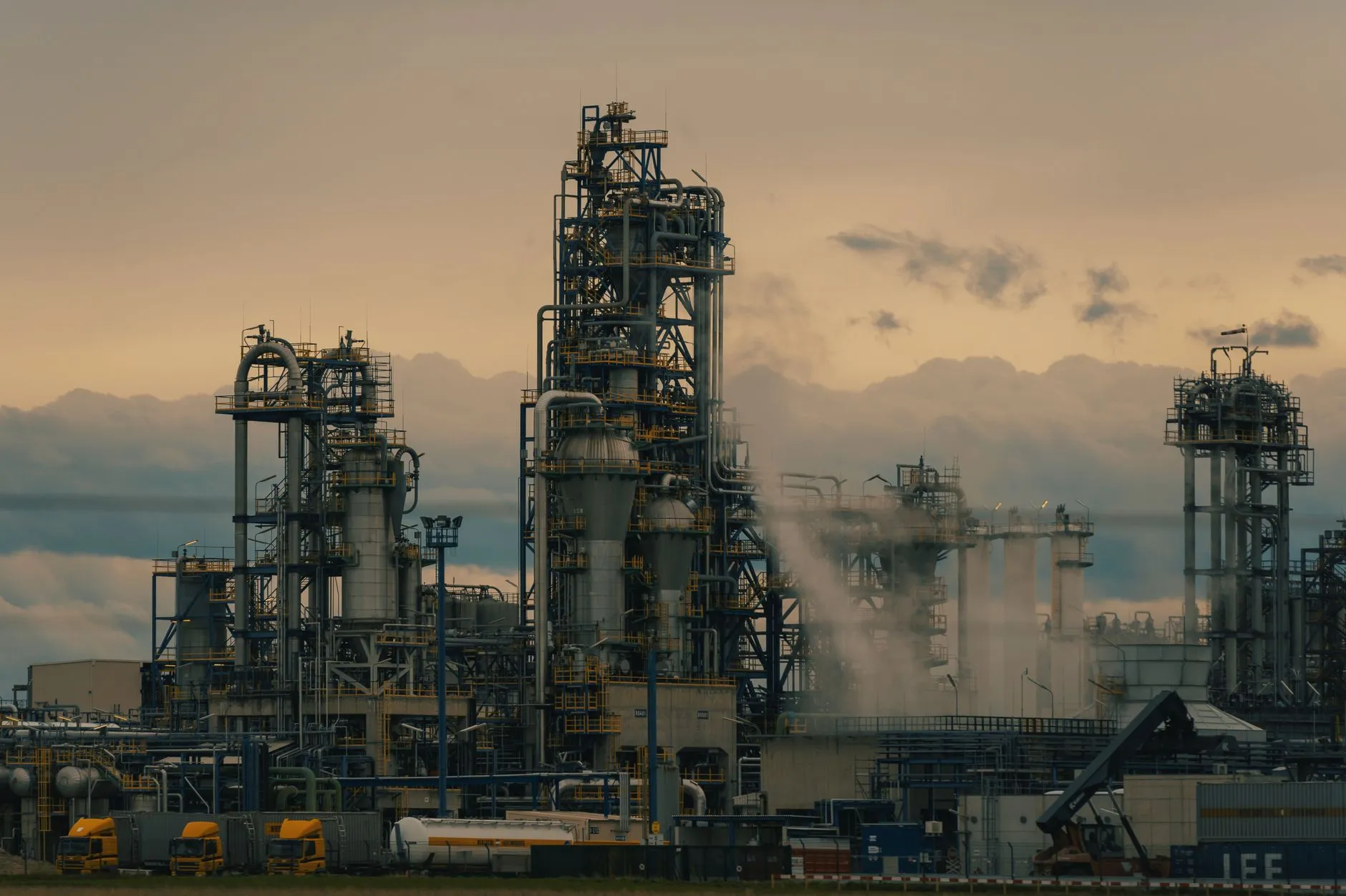
Egyptian oil producers report emissions cuts alongside production spending
Marina Petroleum and Oasis Petroleum Company have approved their financial results for 2025/26. The numbers show continued operational spending and drilling activity combined with measurable environmental progress. Oasis Petroleum Company reported a 25% year-on-year reduction in carbon dioxide emissions and cut annual carbon emissions by 370 metric tons. The company also confirmed its solar power project is now 70% complete.
These results were approved at a general assembly meeting held at the headquarters of the Egyptian General Petroleum Corporation. The setting reflects the state-linked structure of Egypt's petroleum sector. Consequently, company performance is assessed through multiple lenses: production output, cost management, safety records, and environmental metrics.
Egypt's petroleum industry faces competing pressures. Operators must maintain production levels while managing costs and advancing energy transition measures. For UK businesses working with Egyptian suppliers or considering investment in the region, understanding how these companies balance operational priorities with emissions reduction offers useful context.
Marina Petroleum maintains investment in production capacity
Marina Petroleum spent $9.8 million on operations during the fiscal year. The company drilled one new well and stated it was advancing plans to increase production and reserves. However, the available reporting does not include specific production rates or reserve volume increases.
The operational spending and drilling activity suggest the company continues to invest in maintaining and expanding its production base. For businesses assessing supplier stability or regional energy security, this level of capital deployment indicates ongoing commitment to production capacity rather than asset rundown.
Marina Petroleum operates as an oil exploration and production company within Egypt's petroleum sector. The company's results were reviewed alongside those of Oasis Petroleum Company at the same general assembly meeting. This joint review process reflects the coordinated oversight structure common in Egypt's state-linked energy sector.
Oasis Petroleum Company combines output stability with emissions reduction
Oasis Petroleum Company maintained an average daily production rate of 470 barrels of crude oil during FY 2025/26. The company spent $6.6 million on operations during the same period. These figures indicate steady production activity supported by moderate operational investment.
The company's environmental performance stands out. Oasis cut carbon dioxide emissions by 25% compared to the previous year. In addition, it reduced annual carbon emissions by 370 metric tons. These reductions appear to be linked to the company's solar power project, which reached 70% completion during the fiscal year.
The solar project represents infrastructure investment rather than reporting adjustments alone. For businesses evaluating supplier environmental claims, this distinction matters. Physical infrastructure projects provide verifiable evidence of emissions reduction efforts, whereas some companies rely primarily on offsetting or accounting changes.
Oasis also reported 560,000 safe working hours without injuries during the year. The company provided 190 hours of employee training. These figures suggest attention to operational discipline and workforce development, both of which are important in high-risk industrial operations.
Emissions management becomes a measured component of upstream operations
The 25% reduction in carbon dioxide emissions at Oasis Petroleum Company is significant. It demonstrates that emissions management is becoming a quantifiable part of operational performance in Egypt's upstream petroleum sector. This shift reflects broader industry trends as oil and gas producers seek to maintain production while improving environmental metrics.
The solar power project, now 70% complete, indicates capital is being allocated to renewable energy integration at production sites. This approach allows companies to reduce emissions from their own operations rather than relying solely on purchased offsets or third-party credits. For UK businesses assessing supplier emissions performance, understanding whether reductions come from operational changes or accounting methods is essential.
Egypt's petroleum industry operates under increasing pressure to balance production output with environmental performance. State energy planners, regulators, and investors now expect companies to report on emissions alongside traditional operational metrics. This integrated reporting approach mirrors trends in other oil-producing regions where environmental performance affects regulatory approval and access to capital.
Safety and training metrics indicate operational discipline
Oasis Petroleum Company's record of 560,000 injury-free working hours demonstrates sustained attention to workplace safety. In high-risk industries such as oil and gas production, safety records serve as a proxy for operational discipline and management capability. Companies that maintain strong safety performance typically demonstrate better overall operational control.
The company provided 190 hours of employee training during the fiscal year. While this figure is modest, it indicates investment in workforce capability. For businesses evaluating operational partners, training hours and safety records offer insight into management priorities and operational culture beyond financial metrics alone.
Safety performance matters to UK businesses for several reasons. First, companies with poor safety records face higher operational risks, including production interruptions and regulatory penalties. Second, many UK businesses must assess supplier safety performance as part of due diligence requirements. Third, safety culture often correlates with other operational competencies such as environmental management and quality control.
Essential facts from the FY 2025/26 results
- Marina Petroleum spent $9.8 million on operations and drilled one new well during the fiscal year.
- Oasis Petroleum Company maintained average daily production of 470 barrels of crude oil throughout FY 2025/26.
- Oasis reduced carbon dioxide emissions by 25% year-on-year and cut annual carbon emissions by 370 metric tons.
- The solar power project at Oasis reached 70% completion, representing physical infrastructure investment in emissions reduction.
- Oasis recorded 560,000 safe working hours without injuries and provided 190 hours of employee training.
- Both companies presented results at a general assembly meeting held at Egyptian General Petroleum Corporation headquarters.
UK business implications from Egyptian petroleum sector developments
These results matter to UK businesses in several specific contexts. Companies with Egyptian suppliers in energy-intensive sectors should monitor how upstream petroleum operators balance production stability with emissions reduction. The 25% emissions cut at Oasis demonstrates that measurable environmental progress is possible even in mature oil production operations. This sets a precedent for supplier performance expectations.
UK manufacturers sourcing from Egypt or operating in the region need to understand local energy reliability. Marina Petroleum's continued investment in production capacity and Oasis's stable output suggest near-term production continuity. However, the emphasis on solar integration and emissions reduction also signals a sector in transition. Businesses planning long-term investments should factor in Egypt's evolving energy mix and regulatory environment.
For UK businesses reporting their own Scope 3 emissions, understanding supplier environmental performance becomes increasingly important. The integration of emissions metrics into standard operational reporting in Egypt's petroleum sector reflects a global trend. Companies can expect suppliers across various industries to face similar pressures to quantify and reduce emissions. Early engagement with suppliers on emissions data and reduction plans will become a competitive advantage.
UK businesses tendering for public sector contracts face specific requirements under Procurement Policy Note 06/21. These rules require suppliers to demonstrate carbon reduction plans and report emissions. Understanding how companies in other sectors, including oil and gas, integrate emissions management into operations provides useful benchmarks. The approach taken by Oasis Petroleum Company shows that even carbon-intensive industries can achieve measurable emissions reductions through infrastructure investment and operational changes.
Our compliance support for carbon reporting helps UK businesses meet regulatory requirements and prepare for supplier engagement on emissions data. The Egyptian petroleum sector's integration of emissions metrics into core performance reporting reflects wider industry shifts that UK businesses must navigate.
State oversight and sector coordination in Egyptian energy
The approval of financial results at Egyptian General Petroleum Corporation headquarters reveals the state-linked structure of Egypt's petroleum sector. This coordination model differs from fully private markets but offers certain predictability around regulatory expectations and performance standards. For UK businesses operating in or sourcing from Egypt, understanding this structure helps clarify how decisions are made and what performance metrics matter most to local operators.
State involvement in Egypt's energy sector means that company performance is assessed against national energy policy objectives. These include production targets, cost control, employment creation, and increasingly, environmental performance. The joint review of Marina Petroleum and Oasis Petroleum Company results at a single meeting reflects this coordinated oversight approach.
UK businesses should note that state-linked oversight can affect supplier behaviour and priorities. Companies operating in Egypt's petroleum sector must balance commercial objectives with state energy policy goals. This can create both opportunities and constraints. On one hand, state support can provide stability and investment backing. On the other hand, companies may face competing priorities that affect operational flexibility.
Solar integration in upstream petroleum operations
The solar power project at Oasis Petroleum Company, now 70% complete, represents a specific approach to emissions reduction in oil production. Solar installations at production sites can power operational equipment, reducing reliance on diesel generators or grid electricity. This direct integration of renewable energy into fossil fuel production operations is becoming more common globally as companies seek to reduce operational emissions.
For UK businesses, this trend matters in two ways. First, it demonstrates that emissions reduction in carbon-intensive industries often requires capital investment in new infrastructure rather than simple operational changes. Second, it shows that even mature oil production operations can integrate renewable energy, suggesting similar opportunities exist across other industrial sectors.
The 70% completion figure indicates the project is nearing operational status. Once complete, the solar installation should contribute to further emissions reductions beyond the 25% already achieved. This phased approach to emissions reduction allows companies to demonstrate progress while continuing to invest in full project completion. UK businesses planning their own emissions reduction strategies can consider similar phased investment approaches that show measurable progress while building towards larger targets.
Where to find additional information
The original reporting on these financial results comes from Egypt Oil & Gas, which provides regular coverage of Egypt's petroleum sector developments. UK businesses seeking information on Egypt's energy policy should consult the UK Department for Business and Trade's Egypt office, which provides market intelligence and trade support.
Information on carbon reporting requirements for UK businesses is available through our net-zero program for carbon reporting compliance. This includes guidance on Scope 3 emissions reporting and supplier engagement strategies.
UK businesses operating in Egypt or considering investment in the region should review the Foreign, Commonwealth & Development Office guidance on Egypt, which covers commercial, political, and regulatory risks. The Egyptian General Petroleum Corporation provides information on the structure and operations of the country's petroleum sector, though most materials are in Arabic.