
Methane abatement and carbon removal strategies for UK businesses
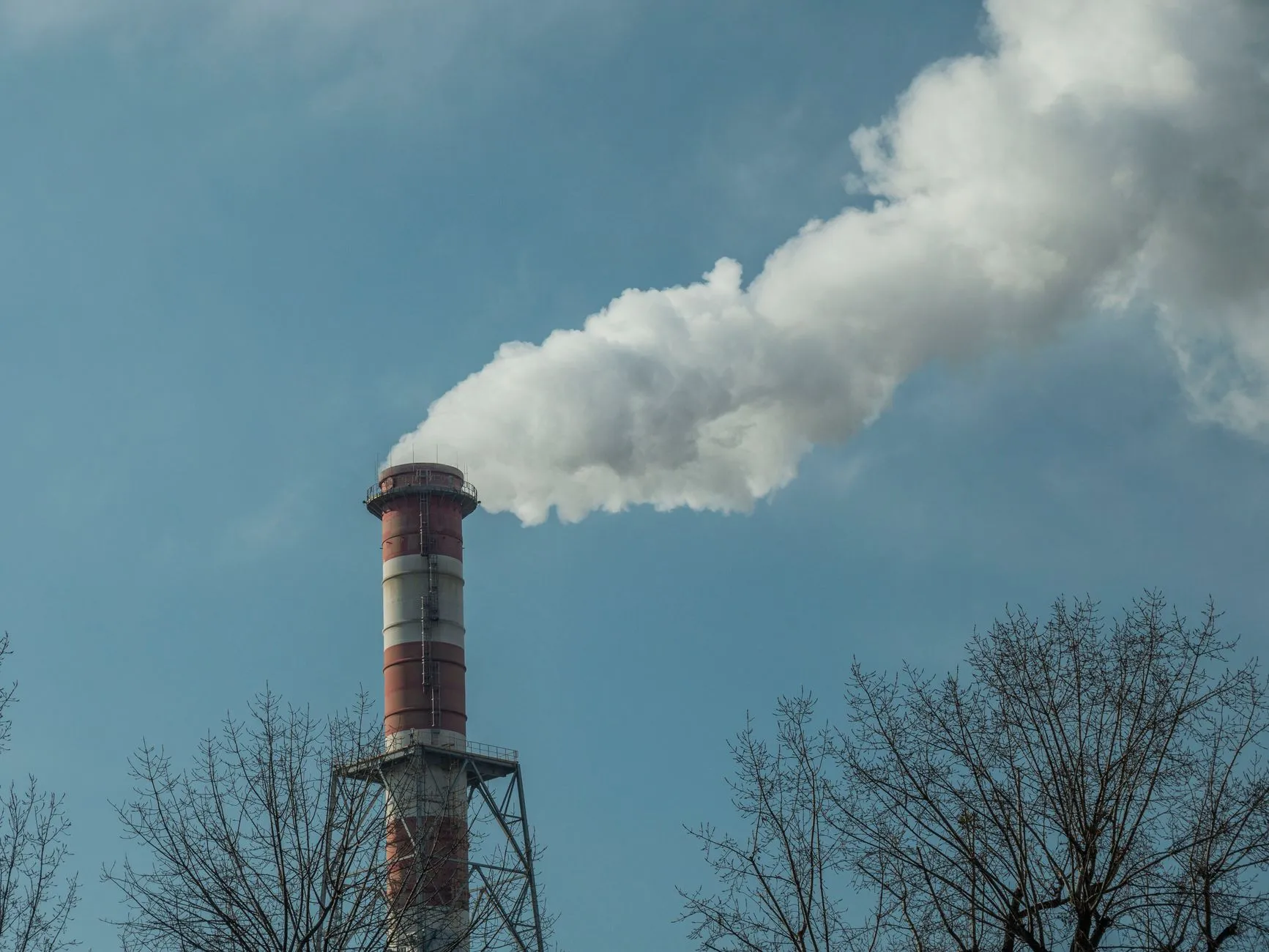
Corporate climate strategies built on a single timetable may be missing half the picture. Methane and carbon dioxide drive global warming on fundamentally different schedules, yet many net-zero plans treat them as interchangeable. Consequently, businesses risk overlooking near-term warming they could prevent while banking on future carbon removal to fix problems decades down the line.
This mismatch matters because methane disappears from the atmosphere in roughly a decade, while CO2 lingers for centuries. For UK SMEs working through supply chain emissions or preparing carbon reduction plans, understanding this difference can reshape priorities. It also affects how you allocate resources between immediate methane cuts and longer-term removal projects.
The emerging framework splits climate action into two parallel tracks. One addresses methane to slow warming quickly. The other tackles CO2 accumulation that drives temperature rise over the long run. Both are necessary, but they operate on separate clocks and demand different responses.
Why methane and CO2 need separate treatment
Methane stays in the atmosphere for nine to twelve years. During that time, it traps heat more than 80 times more effectively than carbon dioxide over a 20-year period. This makes it a powerful lever for near-term temperature control. If you cut methane emissions today, you see atmospheric and climate benefits within years, not centuries.
Carbon dioxide behaves differently. Once released, it persists for hundreds of years. Its warming effect accumulates over time, which means CO2 emissions from decades ago still contribute to today's temperature. Therefore, addressing CO2 requires both stopping new emissions and removing what has already built up in the atmosphere.
Many corporate net-zero plans measure everything in CO2 equivalents and set a single target year. However, this approach can obscure the need to manage short-lived and long-lived gases on different schedules. A company might meet its 2040 target on paper while allowing methane emissions to continue unchecked through the 2030s, locking in avoidable warming during a critical decade.
The National Academies has highlighted that deep cuts in greenhouse gases by 2030 and 2040, particularly methane reductions, are essential for limiting peak warming. Early methane action also reduces the scale of carbon removal required later. Delaying those cuts increases dependence on technologies that may not be available at the scale needed.
How recent thinking separates the two tracks
Recent work linked to updates of the Science Based Targets initiative Corporate Net-Zero Standard has clarified how companies should handle residual emissions. One proposal under discussion suggests residual methane could be neutralised with temporary carbon removal, reflecting its short atmospheric life. Meanwhile, residual CO2 would require durable removal because it persists far longer.
This distinction aligns with a broader scientific consensus. A 2021 study published in Environmental Research Letters recommended that companies and countries adopt separate interim milestones for short-lived gases such as methane and long-lived gases such as CO2. The study argued that early action on both produces better climate outcomes across all time horizons.
The "two clocks" framing captures this logic. Methane abatement works on the near-term clock, delivering benefits within a decade or two. Carbon removal works on the long-term clock, addressing cumulative CO2 that will otherwise warm the planet for centuries. Managing both clocks together gives you a more complete picture of your climate impact.
For businesses, this means rethinking where investment delivers the fastest return. Methane cuts in supply chains such as oil and gas, waste management, and agriculture can slow warming now. Carbon removal remains necessary for emissions you cannot eliminate, but it should not substitute for reductions you can make today.
What this means for UK businesses managing emissions
If your business reports Scope 3 emissions, methane is likely present somewhere in your supply chain. Oil and gas extraction, livestock farming, landfill waste, and wastewater treatment all release significant methane. Identifying and reducing these sources can deliver measurable climate benefits faster than waiting for offsetting or removal credits years later.
For manufacturers, methane can appear in energy supply, raw material production, or waste disposal. A switch from natural gas to electrified heating might cut both CO2 and methane leakage from gas infrastructure. Similarly, working with suppliers to address methane emissions in their operations can reduce your overall footprint more quickly than end-of-pipe carbon removal.
Public sector suppliers face additional scrutiny. Procurement Policy Note 06/21 requires carbon reduction plans that demonstrate how you will reach net zero. Separating methane and CO2 in your plan shows you understand the science and are taking the most effective actions at the right time. It also positions you to respond to future procurement guidance that may demand faster near-term cuts.
Cost control is another factor. Methane reductions often cost less than carbon removal. Fixing leaks, improving waste management, or adjusting agricultural practices can deliver savings alongside emissions cuts. In contrast, purchasing durable carbon removal credits typically adds expense without operational benefit. Prioritising methane now can reduce both your climate impact and your future removal bill.
Supply chain transparency also improves when you track methane separately. Asking suppliers about methane-intensive processes encourages them to measure and manage those emissions. Over time, this builds a more accurate picture of your total footprint and helps you identify high-impact reduction opportunities that a CO2-only view would miss.
Finally, investor and customer expectations are shifting. Stakeholders increasingly recognise that net-zero commitments must address near-term warming, not just long-term carbon balance. Demonstrating early methane action alongside CO2 reduction strengthens your credibility and shows you are managing climate risk across both timescales.
Core facts for climate planning
- Methane remains in the atmosphere for approximately nine to twelve years, while CO2 persists for centuries.
- Over a 20-year period, methane traps more than 80 times as much heat as carbon dioxide.
- The National Academies states that rapid methane reductions this decade are critical to limiting peak warming and reducing reliance on later carbon removal.
- A 2021 study in Environmental Research Letters recommends separate interim milestones for short-lived and long-lived greenhouse gases.
- Recent Science Based Targets initiative discussions suggest residual methane may be neutralised with temporary carbon removal, while residual CO2 requires durable removal.
- Early methane cuts deliver climate benefits within years, whereas CO2 removal addresses warming that unfolds over centuries.
- Methane sources in business supply chains include oil and gas, livestock, waste, and wastewater treatment.
How to integrate both tracks into your strategy
Start by identifying where methane appears in your operations and supply chain. Energy suppliers, waste contractors, and agricultural producers are common sources. Request emissions data that separates methane from CO2 so you can target reductions effectively. Our sustainable procurement support can help you engage suppliers on methane-specific reporting and reduction commitments.
Set separate targets for methane and CO2 with different timelines. A methane reduction goal for 2030 reflects its short atmospheric life and the urgency of near-term action. A CO2 target for 2040 or 2050, combined with a carbon removal plan, addresses the longer accumulation problem. This dual approach aligns your strategy with the science and demonstrates to stakeholders that you understand the different roles each gas plays.
Prioritise operational methane cuts before purchasing offsets or removal credits. Fixing leaks, upgrading equipment, or switching suppliers delivers permanent reductions and often saves money. Offsets and removals should cover residual emissions you cannot eliminate, not substitute for reductions you can achieve now. This sequencing improves both cost efficiency and climate outcomes.
Review your carbon reduction plan if you supply the public sector. Ensure it addresses both near-term methane cuts and long-term CO2 removal. Government buyers are paying closer attention to the credibility of net-zero claims, and a plan that treats all emissions identically may not meet evolving procurement standards. Our ESG compliance and carbon reporting services can help you structure a plan that reflects the two-track approach.
Consider training for your team on the differences between short-lived and long-lived gases. Understanding why methane and CO2 require different strategies helps staff make better decisions on supplier selection, process improvements, and investment priorities. The SBS Academy offers training on Scope 3 emissions and carbon reduction planning that covers these distinctions in practical terms.
Track your progress separately for each gas. Reporting methane and CO2 reductions on their own schedules gives you clearer insight into where your efforts are working. It also makes it easier to communicate progress to customers, investors, and procurement teams who increasingly expect to see near-term action, not just distant net-zero commitments.
Finally, stay alert to changes in standards and guidance. The Science Based Targets initiative, the UK government, and industry bodies are all refining how they assess net-zero claims. A strategy built around two separate but linked tracks positions you to adapt as expectations evolve, rather than scrambling to retrofit your plan when new rules arrive.
Where to find authoritative guidance
The National Academies report on accelerating decarbonisation provides detailed analysis of why rapid methane reductions are essential to limit peak warming. It explains the science behind different warming timelines and offers recommendations for policymakers and businesses.
The UK Methane Memorandum, published by the Department for Energy Security and Net Zero, sets out the government's approach to methane emissions across sectors. It includes data on UK methane sources and outlines policy measures to drive reductions.
The Science Based Targets initiative publishes guidance on corporate net-zero standard development. While formal updates are still under consultation, the SBTi net-zero resources explain current thinking on residual emissions, carbon removal, and the treatment of different greenhouse gases.
For a broader scientific perspective, the Environmental Research Letters study on separate milestones for short-lived and long-lived gases offers peer-reviewed analysis of why a two-basket approach improves climate outcomes. It is technical but accessible to readers with a basic understanding of emissions accounting.
The Procurement Policy Note 06/21 remains the key reference for public sector suppliers. Although it does not explicitly separate methane and CO2, understanding the two-clock framework helps you build a reduction plan that demonstrates credible near-term and long-term action.