
Nature as Critical Infrastructure for Sustainable Mining
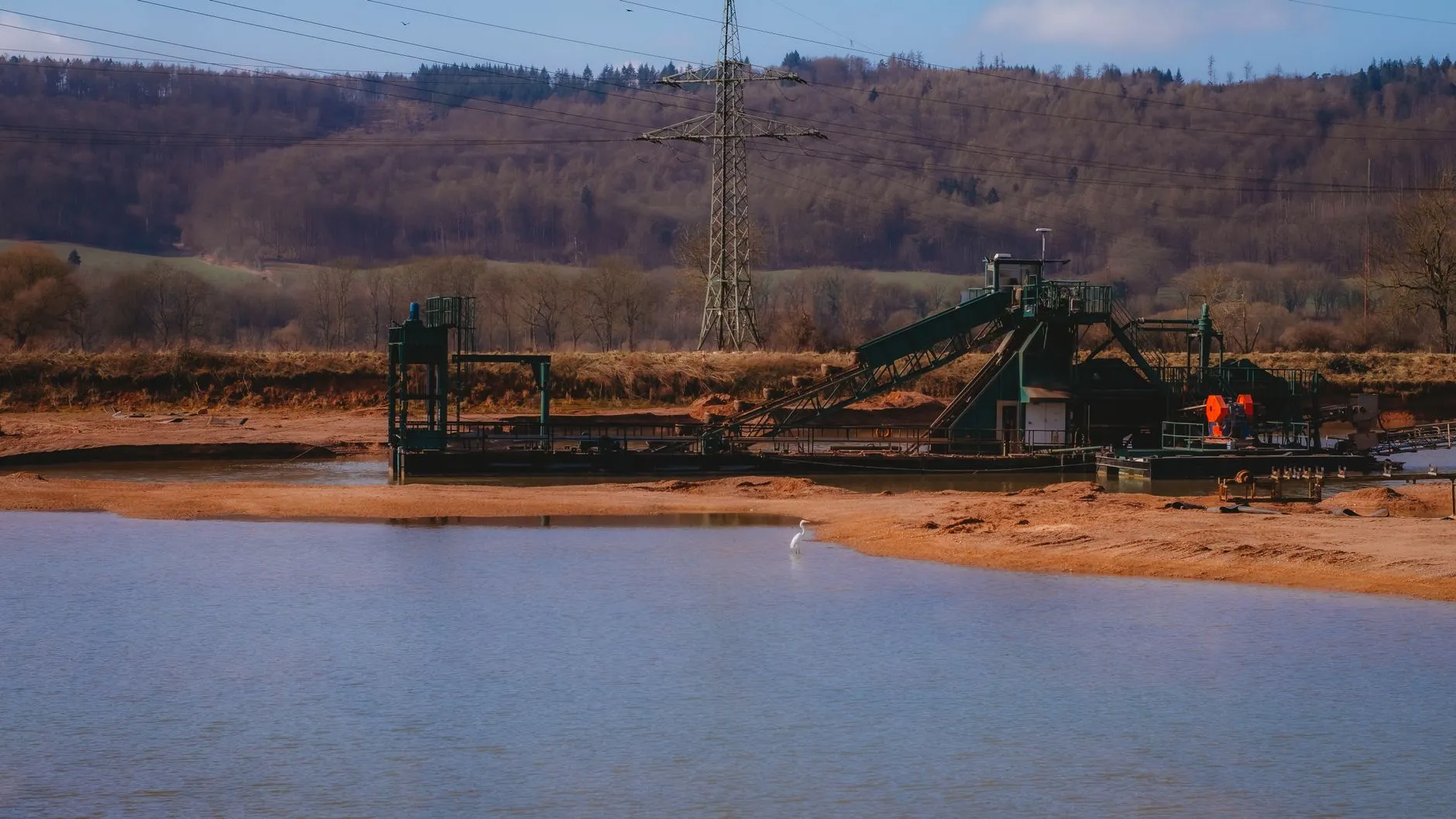
Mining companies and governments are being urged to rethink how they value ecosystems. Instead of treating nature as an afterthought, researchers argue it should sit alongside roads, power lines, and water treatment plants as essential infrastructure. This perspective emerged from a high-profile session at the United Nations Convention to Combat Desertification conference in Mongolia, where Stanford academics presented findings from research into water risks across the country's mining sector.
The intervention comes as demand for critical minerals accelerates. Renewable energy supply chains need vast quantities of lithium, cobalt, and rare earths. Many deposits sit in water-scarce regions where pastoral communities, agriculture, and fragile ecosystems already compete for limited resources. For UK businesses involved in these supply chains, the argument has practical implications. Investors, development banks, and procurement teams are starting to ask harder questions about water security, land degradation, and social risk before capital is committed.
Mongolia offers a stark example of the challenge. The country holds significant mineral reserves, yet much of its land is arid or semi-arid. Rural livelihoods depend on pastoral farming and seasonal water availability. Mining expansion brings jobs and revenue, but it also increases pressure on aquifers, grazing land, and river systems. Consequently, the Stanford team's research proposes a shift in how water and ecosystems are accounted for in mine planning, permitting, and investment appraisal.
The core argument is straightforward. Healthy watersheds, functioning wetlands, and intact soils regulate water flow, filter contaminants, and support local food production. These ecosystem services underpin a mine's long-term viability. If groundwater is depleted or surface water contaminated, operations face higher costs, community opposition, and regulatory intervention. Therefore, protecting the natural systems that supply water should be treated as a capital investment, not a compliance cost.
Research presented at COP17 in Ulaanbaatar
On 25 August 2026, Stanford convened a panel titled "Water Security in Mining Regions" as part of the Trans-Altai Sustainability Dialogue at the UN desertification conference. The session brought together international experts, policymakers, development banks, and other stakeholders to discuss how natural capital approaches could be embedded in mining policy and project finance. Meanwhile, on 17 September 2026, Stanford's Natural Capital Alliance issued a formal news release announcing the launch of a policymaker summary based on its Mongolia research.
The forthcoming full report, titled "Assessing Water-Related Risks for Mining Investment Decisions in Mongolia: A Natural Capital Approach," identifies water-related risks across existing and planned mining projects. It assesses how those risks may evolve under future development scenarios and examines policy, governance, and social challenges affecting water management and land resilience in mining regions. Moreover, the research highlights how mining pressures can affect local agriculture, pastoral livelihoods, and food security.
Mengye Zhu, senior scientist at Stanford NatCap and lead author of the report, said: "There has to be a narrative shift within these industries." She added that nature's services should be thought of as infrastructure and as the foundation of investment decisions. According to the Stanford release, this approach benefits business continuity rather than simply imposing costs.
The research proposes that companies and governments use natural capital risk screening earlier in mine planning, permitting, and investment decisions. This method can inform water-efficient technologies, better siting decisions, and compensation mechanisms for local communities. Furthermore, it positions water-source protection and ecosystem restoration as infrastructure investments necessary for sustainable mining.
Implications for UK businesses and supply chains
UK manufacturers, construction firms, and clean-tech companies often source materials from mining regions where water scarcity is becoming acute. As a result, supply chain due diligence is moving beyond labour standards and carbon emissions to include water stress, land use, and ecosystem degradation. Procurement teams need to understand where materials originate, how extraction affects local water availability, and whether suppliers are managing environmental risks effectively.
Public sector buyers face additional scrutiny. Central government procurement policy already requires suppliers to demonstrate net-zero alignment and environmental responsibility. Consequently, contracts for electric vehicle components, battery storage, and renewable energy infrastructure may increasingly require evidence that mineral supply chains respect water security and ecosystem health. This trend is likely to intensify as procurement rules evolve and environmental, social, and governance reporting becomes mandatory for larger businesses.
Private sector investors are also applying stricter environmental screens. Development banks and institutional lenders now routinely assess water risk when financing mining projects. If a mine threatens local water supplies or degrades critical ecosystems, the project may struggle to secure funding or face higher borrowing costs. For businesses with exposure to these supply chains, understanding how upstream suppliers manage water and land risk is becoming a material financial concern.
The Stanford research suggests that early-stage risk screening can reduce long-term costs. Identifying water stress before permitting begins allows companies to adjust mine design, invest in water recycling, or choose alternative sites. Similarly, restoring degraded ecosystems around mine sites can stabilise water flow, reduce erosion, and build community support. These measures require upfront investment, but they can avoid costly disputes, regulatory penalties, and operational shutdowns later.
For UK SMEs, the immediate relevance lies in tender requirements and supplier questionnaires. Larger clients and public sector bodies are asking more detailed questions about supply chain sustainability. Businesses that cannot demonstrate due diligence on water, land, and biodiversity may find themselves excluded from contracts or facing additional reporting burdens. Therefore, understanding how ecosystem services underpin material supply chains is no longer a niche concern for environmental specialists.
Water scarcity, mining expansion, and the energy transition
Global demand for critical minerals is rising sharply. Electric vehicles, solar panels, wind turbines, and battery storage all require lithium, cobalt, nickel, copper, and rare earth elements. Many of these materials are found in water-scarce regions, including parts of Mongolia, Chile, Australia, and southern Africa. As mining expands, competition for water between industrial users, farmers, and communities intensifies.
Mongolia's geography makes the issue particularly acute. Much of the country experiences low rainfall, high evaporation, and seasonal water availability. Pastoral herders rely on natural springs, wells, and river systems for livestock watering and household use. Mining operations draw from the same aquifers and watersheds. When groundwater levels drop or surface water quality deteriorates, the consequences ripple through local food systems and rural economies.
The Stanford research emphasises that mining pressures do not only affect water quantity. They also influence water quality, soil health, vegetation cover, and the capacity of landscapes to recover from drought. Consequently, ecosystem degradation can reduce the resilience of entire regions to climate shocks. This creates long-term risks for businesses that depend on stable operating conditions and predictable resource availability.
The argument for treating nature as infrastructure rests on this interdependence. Roads, power grids, and water treatment plants are recognised as essential assets that require maintenance and investment. Ecosystems that regulate water flow, filter pollutants, and support local livelihoods perform similar functions. However, they are often excluded from capital budgets and risk assessments. The Stanford team contends that this omission leads to underinvestment in natural systems and, ultimately, higher costs when those systems fail.
For businesses sourcing materials from mining regions, this analysis has practical implications. Supply chain resilience depends not only on mine productivity and transport logistics but also on the health of the surrounding landscape. If ecosystems degrade, mines face higher water costs, community opposition, and regulatory intervention. Therefore, understanding how suppliers manage water and land risk becomes a strategic priority.
Policy, governance, and the role of development finance
The Stanford panel at COP17 included development banks, policymakers, and project finance specialists. This signals growing interest in using natural capital frameworks to guide public and private investment decisions. Development banks already apply environmental and social safeguards to mining projects, but these typically focus on pollution control and community consultation. The Stanford approach goes further, arguing that ecosystem protection should be integrated into project design and financial appraisal from the outset.
Several development banks have begun experimenting with natural capital accounting. This involves quantifying the value of ecosystem services, such as water regulation, soil retention, and carbon sequestration, and incorporating those values into cost-benefit analysis. For mining projects, this might mean calculating the cost of replacing groundwater if aquifers are depleted, or the cost of importing water if local sources are contaminated. These calculations can influence siting decisions, technology choices, and the scale of operations.
Governments are also exploring how to incorporate ecosystem services into mining permits and environmental impact assessments. In some jurisdictions, permits now require companies to demonstrate how they will protect or restore critical habitats, maintain water quality, and compensate communities for ecosystem losses. These requirements are becoming more common as the links between mining, water security, and climate resilience become clearer.
For UK businesses, the trend matters because it affects the availability and cost of materials. If stricter environmental standards raise the cost of mining or limit the number of viable sites, supply chains may face price volatility and sourcing challenges. Conversely, businesses that engage early with suppliers on water and ecosystem risk may be better positioned to secure stable, lower-risk material supplies.
Core findings from the Mongolia research
- Mining expansion for renewable energy supply chains will increasingly intensify competition between companies and local communities for water resources, particularly in arid and semi-arid regions.
- Water-source protection and ecosystem restoration can be treated as infrastructure investments that support sustainable mining operations, rather than discretionary environmental expenditure.
- Natural capital risk screening applied earlier in mine planning, permitting, and investment decisions can reduce water stress, improve site selection, and inform compensation mechanisms for affected communities.
- Mining pressures can affect local agriculture, pastoral livelihoods, and food security in regions where rural economies depend on fragile landscapes and seasonal water availability.
- Healthy ecosystems that regulate water flow, filter contaminants, and support local food production underpin a mine's long-term viability and should be accounted for in capital budgets and risk assessments.
Practical steps for businesses managing supply chain risk
UK businesses that source materials from mining regions should consider how water and ecosystem risks affect their supply chains. This involves understanding where materials originate, how extraction affects local water availability, and whether suppliers are managing environmental risks effectively. In addition, companies should review supplier questionnaires and tender documents to ensure they capture relevant information about water stress, land use, and ecosystem degradation.
For businesses exposed to public sector procurement, demonstrating due diligence on environmental and social risks is increasingly necessary. Central government contracts often require evidence of net-zero alignment and environmental responsibility. As procurement rules evolve, contracts for clean tech, electric vehicle components, and renewable energy infrastructure may require detailed information about mineral supply chains, including water security and ecosystem health.
Private sector investors should also assess how suppliers manage water and land risk. Development banks and institutional lenders routinely evaluate water stress when financing mining projects. If a mine threatens local water supplies or degrades critical ecosystems, the project may struggle to secure funding or face higher borrowing costs. Consequently, businesses with exposure to these supply chains should understand how upstream suppliers are addressing water and land risk.
Early-stage risk screening can reduce long-term costs. Identifying water stress before permitting begins allows companies to adjust mine design, invest in water recycling, or choose alternative sites. Similarly, restoring degraded ecosystems around mine sites can stabilise water flow, reduce erosion, and build community support. These measures require upfront investment, but they can avoid costly disputes, regulatory penalties, and operational shutdowns later.
Engaging with sustainable procurement support can help businesses identify and mitigate supply chain risks related to water, land, and biodiversity. This includes reviewing supplier environmental performance, understanding the geographic and regulatory context of sourcing decisions, and integrating natural capital considerations into procurement policies.
For businesses preparing for mandatory environmental reporting, understanding how ecosystem services underpin supply chains is becoming essential. Larger companies will soon be required to disclose Scope 3 emissions and broader environmental impacts, including water use and land degradation. Our ESG compliance and carbon reporting services can help businesses navigate these requirements and build reporting systems that capture upstream environmental risks.
Authoritative sources and further reading
For detailed guidance on water security, mining governance, and natural capital frameworks, the following resources provide authoritative information. The Department for Energy Security and Net Zero publishes policy updates on critical minerals, supply chain resilience, and the UK's approach to responsible sourcing. The Environment Agency offers guidance on water resource management, environmental permitting, and ecosystem protection relevant to UK businesses with overseas supply chains.
The Institute of Environmental Management and Assessment provides professional standards and technical resources on environmental due diligence, natural capital accounting, and supply chain sustainability. The Chartered Institute of Procurement and Supply publishes best-practice guidance on sustainable procurement, supplier risk assessment, and responsible sourcing for public and private sector buyers.
For businesses seeking to understand how ecosystem services and water security affect mineral supply chains, these resources offer practical frameworks and policy context. They can inform procurement decisions, supplier engagement, and environmental reporting.