
Norfolk Southern's RailGreen Programme Cuts Emissions
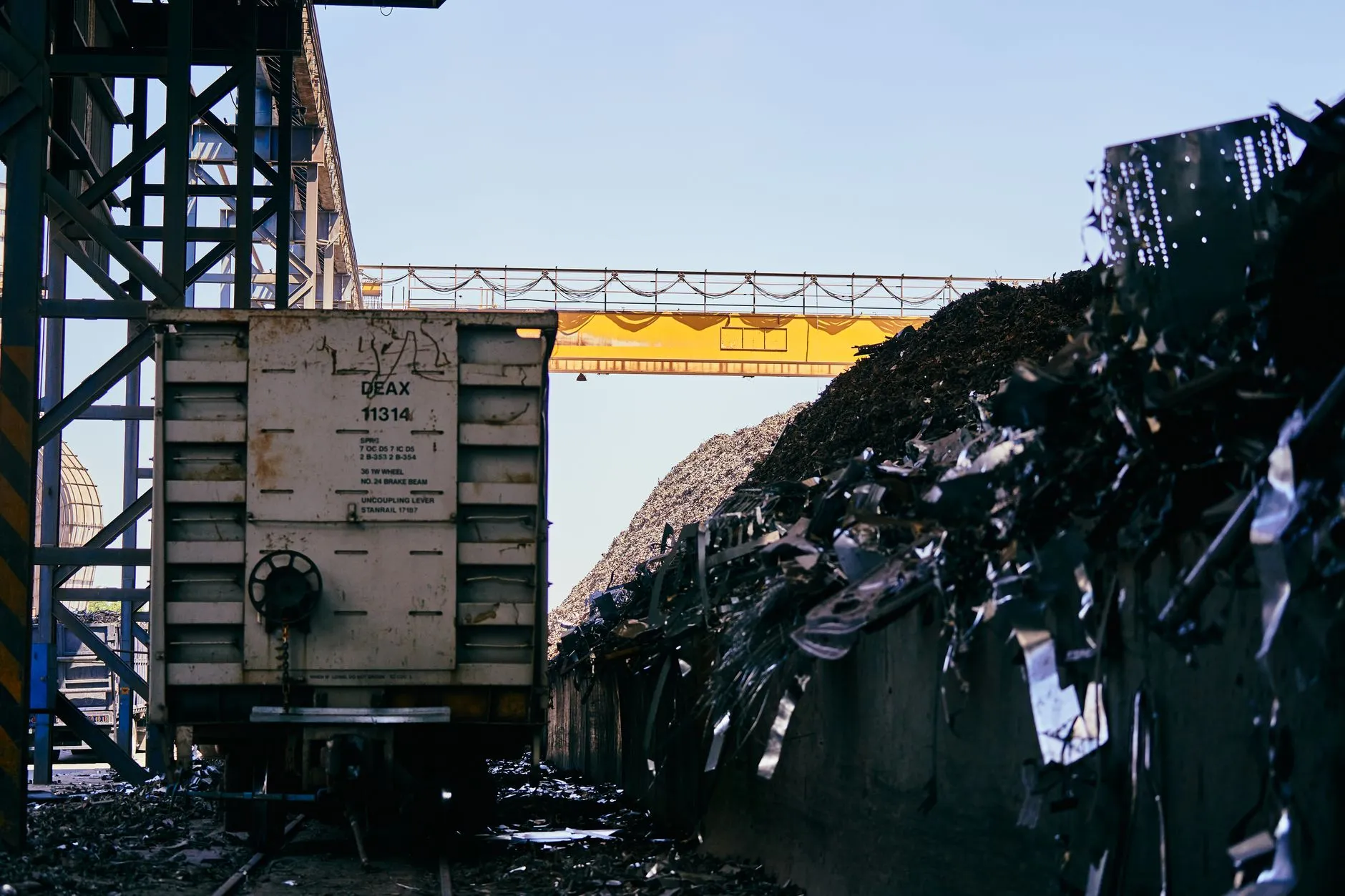
Energy management systems cut locomotive fuel use by up to 8%
Norfolk Southern has equipped all active locomotives in its fleet with energy management technology. The system works similarly to cruise control in a car. It typically engages once a train reaches around 10 miles per hour. The company reports that using this automated system instead of manual operation can improve fuel efficiency by 6% to 8%.
The railroad operates roughly 3,000 locomotives across more than 19,000 miles of track in the eastern United States. Consequently, even small efficiency gains translate into significant fuel savings. In 2025, Norfolk Southern reported a 5% improvement in overall fuel efficiency. The company also noted a 12% decline in emissions intensity per million ton-miles traveled.
These operational improvements form part of a broader climate strategy. However, Norfolk Southern acknowledges it remains behind pace on its long-term emissions target. The company continues to work on closing that gap through a combination of technology upgrades and market-based programmes.
RailGreen certificates link biofuel use to customer emissions claims
Norfolk Southern launched RailGreen in March 2025. The programme generates Environmental Attribute Certificates tied to verified emissions reductions from biofuel use in locomotives. Each certificate represents one tonne of emissions saved. Customers can purchase these certificates to apply toward Scope 3 supply-chain emissions in their own carbon accounts.
The system uses a book-and-claim approach. Norfolk Southern cannot match specific biofuel molecules to individual shipments. Instead, emissions reductions are pooled and allocated through certified attributes. This mass balancing method is common in renewable energy markets but relatively new to freight rail.
RailGreen was developed with 123Carbon. Norfolk Southern positions it as the only verified supply-chain emissions reduction certificate programme offered by a freight railroad globally. The company currently has 40,000 certificates available for purchase.
Customer interest in the programme initially remained muted. Many potential buyers were waiting to see whether the Science Based Targets initiative would allow Environmental Attribute Certificates to count toward Scope 3 targets. Interest increased following SBTi's decision in June 2025 to permit EACs for Scope 3 accounting. For businesses that ship goods by rail, this creates a new mechanism to demonstrate progress on supply-chain emissions without requiring physical segregation of low-carbon fuel.
Science-based target requires 42% intensity reduction by 2034
The Science Based Targets initiative approved Norfolk Southern's climate target in 2021. The company committed to a 42% reduction in Scope 1 and 2 greenhouse gas emissions intensity by 2034, measured against a 2019 base year. Scope 1 covers direct emissions from burning diesel in locomotives. Scope 2 covers indirect emissions from purchased electricity.
Norfolk Southern's 2019 base-year location-based Scope 1 and 2 emissions totalled 4,985,521 metric tonnes of CO2 equivalent. The base-year intensity was 13.38 metric tonnes of CO2 equivalent per million gross ton-miles. Meeting the target requires reducing this intensity figure to around 7.76 metric tonnes per million gross ton-miles by 2034.
The company reported combined Scope 1 and 2 emissions of approximately 5.8 million tonnes of CO2 equivalent in 2025. It also stated that combined Scope 1 and 2 emissions have fallen by 12% since 2019. A sustainability report released in August 2025 indicated emissions had declined by 16% since the base year. Nevertheless, Norfolk Southern's own filings show it is not yet on track to fully meet the 2034 target. The gap between current progress and the required trajectory remains significant.
Limited near-term options make incremental gains critical
Freight rail faces fewer rapid decarbonization pathways than road transport. Battery-electric locomotives remain impractical for long-haul heavy freight due to weight and range constraints. Hydrogen fuel cells are still in early development for rail applications. Catenary electrification would require enormous infrastructure investment across thousands of miles of track.
As a result, near-term emissions reductions depend heavily on operational efficiency and alternative fuels. Energy management systems reduce diesel consumption directly by optimising throttle and braking. Biofuels can lower lifecycle emissions when blended with conventional diesel, though supply remains limited and costs are higher than fossil diesel.
Book-and-claim mechanisms like RailGreen offer a bridge solution. They allow shippers to fund lower-carbon fuel purchases and claim the associated emissions reductions without requiring dedicated low-carbon trains for their specific freight. This approach mirrors renewable energy certificate markets, where buyers fund clean generation and claim environmental attributes even when their physical electricity comes from the grid mix.
For UK businesses that ship goods internationally or source materials from North America, understanding these mechanisms matters. Major shipping customers increasingly face Scope 3 reporting requirements. Programmes like RailGreen provide a way to demonstrate supply-chain decarbonization efforts in sectors where physical traceability is impractical. However, the credibility of such claims depends on robust verification and clear accounting boundaries.
Fuel efficiency improvements must outpace freight growth
Norfolk Southern's 12% reduction in emissions intensity since 2019 reflects genuine progress. However, intensity metrics measure emissions per unit of freight moved. Total emissions can still rise if freight volumes grow faster than efficiency improves. The company's absolute emissions figure of 5.8 million tonnes in 2025 sits above the 2019 base year total of approximately 5.0 million tonnes.
This dynamic is common in freight sectors. Economic growth drives shipping demand. Efficiency gains must therefore accelerate to offset volume increases. For Norfolk Southern, meeting the 42% intensity target while potentially handling more freight will require sustained improvements across multiple areas.
Energy management systems provide one lever. The 6% to 8% efficiency gain is substantial, but it is largely a one-time improvement once the technology is installed. Ongoing gains will need to come from other sources. These might include newer, more efficient locomotives, improved route planning, better load optimization, or expanded use of lower-carbon fuels.
The pace of locomotive fleet renewal matters considerably. Rail locomotives typically operate for 30 to 40 years. Replacing older units with modern, fuel-efficient models happens gradually. Capital costs are high, and operational disruption must be managed. Consequently, the efficiency of the overall fleet improves slowly even when new units offer significant advances.
Core facts about Norfolk Southern's emissions and targets
- Norfolk Southern operates approximately 3,000 locomotives across more than 19,000 miles of track in the eastern United States.
- The company reported about 5.8 million tonnes of carbon dioxide equivalent emissions in 2025.
- Combined Scope 1 and 2 emissions have fallen by 12% since 2019, according to company statements.
- All active locomotives in the fleet now have energy management equipment fitted as standard.
- Norfolk Southern's science-based target requires a 42% reduction in Scope 1 and 2 emissions intensity by 2034 from a 2019 baseline.
- RailGreen launched in March 2025 and offers Environmental Attribute Certificates tied to verified biofuel use in locomotives.
- The company currently has 40,000 RailGreen certificates available, with each certificate representing one tonne of emissions saved.
What biofuel availability and customer adoption will determine
The success of RailGreen depends on two factors. First, Norfolk Southern needs sufficient biofuel supply to generate certificates at scale. Biofuel production capacity for rail-grade diesel remains limited. Competition for feedstocks comes from road transport, aviation, and other sectors pursuing decarbonization. Prices are higher than conventional diesel, which affects both the railroad's costs and the price customers pay for certificates.
Second, the programme requires customer adoption. If major shippers choose not to purchase certificates, the financial incentive for Norfolk Southern to expand biofuel use weakens. Early interest appears to be building following SBTi's June 2025 decision on Scope 3 accounting. However, widespread adoption is not guaranteed. Customers will weigh the cost of certificates against alternative decarbonization measures in their supply chains.
For businesses evaluating RailGreen or similar programmes, several considerations apply. Verification standards matter. Environmental Attribute Certificates must be credibly certified and retired to avoid double-counting. The accounting boundary should be clear. Does the certificate represent a genuine emissions reduction, or simply a reallocation of reductions that would have happened anyway? Finally, the price must be justifiable relative to the emissions impact and alternative options.
UK companies with North American supply chains may encounter RailGreen certificates as part of logistics contracts or sustainability discussions with freight partners. Understanding how these instruments work and where they fit within Scope 3 accounting frameworks will become more important as reporting requirements tighten. The UK's developing Sustainability Disclosure Requirements will likely increase scrutiny of supply-chain emissions claims.
Operational technology and carbon accounting combine in hard-to-decarbonize sectors
Norfolk Southern's approach illustrates a broader pattern in freight decarbonization. Sectors with limited electrification options are combining incremental efficiency improvements with market-based instruments. Energy management systems reduce fuel consumption through better operational control. Book-and-claim programmes create financial flows that support alternative fuel adoption without requiring physical traceability.
This combination is pragmatic but not transformational. Energy management delivers real savings but represents an incremental gain rather than a fundamental shift. Environmental Attribute Certificates provide accounting flexibility but do not eliminate the underlying emissions. The locomotive still burns fuel. The certificate simply allocates the benefit of lower-carbon fuel to a specific customer.
For UK businesses, the relevance lies in understanding how supply-chain decarbonization actually works in practice. Freight emissions are difficult to eliminate quickly. Therefore, credible interim measures matter. Energy efficiency reduces total fuel use. Verified certificates create transparency and accountability for lower-carbon fuel adoption. Together, these tools can demonstrate measurable progress even when zero-emission alternatives remain years away.
However, these measures must be placed in context. They are steps on a longer path, not endpoints. Norfolk Southern's own figures show a gap between current progress and its 2034 target. Closing that gap will require additional measures beyond what is currently deployed. For businesses relying on freight rail, this means continued change in how emissions are measured, reported, and managed.
Where to find detailed emissions data and verification standards
Norfolk Southern publishes annual sustainability reports that include greenhouse gas inventories and progress against science-based targets. These reports are available through the company's investor relations and sustainability pages. The reports provide base-year emissions, current performance, and intensity metrics.
The Science Based Targets initiative maintains a database of approved corporate climate targets. You can search for Norfolk Southern to view the specific commitment, base year, target year, and reduction percentage. SBTi also publishes guidance on Scope 3 accounting and the use of Environmental Attribute Certificates. This guidance is particularly relevant for businesses evaluating book-and-claim programmes.
For broader context on freight rail emissions and decarbonization pathways, the International Energy Agency publishes sector-specific analysis. The IEA's reports on rail transport include technology assessments, fuel options, and policy frameworks. Similarly, the UK Department for Transport provides guidance on freight emissions and sustainable logistics that may be useful for UK businesses assessing supply-chain impacts.
Businesses subject to Streamlined Energy and Carbon Reporting or preparing for upcoming Sustainability Disclosure Requirements should pay particular attention to how Scope 3 emissions from freight are calculated and verified. The accounting treatment of Environmental Attribute Certificates is still evolving. Therefore, staying current with SBTi guidance and emerging UK reporting standards will be important for accurate disclosure.