
North East Mayor Launches New Solar Energy Scheme
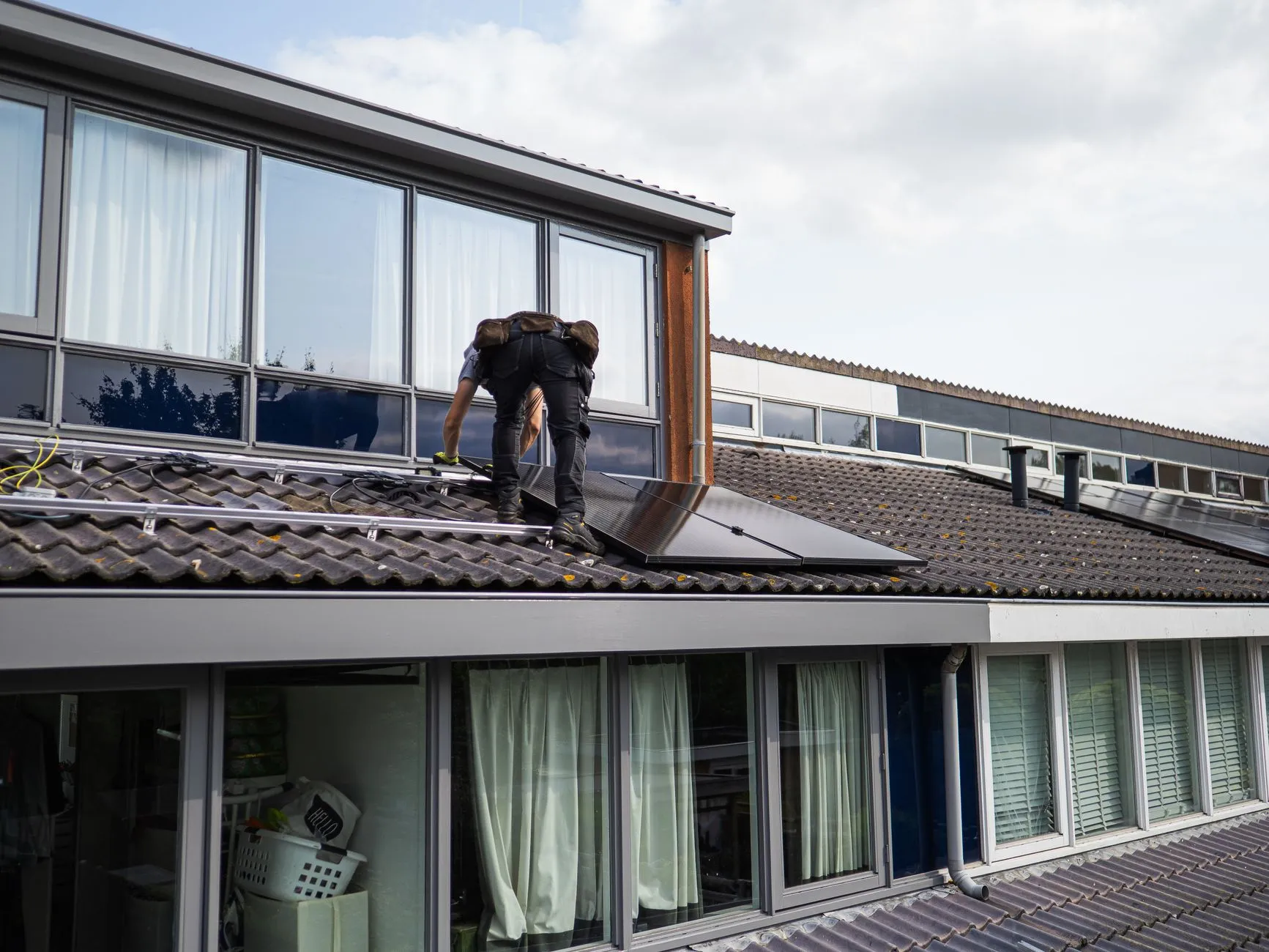
North East launches group solar scheme with battery storage option
The North East has launched a group-buying programme for solar panels and battery storage, using collective purchasing to bring down costs for homeowners. North East Mayor Kim McGuinness unveiled the scheme on 19 August 2026 through the North East Mayoral Strategic Authority, working in partnership with Switch Together.
Registration is free and carries no obligation. Homeowners can sign up until 27 September to receive a personalised offer based on their property details. After that, they decide whether to proceed. The scheme uses pre-vetted installers who compete for the work through a reverse-auction process, which is designed to keep prices down while maintaining quality standards.
The model addresses two persistent barriers to solar uptake: high upfront costs and uncertainty about installation quality. For many households, the expense of panels and batteries has been prohibitive, even when the long-term savings are clear. Group purchasing removes some of that cost barrier by pooling demand and forcing installers to submit competitive bids. Meanwhile, the vetting process offers reassurance for homeowners who may lack the expertise to assess installers themselves.
Battery storage is a particularly significant inclusion. It allows households to store surplus electricity generated during the day and use it later, rather than exporting it to the grid at low rates and buying it back at higher prices in the evening. This improves the economics of solar and reduces reliance on imported power, which matters as grid electricity prices remain volatile.
How the registration and bidding process works
Homeowners register their property details online at no cost. The organisers then assess suitability based on factors such as roof orientation, shading, and available space. Registered households receive a personalised offer that includes pricing, system size, and estimated savings. Crucially, there is no obligation to accept.
The competitive element comes from the reverse auction. Installers submit bids to win the work, and prices typically fall as they compete. This is the same mechanism used in similar schemes across the UK, where group-buying programmes have delivered cost reductions of up to 33 per cent for a standard 14-panel installation, according to Liverpool City Region Combined Authority data.
The emphasis on vetted installers is important. Poor installation can undermine system performance and create safety risks. By pre-qualifying contractors, the scheme reduces the burden on homeowners to research and compare installers independently. It also provides a degree of quality assurance that is often missing from the open market.
Registration closes on 27 September. After that, the authority will collate demand and begin the auction process. Successful bidders will then contact homeowners to arrange surveys and installations. The timeline for installations will depend on the volume of interest and installer capacity.
Regional precedent and broader UK adoption
The North East scheme follows a pattern established elsewhere in the UK. Liverpool City Region ran a similar programme that saw nearly 600 households install solar in the first round. Bath and North East Somerset recorded more than 1,500 registrations in one phase, with 290 households accepting quotes. These figures suggest that well-run group-buying schemes can generate significant take-up when supported by clear communication and straightforward processes.
Several councils have extended the model beyond solar panels to include battery storage for existing solar owners and, in some cases, electric vehicle chargers. The logic is consistent: aggregate demand, use competitive bidding to lower costs, and provide trusted advice to help households make informed decisions.
The North East announcement also aligns with the region's broader energy strategy. In July 2025, McGuinness announced £700,000 for solar panels at 24 schools in Northumberland and Sunderland. The North East Combined Authority said the project would save more than £100,000 a year and cut 85 tonnes of CO2 annually. That investment demonstrates a consistent policy direction: using distributed solar to reduce bills and free up resources for other priorities.
School installations and household schemes serve different purposes, but they reinforce the same message. Solar can deliver measurable savings and emission reductions, and public authorities are willing to back it with funding and logistical support.
Why battery storage changes the solar equation
Battery storage has become increasingly important as solar adoption grows. Without storage, households export surplus electricity to the grid during the day and import power in the evening when demand peaks. Export rates are typically much lower than import rates, which weakens the financial case for solar.
Batteries allow households to store that surplus and use it later. This increases self-consumption, reduces reliance on grid electricity, and improves payback periods. It also provides a degree of energy security during grid outages, although most domestic batteries are not designed for full off-grid operation.
For the grid, widespread battery adoption could improve flexibility. Stored electricity can be used during peak periods, reducing strain on the network and potentially lowering the need for expensive grid upgrades. However, this benefit depends on achieving significant scale, which is where group-buying schemes play a role.
The North East scheme includes battery storage alongside solar panels, which reflects the growing recognition that the two technologies work better together. Households installing solar for the first time can include storage from the outset. Those with existing panels may also be able to retrofit batteries, depending on system compatibility.
Cost savings, emission reductions, and grid resilience
The scheme aims to reduce household energy bills and cut local carbon emissions. Those two goals are linked. Solar panels generate electricity at no fuel cost, which displaces grid electricity that carries both a financial and a carbon cost. Battery storage amplifies that effect by allowing households to use more of their own generation.
The scale of savings depends on system size, household consumption, and electricity prices. A typical domestic solar installation might generate 3,000 to 4,000 kilowatt-hours per year, depending on location and roof conditions. If half of that is used directly and half is stored for later use, the annual grid electricity purchase could fall significantly. At current prices, that translates to savings of several hundred pounds per year.
Emission reductions follow a similar logic. Grid electricity in the UK still carries a carbon intensity of around 200 grams of CO2 per kilowatt-hour, although that figure is falling as coal is phased out and renewables expand. Displacing grid electricity with solar reduces emissions, with the exact figure depending on how much generation is used on-site.
The broader regional impact depends on participation rates. If the North East scheme matches the uptake seen in Liverpool or Bath, several hundred households could install solar and batteries over the coming year. That would deliver measurable emission reductions and bill savings, although the effect on regional energy consumption would remain modest unless the programme scales further.
What homeowners should consider before registering
Registration is free and carries no obligation, which makes it a low-risk way to explore solar and battery options. However, homeowners should still think carefully about suitability before proceeding with installation. Roof condition, orientation, and shading all affect performance. A south-facing roof with minimal shading will generate more electricity than one that faces east or west, or that sits in the shadow of trees or neighbouring buildings.
Planning permission is not usually required for domestic solar panels, but there are exceptions. Listed buildings, conservation areas, and properties in national parks may face restrictions. Homeowners should check local planning rules before committing to installation. The scheme organisers will provide guidance, but the final responsibility rests with the property owner.
Battery storage adds complexity. Batteries need space, ventilation, and access for maintenance. They also add to the upfront cost, although they improve the financial return by increasing self-consumption. Homeowners should weigh the additional expense against the expected savings and consider how long they plan to stay in the property. Solar and battery systems typically pay back over 10 to 15 years, so the benefit is greater for those who do not plan to move soon.
Finally, homeowners should review the terms of any offer carefully. The competitive bidding process should deliver good pricing, but it is still worth checking what is included in the quote. Installation, scaffolding, wiring, and grid connection all carry costs. Some quotes include ongoing monitoring and maintenance, while others do not. Clarity on these points will help avoid surprises later.
Key facts about the North East solar scheme
- North East Mayor Kim McGuinness launched the scheme on 19 August 2026 through the North East Mayoral Strategic Authority.
- The programme is delivered in partnership with Switch Together and uses a group-buying model to reduce costs.
- Registration is free, open until 27 September, and carries no obligation to proceed.
- The scheme covers solar panels and battery storage, with pre-vetted installers competing through a reverse auction.
- Similar programmes in Liverpool saw nearly 600 installations in the first round, with cost reductions of up to 33 per cent.
- The North East Combined Authority previously invested £700,000 in solar panels for 24 schools, saving more than £100,000 a year and cutting 85 tonnes of CO2 annually.
Longer-term implications for regional energy policy
The scheme sits within a broader shift towards distributed energy generation and local control of energy policy. As combined authorities gain more powers and funding, they are using those tools to address local priorities, including household energy costs and carbon reduction. Solar group-buying programmes are one expression of that trend.
The success of the North East scheme will depend on several factors. Clear communication about the process and benefits is essential. Many homeowners remain uncertain about solar, either because they believe it is too expensive or because they lack confidence in the technology. Overcoming that hesitation requires straightforward information and trusted support, which is where the partnership with Switch Together and the use of vetted installers become important.
If participation is strong, the scheme could become a recurring feature of regional energy policy. Repeat rounds would allow more households to join and could build momentum for other clean energy measures, such as heat pumps or insulation. The data gathered from the scheme could also inform future policy decisions, showing where demand is highest and where additional support might be needed.
For businesses, the scheme offers a reminder that public procurement and group-buying models are increasingly common in the sustainability space. Companies that supply or install solar and battery systems should be prepared to compete on price and quality in reverse-auction processes. Those that cannot meet the standards set by vetted schemes may find themselves excluded from a growing segment of the market.
The scheme also has implications for net-zero planning and carbon reduction strategies. Organisations that rely on residential supply chains or that are assessed on Scope 3 emissions may need to consider how household energy choices affect their own carbon footprints. Supporting employees to install solar, or providing advice on group-buying schemes, could become part of corporate sustainability programmes.
Compliance and reporting considerations for businesses
While the North East scheme targets homeowners, it intersects with business sustainability in several ways. Companies that operate in the region may face questions from employees about how to access the scheme or whether their employer offers any support for home energy improvements. Some organisations have started to include residential energy advice as part of employee benefits, recognising that household energy costs affect wellbeing and retention.
For businesses with carbon reporting obligations, employee commuting and home working are part of Scope 3 emissions. Electricity used by employees working from home contributes to an organisation's indirect emissions, and solar installations that reduce grid reliance can lower that figure. While the effect on overall emissions is small, it may become more significant as home working remains common and reporting standards tighten.
Businesses that supply solar components or installation services should also pay attention to group-buying schemes. These programmes are expanding across the UK, and they represent a significant channel for reaching residential customers. However, participation requires competitive pricing and the ability to meet quality standards set by local authorities. Companies that cannot deliver on those terms will struggle to win contracts in this space.
Finally, businesses involved in regional supply chains should consider how local energy policy affects their operations. As more households install solar and batteries, local electricity demand patterns may shift. Peak demand could flatten, and grid congestion during sunny periods could increase. These changes are gradual, but they have implications for businesses that rely on stable grid access or that are sensitive to electricity price volatility.
Where to find more information
Homeowners interested in the scheme can register through the North East Mayoral Strategic Authority website. The registration process requires basic property details, including address, roof type, and current energy usage. The organisers will then provide a personalised offer and guidance on next steps.
Further information about solar panels and battery storage is available from the Department for Energy Security and Net Zero, which publishes guidance on renewable energy technologies for households. The Office of Gas and Electricity Markets provides information about feed-in tariffs and export payments for households that generate their own electricity.
For businesses considering how solar adoption affects their sustainability strategies, the Institute of Environmental Management and Assessment offers resources on Scope 3 emissions and supply chain carbon accounting. The North East Combined Authority also publishes updates on regional energy policy and funding programmes, which may be relevant for organisations operating in the area.