
Climate damage costs from North Sea oil and gas would outweigh productivity boost
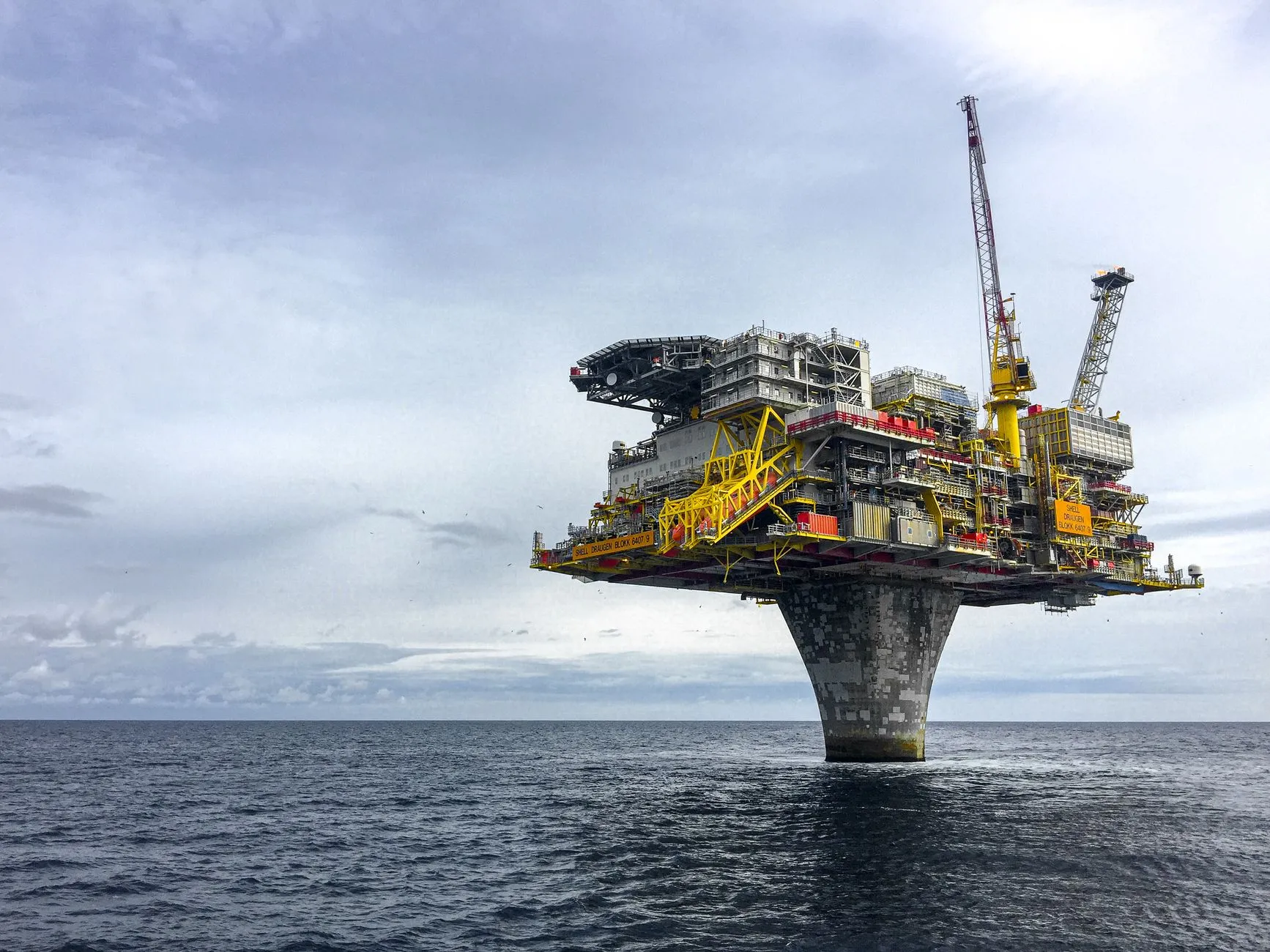
New economic analysis values climate damage at six times industry benefit
A new economic analysis suggests the climate damage from two contested North Sea oil and gas projects could dwarf their financial contribution to the UK economy. The study estimates that developing the Rosebank and Jackdaw fields would create economic losses of £119 billion to £336 billion through to 2100, measured in today's money. In contrast, Adura, the industry backer, projects the fields would generate £28.7 billion in UK value.
The findings arrive while both projects remain in legal and regulatory limbo. In January 2025, Scotland's Court of Session ruled the original approvals unlawful because regulators had not properly assessed the climate impact of burning the extracted fuel. Consequently, new consent will be required before extraction can start, though preparatory work continues.
This matters for UK businesses in several ways. The debate over Rosebank and Jackdaw reflects a broader shift in how fossil fuel projects are evaluated. Furthermore, the revised approval process may signal how future energy infrastructure decisions will balance economic return against environmental cost.
Carbon damage estimates far outweigh projected revenues
The Guardian reported the analysis on 25 August 2026. Researchers used production data submitted by Adura and applied climate damage calculation methods drawn from peer-reviewed research published in Nature earlier in the year. The results are striking. If production volumes exceed Adura's central forecast, the damage estimate rises to between £170 billion and £482 billion.
The study acknowledges its figures likely understate the true cost. Specifically, the calculations exclude some climate impacts such as extreme weather events, sea-level rise and climate-related deaths. The analysis has been submitted to the Rosebank public consultation and to an academic journal for peer review.
Burning the oil and gas from Rosebank alone would produce approximately 250 million tonnes of carbon dioxide over the field's lifetime. Meanwhile, Adura's updated environmental assessment for Jackdaw states the project would account for less than 0.02% of annual global greenhouse gas emissions over its operational period. However, critics argue that framing emissions as a small global fraction misses the cumulative effect of approving multiple projects on similar grounds.
Court ruling forced reassessment of downstream emissions
The January 2025 Court of Session judgment marked a turning point for UK oil and gas approvals. The court found that decision-makers had failed to assess the climate impact of combusting the extracted fuels, focusing only on emissions from extraction and production. This distinction matters because the vast majority of emissions from oil and gas occur when the fuel is burned, not when it is extracted.
As a result, the ruling required regulators to include so-called Scope 3 emissions in their assessments. Scope 3 refers to indirect emissions that occur in a company's value chain, including those from the end use of products. For oil and gas fields, this means counting the carbon released when fuel is burned by consumers.
In June 2025, the UK government published revised guidance reflecting this requirement. Environmental impact assessments must now include emissions from the eventual combustion of oil and gas, in addition to those from extraction and production. Therefore, any future approvals for Rosebank and Jackdaw will depend on updated climate assessments that account for the full lifecycle emissions.
Jobs and energy security claims under scrutiny
Proponents of the projects have consistently emphasized job creation and energy security. However, the numbers do not support the scale of employment benefit often implied in public debate. According to Adura's own environmental impact assessment, Jackdaw would create just 27 direct full-time jobs.
On energy security, BBC reporting indicates Jackdaw would supply around 6% of the UK's annual gas demand over its lifetime. Nevertheless, it would reduce import dependency by only 2%. The modest import reduction reflects the fact that much North Sea production is sold on global markets rather than reserved for domestic use.
These figures complicate the economic case for the projects. While proponents highlight energy independence, the practical impact on import reliance appears limited. Similarly, the job creation argument carries less weight when measured against the employment potential of alternative energy investments.
What regulators must now consider
The revised approval framework changes the decision criteria for Rosebank and Jackdaw. Regulators must now weigh the projected economic benefit against quantified climate damage. This represents a significant shift from earlier assessments that treated downstream emissions as beyond the scope of planning decisions.
The new analysis provides regulators with a monetary valuation of climate harm. Consequently, the approval process becomes a more explicit cost-benefit calculation. If the damage estimates hold, the economic case for the projects weakens substantially.
Moreover, the precedent set by these cases will influence future North Sea developments. Other projects awaiting approval may face similar scrutiny, particularly if they cannot demonstrate that economic benefits exceed climate costs when measured over the long term.
Implications for businesses tendering to public sector buyers
UK businesses that supply the public sector already face growing scrutiny over their carbon footprints. Procurement Policy Note 06/21 requires suppliers bidding for major government contracts to publish carbon reduction plans and commit to net zero targets. The Rosebank and Jackdaw debate underscores that lifecycle emissions matter, not just operational carbon.
Companies in energy-intensive sectors should note the direction of travel. Regulators are moving toward full lifecycle assessments. Therefore, businesses relying on fossil fuel inputs may need to demonstrate that their supply chain emissions align with net zero commitments. Additionally, firms tendering for public contracts may face questions about their exposure to high-carbon projects or suppliers.
The shift also affects how businesses report emissions. Many companies currently exclude Scope 3 emissions from their carbon disclosures or report them incompletely. However, the legal and regulatory changes around Rosebank and Jackdaw suggest that partial disclosure may no longer suffice. Buyers and investors increasingly expect comprehensive lifecycle data.
Five key facts about the Rosebank and Jackdaw developments
- The new economic analysis estimates climate damage of £119 billion to £336 billion, compared to £28.7 billion in projected UK economic value from both fields.
- Scotland's Court of Session ruled in January 2025 that original approvals were unlawful because downstream emissions from burning the extracted fuel were not assessed.
- Revised UK government guidance from June 2025 now requires environmental impact assessments to include emissions from combustion, not just extraction.
- Jackdaw would create 27 direct full-time jobs and reduce UK import dependency by just 2%, according to the developer's own environmental assessment.
- Burning the oil and gas from Rosebank would produce approximately 250 million tonnes of carbon dioxide over the field's operational lifetime.
Compliance costs and reputational risk for connected businesses
Companies involved in supplying, financing or operating high-carbon projects face growing reputational and regulatory risk. Financial institutions backing fossil fuel developments now encounter pressure from investors, campaigners and increasingly from regulators. The debate over Rosebank and Jackdaw illustrates how projects once considered routine are now subject to intense public and legal challenge.
Reputational risk translates into commercial consequences. Businesses associated with controversial projects may find it harder to win tenders, attract investment or retain customers who prioritize sustainability. In addition, regulatory risk is rising. The legal requirement to assess full lifecycle emissions could extend to other sectors, particularly heavy industry and transport.
For manufacturers and suppliers in oil and gas value chains, this creates uncertainty. Contracts tied to projects that face legal challenge or regulatory delay carry financial risk. Furthermore, the broader policy direction suggests that similar scrutiny will apply to other high-carbon sectors. Consequently, businesses should assess their exposure to projects whose lifecycle emissions have not been fully evaluated.
Policy direction and what comes next for UK energy projects
The Rosebank and Jackdaw cases represent a policy inflection point. The UK government has committed to achieving net zero by 2050, yet continues to approve new oil and gas projects. The legal challenges and revised approval criteria force a more explicit reckoning between those goals.
Research institutions have emphasized the need for consistency. The Grantham Institute has argued that the UK government must be firm against further North Sea oil and gas development, noting that the previous approval system failed to account properly for Scope 3 emissions. The court rulings and updated guidance suggest regulators are beginning to address that gap.
However, uncertainty remains. The fields are now subject to fresh regulatory reviews, and the outcome will depend on how regulators weigh the new climate damage estimates. If approvals are granted despite the economic analysis, it will signal that other factors such as energy security or political considerations outweigh carbon cost-benefit calculations.
For businesses planning long-term investments, this policy uncertainty matters. Energy infrastructure decisions made today will shape the UK's emissions trajectory for decades. Companies need to consider whether the regulatory environment will continue to tighten and how that affects the viability of fossil fuel projects.
Where to find authoritative guidance and updates
Businesses seeking further detail should consult the Department for Energy Security and Net Zero for policy updates on oil and gas approvals. The department publishes guidance on environmental impact assessments and emissions accounting relevant to energy projects.
For information on carbon reduction requirements in public sector procurement, see Procurement Policy Note 06/21 on the gov.uk website. This sets out how suppliers must demonstrate their net zero commitments when bidding for government contracts.
The Climate Change Act 2008 remains the legal foundation for the UK's net zero target. Understanding this legislation helps businesses align their planning with statutory obligations. Additionally, the Environment Agency provides sector-specific guidance on emissions reporting and environmental compliance.
We support businesses navigating these regulatory changes through our net zero program for carbon reporting compliance, which helps SMEs understand their Scope 3 emissions and meet evolving disclosure requirements.