
How the oil endgame could become a macro risk for businesses
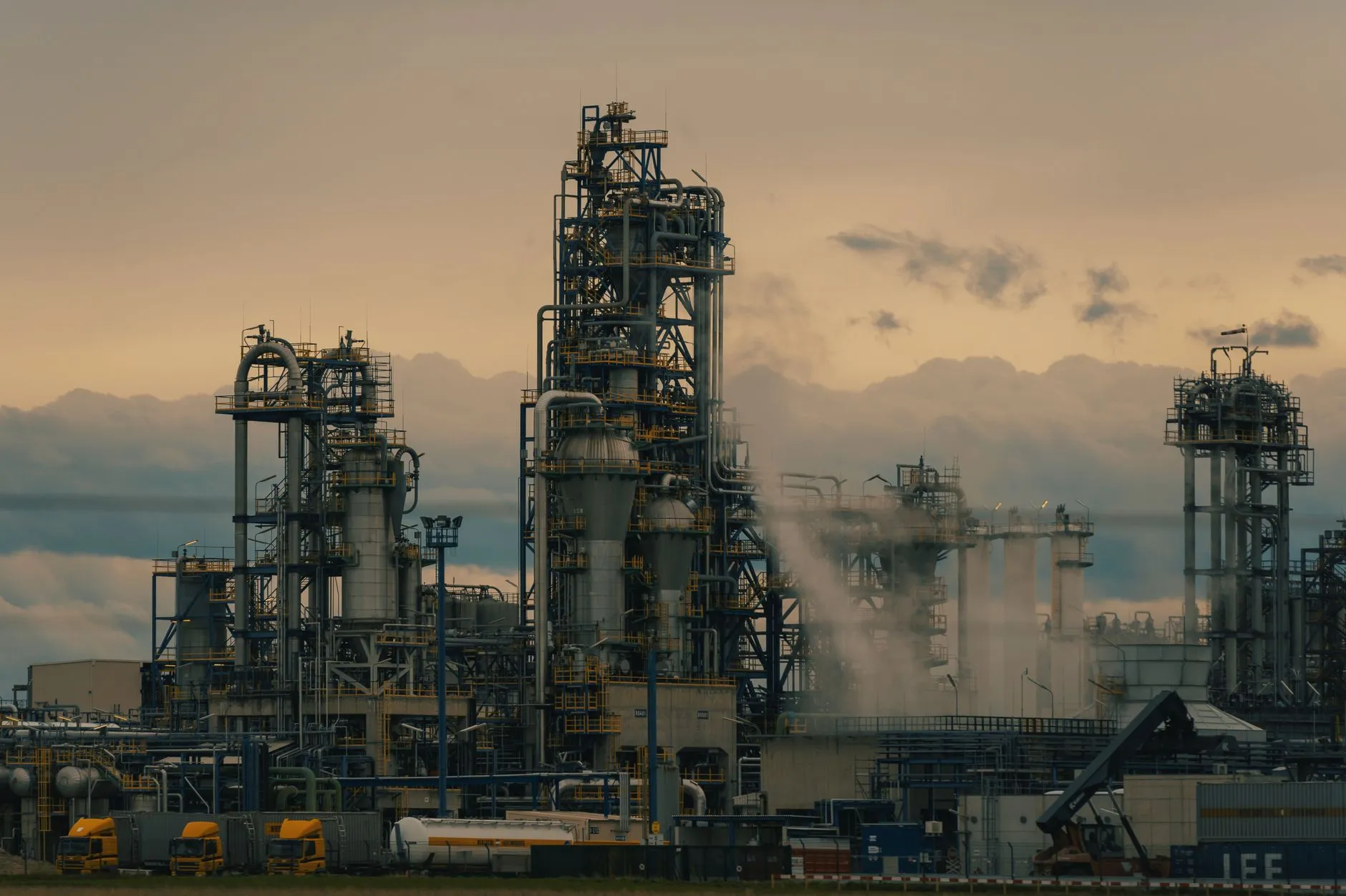
Oil demand falls for first time in modern trading history
Global oil consumption dropped by 1.6 million barrels per day in 2026, according to the International Energy Agency. This marks the first sustained demand decline outside a pandemic or financial crisis. For businesses, the shift creates new risks around fuel contracts, freight costs, and sovereign stability in oil-exporting markets.
The fall follows years of slowing growth. In 2025, demand rose by just 0.65 million barrels per day. That represents 0.7 percent growth, less than half the average annual increase recorded between 2010 and 2019. The slowdown reflects rising electric vehicle adoption, higher biofuel use, and improved fuel efficiency in hybrid vehicles.
What makes 2026 different is that demand actually contracted. The IEA reported a 4.9 million barrel-per-day drop in the second quarter, followed by a 2.8 million barrel-per-day decline in the third quarter. These figures were driven by elevated fuel prices and supply disruptions, particularly in the Middle East. However, the underlying trend points to something more structural than a temporary shock.
Transport fuel consumption has plateaued in advanced economies. Road fuel demand remained flat in 2025 despite rising vehicle activity. Jet fuel was the only transport segment showing meaningful growth. Petrochemicals now account for a larger share of demand increases, making the market more concentrated and potentially more vulnerable to sectoral swings.
For UK businesses, this matters beyond the pump price. Oil underpins freight, petrochemicals, industrial logistics, and public finances in exporting countries. Consequently, a transition from steady growth to volatile stagnation creates planning challenges across supply chains, commodity exposure, and geopolitical risk.
Demand forecasts revised downward throughout 2026
The speed of revision in IEA forecasts illustrates how quickly market assumptions can shift. In January 2026, the agency still expected demand growth of 930,000 barrels per day. Non-OECD economies were forecast to account for all of that increase. By February, the outlook remained positive, but growth was increasingly attributed to petrochemical feedstocks rather than transport fuel.
In June, the IEA revised its 2026 forecast to show a decline of 1.1 million barrels per day. By August, that estimate had worsened to 1.6 million barrels per day. Meanwhile, global supply was forecast to fall by 4.3 million barrels per day to 102 million barrels per day. The revisions were driven by supply disruptions in the Strait of Hormuz, elevated fuel prices, and weaker-than-expected consumption in major economies.
These shifts demonstrate that oil markets are now shaped by two forces. First, long-term structural changes driven by electrification and efficiency. Second, short-term shocks from geopolitics, conflict, and pricing volatility. Businesses cannot rely on the predictable demand growth that characterized the previous decade.
The IEA described the 2025 slowdown as "further evidence of a structural deceleration in oil markets." It noted that transport demand had plateaued, with jet fuel the only meaningful growth sector. The agency also stated that improving vehicle efficiencies, particularly from hybrid vehicles, were sufficient to offset rising transport activity in advanced economies.
Transport fuel stagnation reshapes demand structure
Road transport has been the traditional engine of oil demand growth. That engine has now stalled. In 2025, road fuel consumption in advanced economies did not grow. Electric vehicle sales, hybrid adoption, and efficiency improvements offset any increase in vehicle miles traveled. As a result, the market is becoming more dependent on aviation and petrochemicals for incremental demand.
This shift narrows the base of growth. Aviation is sensitive to economic cycles, business confidence, and travel restrictions. Petrochemicals are tied to manufacturing output and global trade. Both sectors can swing more sharply than road transport, which has historically provided stable, predictable demand growth. Therefore, overall oil consumption may become more volatile even as the long-term trend flattens.
For manufacturers and logistics operators, this creates a more uncertain planning environment. Fuel costs may fluctuate more widely. Freight pricing could become less predictable. Companies that have built supply chains around stable oil prices may need to build in more flexibility and risk tolerance.
The IEA data shows that incremental electrification is already sufficient to flatten road fuel demand in wealthy countries. As battery costs fall and charging infrastructure expands, this effect will spread. Meanwhile, biofuels are taking a larger share of transport fuel consumption. The agency noted that higher biofuel use contributed to the demand slowdown in 2025.
Supply disruptions compound structural demand weakness
The 2026 demand decline was driven partly by supply shocks. Conflict in the Middle East disrupted shipping through the Strait of Hormuz, a critical chokepoint for global oil trade. Consequently, fuel prices spiked and consumption fell. However, the scale of the demand drop suggests that high prices found less resilient demand than in previous cycles.
Global supply fell by 4.3 million barrels per day in 2026, reaching 102 million barrels per day. That contraction was larger than the demand decline, which helped stabilize prices in the second half of the year. Nevertheless, the episode demonstrated that the market is becoming more sensitive to disruption. Demand is less able to absorb price shocks because structural growth is weakening.
This combination creates a difficult environment for businesses. Slower long-term demand growth suggests lower average prices over time. However, geopolitical shocks can still drive sharp short-term spikes. Companies exposed to oil-linked costs therefore face greater volatility without the cushion of steady demand growth to smooth out disruptions.
Oil-exporting governments are also under pressure. Many of these countries rely on petroleum revenues to fund public spending, subsidies, and sovereign wealth funds. As demand growth slows, fiscal stress increases. This can lead to higher taxes, reduced subsidies, currency controls, and payment delays. UK businesses operating in or trading with oil-exporting markets need to monitor sovereign risk more closely.
Core facts on the demand downturn
- Global oil demand fell by 1.6 million barrels per day in 2026, the first sustained decline outside a recession or pandemic.
- Demand growth in 2025 was just 0.65 million barrels per day, less than half the 2010-2019 average of 1.4 million barrels per day.
- Road fuel consumption in advanced economies remained flat in 2025 despite rising vehicle activity, due to electrification and efficiency gains.
- The IEA revised its 2026 demand forecast four times, moving from growth of 930,000 barrels per day in January to a decline of 1.6 million barrels per day by August.
- Global oil supply fell by 4.3 million barrels per day in 2026 to 102 million barrels per day, driven by Middle East disruptions.
- Petrochemical feedstocks now account for more than half of incremental oil demand growth, reducing reliance on transport fuels.
- Jet fuel is the only transport segment showing meaningful demand growth, making the market more concentrated and vulnerable to aviation sector downturns.
Planning implications for UK businesses
The transition from growth to stagnation changes how companies should think about oil exposure. Fuel costs may become more volatile. Freight pricing could swing more sharply. Businesses that rely on stable energy costs for budgeting and tenders may need to build in wider margins and more frequent review cycles.
Companies with commodity exposure should stress-test for three scenarios. First, slower long-term demand growth that gradually reduces average oil prices. Second, sharp short-term supply shocks that drive temporary price spikes. Third, policy-driven changes as governments accelerate electrification and emissions targets. These three forces can interact in complex ways, making simple trend extrapolation unreliable.
Supply chain planners may need to rethink assumptions around freight availability and cost. If oil producers reduce capital spending in response to weaker demand, that could eventually tighten supply and create shortages. However, in the near term, slower demand growth may keep prices lower. Balancing these risks requires scenario planning and flexibility in contracts.
Businesses operating in or trading with oil-exporting countries should monitor sovereign risk more closely. Fiscal pressure on governments can lead to sudden policy changes, currency instability, and payment delays. Diversifying geographic exposure and building stronger credit assessment into supplier and customer relationships can reduce vulnerability.
For firms reporting carbon emissions, the demand plateau may affect Scope 3 calculations. If freight and logistics providers shift fuel mix or improve efficiency, that changes embedded emissions. Companies using our net-zero program for carbon reporting compliance should review transport emissions regularly and ensure suppliers provide updated emission factors.
The shift also creates opportunities. Businesses that move early to electrify fleets, switch to biofuels, or improve logistics efficiency may gain cost advantages as oil markets become more volatile. Early movers can lock in lower-carbon solutions before regulatory pressure increases. Our SBS Academy training on Scope 3 emissions covers practical approaches to transport decarbonization and supply chain engagement.
What businesses should consider now
First, review fuel and freight contracts. If agreements assume stable or rising oil demand, they may not reflect current market conditions. Renegotiating terms or building in price review mechanisms can reduce exposure to volatility. Fixed-price contracts that looked attractive in a growth market may become liabilities in a declining one.
Second, assess exposure to oil-exporting markets. If a significant share of revenue or supply comes from countries dependent on petroleum income, consider diversification. This applies to direct trade relationships and also to customers whose own finances depend on oil revenues. Sovereign stress can ripple through private sector payment chains quickly.
Third, model the impact of higher fuel price volatility on operating margins. Even if average prices fall, wider swings can strain cash flow and budgeting. Businesses with tight margins or long lead times may need larger working capital buffers or more frequent pricing reviews with customers and suppliers.
Fourth, consider the regulatory trajectory. Governments are likely to accelerate electrification and efficiency mandates as oil demand plateaus. Fleet operators, logistics providers, and manufacturers with high energy use should prepare for tighter emissions standards, subsidy changes, and infrastructure investments. Early engagement with ESG compliance and carbon reporting services can identify regulatory risks before they become mandatory costs.
Fifth, engage suppliers on emission factors and fuel sources. As transport fuels diversify, the carbon intensity of logistics can vary significantly between providers. Businesses competing for public sector contracts under PPN 06/21 or corporate tenders with net-zero requirements need accurate, up-to-date supply chain emissions data. Building supplier engagement into procurement processes reduces compliance risk and improves tender competitiveness.
Government and industry guidance on energy transition
The UK government provides guidance on transport decarbonization and energy transition through the Department for Energy Security and Net Zero. Businesses should monitor policy updates, particularly around fleet electrification, fuel standards, and carbon pricing, to understand how regulatory changes may affect costs and compliance obligations.
The International Energy Agency publishes detailed oil market analysis and forecasts through its Oil Market Report series. These reports provide monthly updates on demand, supply, and pricing trends. They also include regional breakdowns and sectoral analysis that can help businesses assess specific market exposures.
For emissions reporting and carbon accounting standards, the government's conversion factors for company reporting provide updated emission factors for fuels, electricity, and transport. These figures are essential for accurate Scope 1, 2, and 3 calculations. The government updates these factors annually to reflect changes in fuel mix and grid carbon intensity.
Businesses should also review guidance from industry bodies such as the Institute of Environmental Management and Assessment, which provides resources on environmental compliance, carbon management, and sustainability strategy. Professional development through bodies like IEMA can help businesses build internal capability to manage energy transition risks.