
Onboard carbon capture presents pathway for shipping emissions reduction
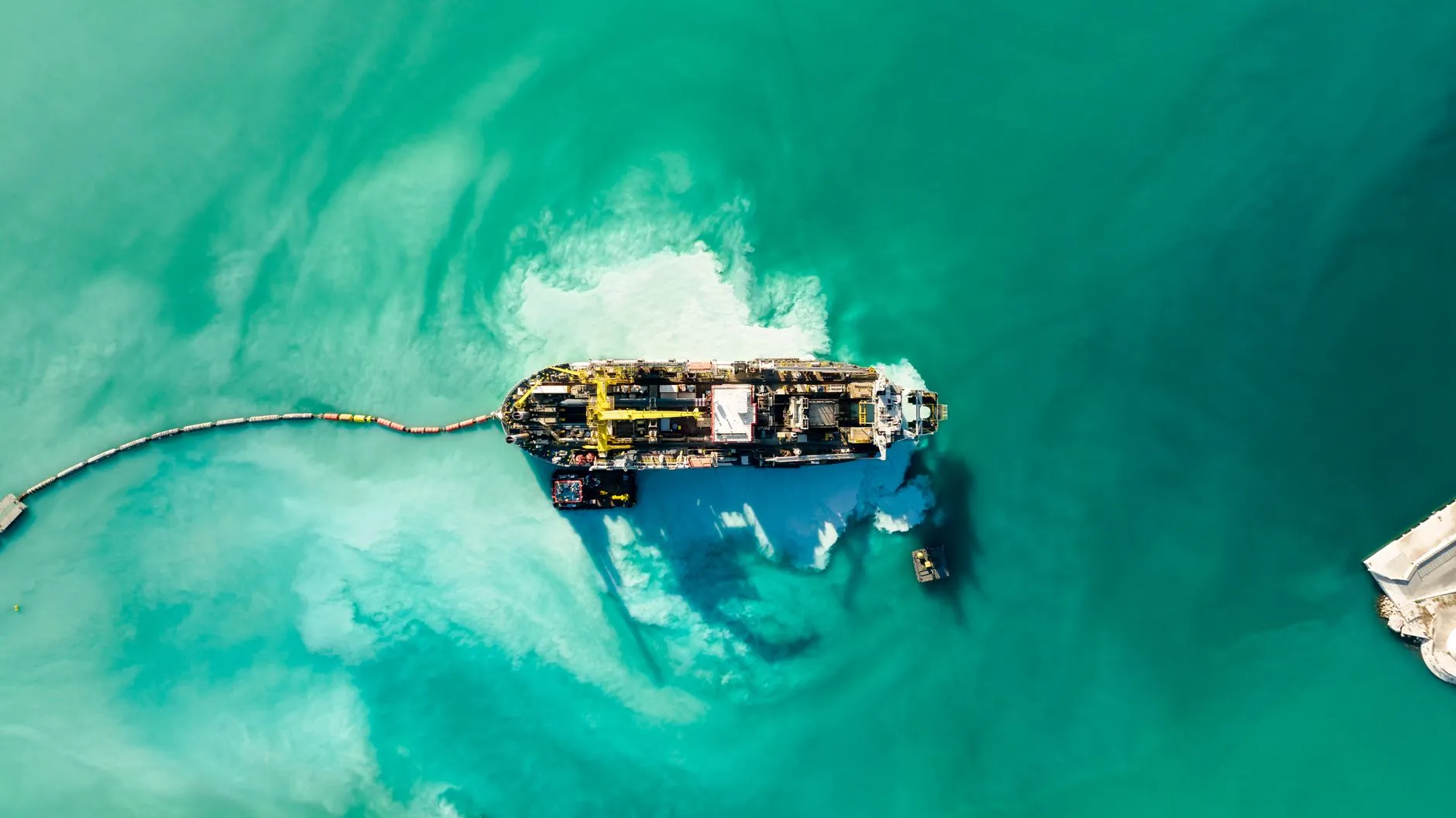
Onboard carbon capture moves from trials to commercial deployment
Shipping companies can now capture carbon dioxide on board vessels while at sea. However, the technology's climate value depends on what happens after the CO2 leaves the ship. Port infrastructure, verified storage, and regulatory frameworks have become more important than capture rates alone.
Recent industry studies show that onboard carbon capture and storage, known as OCCS, has progressed beyond laboratory testing. Sea trials across multiple vessel types now report capture rates between 30% and 70%, with some mature systems reaching 95% under optimal conditions. The challenge has shifted from proving the technology works to building the commercial ecosystem that makes it credible.
For UK businesses involved in shipping, manufacturing, or supply chain management, this matters because vessels will continue using fossil fuels for years. Alternative fuels remain expensive and unevenly available. Consequently, retrofit solutions like onboard capture offer a transitional pathway that works with existing infrastructure while cutting emissions today.
Multiple capture systems now operate at sea
The European Maritime Safety Agency published a major study in February 2026 identifying more than 15 pilots and installations using chemical absorption technology in shipping applications. The research also documented projects using membrane separation, mineralization, and pre-combustion approaches. This variety suggests the sector is testing multiple pathways rather than waiting for a single solution.
Lloyd's Register released a 2026 report examining how onboard carbon capture applies to ship design and retrofit planning. The involvement of classification societies signals that OCCS has moved into mainstream vessel engineering rather than remaining a research curiosity.
Wärtsilä reported in 2026 that a full-scale pilot installation demonstrated capture rates around 70%. The company highlighted the cement carrier Clipper Eris as a reference vessel, which captures approximately 50 tonnes of CO2 per day during normal operations. Industry coverage from June 2026 confirmed that onboard systems have been demonstrated across different vessel types, with mature installations reaching 70% to 95% capture depending on integration and operating conditions.
Meanwhile, Norwegian research institute SINTEF found that OCCS can reduce tank-to-wake greenhouse gas intensity by 54% to 68%, depending on propulsion configuration. The same study concluded that fossil-fueled ships equipped with onboard capture could meet FuelEU Maritime greenhouse gas intensity requirements until 2044, though compliance beyond that date would require higher capture rates and broader system coverage.
Port infrastructure and storage remain the constraint
Transport & Environment acknowledged that onboard capture is technically feasible but emphasized the practical barriers. Captured CO2 only becomes a credible climate solution if it can be measured, offloaded, transferred under auditable custody, and delivered to verified permanent storage. Without that chain, the carbon stays in the atmosphere regardless of capture performance on board.
The technology adds energy demand, weight, and space requirements to vessels. Ships must carry capture equipment, storage tanks, and auxiliary systems that consume fuel and reduce cargo capacity. Therefore, shipowners need clear regulatory recognition and commercial incentives before those trade-offs make financial sense.
Furthermore, most ports lack the infrastructure to offload captured CO2. Storage facilities, transport networks, and verification systems remain limited. As one industry analysis noted, the bottleneck lies ashore. Ships can capture carbon, but few places can receive it in a way that counts toward emissions reductions.
The International Maritime Organization approved a work plan in April 2025 to develop an OCCS regulatory framework. A correspondence group is working on measurement and verification protocols, with a more formal structure expected by 2028. This timeline matters because maritime projects typically require clear crediting rules before investment flows at scale.
Regulatory recognition begins to take shape
Project CAPTURED reported two regulatory milestones in July 2026. First, the EU Emissions Trading System recognized onboard captured CO2 when it is permanently bound in eligible products. Second, the IMO provided in-principle support for recognizing carbon mineralization as permanent CO2 storage. Both developments reduce uncertainty for shipowners considering investment in capture systems.
These regulatory shifts create a clearer pathway for carbon accounting. Previously, captured emissions existed in a grey area where their climate value was disputed. Now, specific conditions allow captured CO2 to count toward compliance obligations, provided it meets verification standards and reaches permanent storage.
In February 2026, Seabound announced it had completed its first full-scale maritime carbon capture systems and planned deployment aboard the cement carrier UBC Cork. The company's progress illustrates how commercial installations are following pilot projects as regulatory frameworks develop.
Emissions reductions depend on full lifecycle accounting
For UK businesses assessing shipping emissions in their supply chains, the key question is whether captured carbon genuinely reduces climate impact. The answer depends on several factors beyond capture rates.
First, the energy required to run capture systems increases fuel consumption. Ships burn more fuel to power capture equipment, which generates additional CO2. Net emissions reductions depend on capture efficiency exceeding the energy penalty.
Second, captured CO2 must reach verified permanent storage. If it is released during offloading, transport, or storage, the climate benefit disappears. Therefore, businesses need auditable proof that captured carbon has been permanently sequestered or converted into stable products.
Third, accounting rules matter. Different regulatory frameworks define permanence, measurement, and crediting differently. A tonne of captured CO2 might count toward EU ETS obligations but not toward other schemes unless verification standards align.
Businesses procuring shipping services should ask carriers specific questions about their capture systems. What happens to captured CO2 after it leaves the vessel? Which storage facilities receive it? What verification standards apply? How are emissions reductions calculated and reported? These details determine whether onboard capture delivers genuine climate value or simply shifts accounting between categories.
Commercial viability depends on integrated infrastructure
Onboard carbon capture offers shipping a way to cut emissions without immediate wholesale fuel switching. Vessels can continue using existing fuels while reducing greenhouse gas intensity. This approach suits deep-sea shipping, where vessel lifetimes span decades and zero-carbon fuels remain expensive or scarce.
However, the technology's commercial future depends on infrastructure development beyond the ship. Ports need offloading facilities. Storage sites need capacity and verification. Transport networks need to connect capture points with permanent sequestration. Regulatory frameworks need to provide clear, consistent crediting rules.
If that ecosystem develops quickly, onboard capture could become a bridge technology helping shipowners cut emissions now while preserving fuel flexibility for the future. If infrastructure lags, the technology may remain limited to niche applications despite successful onboard engineering.
For UK manufacturers and exporters, this uncertainty affects supply chain decarbonization planning. Shipping emissions represent a significant portion of Scope 3 footprints for many businesses. Onboard capture could help reduce those emissions, but only if the full chain from vessel to verified storage functions reliably.
What UK businesses should monitor
Several developments will determine whether onboard carbon capture becomes a mainstream decarbonization tool or remains a specialized solution.
Port infrastructure investment is critical. UK ports will need offloading facilities, temporary storage, and connections to permanent sequestration sites. Businesses should track announcements from port authorities and terminal operators about CO2 handling capabilities.
Regulatory frameworks continue to evolve. The IMO's work toward a formal OCCS structure by 2028 will shape global standards. Meanwhile, regional schemes like EU ETS and FuelEU Maritime are developing their own rules. UK businesses operating across multiple jurisdictions need to understand how these frameworks interact.
Verification standards will affect credibility. Third-party certification, measurement protocols, and chain-of-custody tracking determine whether captured emissions count toward climate commitments. Businesses should look for carriers using recognized verification bodies and transparent reporting.
Cost trajectories matter for commercial adoption. As capture systems mature and infrastructure develops, costs should decline. However, businesses should compare onboard capture costs against alternative decarbonization pathways, including fuel switching, operational efficiency, and route optimization.
Finally, permanent storage capacity must grow. Without verified sinks for captured CO2, the entire system stalls. UK businesses should monitor developments in geological storage, mineralization projects, and carbon utilization pathways that offer genuine permanence.
Essential facts about onboard carbon capture
- The European Maritime Safety Agency identified more than 15 pilots and installations using chemical absorption in shipping OCCS as of February 2026, alongside membrane, mineralization, and pre-combustion projects.
- Wärtsilä reported that onboard carbon capture removed approximately 70% of CO2 emissions in a full-scale pilot, with the Clipper Eris capturing about 50 tonnes per day during operations.
- SINTEF research found that OCCS can reduce tank-to-wake greenhouse gas intensity by 54% to 68%, depending on propulsion configuration and system integration.
- Fossil-fueled ships with onboard capture could meet FuelEU Maritime greenhouse gas intensity requirements until 2044, though later compliance would require higher capture rates and broader coverage.
- The EU Emissions Trading System now recognizes onboard captured CO2 when permanently bound in eligible products, while the IMO has provided in-principle support for recognizing carbon mineralization as permanent storage.
- The International Maritime Organization approved a work plan in April 2025 to develop an OCCS regulatory framework, with formal structure expected by 2028.
Planning for shipping emissions in supply chains
UK businesses face growing pressure to report and reduce Scope 3 emissions, which include shipping. Onboard carbon capture represents one option for cutting maritime emissions without waiting for zero-carbon fuels to become widely available.
However, businesses should approach claims about captured emissions with careful scrutiny. The technology works on board, but its climate value depends entirely on what happens afterward. Ask carriers for evidence of permanent storage, third-party verification, and transparent accounting. Request documentation showing the chain of custody from vessel to verified sink.
Additionally, businesses should consider onboard capture alongside other decarbonization strategies. Fuel efficiency improvements, voyage optimization, and modal shifts may deliver more immediate or cost-effective reductions. Sustainable procurement frameworks should evaluate shipping emissions using lifecycle analysis rather than focusing on single technologies.
For businesses pursuing carbon reporting compliance or responding to tender requirements, understanding how different schemes treat captured emissions is essential. EU ETS, FuelEU Maritime, and voluntary standards may apply different rules. Work with advisers who understand both maritime decarbonization and carbon accounting to ensure your reporting reflects genuine emissions reductions rather than accounting adjustments.
Furthermore, businesses should prepare for infrastructure development timelines. Port facilities, storage networks, and verification systems will develop over years, not months. Therefore, shipping decarbonization strategies should include transitional pathways that work with current infrastructure while preparing for future capabilities.
Where to find authoritative guidance
The Department for Energy Security and Net Zero provides policy updates on UK decarbonization strategies, including maritime emissions. Businesses should monitor government announcements for regulatory developments affecting shipping and carbon accounting.
The International Maritime Organization publishes technical guidelines and regulatory frameworks for shipping decarbonization. Their work on OCCS measurement and verification will shape global standards.
The European Maritime Safety Agency releases research on maritime technologies, including detailed studies of onboard carbon capture systems and their development status.
For businesses seeking ESG compliance support or guidance on carbon reporting standards, working with experienced advisers helps ensure that shipping emissions are measured, reported, and reduced using credible methodologies rather than unverified claims.