
Platform Housing Group's Net Zero Strategy by 2050
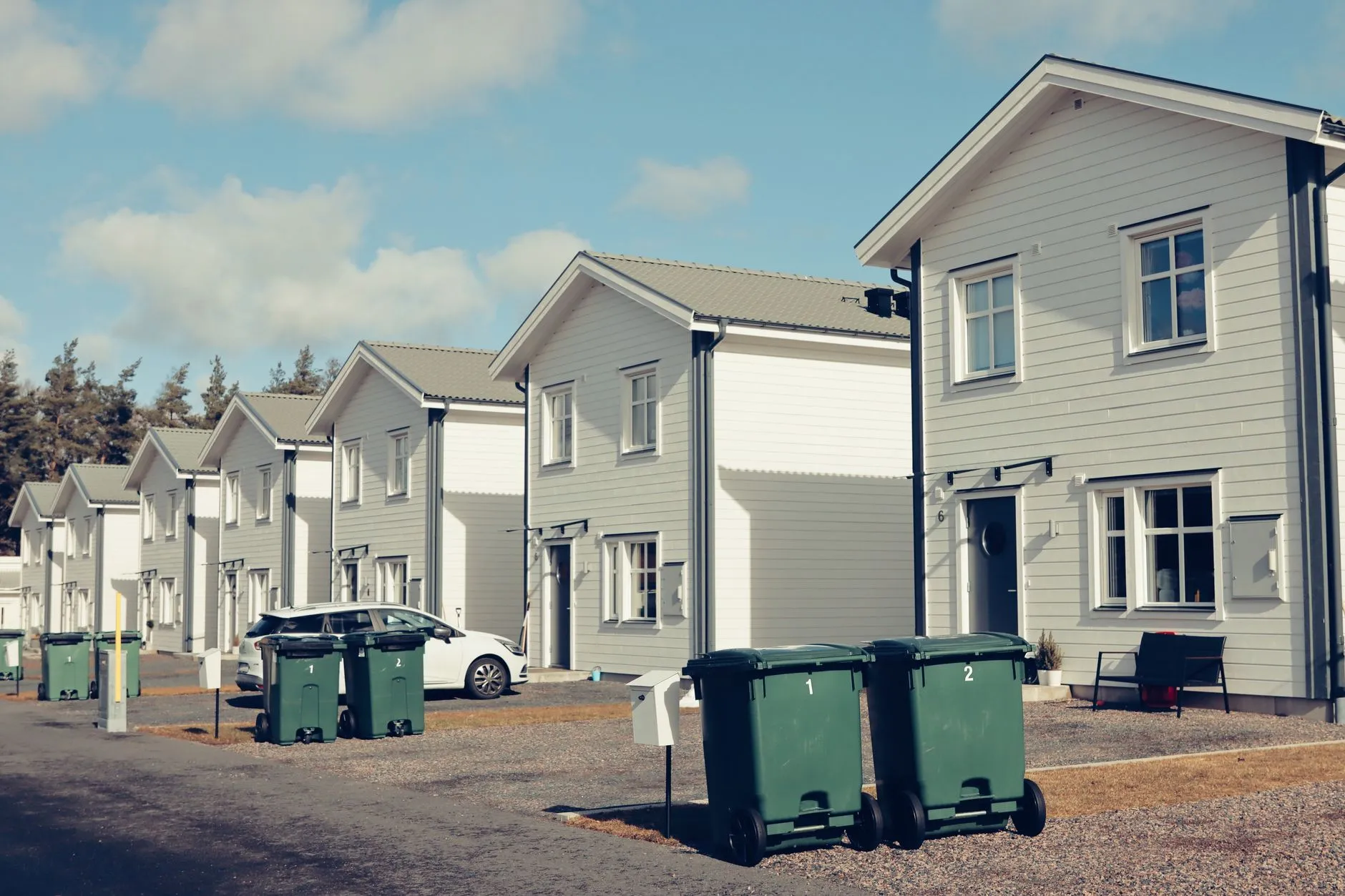
Platform Housing Group sets science-based carbon targets to 2050
Platform Housing Group has published its Environmental Sustainability Strategy for 2026 to 2028. The strategy confirms the housing association's commitment to net-zero greenhouse gas emissions across its value chain by 2050. It also maintains Platform's existing goal of bringing all homes to EPC C or better by 2030.
The new strategy expands the organisation's focus beyond operational energy. Platform now tracks and reports emissions across all three scopes, including supply chain and construction impacts. This shift reflects a wider change in how housing associations approach carbon reduction.
Platform manages approximately 50,000 homes. The organisation has also appointed its first sustainability director, Lianne Taylor, to lead implementation of the strategy across its portfolio. Her role includes working with suppliers and stakeholders on the transition to net zero.
Science-based targets now guide emissions reductions
Platform has developed science-based decarbonisation targets with specific interim milestones. The organisation aims to cut absolute Scope 1 and 2 emissions by 50% by financial year 2035. The baseline is financial year 2025. For Scope 3 emissions, the target is a 90% reduction by 2050 from the same baseline.
Scope 1 covers direct emissions from sources the organisation controls, such as gas boilers in communal areas. Scope 2 includes indirect emissions from purchased electricity. Scope 3 captures everything else in the value chain, including materials, construction, and tenant energy use.
The targets provide a clear framework for measuring progress. They also create accountability through external validation of emissions data. Platform has committed to continuing this independent verification to improve transparency.
By setting specific reduction percentages and deadlines, Platform has moved from aspiration to measurable commitment. Therefore, the strategy gives suppliers, contractors, and public sector partners clearer expectations about carbon performance requirements.
Retrofit programme prioritises fabric improvements
Platform's asset management strategy focuses on bringing all managed stock to EPC C by 2030. The retrofit programme uses a fabric-first approach. This means improving insulation, windows, and building structure before addressing heating systems.
As of December 2024, 80% of Platform's existing housing stock already achieved EPC C or above. Consequently, the organisation is closer to its 2030 goal than many comparable housing associations. However, the remaining 20% will require significant investment and planning.
The strategy emphasises future-proofing properties and moving away from fossil fuels. In practice, this means replacing gas boilers with heat pumps or other low-carbon alternatives. It also means ensuring homes can accommodate renewable energy systems as technology develops.
Retrofit work creates commercial opportunities for SME contractors and suppliers. However, it also brings compliance requirements. Businesses working with Platform will need to demonstrate carbon literacy and supply chain transparency. Moreover, they may need to show how their products and services align with science-based targets.
Whole-life carbon measurement expands beyond operational energy
Platform joined the Future Homes Hub to strengthen its measurement of whole-life carbon in new developments. This partnership helps the organisation track emissions from materials, construction processes, and supply chains. These sources often account for a larger carbon footprint than operational energy use over a building's lifetime.
Whole-life carbon includes embodied emissions from manufacturing and transporting materials. It also covers construction activities, maintenance over the building's life, and eventual demolition or refurbishment. For social housing, this approach provides a more complete picture of environmental impact.
The shift to value-chain decarbonisation affects procurement decisions. Platform and similar organisations now evaluate suppliers based on carbon data as well as cost and quality. As a result, businesses supplying the housing sector face growing pressure to measure and reduce their own emissions.
This trend extends beyond housing associations. Public sector organisations increasingly use carbon criteria in tender evaluations. Small and medium businesses without carbon reporting systems may find themselves excluded from major contracts. Therefore, understanding your supply chain emissions becomes a competitive issue, not just an environmental one.
What Platform's new strategy means for UK businesses
The strategy signals how social housing providers are embedding carbon reduction into procurement and supply chain management. For SMEs, this creates both risks and opportunities. Businesses that can demonstrate transparent emissions data and reduction plans will be better positioned for contracts with Platform and similar organisations.
Construction firms, materials suppliers, and facilities management companies should expect more detailed carbon questions in tender processes. Platform's commitment to external validation of emissions data suggests they will require equivalent rigour from suppliers. Consequently, self-reported estimates without third-party verification may no longer meet procurement standards.
The 2030 EPC C target affects thousands of properties. This creates sustained demand for retrofit services, insulation materials, and low-carbon heating systems. However, suppliers will need to show how their products contribute to fabric-first improvements and fossil fuel phase-out.
The focus on whole-life carbon changes specification decisions. Materials with lower embodied emissions may win out over cheaper alternatives with higher manufacturing impacts. Similarly, construction methods that reduce waste and transport emissions become more valuable. SMEs that can quantify these benefits will have a clearer value proposition.
Platform's science-based targets also create timeline certainty. The 2035 and 2050 milestones give suppliers a clear view of when carbon performance will matter most. This allows businesses to plan investments in measurement systems, supply chain engagement, and product development.
Five key facts about Platform's sustainability strategy
- Platform Housing Group has committed to net-zero greenhouse gas emissions across its value chain by 2050, supported by science-based interim targets.
- The organisation aims to reduce absolute Scope 1 and 2 emissions by 50% by financial year 2035 and Scope 3 emissions by 90% by 2050, both from a financial year 2025 baseline.
- Platform plans to bring all managed homes to EPC C or better by 2030, with 80% of its 50,000-home portfolio already meeting this standard as of December 2024.
- The housing association has appointed Lianne Taylor as its first sustainability director to implement the strategy and work with suppliers on carbon reduction.
- Platform joined the Future Homes Hub to improve measurement of whole-life carbon in new developments, including embodied emissions from materials and construction.
How housing association carbon strategies affect supply chains
Platform's approach reflects a sector-wide trend. Housing associations across the UK are adopting science-based targets and expanding emissions reporting beyond operational energy. This changes what they expect from contractors, materials suppliers, and service providers.
Businesses selling into the social housing sector should prepare for carbon disclosure requests. These may ask for product-level emissions data, supply chain mapping, or evidence of reduction initiatives. Furthermore, organisations may need to show alignment with customer targets or demonstrate contribution to Scope 3 reductions.
The shift to whole-life carbon measurement requires better data throughout the supply chain. Manufacturers will need environmental product declarations or similar documentation. Contractors may need to track and report construction phase emissions. Service providers might face questions about transport, waste, and operational impacts.
For smaller businesses, this can feel overwhelming. However, the expectations are developing gradually. Early action creates competitive advantage. Businesses that establish carbon measurement systems now will be better prepared as requirements tighten across the sector.
Platform's commitment to external validation also matters. If housing associations verify their own data independently, they will expect suppliers to meet similar standards. Self-assessment and rough estimates may not satisfy procurement teams focused on science-based targets and regulatory compliance.
The timeline to 2030 for EPC improvements and 2035 for the first major emissions reduction creates urgency. Businesses should consider how their current products and services align with these deadlines. Those that cannot contribute to fabric-first retrofit or fossil fuel phase-out may need to adapt offerings or risk losing market access.
Preparing your business for sustainability-led procurement
Start by understanding your own emissions. You do not need a perfect carbon footprint on day one. However, you do need to know where your significant impacts occur. This allows you to answer customer questions and identify reduction opportunities.
Focus on Scope 1 and 2 emissions first if resources are limited. These cover energy use in your operations and are typically easier to measure. Many SMEs find their largest impacts come from electricity, heating, and company vehicles. Addressing these creates both cost savings and credible carbon stories.
Scope 3 emissions are harder but increasingly important. Customers like Platform track their value chain impacts, which means your emissions become part of their Scope 3. Therefore, being able to provide reliable data helps customers meet their own targets. It also differentiates you from competitors who cannot answer these questions.
Consider whether your products support retrofit and decarbonisation goals. If you supply materials, can you provide embodied carbon data? If you offer services, can you demonstrate how you reduce construction waste or improve energy performance? These capabilities will matter more as housing associations implement their strategies.
Look at our net-zero program for carbon reporting compliance if you need structured support. Many SMEs benefit from external guidance when setting up measurement systems or preparing for customer disclosure requests. Early investment in this area prevents rushed responses to tender requirements later.
Build relationships with your own suppliers. If customers ask about your supply chain, you will need answers. Understanding where your purchased goods and services come from and their associated emissions improves your ability to respond to procurement questions. It also helps you identify risks and cost reduction opportunities.
Finally, treat this as a commercial issue, not just an environmental one. Platform's strategy shows how carbon performance is becoming a standard business requirement in the social housing sector. Businesses that recognise this early will adapt more successfully than those that wait for explicit mandates.
Where to find detailed guidance and policy information
The UK government provides extensive resources on energy efficiency standards and social housing policy. The Department for Energy Security and Net Zero publishes guidance on EPC requirements and net-zero policy that affects housing associations and their supply chains.
For carbon measurement and reporting standards, the government's greenhouse gas reporting guidance offers detailed methodology. This helps businesses understand how to calculate emissions across different scopes and ensures consistency with what customers like Platform expect.
Housing associations often reference the UK Green Building Council for whole-life carbon assessment and construction sector guidance. The organisation provides frameworks that influence procurement decisions and project specifications across the social housing sector.
If you supply public sector organisations or housing associations, familiarize yourself with Procurement Policy Note 06/21 on carbon reduction plans. Many housing associations apply similar requirements even when not legally mandated. Understanding these expectations helps you prepare competitive tender responses.
Platform Housing Group may publish additional details about supplier expectations and carbon performance criteria. Businesses interested in working with the organisation should monitor their procurement notices and supplier engagement communications for specific requirements related to the new sustainability strategy.