
Plug-in solar panels approved for sale in the UK
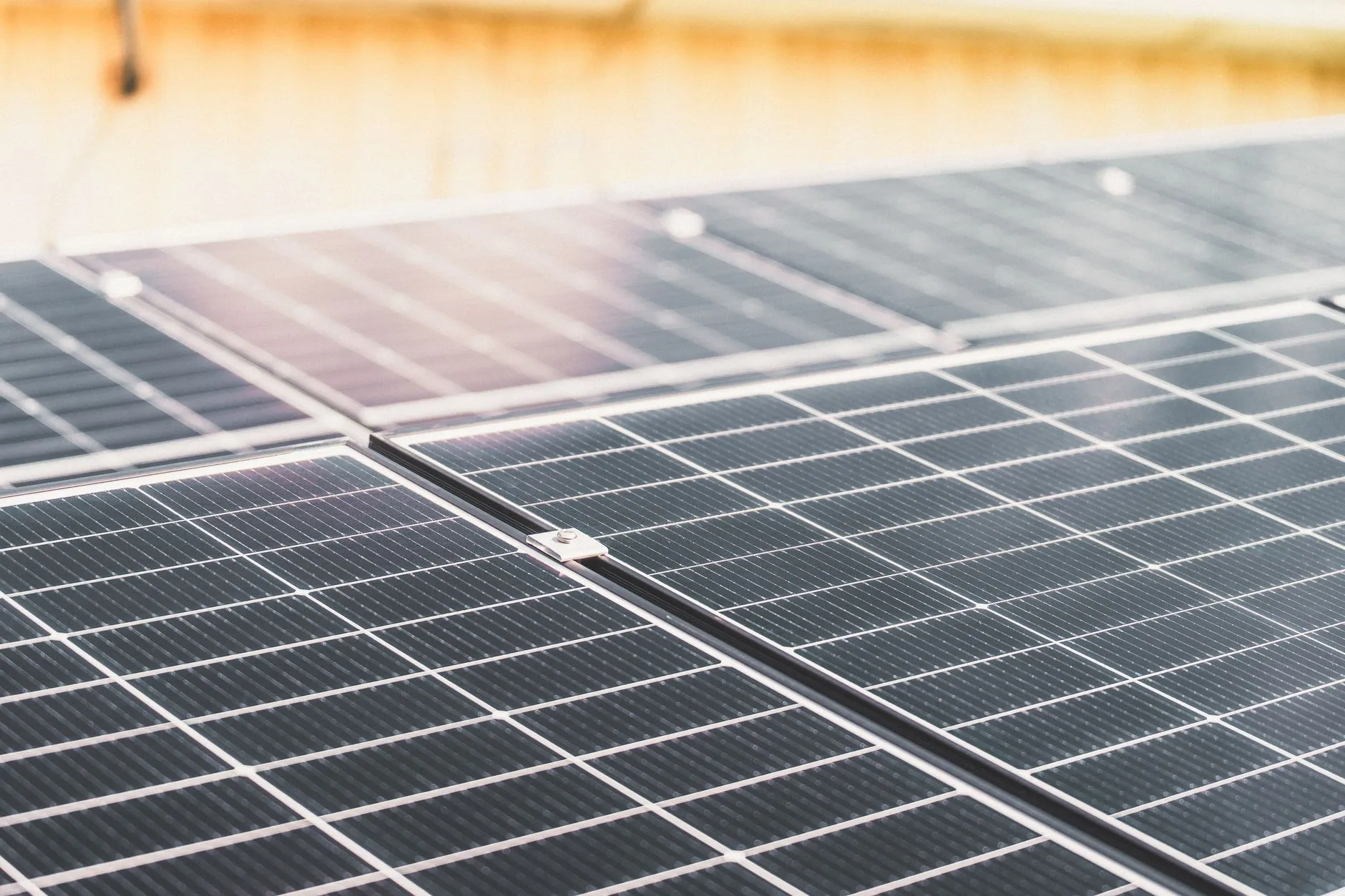
New regulations allow plug-in solar panels from August 2026
The UK has legalised plug-in solar panels for household use. The Plugs and Sockets etc. (Safety) Regulations 1994 and Electricity Safety, Quality and Continuity Regulations 2002 (Amendment) Regulations 2026 come into force on 27 August 2026. This creates a formal approval route for consumer solar products that connect directly to standard mains sockets.
The change follows a government consultation, safety testing, and publication of an interim product specification. Only systems that meet this specification and comply with BS 1363 plug standards will be legal to sell and use. The rules apply exclusively to plug-in solar devices without batteries. Other plug-in generation or storage technologies are not covered.
For the first time, households will be able to install small-scale solar generation without professional fitting or permanent wiring. This could open up solar access for renters, flat dwellers, and anyone without a suitable roof. However, products must still meet defined safety and performance criteria before they can be sold.
The legal framework and approval requirements
The amendment creates a compliance pathway for standard plugs used with plug-in microgenerators. Manufacturers must ensure their products meet BS 1363 requirements where applicable. In addition, devices must satisfy the government's Plug-in Solar Device Interim Product Specification, published in August 2026.
According to the legislation, plug-in solar systems must not be installed or operated unless they comply with the interim specification. The government consultation stated that only compliant devices would be permitted for sale in the UK under the amended regulations. This effectively creates a gatekeeper function for the interim specification.
The specification itself is limited in scope. It covers plug-in solar panels that feed electricity directly into a building's mains circuit through a standard socket. Consequently, it does not apply to plug-in battery systems or other forms of plug-in generation technology. The government has been explicit about this boundary.
The regulatory approach balances market access with safety controls. On one hand, it removes the need for professional installation and permanent electrical work. On the other, it maintains product standards and safety requirements through the interim specification. Therefore, the framework aims to expand access without compromising electrical safety.
Government consultation and policy development
The government launched a consultation on 16 June 2026 on the proposed regulatory amendments and interim product specification. The consultation document stated that changes were needed to enable the safe supply, sale, and use of plug-in microgeneration in the UK. This framed the policy as addressing both safety and market access concerns.
A government safety study provided the technical foundation for the decision. The study found that plug-in photovoltaic systems could operate safely in the tested conditions. Specifically, testing showed stable system behaviour, effective protective device operation, and no evidence of sustained unsafe energisation or unacceptable thermal effects. This evidence appears to have supported the decision to proceed with legalisation.
The consultation and safety work reflect a methodical approach to introducing a new product category. Rather than simply removing restrictions, the government developed a bespoke interim specification alongside the regulatory amendment. This suggests an attempt to manage risk while enabling innovation in household energy systems.
Notably, the framework is described as interim. This implies the government may revise or refine the specification as real-world experience accumulates. For now, however, the August 2026 specification sets the baseline for what can be sold and used legally.
Practical implications for households and property types
The change matters most for people who have been unable to access conventional rooftop solar. Renters typically cannot install permanent solar systems without landlord permission. Flat dwellers often lack suitable roof space or the authority to modify shared buildings. Similarly, properties with unsuitable roof orientations, shading, or structural constraints have been excluded from solar participation.
Plug-in solar systems address these barriers by requiring no permanent installation. A household can set up panels on a balcony, in a garden, or against a south-facing wall, then plug the system into a standard socket. When the occupant moves, they can unplug the system and take it with them. This portability fundamentally changes who can generate their own electricity.
However, the practical benefit depends on several factors. The amount of electricity generated will be modest compared to a full rooftop array. Panel positioning matters significantly for output. Furthermore, the systems only work when the sun is shining and cannot store excess generation without adding separate batteries, which are not covered by the plug-in solar regulations.
Cost will also determine uptake. The systems must compete with grid electricity prices while meeting the interim specification requirements. Media coverage noted that major UK retailers were preparing to sell DIY solar kits once the legal change took effect. This suggests industry confidence in consumer demand, but pricing and product availability remain to be seen.
Market development and commercial considerations
The regulatory change creates a new product category within the UK solar market. Manufacturers can now design and sell plug-in systems specifically for the UK market, provided they meet the interim specification. Retailers gain access to a consumer segment that was previously unable to install solar generation. This could drive competition and product innovation.
For businesses considering their own energy strategies, the change has limited direct relevance. Commercial buildings typically have different electrical arrangements and would not use plug-in solar at any meaningful scale. Nevertheless, the policy signals continued government support for distributed renewable generation. In addition, it demonstrates regulatory willingness to adapt frameworks for new technologies.
Supply chain implications may emerge over time. Component suppliers, testing laboratories, and certification bodies will need to support the new product category. Furthermore, installers and electricians may see reduced demand for small domestic solar projects as some customers opt for plug-in alternatives instead. The overall market effect will depend on how many households choose plug-in systems over conventional installations.
From a compliance perspective, businesses selling plug-in solar products must ensure they meet both the interim specification and relevant plug safety standards. Non-compliant products cannot be legally sold or used from 27 August 2026 onwards. Therefore, retailers and importers need to verify compliance before bringing products to market. This creates a responsibility to understand and apply the technical requirements correctly.
Essential details on the regulatory changes
- The Plugs and Sockets etc. (Safety) Regulations 1994 and Electricity Safety, Quality and Continuity Regulations 2002 (Amendment) Regulations 2026 come into force on 27 August 2026.
- The regulations create an approval route for plug-in solar devices that meet BS 1363 requirements and comply with the government's Plug-in Solar Device Interim Product Specification.
- Only plug-in solar systems without batteries are covered by the framework, not plug-in battery storage or other plug-in generation technologies.
- The government consultation opened on 16 June 2026 and stated that amendments were needed to enable the safe supply, sale, and use of plug-in microgeneration in the UK.
- Government safety testing found that plug-in photovoltaic systems could operate safely with stable behaviour, effective protective device operation, and no evidence of unsafe energisation or thermal effects.
- Products must comply with the interim specification to be sold and plugged in legally under the amended regulations.
Considerations for businesses and property occupiers
For most SMEs, this regulatory change has minimal direct operational impact. Commercial premises typically require larger generation capacity than plug-in solar can provide. However, the policy does illustrate how the regulatory environment is adapting to support decentralised renewable energy. Businesses tracking energy policy should note this as part of a broader trend towards enabling smaller-scale generation.
Property owners and facilities managers should understand that plug-in solar remains distinct from conventional installations. The systems covered by the new regulations are designed for household use and limited generation capacity. Commercial buildings pursuing net zero strategies will still need to consider rooftop solar, power purchase agreements, or other approaches suited to their energy consumption levels.
For businesses in the rental sector, the change may affect tenant expectations. Renters can now install plug-in solar systems without landlord permission, provided the systems meet the legal requirements. Landlords cannot prevent tenants from using compliant plug-in solar devices in the same way they cannot prevent use of other standard electrical appliances. This could become a consideration in property marketing and tenant relations.
From a sustainability reporting perspective, plug-in solar generation by employees working from home will not appear in a business's direct emissions. Nevertheless, businesses supporting home working may see questions about whether they facilitate or encourage renewable energy use by remote staff. This remains an emerging area rather than an established reporting requirement.
Understanding the safety and technical boundaries
The interim specification exists because plug-in solar presents specific safety considerations. Unlike conventional solar installations, plug-in systems feed electricity into a building's ring main through a standard socket. This creates potential issues around reverse current flow, circuit protection, and disconnection during maintenance or emergencies.
The government's safety testing addressed these concerns through controlled trials. Testing confirmed that protective devices operated correctly and that systems behaved predictably under various conditions. Importantly, the testing found no evidence of sustained unsafe energisation, meaning circuits did not remain live unexpectedly when they should have been isolated.
The interim specification sets boundaries to maintain these safety outcomes in real-world use. Consequently, it limits the generation capacity of systems that can use the plug-in route. It also defines requirements for disconnection, protection devices, and system behaviour when grid power is interrupted. These technical constraints ensure that plug-in solar does not compromise the safety of domestic electrical installations.
For users, the key safety requirement is simple. Only use systems that explicitly state compliance with the UK interim specification. Products designed for other markets may not meet UK safety standards, even if they appear similar. Therefore, consumers must verify compliance rather than assume that any plug-in solar product is suitable for UK use.
Wider context in UK energy and climate policy
This regulatory change sits within a broader policy environment promoting renewable energy adoption. The UK has committed to achieving net zero emissions by 2050, which requires substantial expansion of renewable generation. Distributed solar generation helps reduce grid demand and supports decentralisation of the energy system.
Government policy has increasingly focused on removing barriers to renewable energy deployment. The changes to regulations governing plug-in solar represent another step in this direction. By simplifying access to small-scale generation, the policy aims to increase participation in renewable energy beyond traditional homeowners with suitable roofs.
At the same time, the approach maintains regulatory oversight through the interim specification and plug safety requirements. This reflects ongoing tension in energy policy between encouraging innovation and ensuring safety. The government has chosen a managed liberalisation rather than complete deregulation of plug-in solar products.
For businesses monitoring policy direction, this illustrates how regulators are adapting frameworks to accommodate new technologies. Similar approaches may emerge in other areas of energy regulation as new products and business models develop. Consequently, businesses should expect continued regulatory evolution rather than a static compliance environment.
Further information and authoritative sources
The full text of the amendment regulations is available through legislation.gov.uk, the official source for UK legislation. This provides the precise legal requirements and definitions that apply from 27 August 2026 onwards.
The government's Plug-in Solar Device Interim Product Specification, published in August 2026, sets out the technical requirements for compliant products. Manufacturers and retailers should consult this specification directly to understand compliance obligations.
The Department for Energy Security and Net Zero provides policy information and guidance on plug-in solar through gov.uk. This includes consultation documents, impact assessments, and supporting materials that explain the policy rationale and expected effects.
For businesses considering broader sustainability compliance and energy strategy, the regulatory change forms part of the wider landscape of environmental and energy policy affecting UK organisations. Understanding these developments helps businesses anticipate future requirements and identify opportunities in emerging markets.