
Renewable Growth Must Accelerate to Meet 2030 Goals
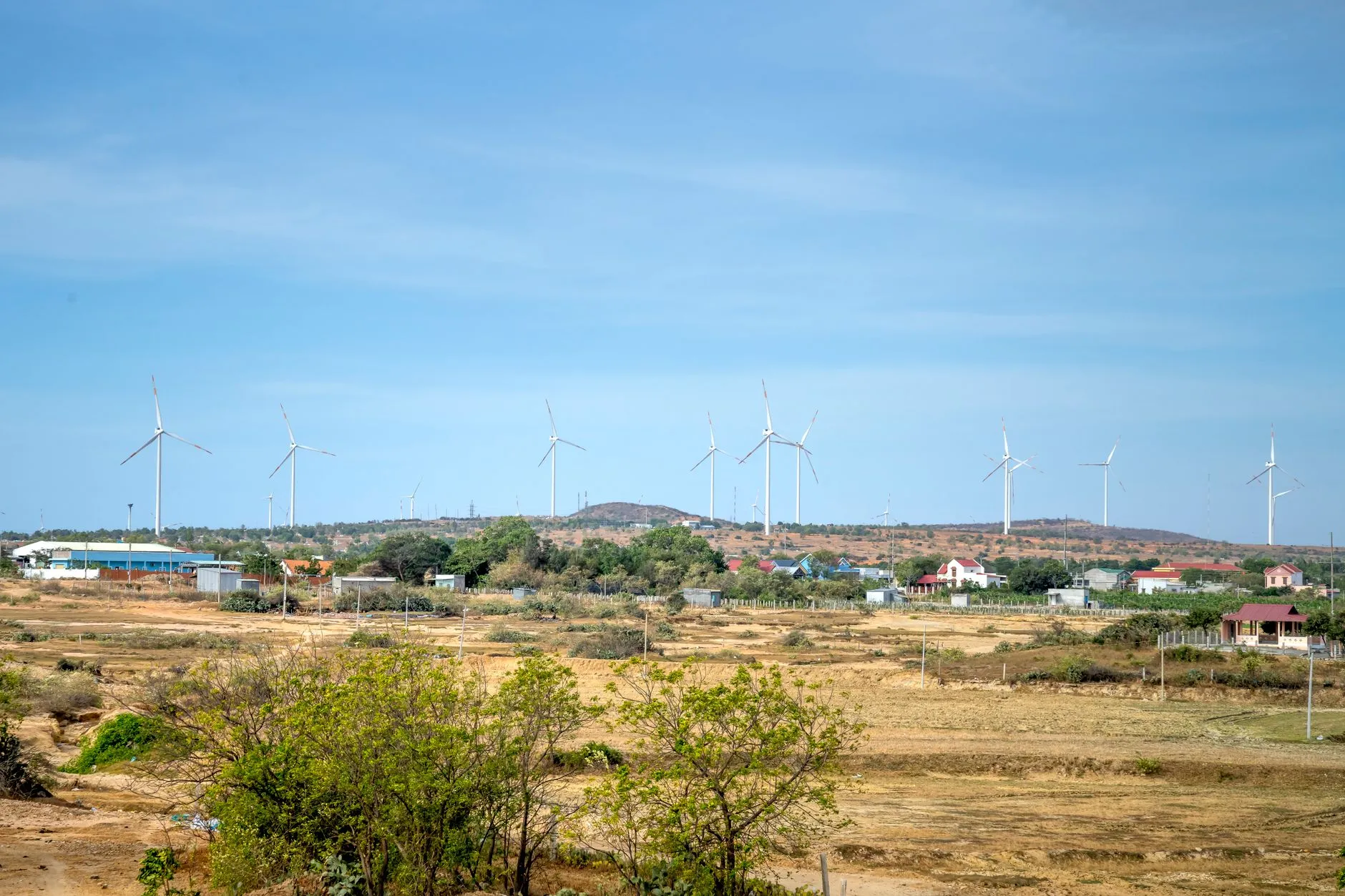
Global renewable power capacity hit a fresh record in 2025, yet the world remains well short of the pace needed to deliver the COP28 pledge made in Dubai two years ago. Countries agreed then to triple installed renewable capacity by the end of the decade. Fresh analysis linked to the COP31 Presidency, the International Renewable Energy Agency and the Global Renewables Alliance confirms that annual deployment must now roughly double to meet that commitment.
For UK businesses tracking sustainability policy, the gap between ambition and delivery carries direct consequences. Supply chain expectations, tender criteria and investor pressure all increasingly reflect these international climate targets. Moreover, the bottlenecks now slowing global deployment mirror challenges facing firms here: grid access, planning delays and capital availability.
Understanding where the energy transition stands globally helps businesses anticipate regulatory direction, infrastructure investment and the commercial landscape for clean energy procurement over the rest of this decade.
Current renewable deployment falls short of 2030 target
Total global renewable capacity reached 5.15 terawatts by the close of 2025. The year delivered a record 693 gigawatts of new installations. However, that growth rate still leaves the world off track for the goal agreed at COP28 in December 2023.
The target is approximately 11.2 terawatts of installed renewable power by 2030. Achieving it requires around 1,200 gigawatts of new capacity each year through the remainder of the decade, according to Reuters coverage of the new report. In other words, annual additions need to increase by nearly 75 per cent compared to 2025 levels.
Consequently, roughly six terawatts of new renewable generation must be built and connected between 2026 and 2030. That represents more capacity than the entire global renewable fleet that existed at the start of 2024.
The International Renewable Energy Agency has previously warned that sustained additions above one terawatt annually are necessary to align with a 1.5°C warming pathway. Their 2023 analysis showed total renewable capacity needed to grow from 3,382 gigawatts in 2022 to 11,174 gigawatts by decade end, with solar and wind expected to account for approximately 90 per cent of new installations.
COP28 agreement set tripling pledge for 2030
The target stems from the UAE Consensus reached at COP28. More than 100 countries signed up to triple renewable energy capacity by 2030 and double the annual rate of energy efficiency improvement.
That commitment built on years of prior climate negotiations. Nevertheless, it marked a significant shift in ambition. Previously, many national plans projected more modest growth in clean energy. The tripling pledge effectively reset expectations for how quickly the global energy system must change.
For businesses, the agreement signals policy direction across major economies. Governments that signed the pledge will face pressure to update regulation, planning rules and grid investment to make the target achievable. That in turn affects energy costs, procurement options and compliance obligations for firms operating in those markets.
UK companies supplying public sector clients already see this dynamic at work through Procurement Policy Note 06/21, which requires carbon reduction plans from bidders. Similar requirements are spreading internationally as governments seek to align procurement with climate commitments.
Investment and infrastructure gaps slow progress
Generation capacity alone no longer defines the main constraint. Grid access, interconnection queues and transmission infrastructure are now critical bottlenecks. Approximately 2,500 gigawatts of renewable, storage and large-load projects at advanced planning stages are currently waiting for grid connections worldwide.
Consequently, projects that have secured finance and planning permission can still face years of delay before they generate power. The problem is particularly acute in regions where renewable deployment has outpaced grid investment.
Addressing these infrastructure gaps requires substantial capital. Estimates suggest around $8.6 trillion in additional investment will be needed between 2026 and 2030 to deliver the required renewable capacity. Furthermore, grid expansion, modernisation and flexibility upgrades could demand up to $1 trillion annually, compared to roughly $525 billion spent in 2025.
The financing challenge is not limited to utility-scale projects. Businesses procuring renewable electricity through power purchase agreements or on-site generation face similar constraints. Long connection queues affect commercial solar installations. Grid capacity limits can restrict the volume of renewable power available under corporate contracts. These practical barriers shape what firms can achieve in their own decarbonisation plans.
Planning and permitting reforms also matter. Many countries have accelerated approval processes for renewable projects in recent years. However, the pace of reform has not kept up with the scale of deployment now required. Delays in planning decisions add cost and uncertainty, deterring some investment.
What this means for UK firms and supply chains
The global deployment gap has several implications for businesses operating in the UK. First, it highlights ongoing uncertainty around energy costs and availability. If renewable capacity growth continues below the pace needed to meet climate targets, fossil fuel generation may remain in the mix longer than anticipated. That affects both price volatility and the carbon intensity of grid electricity.
Second, the infrastructure bottlenecks facing renewable projects globally are present in the UK as well. National Grid has acknowledged that connection queues for new generation and large energy users have grown substantially. Firms planning to install on-site renewable generation or seeking grid connections for new facilities should expect longer lead times and higher connection costs than in the past.
Third, the gap between policy ambition and delivery creates regulatory risk. Governments under pressure to meet international commitments may introduce new mandates, reporting requirements or carbon pricing mechanisms at short notice. Businesses that monitor global climate policy developments are better placed to anticipate these changes.
Fourth, investor and customer expectations increasingly reflect international climate targets. Large institutional investors track corporate alignment with 1.5°C pathways. Major buyers ask suppliers about their carbon reduction plans and renewable energy use. The COP28 tripling pledge, even if currently off track, shapes the benchmarks against which businesses are assessed.
Finally, the financing gap for renewable infrastructure affects procurement markets. The supply of corporate power purchase agreements depends on developers securing capital for new projects. If investment slows due to grid constraints or policy uncertainty, the availability and pricing of renewable electricity contracts may tighten.
Essential points on the tripling target
- Global renewable capacity stood at 5.15 terawatts at the end of 2025, following a record 693 gigawatts of new installations during the year.
- The COP28 agreement commits countries to reach approximately 11.2 terawatts of renewable capacity by 2030, requiring around 1,200 gigawatts of annual additions from 2026 onward.
- Current deployment rates need to increase by nearly 75 per cent to meet the target, meaning roughly six terawatts of new capacity must be built in five years.
- Grid infrastructure, connection queues and transmission capacity are now major constraints, with about 2,500 gigawatts of renewable and storage projects waiting for grid access worldwide.
- Meeting the target will require approximately $8.6 trillion in renewable investment plus up to $1 trillion per year in grid upgrades through 2030.
- The gap between policy commitments and actual deployment creates regulatory and commercial uncertainty for businesses relying on renewable energy procurement and decarbonisation plans.
Planning for continued uncertainty and regulatory change
Businesses should treat the global renewable deployment gap as a signal of ongoing volatility in energy markets and climate policy. The targets set at COP28 remain in place. Governments will face mounting pressure to deliver on those commitments as 2030 approaches. That pressure typically translates into regulation, reporting requirements and market interventions.
Firms can take several practical steps in response. First, review your own decarbonisation plans against realistic assumptions about grid capacity and renewable electricity availability. If your plan relies on procuring large volumes of renewable power by a specific date, check whether the infrastructure will exist to support that. Engage with your energy suppliers or advisors to understand local grid constraints and connection timelines.
Second, consider diversifying your approach to carbon reduction. Over-reliance on a single pathway, such as grid-supplied renewable electricity, creates risk if that pathway encounters delays. Energy efficiency improvements, on-site generation, heat pump installations and supply chain engagement all contribute to emissions reductions and may face fewer infrastructure bottlenecks.
Third, monitor policy developments in the markets where you operate. The gap between current deployment and the 2030 target suggests governments will need to introduce stronger incentives, mandates or carbon pricing to accelerate progress. Early awareness of these changes allows you to plan rather than react.
Fourth, treat carbon reporting and emissions measurement as a foundation for decision-making, not merely a compliance exercise. Understanding your baseline, tracking progress and identifying reduction opportunities becomes more important as policy tightens. Our net-zero program supports carbon reporting compliance for businesses preparing for stricter requirements.
Finally, recognise that sustainability credentials increasingly affect competitiveness. Public sector buyers already require carbon reduction plans under Procurement Policy Note 06/21. Private sector supply chains are moving in the same direction. Demonstrating credible progress on emissions reduction, backed by data and aligned with recognised standards, protects your position in those markets. Our compliance services help firms meet ESG reporting and regulatory requirements as expectations evolve.
Where to find authoritative information and updates
The International Renewable Energy Agency publishes regular tracking reports on global renewable capacity and progress toward climate targets. Their analysis provides detailed breakdowns by technology and region.
The UK government's Department for Energy Security and Net Zero sets out national policy on renewable energy, grid infrastructure and decarbonisation. Their publications include consultations, strategy documents and updates on regulatory changes affecting businesses.
For grid connection information specific to the UK, National Grid offers guidance on application processes, queue management and capacity availability. This is essential reading if your business is considering on-site generation or expanding operations with significant electricity demand.
The United Nations Framework Convention on Climate Change website tracks international climate agreements, including the outcomes from COP28 and subsequent negotiations. This helps businesses understand the policy context driving regulatory changes in multiple markets.