
Royal Mail's Electric Fleet Reaches 9,000 Vans
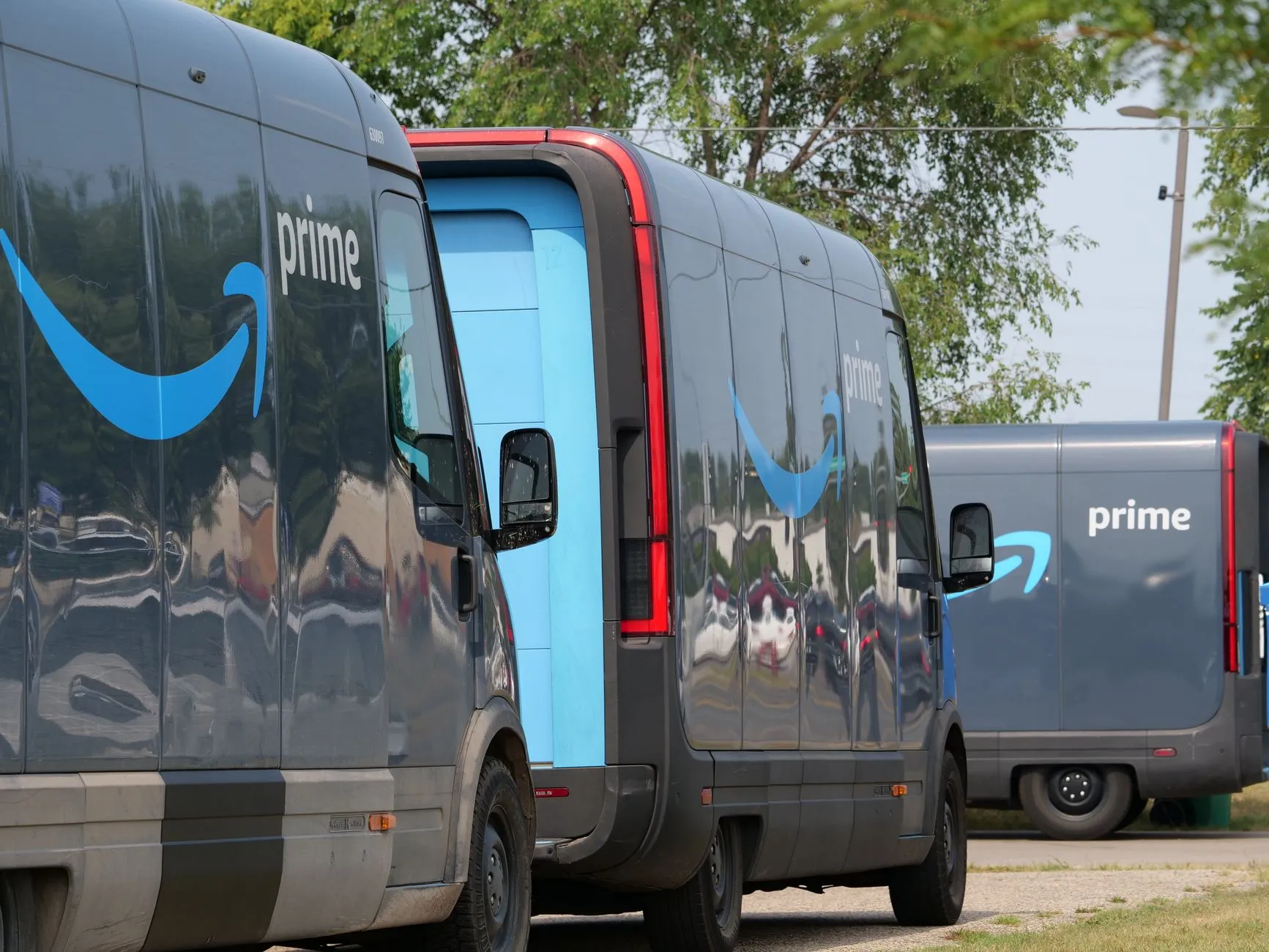
Royal Mail adds 9,000th electric van to delivery fleet
Royal Mail has taken delivery of its 9,000th electric van. The milestone confirms the company operates the UK's largest electric delivery fleet. It also shows the business remains on track for its 2040 net zero target.
The figure matters because it demonstrates Royal Mail's electrification programme continues to expand at scale. The company reported around 7,000 electric vans in its fleet earlier in its sustainability updates. Later reporting showed the fleet had grown to more than 8,500 vehicles. The latest delivery takes that total past 9,000.
Royal Mail describes the 9,000th vehicle as a major milestone in its work to transform the fleet. The van joins an already substantial zero-emission network. For example, Colchester Delivery Office alone operates more than 120 electric vehicles. That gives a sense of the deployment density across the business.
The company said the change is helping it cut emissions while delivering quieter, cleaner services in communities across the UK. Urban areas in particular benefit from reduced noise and improved air quality. These are tangible improvements for residents and businesses on delivery routes.
Steps to Zero strategy drives fleet transformation
The 9,000th electric van forms part of Royal Mail's broader Steps to Zero strategy. This programme combines fleet electrification with cleaner energy and fuel choices across operations. The approach covers last-mile delivery vans, charging infrastructure, and low-carbon fuels for larger vehicles.
Royal Mail has been rolling out electric vans for several years. However, the pace of deployment has increased significantly. Recent reporting shows the company deployed more than 2,000 electric vans over the past year alone. That level of expansion indicates a shift from pilot projects to operational scale.
The fleet now includes more than 8,500 electric vans, with the 9,000th vehicle pushing that figure higher. Consequently, a growing share of delivery routes now use zero-emission vehicles. This shift affects daily operations across hundreds of delivery offices nationwide.
Royal Mail is also investing in charging infrastructure to support the expanded fleet. Many electric vans are charged on-site at delivery offices using 100% renewable electricity. This means the vehicles produce zero emissions at the tailpipe and draw power from clean sources. The combination reduces the overall carbon footprint of each delivery.
In addition to vans, Royal Mail is exploring electric heavy goods vehicles and alternative fuels for larger vehicles. These measures form part of the same 2040 net zero commitment. The company recognises that decarbonising the entire fleet requires different solutions for different vehicle types.
What the 9,000-van milestone means for UK businesses
For UK businesses, Royal Mail's fleet electrification has several practical implications. First, it shows that large-scale electric vehicle deployment is feasible for logistics operations. Many businesses question whether electric vans can handle the demands of daily delivery routes. Royal Mail's experience provides evidence that the technology works at scale.
Second, the expansion affects supply chain expectations. Businesses increasingly face questions about the carbon footprint of their deliveries. As a result, customers and procurement teams want to know how goods are transported. A delivery fleet powered by electric vehicles can help businesses demonstrate progress on emissions reduction.
Third, the shift to electric vans improves urban air quality. This matters for businesses operating in cities where air pollution and noise restrictions are tightening. Electric delivery vehicles produce no tailpipe emissions and operate more quietly than diesel vans. Therefore, they face fewer restrictions in low-emission zones and residential areas.
Fourth, Royal Mail's charging infrastructure investment shows the importance of planning for operational needs. Businesses considering electric vehicles need to think about where and how vehicles will charge. On-site charging using renewable electricity offers a practical solution for businesses with central depots or fixed delivery routes.
Fifth, the timeline matters. Royal Mail aims for net zero operations by 2040. However, the company is deploying electric vans now rather than waiting until the deadline approaches. This suggests businesses should start planning their own fleet transitions sooner rather than later. Lead times for vehicles, charging infrastructure, and staff training can be significant.
Finally, the scale of deployment affects resale markets and vehicle availability. As more businesses electrify their fleets, demand for electric vans increases. Early adopters may find better vehicle availability and more developed charging networks. Waiting until the transition becomes mandatory could mean higher costs and longer delivery times.
Royal Mail's fleet electrification in numbers
Here are the key facts about Royal Mail's electric vehicle deployment:
- Royal Mail now operates 9,000 electric vans, making it the UK's largest electric delivery fleet.
- The company deployed more than 2,000 electric vans over the past year, showing sustained expansion of the programme.
- More than 120 electric vehicles operate from Colchester Delivery Office alone, demonstrating high deployment density at individual sites.
- Many electric vans charge on-site at delivery offices using 100% renewable electricity, reducing overall carbon footprint.
- Royal Mail aims for net zero operations by 2040 as part of its Steps to Zero strategy.
- The fleet expansion includes investment in charging infrastructure and exploration of electric heavy goods vehicles for larger loads.
- Electric vans produce zero tailpipe emissions and operate more quietly than diesel vehicles, improving urban air quality and reducing noise pollution.
Practical considerations for businesses reviewing fleet options
Royal Mail's experience offers useful lessons for businesses considering their own fleet transitions. The company's deployment shows that electric vans can handle demanding delivery schedules. However, successful electrification requires careful planning and investment in supporting infrastructure.
Businesses should start by reviewing their delivery routes and vehicle usage patterns. Electric vans work well for predictable routes with known distances. Vehicles that return to a central depot each day can charge overnight using standard infrastructure. This makes them suitable for last-mile delivery, service calls, and local distribution.
Charging infrastructure is critical. Businesses need to assess their sites and determine where chargers can be installed. On-site charging offers the most control and convenience. However, it requires electrical capacity upgrades in some locations. Therefore, businesses should factor in both charger costs and potential electrical work when budgeting for fleet electrification.
Vehicle range has improved significantly in recent years. Modern electric vans can cover typical daily delivery routes without difficulty. Nevertheless, businesses should verify that available models meet their specific needs. Payload capacity, cargo volume, and range all vary between models. Matching vehicles to actual requirements prevents operational problems later.
Staff training matters too. Drivers need to understand how electric vehicles operate, how to charge them correctly, and how to maximise range. Maintenance teams require different skills and tools compared to diesel vehicles. Consequently, businesses should plan for training costs and potential recruitment needs.
Total cost of ownership often favours electric vehicles over their lifetime. Electric vans have lower fuel costs and reduced maintenance requirements. However, upfront purchase prices remain higher than diesel equivalents. Businesses should calculate whole-life costs rather than focusing solely on initial purchase price. Government grants and incentives can help offset the higher upfront costs.
Timing is important. Lead times for electric vans can be longer than for diesel vehicles due to high demand. Charging infrastructure installation also takes time, particularly if electrical upgrades are needed. Therefore, businesses should start planning their transitions well before they need new vehicles. This allows time to address infrastructure requirements and secure vehicle orders.
For businesses supplying the public sector, fleet electrification may become a procurement requirement. Government buyers increasingly expect suppliers to demonstrate environmental commitments. Electric delivery vehicles can help businesses meet these expectations and remain competitive in public sector tenders. Our sustainable procurement support helps businesses understand and respond to these requirements.
How fleet electrification fits into broader sustainability strategies
Fleet electrification forms part of a wider business response to emissions reduction requirements. Many businesses face pressure from multiple directions to reduce their carbon footprint. Customers, investors, and regulators all expect progress on environmental performance.
For businesses with net zero commitments, transport often represents a significant emissions source. Scope 1 emissions from company-owned vehicles count directly against carbon reduction targets. Consequently, switching to electric vehicles offers a clear route to cutting these emissions. Our net zero programme helps businesses develop comprehensive carbon reduction strategies that include transport emissions.
Fleet emissions also affect Scope 3 calculations. Businesses that use third-party delivery services count those emissions in their Scope 3 inventory. Therefore, choosing suppliers with electric fleets can help reduce overall carbon footprint. This makes Royal Mail's fleet electrification relevant not just for the company itself but also for its business customers.
Electric vehicles contribute to improved air quality in urban areas. This matters for businesses operating in cities where air pollution regulations are tightening. London's Ultra Low Emission Zone charges apply to older diesel vehicles. Other cities are introducing similar measures. Electric vehicles avoid these charges and access restrictions.
Noise reduction is another benefit. Electric vans operate more quietly than diesel vehicles. This makes them suitable for early morning or late evening deliveries in residential areas. Businesses can therefore extend their operating hours without disturbing communities. This flexibility can improve service levels and operational efficiency.
However, fleet electrification alone does not achieve net zero. Businesses need to consider the source of electricity used for charging. Renewable electricity ensures vehicles remain zero-emission throughout their use. On-site solar panels or renewable energy contracts can provide clean power for charging. This approach mirrors Royal Mail's use of 100% renewable electricity at many delivery offices.
Businesses should also consider embodied carbon in vehicle manufacturing. Electric vehicles have higher manufacturing emissions than diesel equivalents, mainly due to battery production. However, this carbon debt is typically paid back within two to three years of use. Over the vehicle's lifetime, electric vans produce significantly lower total emissions.
Government policy and regulatory context
The UK government has set a clear direction for vehicle emissions. Sales of new petrol and diesel cars and vans will end in 2035. This means businesses have around a decade to transition their fleets to electric or other zero-emission vehicles. However, waiting until the deadline approaches could create problems with vehicle availability and charging infrastructure.
The government's net zero strategy identifies transport as a priority sector for emissions reduction. Road transport currently accounts for a significant share of UK emissions. Therefore, electrifying vehicle fleets forms an essential part of national decarbonisation efforts.
The Department for Transport offers various grants and incentives for electric vehicle purchases. The Plug-in Van Grant provides funding towards the purchase of eligible electric vans. This helps offset the higher upfront costs compared to diesel vehicles. However, grant rates and eligibility criteria change over time, so businesses should check current offerings before making purchase decisions.
Public sector procurement rules increasingly favour low-emission suppliers. Procurement Policy Note 06/21 requires suppliers bidding for major government contracts to publish carbon reduction plans. These plans must include commitments to achieve net zero. For businesses with delivery fleets, electrification demonstrates tangible progress towards these commitments.
Local authorities are also introducing clean air zones and low emission zones in cities across the UK. These zones charge or restrict access for higher-emission vehicles. Electric vans avoid these charges and restrictions. Consequently, businesses operating in multiple cities benefit from the flexibility that electric vehicles provide.
Building regulations and planning policies increasingly require new commercial developments to include electric vehicle charging infrastructure. This makes it easier for businesses to install chargers at new facilities. However, retrofitting existing sites can be more complex and expensive. Therefore, businesses should consider charging requirements when planning facility upgrades or relocations.
Where to find more information
Businesses wanting to learn more about fleet electrification and net zero planning can access several authoritative resources. The Department for Energy Security and Net Zero provides policy updates and guidance on decarbonisation strategies. The Environment Agency offers information on emissions reporting and environmental compliance.
For practical guidance on electric vehicles, the Energy Saving Trust provides independent advice on vehicle choices, charging infrastructure, and total cost of ownership. The organisation also administers government grant schemes for electric vehicle purchases.
Our compliance support services help businesses understand and meet their environmental reporting requirements, including Scope 1 and Scope 3 emissions from transport. We also provide training through SBS Academy on carbon reduction strategies and sustainable business practices.