
Sanofi, UCB and Opella join AstraZeneca in Clean Heat Program
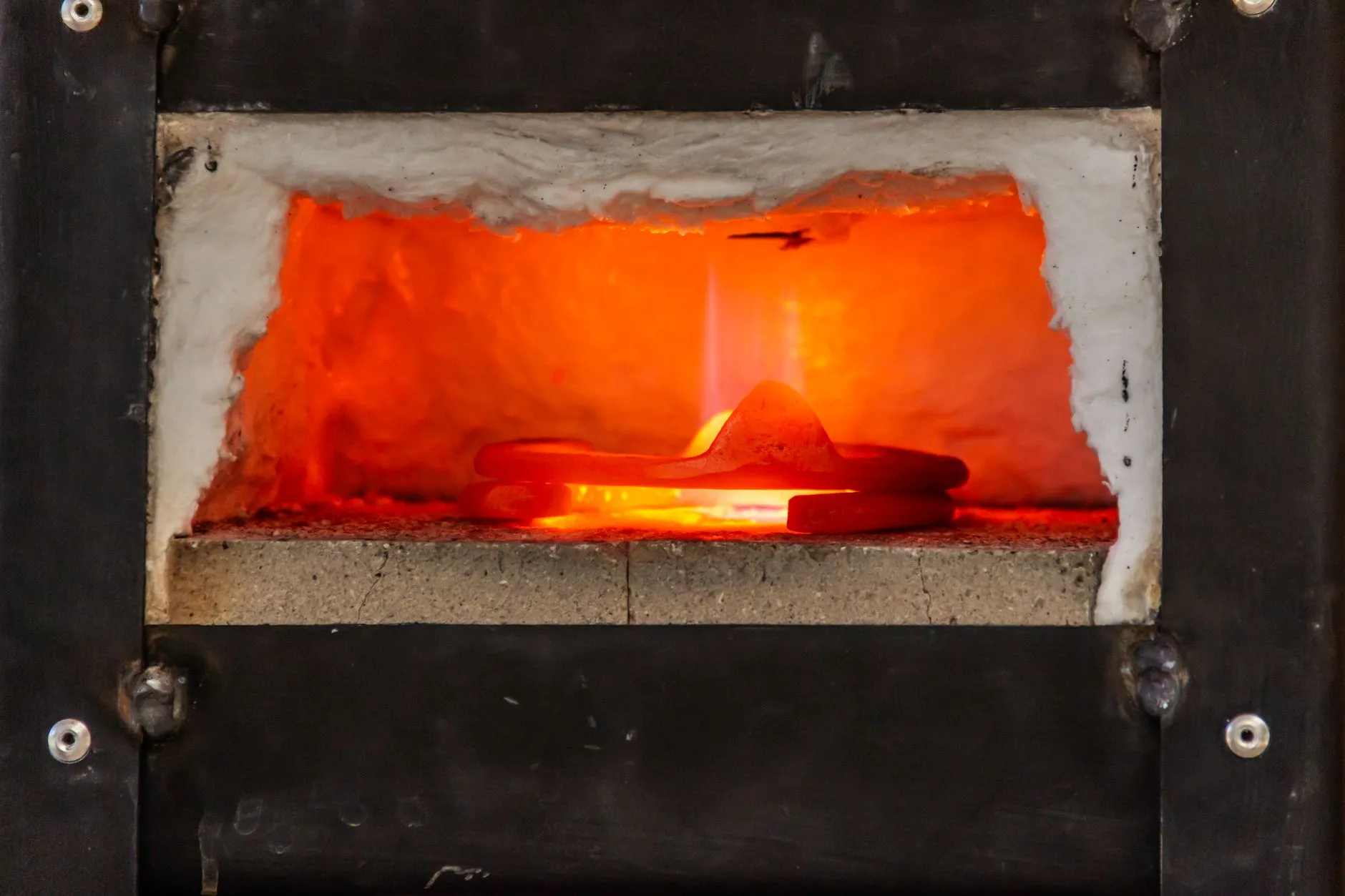
Four major pharmaceutical companies now back a shared program to move their suppliers away from fossil fuel heating systems. The initiative targets industrial heat, a stubborn emissions source across manufacturing supply chains that has historically resisted quick fixes.
Sanofi, UCB and Opella have joined AstraZeneca as founding members of the Clean Heat Program. The scheme provides technical and financial support for suppliers looking to replace gas and oil heating with lower-carbon alternatives. Secaro, a supply chain intelligence network, leads the program alongside ERM, a sustainability consultancy.
Industrial heat powers countless manufacturing processes. Factories use it to generate steam, maintain process temperatures, and dry materials. Most of this heat still comes from burning fossil fuels. For pharmaceutical companies with complex supply chains, heat-related emissions sit firmly in Scope 3 territory. That makes them harder to control than direct emissions from owned facilities.
The program addresses a gap between climate commitments and practical action. Many suppliers face genuine obstacles when considering cleaner heat systems. Technical expertise may be limited. Capital costs can seem prohibitive. Business cases remain unclear. Equipment upgrades bring disruption risks that suppliers are reluctant to shoulder alone.
AstraZeneca's initial commitment expands into sector collaboration
AstraZeneca became the first pharmaceutical member in December 2025. The company framed industrial heating as a priority emissions hotspot and committed to working with suppliers on practical solutions. It has publicly linked this effort to clean heat projects across operations in the United States, United Kingdom, China and Ireland.
Those projects include biomethane supply arrangements and other renewable-based heating systems. AstraZeneca's approach signals an understanding that Scope 3 reductions require more than supplier questionnaires. Real progress depends on helping partners access technology, funding and know-how.
The expansion to four founding members changes the dynamic considerably. When multiple large buyers coordinate their efforts, suppliers face a stronger commercial incentive to act. A single customer requesting heat system upgrades might be ignored or deprioritised. However, when several major accounts make similar requests and offer support, the calculation shifts.
Sanofi has committed to cutting emissions across all scopes by 90% between 2019 and 2045. UCB aims for a 90% absolute reduction in Scope 1, 2 and 3 emissions by 2045, with plans to neutralise remaining emissions. Opella targets a 58.8% absolute cut by 2034 and 90% by 2050, measured from a 2023 baseline.
These targets cover direct operations and value chain emissions. For companies with extensive supplier networks, achieving 90% reductions means tackling emissions embedded in purchased goods and services. Industrial heat represents a material portion of that challenge, particularly for suppliers running energy-intensive manufacturing processes.
Industrial heat remains a difficult decarbonisation challenge
Heat decarbonisation lags behind electricity decarbonisation for good reasons. Renewable electricity has become commercially competitive in many markets. Grid infrastructure exists to distribute it. Technologies like solar panels and wind turbines have matured rapidly over two decades.
Industrial heat faces different constraints. Many processes require high temperatures that electric heat pumps cannot easily deliver. Hydrogen-based heating remains expensive and infrastructure-light. Biomethane supplies are limited and sometimes contested on sustainability grounds. Electric boilers work in some applications but may require significant electrical infrastructure upgrades.
Furthermore, pharmaceutical manufacturing operates under strict quality and safety requirements. Process changes must be validated. Continuity of supply cannot be compromised. Switching heating systems is not simply an engineering exercise. It touches regulatory compliance, product quality and operational risk.
Suppliers serving pharmaceutical clients often operate on thin margins. Investing in cleaner heat systems without clear customer commitment feels risky. Will the customer pay a premium for lower-carbon products? Will competitors undercut on price while avoiding the investment? Does the customer's climate strategy have staying power, or will priorities shift when economic conditions tighten?
The Clean Heat Program attempts to address these questions by pooling buyer influence and providing structured support. Rather than each supplier navigating technical and financial barriers independently, the program offers shared resources. That could include site assessments, technology guidance, business case development and potentially access to financing mechanisms.
ERM has described the program as tackling key challenges including limited expertise, insufficient supply chain engagement, funding constraints and system upgrade complexities. This framing acknowledges that barriers to clean heat adoption are not primarily about supplier indifference. They stem from real capability gaps and commercial uncertainties.
Scope 3 strategy moves from targets to implementation
Many UK businesses now report Scope 3 emissions and set reduction targets. Fewer have figured out how to drive actual reductions across dispersed supply chains. The gap between ambition and implementation has become a recognised problem, particularly for companies pursuing science-based targets aligned with 1.5°C pathways.
Supplier engagement often stalls at data collection. Companies ask suppliers to complete carbon footprint questionnaires. Some suppliers respond with accurate data. Others provide estimates or ignore requests entirely. Even when data arrives, it rarely translates into emissions reductions without follow-up action.
Programs like Clean Heat represent a different approach. Instead of simply asking suppliers to reduce emissions, participating companies offer practical support. That shifts the relationship from one-way demands to collaborative problem-solving. Suppliers gain access to expertise and potentially financial assistance. Buyers gain confidence that reductions are achievable and sustained.
This model could prove particularly relevant for businesses pursuing public sector contracts. PPN 06/21 requires suppliers bidding for central government contracts above certain thresholds to publish carbon reduction plans. Those plans must cover Scope 3 emissions and demonstrate credible pathways to net zero.
A supplier that can point to participation in buyer-led decarbonisation programs demonstrates more than intent. It shows access to resources and a concrete action pathway. For businesses preparing tender responses, that distinction matters. Procurement teams increasingly scrutinise the credibility of carbon reduction plans rather than accepting aspirational statements at face value.
What UK suppliers should understand about this development
If you supply pharmaceutical companies or operate in adjacent manufacturing sectors, this development suggests several things. First, expect increased attention to industrial heat emissions from large customers. The Clean Heat Program may be pharma-led now, but the underlying logic applies across industries with thermal energy needs.
Second, requests for heat system upgrades may arrive with support rather than just requirements. That changes the risk-reward equation. When buyers offer technical assistance and potentially help with financing, the barriers to action lower. You may want to engage proactively rather than waiting for formal requests.
Third, early movers could gain competitive advantage. Suppliers that invest in cleaner heat systems position themselves favourably with multiple customers pursuing similar goals. Conversely, those that delay may find themselves at a disadvantage when procurement decisions factor in supplier emissions performance.
The business case for action strengthens when several factors align. Customer demand provides revenue security. Technical support reduces implementation risk. Financing assistance addresses capital constraints. Early evidence suggests programs offering this combination achieve better uptake than isolated initiatives.
For businesses already reporting carbon emissions, industrial heat likely appears as a significant line item. Understanding the specific technologies and costs relevant to your processes becomes commercially important. Heat pumps, biomethane, hydrogen, electric boilers and renewable heat networks each suit different applications and come with different cost profiles.
Businesses that have not yet quantified their heat-related emissions should consider doing so. That baseline enables informed conversations with customers participating in decarbonisation programs. It also supports internal decision-making about which heat system upgrades deliver the best return on investment.
Essential points about the Clean Heat Program expansion
- Four pharmaceutical companies now sponsor the Clean Heat Program: AstraZeneca, Sanofi, UCB and Opella, with Secaro and ERM leading implementation.
- The program provides technical and financial support to help suppliers replace fossil fuel heating with lower-carbon alternatives across manufacturing operations.
- AstraZeneca joined as the first member in December 2025, bringing experience from biomethane and renewable heat projects in four countries.
- All four founding members hold science-based targets requiring 90% emissions cuts across Scopes 1, 2 and 3 by 2045 or 2050.
- Industrial heat represents a difficult decarbonisation challenge due to high temperature requirements, infrastructure constraints and strict quality standards in pharmaceutical manufacturing.
- The expansion from one to four founding members strengthens the commercial signal to suppliers and increases available resources for implementation support.
- Supplier participation could strengthen tender competitiveness, particularly for contracts requiring credible carbon reduction plans under frameworks like PPN 06/21.
Where collaborative programs fit within net zero planning
Businesses developing net zero strategies often underestimate the value of collaborative approaches to Scope 3 emissions. Individual companies working alone face higher costs and greater uncertainty. Collaborative programs pool resources, share learning and distribute risk.
The Clean Heat Program exemplifies sector-specific collaboration focused on a defined technical challenge. This model differs from broad industry initiatives that lack operational specificity. When programs target particular processes like industrial heating, they can deliver tangible guidance rather than general principles.
For UK manufacturers and suppliers, watching these developments matters even if you do not currently serve pharmaceutical companies. Similar collaborative approaches may emerge in chemicals, food manufacturing and other sectors with significant heat requirements. The underlying barriers are comparable, as are the potential solutions.
Businesses pursuing net zero should consider where their emissions profiles overlap with those of peer companies or major customers. Those overlaps represent opportunities for shared action. A supplier struggling to justify investment in cleaner heat systems might find the business case improves dramatically when multiple customers coordinate their requirements.
Similarly, businesses buying from carbon-intensive supply chains should consider whether isolated supplier engagement delivers sufficient results. If you face Scope 3 reduction challenges similar to those of other companies in your sector, coordinated programs may prove more effective than individual efforts.
The pharmaceutical industry's choice to focus on industrial heat reflects strategic thinking about where collaboration adds most value. Heat decarbonisation is technically complex, capital-intensive and infrastructure-dependent. Those characteristics make it well-suited to coordinated action. Other shared challenges, like logistics emissions or packaging materials, might benefit from similar approaches.
Companies assessing their own Scope 3 strategies might ask which emission sources share these characteristics. Where technical barriers are high, where infrastructure investment is required, and where suppliers face similar challenges across multiple customers, collaborative programs deserve consideration.
Our net zero program for carbon reporting compliance helps businesses identify material Scope 3 emissions sources and develop reduction strategies that balance ambition with commercial reality. We work with UK manufacturers and suppliers navigating customer sustainability requirements and building credible carbon reduction plans.
Authoritative sources for further information
Businesses wanting to understand more about industrial heat decarbonisation and supply chain climate action can consult several authoritative sources. These resources provide technical guidance, policy context and practical case studies.
The Department for Energy Security and Net Zero publishes guidance on industrial decarbonisation pathways relevant to UK manufacturers. This includes information about available support schemes and technology options for replacing fossil fuel heating systems.
The Environment Agency provides regulatory guidance on emissions reporting that applies to businesses with environmental permits. Understanding these requirements helps ensure any heat system upgrades align with compliance obligations.
For businesses preparing to respond to procurement sustainability requirements, the government's guidance on PPN 06/21 carbon reduction plans clarifies expectations for suppliers bidding on central government contracts. This includes specific requirements for addressing Scope 3 emissions.
The Institution of Environmental Management and Assessment offers professional resources on carbon management and supply chain sustainability. Their guidance documents provide practical frameworks for businesses developing emissions reduction strategies.
These sources offer evidence-based information to inform strategic decisions about heat decarbonisation, supply chain engagement and climate compliance. They complement programs like Clean Heat by providing the regulatory and technical context within which collaborative initiatives operate.