
Santander and VodafoneThree Launch Resilience Programme with National Emergencies Trust
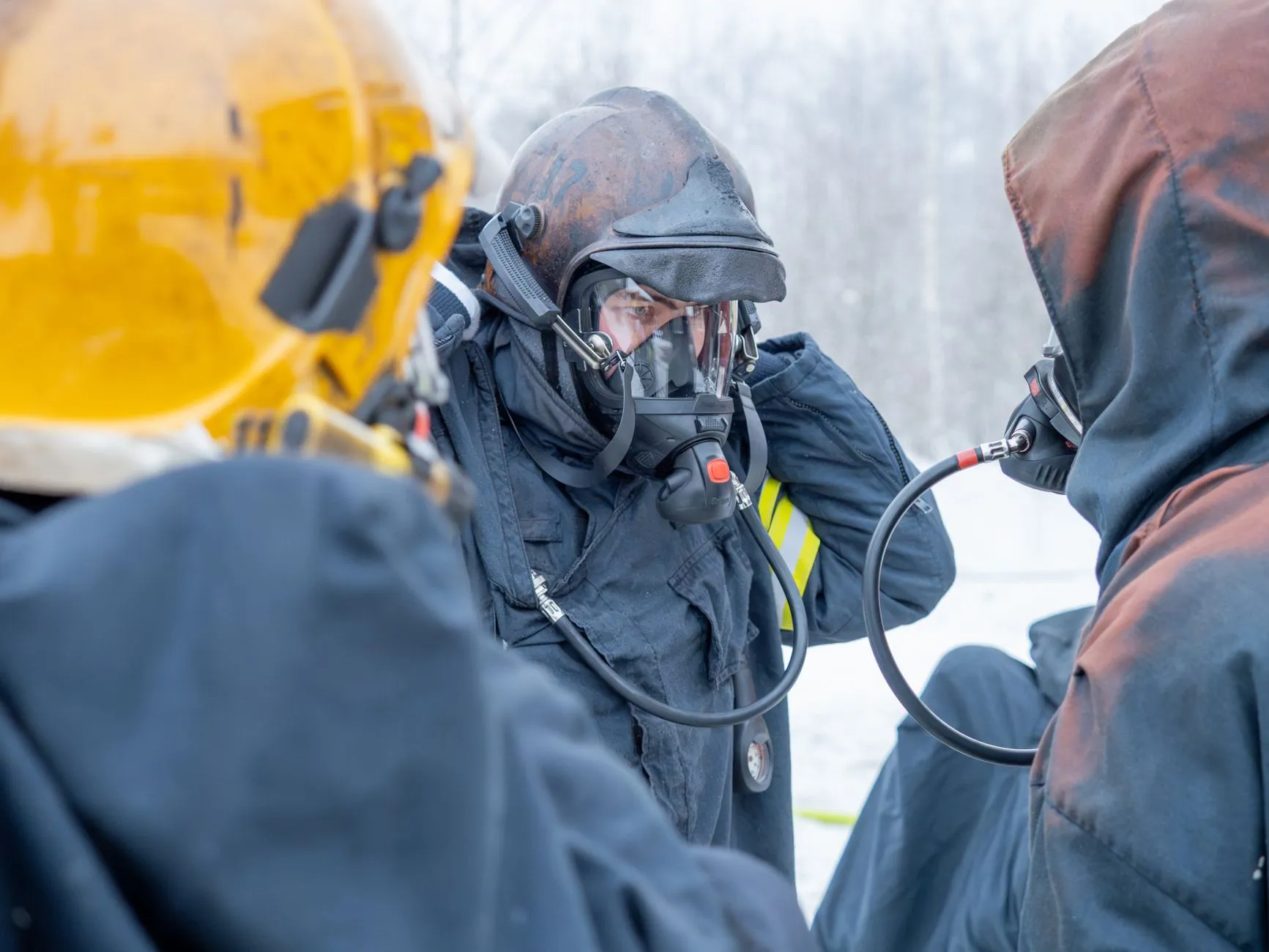
A new partnership between Santander, VodafoneThree, and the National Emergencies Trust marks a shift in how the UK approaches disaster preparedness. Announced in late September 2026, the collaboration brings private sector scale and capability into community resilience planning. The focus is building local readiness for emergencies, particularly those linked to extreme weather.
For UK businesses, this matters because it reflects a wider policy direction. Resilience is no longer treated purely as a government responsibility. Instead, companies are being drawn into preparedness frameworks that affect supply chains, staff welfare, and operational continuity. Understanding this trend helps businesses anticipate new expectations around crisis planning and community support.
The National Emergencies Trust, established in November 2019, coordinates disaster relief across the UK. During the COVID-19 pandemic, it raised nearly £100 million and distributed funds through regional foundations. Now, with Santander and VodafoneThree as Patron Partners, NET is developing a Community Resilience Strategy designed to strengthen local preparedness before, during, and after crises.
Banking and telecoms meet emergency planning
The partnership combines distinct capabilities from two major sectors. VodafoneThree brings network infrastructure and communications expertise. Santander offers national reach through its branch network and community links. Together, they support NET's aim to embed resilience planning at local level.
This collaboration was formalised on 30 September 2026 through VodafoneThree's press office. The companies will work with NET to design and deliver a strategy that helps communities plan together for emergencies. Extreme weather events are the primary focus, reflecting growing concern about climate-related disruption.
The UK government's resilience framework, published in 2022, describes preparedness as a "whole of society" task. It explicitly encourages private sector involvement in risk management and emergency response. Consequently, partnerships like this one fit a deliberate policy shift toward shared responsibility.
Research from the University of Manchester's National Consortium for Societal Resilience highlights the importance of local relationships during emergencies. Communities with strong social connections and established support networks recover faster. Therefore, building those connections before a crisis arrives becomes a priority.
Why companies are joining resilience planning now
Several factors explain the timing. First, extreme weather events are becoming more frequent and costly across the UK. Flooding, storms, and heatwaves disrupt transport, damage property, and strain infrastructure. Businesses face direct impacts through premises closures, supply chain delays, and staff absences.
Second, public expectations of corporate responsibility have expanded. Customers and employees increasingly expect companies to contribute during crises. Visible participation in resilience programmes builds trust and demonstrates commitment beyond commercial activity.
Third, regulatory and policy pressure is growing. Government frameworks now assume private sector involvement in preparedness. Companies that engage early can shape how those frameworks develop. Moreover, they gain insight into emerging risks that could affect operations.
Fourth, insurance and risk management considerations are changing. Insurers are paying closer attention to resilience planning when assessing cover and pricing. Businesses with clear continuity plans and community links may find better terms.
How the partnership model could work
VodafoneThree's contribution likely centres on communications infrastructure. During emergencies, reliable networks become essential for coordination, alerts, and welfare checks. The company may provide priority access, backup systems, or community engagement tools.
Santander's role could involve financial support, community outreach, and trust-building. Its branch network reaches many small towns and regional centres. These locations often serve as gathering points during crises, making the physical presence valuable.
NET coordinates the overall strategy, drawing on its experience from COVID-19 and other disasters. It connects national resources with local needs, ensuring funds and support reach communities quickly. The charity's independence allows it to work across sectors without political constraints.
The Community Resilience Strategy will likely include training, planning resources, and communication tools for local groups. It may also establish networks between community organisations, businesses, and emergency services. Furthermore, it could create funding mechanisms for small-scale preparedness projects.
Implications for supply chains and business continuity
This partnership highlights a broader shift in how disruption is understood. Previously, businesses treated emergencies mainly as insurance events or force majeure situations. Now, preparedness is becoming a shared infrastructure challenge.
Supply chains are particularly vulnerable to weather-related disruption. Flooding can close roads and rail lines for days. Heatwaves strain energy grids and affect worker productivity. Storms damage facilities and delay deliveries. Consequently, resilience planning now extends beyond individual companies to regional networks.
Manufacturers with just-in-time systems face particular risks. A single supplier unable to deliver due to local flooding can halt production. Therefore, understanding community resilience in key supplier locations becomes a practical concern.
Service businesses also need to consider staff welfare during emergencies. Employees unable to reach work safely affect operations. Companies that support community preparedness may find their own workforce benefits from improved local infrastructure and response capability.
Public sector suppliers should note this trend carefully. Procurement increasingly includes resilience criteria. Demonstrating involvement in community preparedness could become relevant when tendering for contracts. Additionally, PPN 06/21 requirements for carbon reporting already signal that social and environmental factors matter in supplier selection.
Weather disruption as a growing business risk
Extreme weather is no longer an occasional outlier. Met Office data shows measurable increases in heavy rainfall events, heatwave days, and storm intensity across the UK. These changes affect business operations in direct and indirect ways.
Direct impacts include physical damage to premises, equipment, and stock. Indirect effects include transport delays, energy supply interruptions, and reduced customer footfall. Both types of disruption carry costs that can be reduced through better preparedness.
Insurance claims for weather damage have risen significantly over the past decade. Premiums reflect this trend, with some locations and sectors seeing sharp increases. Businesses that demonstrate resilience planning may negotiate better terms or access specialist cover.
Reputation matters too. Companies seen as unprepared or unhelpful during crises face criticism. Conversely, those that support communities and maintain services during difficult periods build goodwill and customer loyalty.
Community preparedness programmes now reaching SMEs
Large corporations have always had business continuity teams and crisis plans. However, smaller firms often lack dedicated resources for resilience planning. Community-level programmes could help fill this gap by providing shared infrastructure and support.
Local resilience forums bring together councils, emergency services, and community groups. Private sector participation in these forums is growing. SMEs that join gain access to planning resources, alert systems, and mutual aid networks.
Practical measures include identifying alternative suppliers, establishing emergency communication channels, and planning for staff safety. These steps don't require large budgets but do need systematic thinking and local coordination.
Trade associations and business networks can play a role too. Sector-specific guidance on weather risks and continuity planning helps members prepare without duplicating effort. For instance, manufacturers may share best practice on protecting equipment, while retailers focus on supply chain alternatives.
What businesses should understand about resilience partnerships
- The UK government's resilience framework explicitly calls for private sector involvement in emergency preparedness, shifting responsibility beyond public agencies alone.
- Extreme weather events are increasing in frequency and severity across the UK, creating direct operational risks for businesses of all sizes.
- Community-level preparedness improves outcomes during crises by strengthening local networks, communication systems, and mutual support capabilities.
- Insurance costs and availability increasingly reflect resilience planning, making preparedness a financial consideration as well as an operational one.
- Public sector procurement criteria now include social and environmental factors, potentially rewarding businesses that demonstrate community engagement and resilience planning.
- Supply chain vulnerability extends to local infrastructure and community capacity, not just individual supplier arrangements.
Practical considerations for SMEs and their advisors
Businesses don't need to launch major programmes to improve resilience. However, understanding the policy direction and considering practical steps makes sense. Start by identifying which weather events pose the greatest risk to your operations. Flooding, power cuts, and transport disruption are common concerns.
Next, review your business continuity arrangements. Do you have alternative suppliers if primary sources are disrupted? Can staff work remotely if premises become inaccessible? Are important documents and data backed up securely? These basic questions reveal gaps quickly.
Consider joining local resilience forums or business continuity networks. Many councils run these groups and welcome SME participation. They provide access to planning tools, early warning systems, and peer support. Furthermore, they connect you with emergency services and community organisations.
Check your insurance cover against realistic weather scenarios. Standard policies may exclude certain events or impose strict conditions. Specialist advice can identify gaps and find appropriate additional cover. Additionally, insurers often provide risk assessment resources that help with planning.
If you supply the public sector, review tender requirements for resilience and sustainability. Frameworks like PPN 06/21 already require carbon reporting. Future procurement may include broader resilience criteria. Early preparation gives you competitive advantage.
Our compliance support services help businesses navigate environmental reporting requirements and build resilience into their operations. We work with SMEs to identify practical steps that meet regulatory expectations while improving business continuity.
The policy context behind private sector involvement
The 2022 UK resilience framework represents a significant policy shift. It moves away from treating emergencies as purely government problems toward shared responsibility across sectors. This change reflects both resource constraints and recognition that effective resilience requires local knowledge and diverse capabilities.
Central government retains responsibility for major infrastructure and national coordination. However, community-level preparedness increasingly depends on local actors, including businesses. The framework explicitly states that resilience is a "whole of society" task requiring contributions from all sectors.
This approach draws on lessons from recent crises. COVID-19 showed that local networks and mutual aid matter enormously during extended emergencies. Flooding incidents demonstrate that official response teams cannot reach everyone quickly. Therefore, community capacity becomes a critical factor in outcomes.
For businesses, this means expectations are changing. Simply maintaining your own operations is no longer sufficient. Companies are increasingly expected to contribute to wider community resilience, whether through partnerships, planning participation, or resource sharing during crises.
The National Emergencies Trust plays a coordinating role in this landscape. As an independent charity, it can work across government, business, and community sectors without political constraints. Its track record from COVID-19 gives it credibility and operational experience.
Our net-zero programme helps businesses understand how climate risks connect to operational resilience and regulatory compliance. We provide practical support for carbon reporting and risk assessment that feeds into broader continuity planning.
Where to find authoritative guidance and support
The UK government's resilience framework provides the official policy context and explains expectations for different sectors. It's available through gov.uk and sets out the whole-of-society approach to emergency preparedness.
The National Emergencies Trust website offers resources on community resilience and details of its programmes. It includes guidance for organisations wanting to support disaster preparedness and links to regional partners.
Local resilience forums operate across the UK, bringing together councils, emergency services, and community groups. Your local authority can provide contact details and information about joining. These forums often run training sessions and planning workshops.
The Environment Agency publishes flood risk data and planning guidance relevant to businesses in vulnerable areas. Its flood warning service provides early alerts that support continuity planning.
The Met Office provides climate data and projections that help businesses assess long-term weather risks. Its resources include regional breakdowns and sector-specific guidance on weather impacts.