
Shell to Double LNG Canada Capacity with New Investment
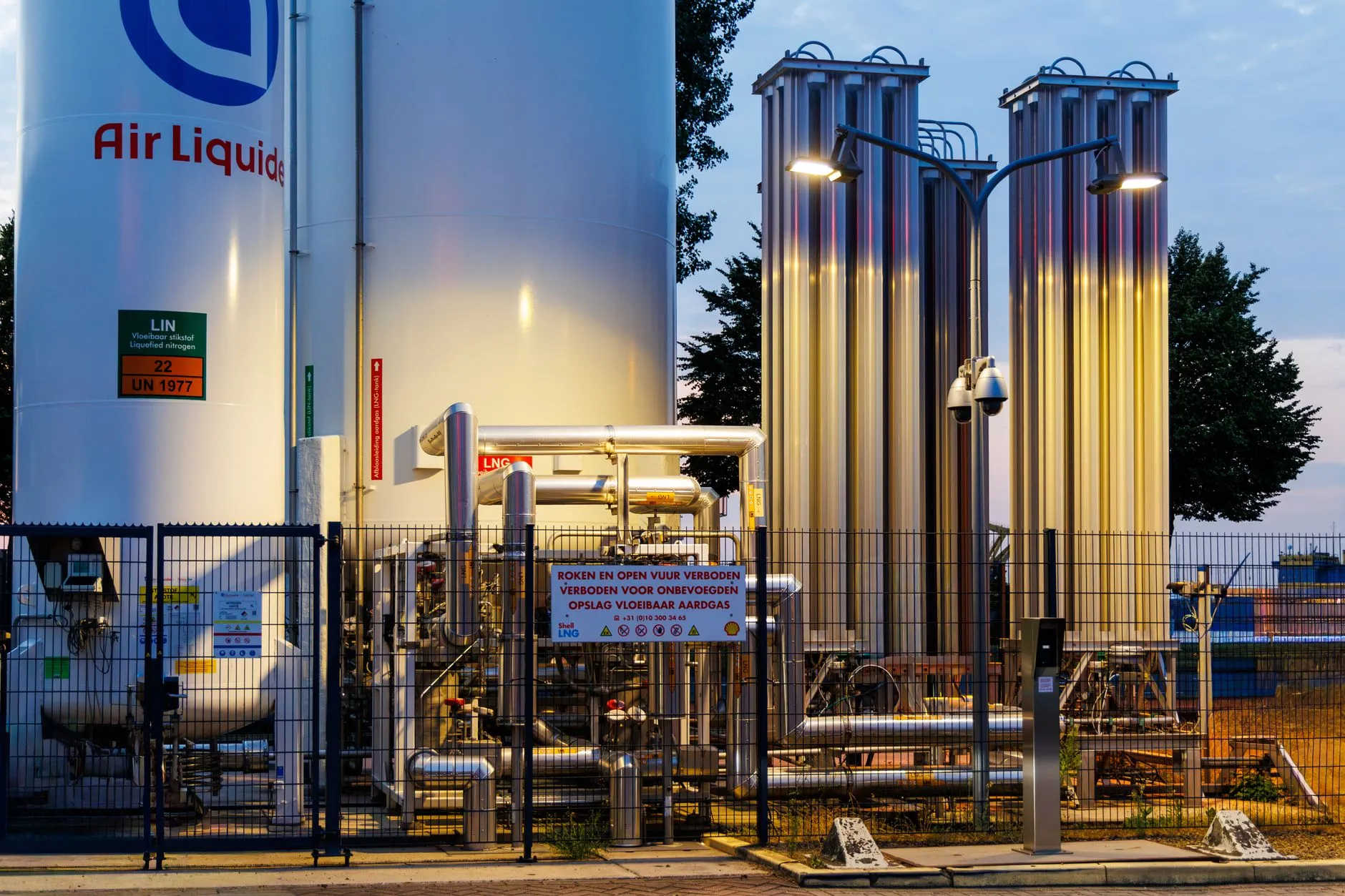
Shell has given the green light to double the size of Canada's first major liquefied natural gas export terminal. The decision commits roughly C$33 billion to expanding LNG Canada in Kitimat, British Columbia, and positions the facility to ship 28 million tonnes of LNG per year by the early 2030s. For UK businesses tracking global energy markets, this represents a significant shift in North American export capacity and another test case for whether natural gas infrastructure can align with climate commitments.
The expansion arrives at a moment when energy security and decarbonisation sit uncomfortably alongside each other. LNG demand continues to grow, particularly across Asian markets seeking stable supply. Yet environmental groups warn that locking in decades of new gas production risks undermining net zero targets. Consequently, Shell's investment illustrates the tensions facing energy-intensive industries worldwide.
Understanding this decision matters for UK manufacturers, exporters, and procurement teams working within carbon-constrained supply chains. Global infrastructure choices influence fuel prices, emissions benchmarks, and the regulatory environment. Moreover, they shape how businesses answer questions about energy transition in tenders and compliance frameworks.
Canada prepares to double LNG export capacity at Kitimat
LNG Canada began exporting in 2025 after years of construction. The terminal sits on British Columbia's Pacific coast and was designed from the outset to accommodate future expansion. Shell holds a 40 per cent stake in the joint venture. Petronas, Mitsubishi, PetroChina, and Kogas hold the remainder.
Phase 1 delivered 14 million tonnes of export capacity annually. Phase 2 will add an identical volume, bringing total capacity to 28 million tonnes per year. Shell expects to receive nearly 6 million tonnes of additional LNG from the expansion once commercial operations begin.
The build-out includes two new liquefaction trains, an additional storage tank for LNG, a condensate tank, and a new loading berth. Expanded utility and process systems will support the larger throughput. Meanwhile, the Coastal GasLink pipeline, which feeds gas to the terminal, will gain five new compressor stations to handle increased volumes.
The project represents one of the largest private-sector energy investments in Canadian history. Approval follows several years of planning and environmental assessment. Shell has framed the expansion as part of a broader strategy to meet rising global energy demand while reducing methane intensity across its operations.
Chris Cooper, chief executive of LNG Canada, told the Globe and Mail that the expansion reflects decades of anticipated demand growth. He described the project as part of a longer-term shift away from more carbon-intensive fossil fuels. However, that framing has drawn scrutiny from environmental advocates who question whether new gas infrastructure can genuinely support climate goals.
Emissions intensity and methane reduction remain central concerns
Natural gas produces fewer carbon emissions than coal when burned for power generation. This comparison underpins much of the industry's positioning around energy transition. Nevertheless, lifecycle emissions from LNG include extraction, processing, liquefaction, shipping, and regasification. Each stage adds to the overall carbon footprint.
Methane leakage presents a particular challenge. Methane is a potent greenhouse gas, with a global warming potential many times greater than carbon dioxide over a 20-year period. Reducing methane emissions therefore offers one of the fastest routes to lowering the climate impact of gas production. Shell has committed to methane reduction as part of its expansion plans, though specific targets and timelines for LNG Canada have not been detailed publicly.
The International Institute for Sustainable Development has estimated that Phase 1 of LNG Canada will emit roughly the equivalent of 450,000 passenger vehicles annually. Phase 2 could double that figure. These estimates include operational emissions from the facility itself, though they do not capture upstream extraction or downstream combustion.
For UK businesses, these figures matter in two ways. First, they illustrate the scale of emissions embedded in global energy supply chains. Second, they highlight the importance of Scope 3 reporting, which requires companies to account for emissions across their value chains. Organisations that rely on LNG or supply into LNG-dependent sectors may face increasing scrutiny over their indirect emissions.
Procurement teams working with energy-intensive suppliers should expect more detailed questions about fuel sources and emissions intensity. Similarly, businesses bidding for public sector contracts under Procurement Policy Note 06/21 must demonstrate credible carbon reduction plans. Large-scale infrastructure decisions like LNG Canada set the context for those conversations.
Global LNG demand and supply chain implications for UK firms
Asian markets remain the primary destination for LNG exports from Canada's Pacific coast. Countries including Japan, South Korea, and China continue to rely on imported gas for power generation and industrial use. Demand has remained resilient despite economic headwinds and growing renewable capacity.
Expanding LNG export capacity in North America affects global pricing and supply dynamics. UK businesses that import energy or operate in energy-intensive sectors may see indirect effects through commodity markets. Furthermore, companies with operations or supply chains in Asia will encounter the same infrastructure and its emissions profile.
Trade agreements and carbon border mechanisms add another layer of complexity. The European Union is implementing a Carbon Border Adjustment Mechanism that will apply carbon costs to certain imported goods based on their embedded emissions. While the CBAM does not currently cover natural gas directly, it does affect energy-intensive products such as steel, cement, and fertilisers. Companies exporting to the EU must therefore track the emissions intensity of their energy inputs.
UK businesses should also consider how infrastructure decisions influence regulatory expectations. Governments and regulators increasingly expect companies to justify their use of fossil fuels within transition plans. Large new gas projects can signal continued reliance on hydrocarbons, which may complicate messaging around net zero commitments.
Additionally, banks and investors are tightening criteria for financing fossil fuel infrastructure. Some financial institutions have announced restrictions on LNG project funding, while others require detailed climate risk assessments. Companies in the supply chain for LNG projects may face questions about their own financing and risk management.
What UK businesses need to know about LNG Canada Phase 2
- Shell has approved a C$33 billion expansion of LNG Canada in Kitimat, British Columbia, doubling export capacity from 14 million tonnes per year to 28 million tonnes by the early 2030s.
- The expansion includes two new liquefaction trains, additional storage and loading infrastructure, and five new compressor stations on the Coastal GasLink pipeline.
- Phase 1 emissions have been estimated at the equivalent of 450,000 passenger vehicles annually, with Phase 2 expected to add a similar amount.
- Shell has committed to methane reduction and lower-emissions operations, though specific targets for LNG Canada have not been published in detail.
- The project positions Canada to become one of the world's largest LNG exporters, primarily serving Asian markets.
- UK businesses with energy-intensive supply chains or operations in Asia may face increased scrutiny over Scope 3 emissions linked to LNG use.
- Carbon border mechanisms and public procurement rules are raising the stakes for transparent emissions reporting across global supply chains.
Managing energy transition risks in carbon-intensive supply chains
Decisions like LNG Canada Phase 2 illustrate a broader challenge facing businesses worldwide. Energy demand remains strong, particularly in industrial and manufacturing sectors. At the same time, regulatory pressure and market expectations around decarbonisation continue to intensify. Navigating this gap requires careful attention to emissions data, supplier engagement, and scenario planning.
UK SMEs should start by understanding their own Scope 3 emissions. These indirect emissions often account for the majority of a company's carbon footprint, yet many organisations lack detailed data. Carbon reporting programmes can help businesses identify hotspots, quantify risks, and build credible reduction plans.
Supplier engagement becomes increasingly important as emissions intensity moves up the priority list. Companies that rely on energy-intensive inputs or logistics should ask suppliers about their fuel sources, efficiency measures, and transition plans. This information supports both compliance and strategic risk management.
Furthermore, businesses bidding for public sector contracts must meet specific carbon reduction requirements. PPN 06/21 mandates that suppliers publish a carbon reduction plan and commit to net zero by 2050. Large infrastructure projects like LNG Canada underscore the need for robust data and transparent reporting, as they set benchmarks that regulators and procurers will reference.
Training and capacity building also play a role. Understanding the emissions implications of different fuel sources, infrastructure choices, and supply chain configurations requires expertise. Skills development in carbon management helps teams make informed decisions and respond confidently to client or regulator questions.
Finally, businesses should consider the reputational dimension. Stakeholders increasingly expect companies to articulate how their activities align with climate goals. Clear communication about energy use, supplier standards, and transition plans helps manage risk and maintain trust.
Where to find further guidance and regulatory information
The UK government provides detailed guidance on carbon reporting and net zero planning through the Department for Energy Security and Net Zero. This includes information on emissions accounting standards, policy frameworks, and sector-specific pathways.
For businesses required to report greenhouse gas emissions, the Streamlined Energy and Carbon Reporting guidance published by the UK government sets out the methodology and disclosure requirements. It covers Scope 1, Scope 2, and some Scope 3 emissions for qualifying companies.
Public sector suppliers can review the requirements under Procurement Policy Note 06/21 to understand carbon reduction plan expectations. The guidance explains what procurers will assess and how suppliers should structure their submissions.
International guidance on methane emissions and oil and gas sector practices is available from the International Energy Agency, which publishes annual tracking reports on methane and emissions reduction pathways. These resources provide context for evaluating supplier claims and understanding global trends.
Organisations seeking independent advice on ESG compliance and carbon reporting can access consultancy support tailored to UK SMEs. This includes help with Scope 3 data collection, supplier engagement strategies, and regulatory compliance across energy-intensive sectors.