
How is shipping’s fuel transition going? Four new data points reveal all
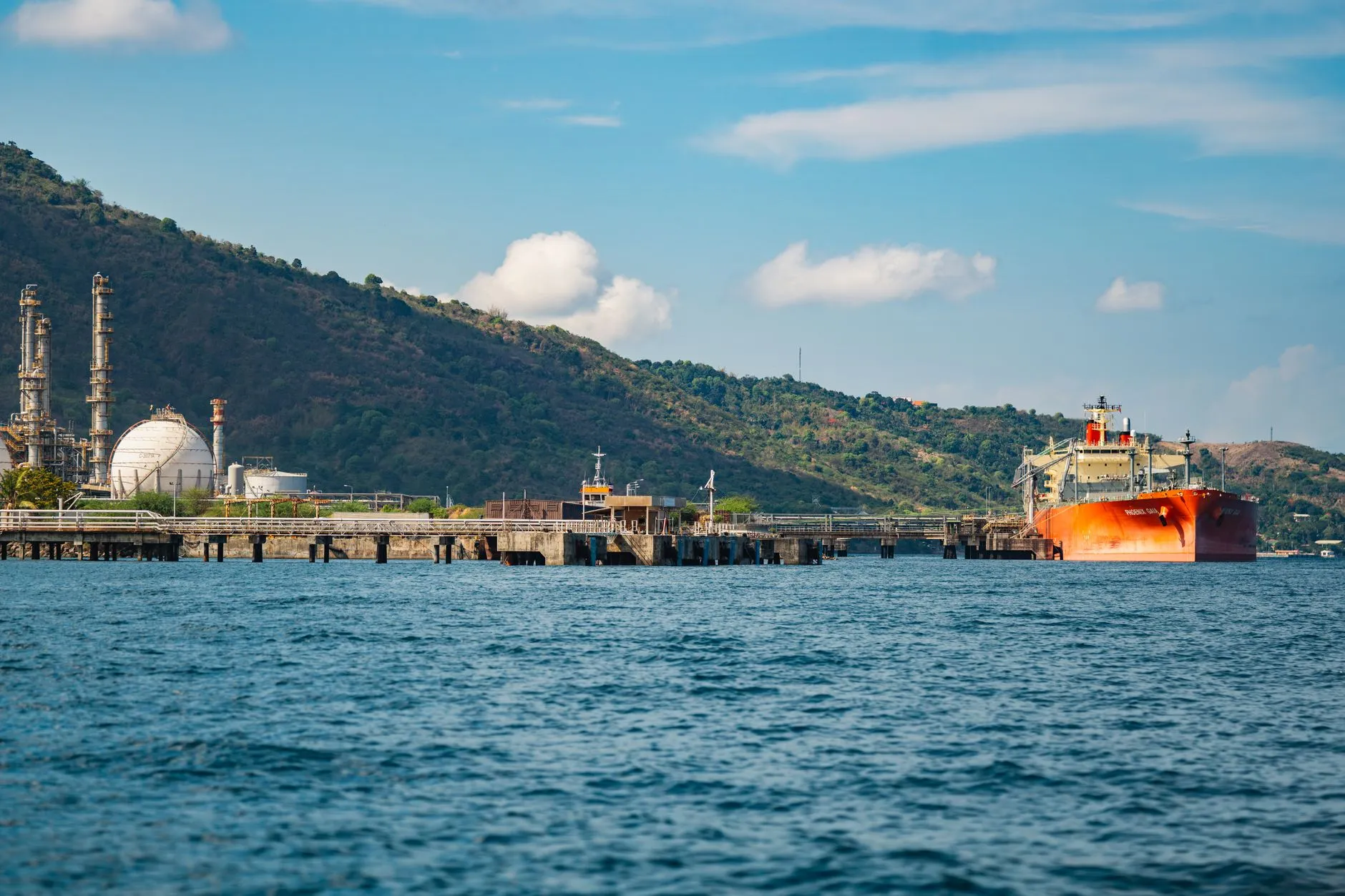
New global rules combine fuel standards with emission pricing
The International Maritime Organization approved a global net-zero framework in April 2025. Consequently, large ocean-going vessels will face mandatory fuel standards and emission pricing from 2027. This framework targets ships over 5,000 gross tonnage and combines a greenhouse-gas intensity standard with financial penalties for high-emission fuels. The European Commission called the agreement a milestone that will encourage shipping companies to adopt cleaner fuels early.
The framework addresses two critical barriers simultaneously. First, it creates a pricing mechanism that penalizes emissions above the threshold. Second, it establishes financial rewards for vessels using lower-carbon fuels. Therefore, shipowners now have clearer economic incentives to shift away from conventional bunker oils, even before zero-emission alternatives achieve widespread commercial availability.
This regulatory change builds on the IMO's 2023 strategy, which set net-zero targets for 2050. The strategy includes interim milestones of at least 20% emission reduction by 2030 and at least 70% by 2040, measured against 2008 baseline levels. Meanwhile, the 2027 framework adds legally binding fuel standards that will influence investment decisions across the sector.
Current rules already require vessels of 5,000 gross tonnage and above to calculate and report Carbon Intensity Indicator data. Ships receive ratings from A to E under this system. However, the new framework goes further by linking fuel choice directly to financial outcomes through its pricing mechanism.
Fleet composition shows sharp divide between new and existing vessels
Only 7.4% of the global fleet's gross tonnage could use alternative fuels as of June 2024, according to DNV data. This figure exposes the scale of the challenge facing existing vessels. The overwhelming majority of ships still burn fossil fuel oils, with 92.6% lacking alternative-fuel capability in that same snapshot.
In contrast, nearly half of new tonnage on order was designed with dual-fuel capability. Specifically, 49.5% of newbuild orders included this flexibility. Shipowners are therefore buying optionality rather than committing fully to one fuel pathway. This hedging strategy reflects ongoing uncertainty about which alternative fuels will dominate in the long term.
Clarkson's data reveals sustained growth in alternative-fuel orders over recent years. The share of the newbuild orderbook by tonnage reached 38%, up from 28% a year earlier and just 12% five years earlier. As a result, the orderbook composition has shifted dramatically, even though the active fleet remains anchored to conventional fuels.
DNV reports that LNG and methanol are gaining commercial traction among alternative fuels. Conversely, ammonia, hydrogen, and onboard carbon capture remain in early trials. These technologies face significant technical and infrastructure hurdles before they can achieve widespread adoption across the merchant fleet.
Fuel availability and infrastructure create immediate operational constraints
The existing fleet faces a fundamental mismatch between regulatory ambition and practical capability. Most vessels were designed for heavy fuel oil or marine diesel. Retrofitting ships for alternative fuels involves substantial capital cost and often reduces cargo capacity. Therefore, owners of older tonnage face difficult economic calculations about whether to invest in conversions or accept shorter operating lifespans.
Bunkering infrastructure remains concentrated in traditional ports and fuel types. Methanol bunkering facilities exist at fewer than 50 locations globally. Ammonia bunkering infrastructure is still largely theoretical, with pilot projects only now moving toward commercial testing. Hydrogen faces even steeper challenges due to storage density and safety requirements.
Dual-fuel vessels offer flexibility, but they still require reliable fuel supply chains. A ship designed to run on methanol cannot operate on that fuel if the next port lacks bunkering facilities. Consequently, many dual-fuel vessels continue burning conventional fuels for most voyages, limiting actual emission reductions despite their technical capability.
Supply chains for alternative marine fuels remain fragmented and regionally uneven. Europe has invested heavily in green methanol production and distribution. However, Asia-Pacific bunkering hubs still prioritize LNG infrastructure. This geographic variation creates operational complexity for shipowners with global routes.
The pricing gap between conventional and alternative fuels remains substantial. Green methanol typically costs two to three times more than heavy fuel oil on an energy-equivalent basis. Ammonia and hydrogen face similar price premiums. Therefore, the IMO's emission pricing mechanism must be calibrated carefully to close this gap without creating excessive compliance costs for operators.
Regulatory timeline creates decision points for fleet investment
The 2027 implementation deadline for the IMO framework gives shipowners roughly two years to reassess their fleet strategies. Orders placed today will determine fuel flexibility for vessels entering service in 2027 and beyond. Meanwhile, existing ships must meet progressively stricter Carbon Intensity Indicator ratings or face operational restrictions.
Shipowners now face a three-way choice for newbuilds. They can specify conventional fuel systems and accept rising compliance costs. They can order dual-fuel capability and pay higher upfront capital costs. Alternatively, they can wait for clearer signals about fuel availability and risk losing competitive position if regulations tighten faster than expected.
The financial calculations have shifted notably since 2023. Previously, alternative-fuel vessels carried a green premium with uncertain payback. Now, the IMO framework creates a credible penalty for high-emission fuels. As a result, dual-fuel capability increasingly looks like risk management rather than speculative investment.
Banks and ship financiers are adjusting their lending criteria accordingly. Several major lenders now apply stricter terms to conventional-fuel newbuilds. Conversely, dual-fuel vessels may qualify for preferential rates under green finance frameworks. This shift in capital markets reinforces the regulatory signal.
Charter markets are also beginning to reflect fuel considerations. Some cargo owners now specify emission limits in charter contracts. Others include fuel-flexibility clauses that allow them to direct vessels toward lower-carbon fuel choices. These commercial pressures add to the regulatory drivers pushing shipowners toward alternative-fuel investment.
Key facts about shipping's fuel transition and regulatory changes
- The IMO approved a net-zero framework in April 2025 that combines fuel standards with emission pricing, becoming mandatory for large ocean-going ships over 5,000 gross tonnage from 2027.
- Only 7.4% of the current global fleet's gross tonnage could use alternative fuels as of June 2024, while 49.5% of new tonnage on order includes dual-fuel capability.
- Alternative-fuel orders now represent 38% of the newbuild orderbook by tonnage, up from 28% a year earlier and 12% five years earlier.
- The IMO's 2023 strategy targets net-zero emissions by or around 2050, with interim reductions of at least 20% by 2030 and at least 70% by 2040 compared to 2008 levels.
- LNG and methanol are gaining commercial traction among alternative marine fuels, while ammonia, hydrogen, and onboard carbon capture remain in early development.
- Bunkering infrastructure for alternative fuels remains limited globally, with methanol available at fewer than 50 locations and ammonia infrastructure still largely in planning stages.
- Green methanol typically costs two to three times more than heavy fuel oil on an energy-equivalent basis, creating a substantial price gap that emission pricing mechanisms must address.
How UK businesses should assess exposure to maritime fuel costs
Companies that rely on ocean freight should review their supply chain exposure to shipping fuel transitions. The 2027 IMO framework will affect freight rates through two channels. First, emission pricing will raise costs for vessels burning high-carbon fuels. Second, shipowners will pass through higher capital and operating costs for dual-fuel vessels.
Importers and exporters should ask their freight forwarders and carriers about fleet fuel strategies. Specifically, businesses should understand what proportion of their cargo moves on dual-fuel vessels versus conventional ships. This information helps predict which routes and carriers will face the steepest cost increases when emission pricing takes effect.
Businesses tendering for freight contracts should consider including fuel-flexibility clauses. These provisions allow shippers to benefit from lower emission pricing if carriers use cleaner fuels. Conversely, they protect shippers from absorbing the full cost of carriers that delay fuel transitions and face higher penalties.
UK manufacturers selling into international markets should review their carbon accounting. Scope 3 emissions from ocean freight will become more visible as the IMO framework takes effect. Consequently, businesses may need to update their carbon reporting processes to reflect shipping emissions more accurately.
Public sector suppliers face additional scrutiny. PPN 06/21 requires bidders for major government contracts to publish carbon reduction plans. Ocean freight often represents a significant component of Scope 3 emissions for product suppliers. Therefore, demonstrating a credible approach to maritime emissions may become relevant in tender responses.
Businesses with complex international supply chains should map their maritime routes against bunkering infrastructure development. Routes with better alternative-fuel availability may offer cost advantages as emission pricing takes effect. Similarly, suppliers located near ports with advanced green fuel infrastructure may gain competitive position.
Currency exposure adds another layer of complexity. Fuel costs are typically denominated in US dollars, while UK businesses manage costs in sterling. The combination of rising alternative-fuel costs and currency fluctuation could create significant budget volatility for import-dependent businesses.
We work with manufacturers, distributors, and service companies to assess supply chain carbon exposure and identify practical reduction opportunities. For businesses with material freight costs, maritime fuel transitions represent both a cost risk and an opportunity to differentiate through lower-emission logistics.
Where to find authoritative guidance on maritime emissions rules
The International Maritime Organization published details of the net-zero framework following its Marine Environment Protection Committee meeting in April 2025. This source provides the most authoritative information on regulatory timelines and compliance requirements.
The UK Department for Transport oversees domestic implementation of IMO regulations and publishes guidance for UK-flagged vessels and port operators. Businesses should monitor departmental updates for specific UK compliance requirements.
DNV maintains publicly accessible data on fleet fuel capabilities and newbuild trends through its alternative fuels insights portal. This information helps businesses track the pace of fleet modernization and fuel infrastructure development.
The UK legislation website provides access to statutory instruments implementing international maritime regulations in UK law. Businesses should review relevant statutory instruments for definitive legal obligations affecting UK-registered vessels or UK port operations.
Industry bodies including the Chamber of Shipping and UK Major Ports Group publish practical guidance for businesses affected by maritime emission regulations. These resources often translate technical requirements into operational implications for shippers and cargo owners.